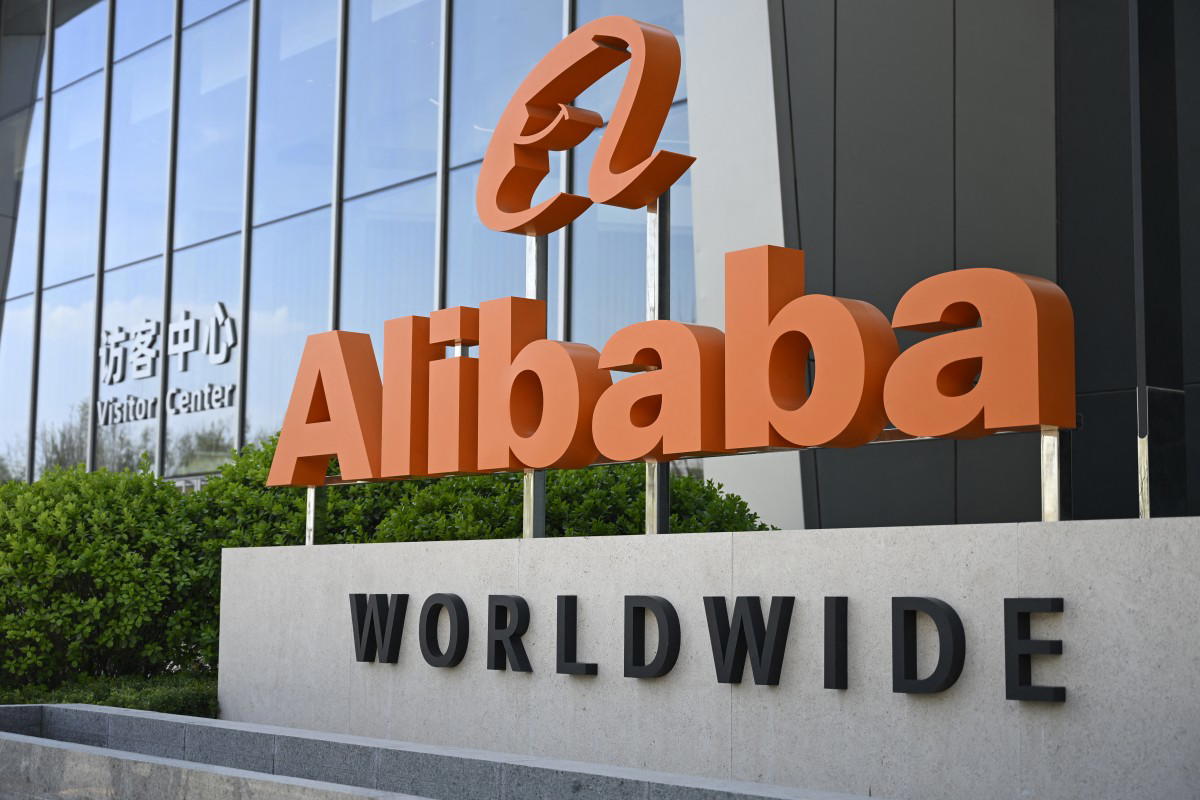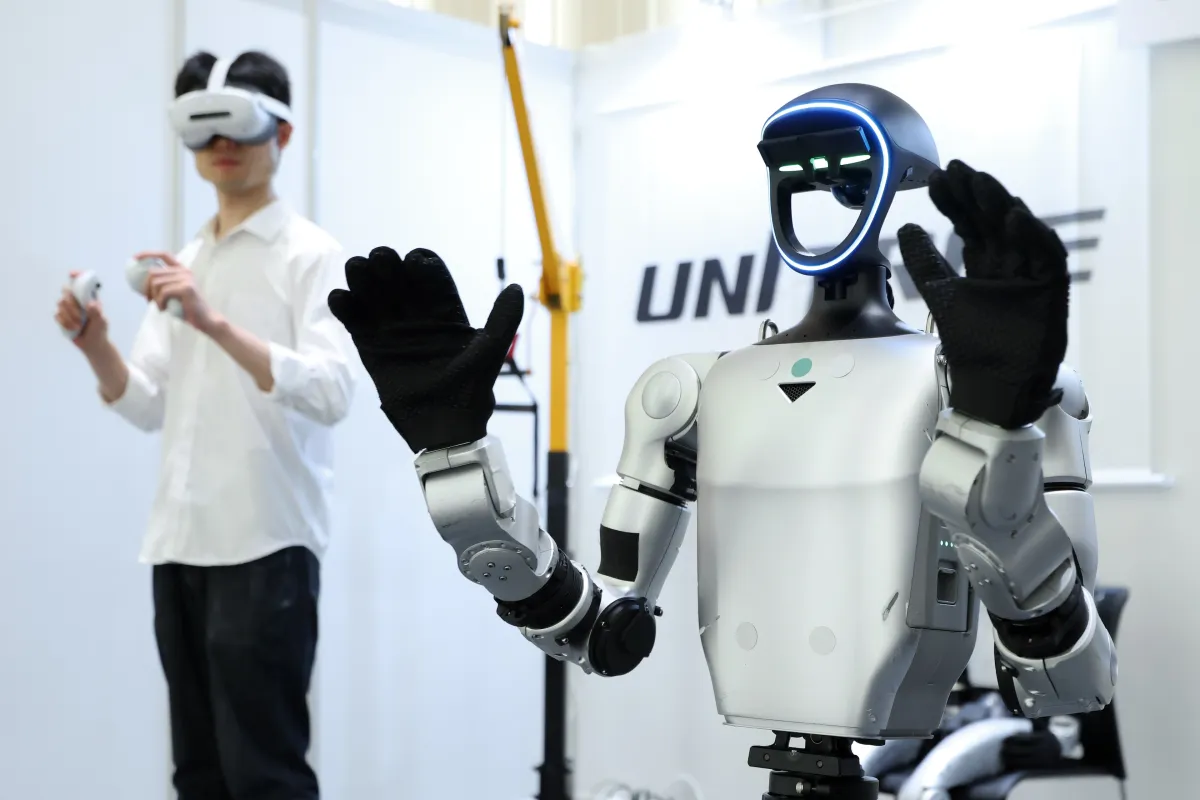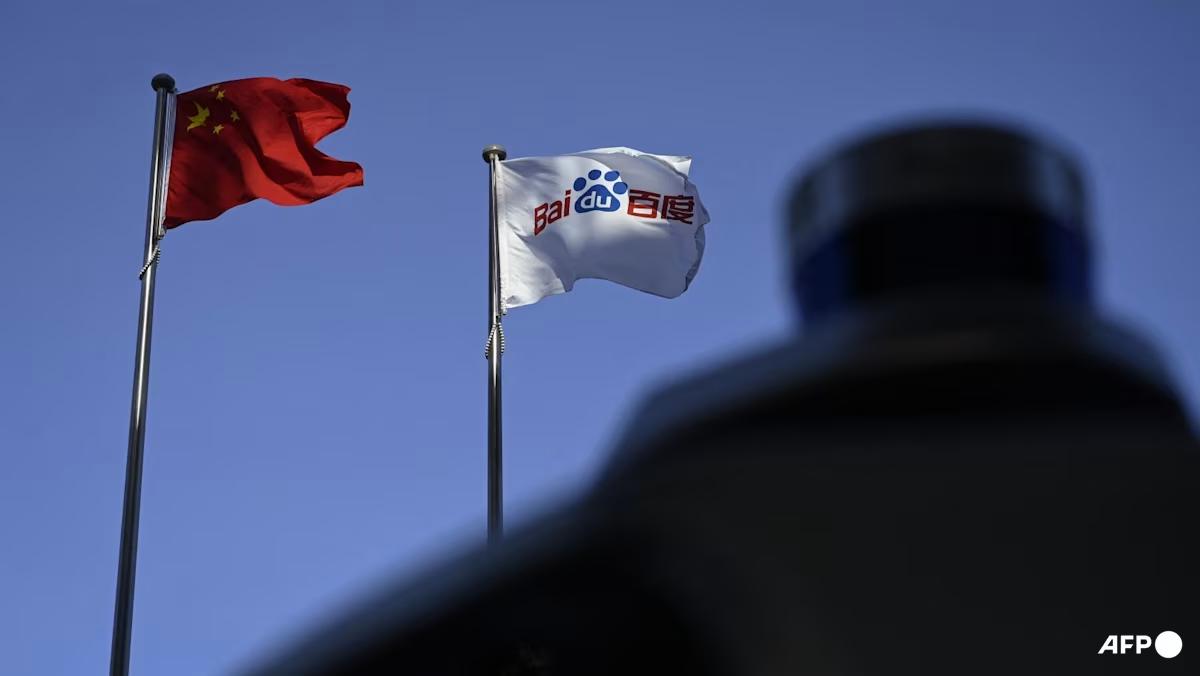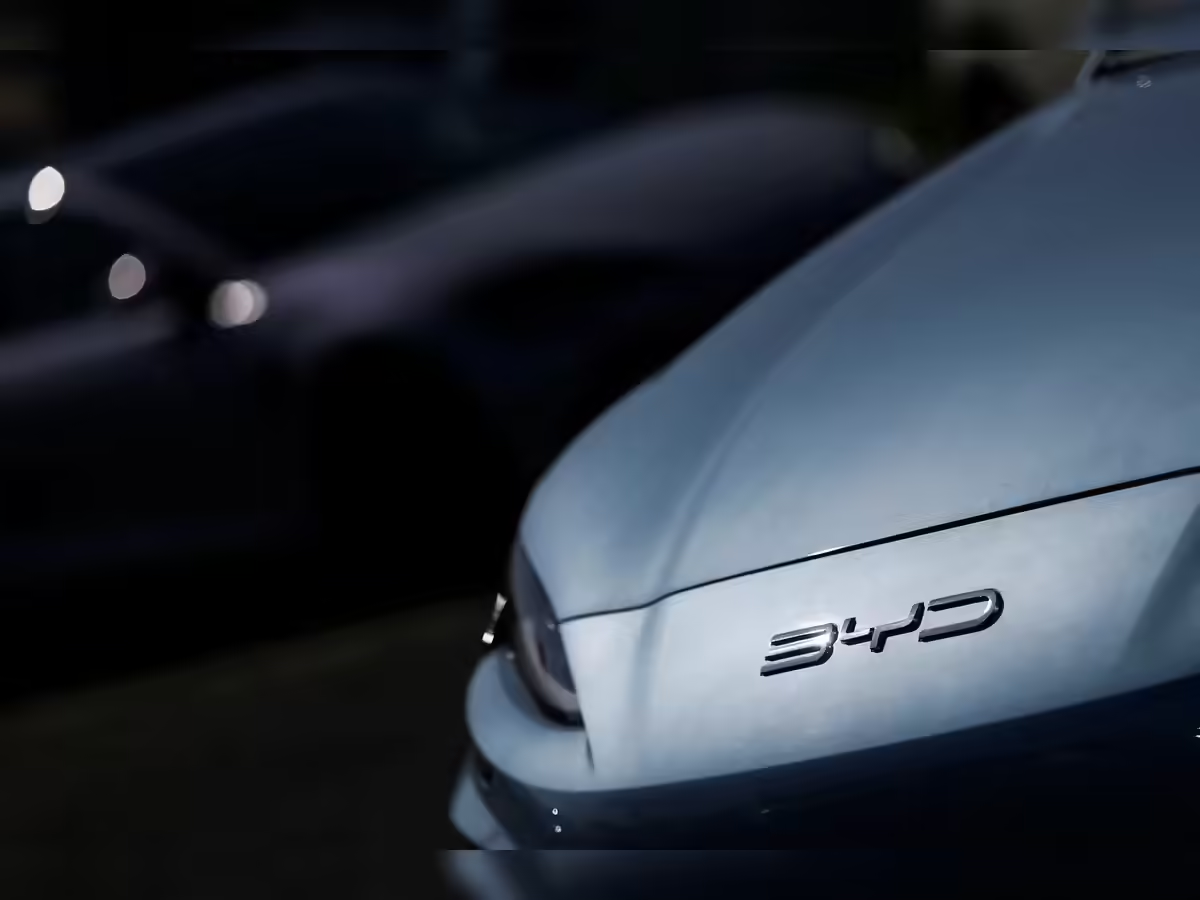
On June 8, 2026, the Pentagon expanded its “Chinese Military Companies” list from 134 to 188 firms. Among the newly added companies are Alibaba, one of the world’s largest e-commerce platform, BYD, a leader in the global electric vehicle market, and Baidu, China’s leading search and AI company. The list also includes robotics company Unitree, biotechnology firm WuXi AppTec, solar panel manufacturers JA Solar and Trina Solar, and battery producers CALB and EVE Energy. The significance of the 1260H list lies not only in the companies it names, but in the sectors it reclassifies: cloud computing, batteries, robotics, biotechnology, solar energy, artificial intelligence, and platform infrastructures are no longer treated as purely commercial domains.
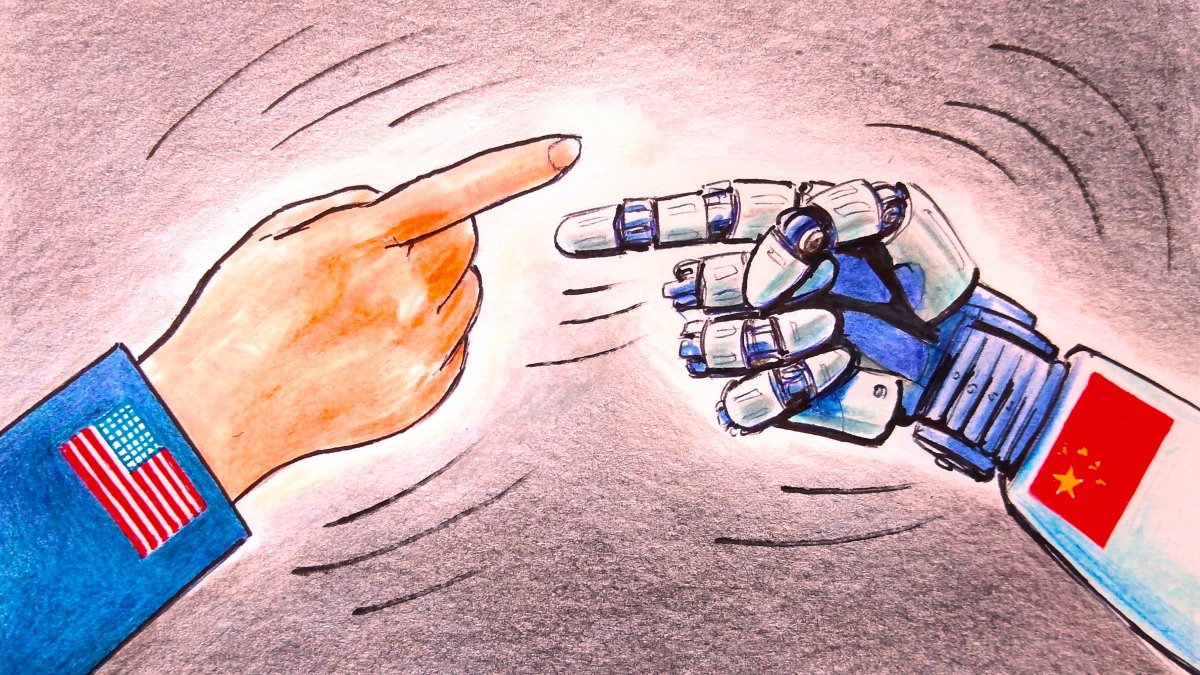
This expansion is neither coincidental nor a one-off move. The so-called 1260H list (the legal basis for the Pentagon’s move is Section 1260H of the 2021 National Defense Authorization Act) is the latest and most comprehensive expression of the technological decoupling that has been systematically constructed between the U.S. and China over the past five years. This decoupling did not occur through a sudden rupture, but through a layered process of accumulation: first came semiconductor export restrictions, then screening mechanisms for AI investments, subsequently, the questioning of research partnerships seeped into the academic sphere. Now, with this list covering 188 companies, decoupling has come to encompass the entire commercial technology economy. Each step made the next one possible, each restriction transformed separation into an undeniable norm. If the Pentagon today designates BYD and Alibaba as military entities, this means one thing: Washington is now redefining which sectors count as “commercial.”