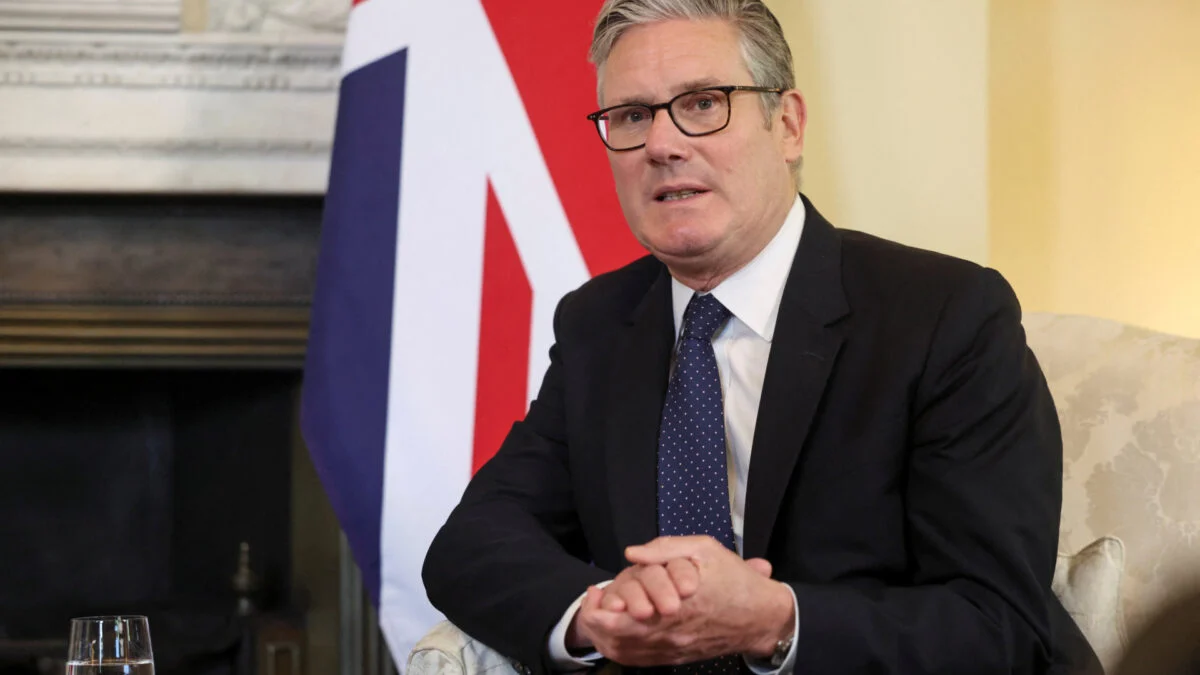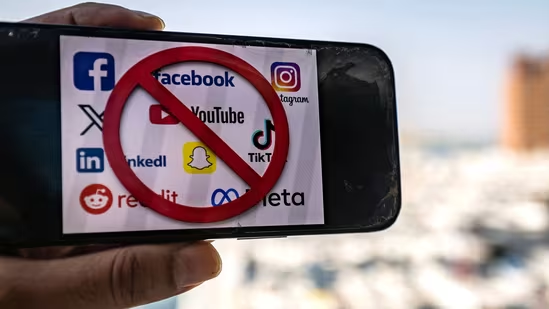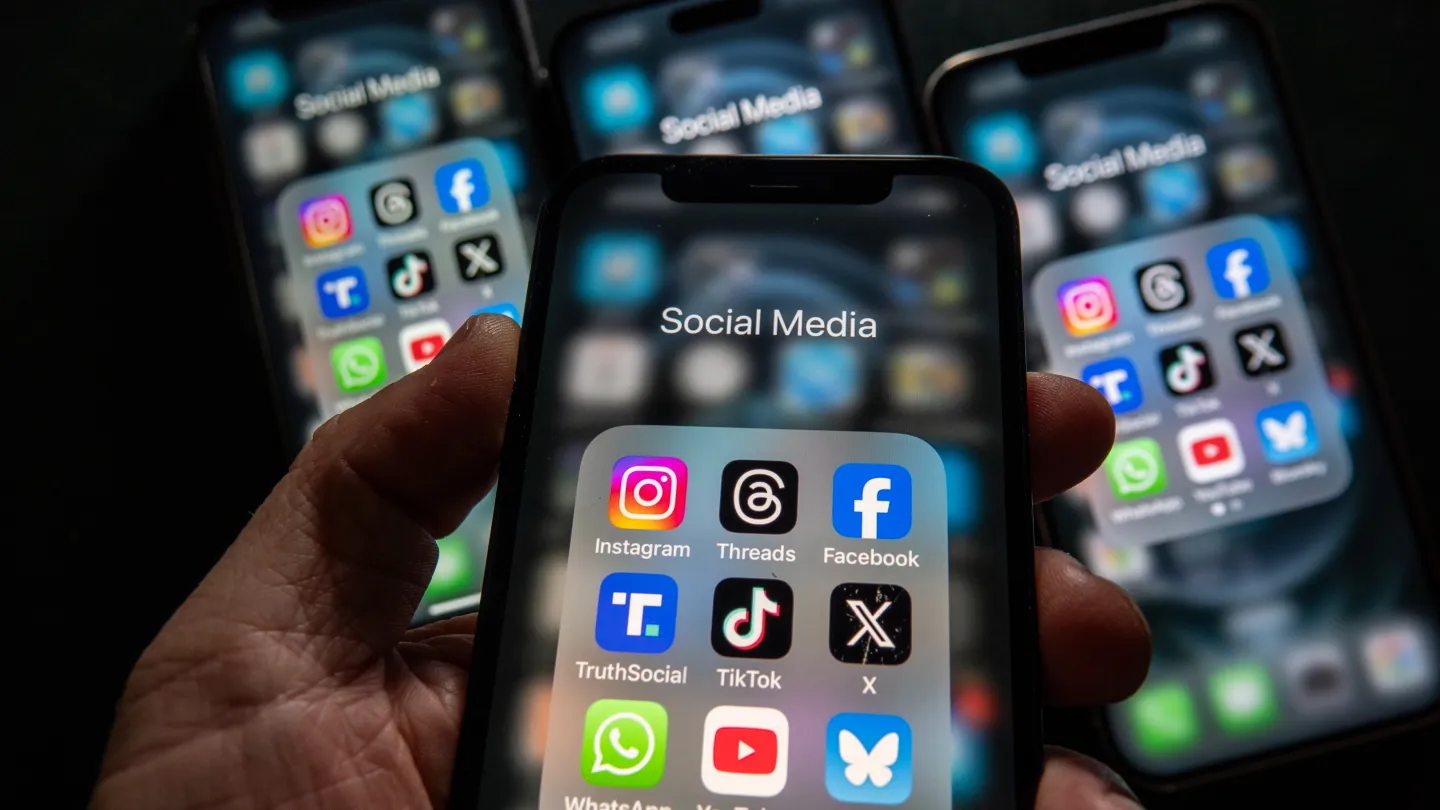
It’s been a busy week for social media bans. On Monday, the U.K. unveiled plans for a sweeping restriction on under-16s using TikTok, Facebook and similar platforms, and Canada is following suit, pushing its own legislation through parliament.
Both the British and Canadian proposals are modeled on Australia’s under-16s ban, the first of its kind in the world, which came into effect in December. Half a year into the experiment down under, the rest of the world is watching closely. From Paris to Ankara, Brussels to Jakarta, governments worldwide are converging on the same idea: to keep kids safe from the harms of social media, they need to be kept off it.
Whether that approach actually works is another matter.
Australia remains the test case. Its Online Safety Amendment forces online platforms to block accounts from under-16s or face fines of up to AUD 49.5 million ($34.7 million) per offense. It was sold as the toughest child-safety law in the world.
Governments backing such measures point to a growing body of research linking certain patterns of social media use to mental-health problems, body-image concerns, cyberbullying and sleep disruption among young people. But six months into Australia’s experiment, questions remain about whether blanket bans are the most effective response.