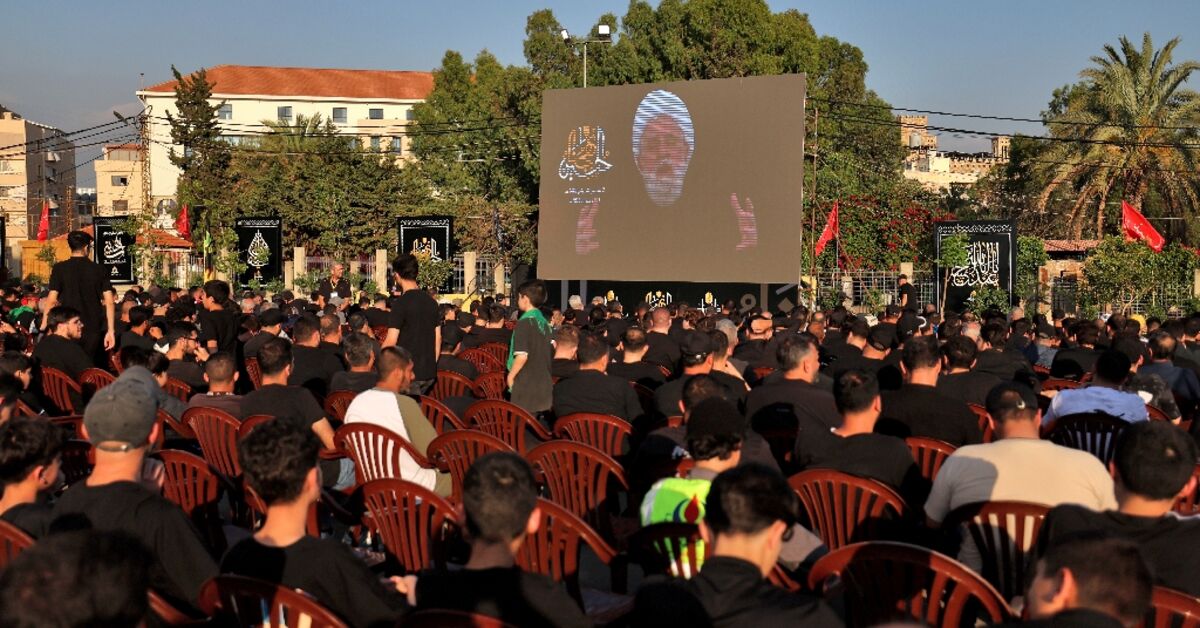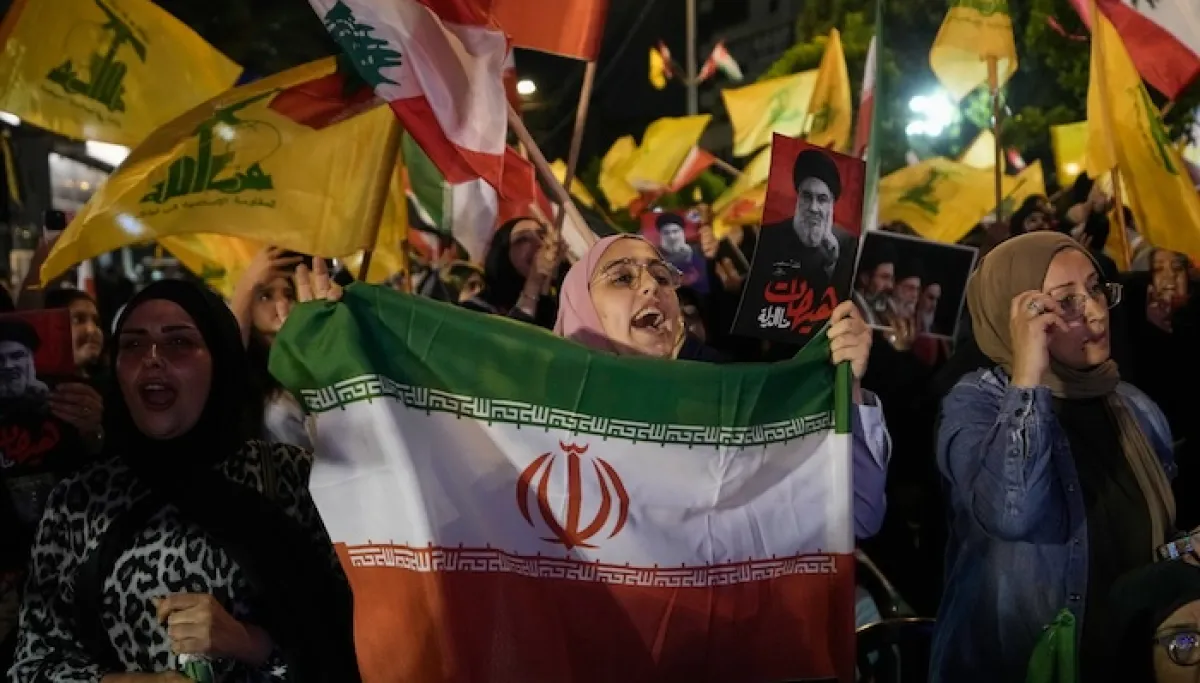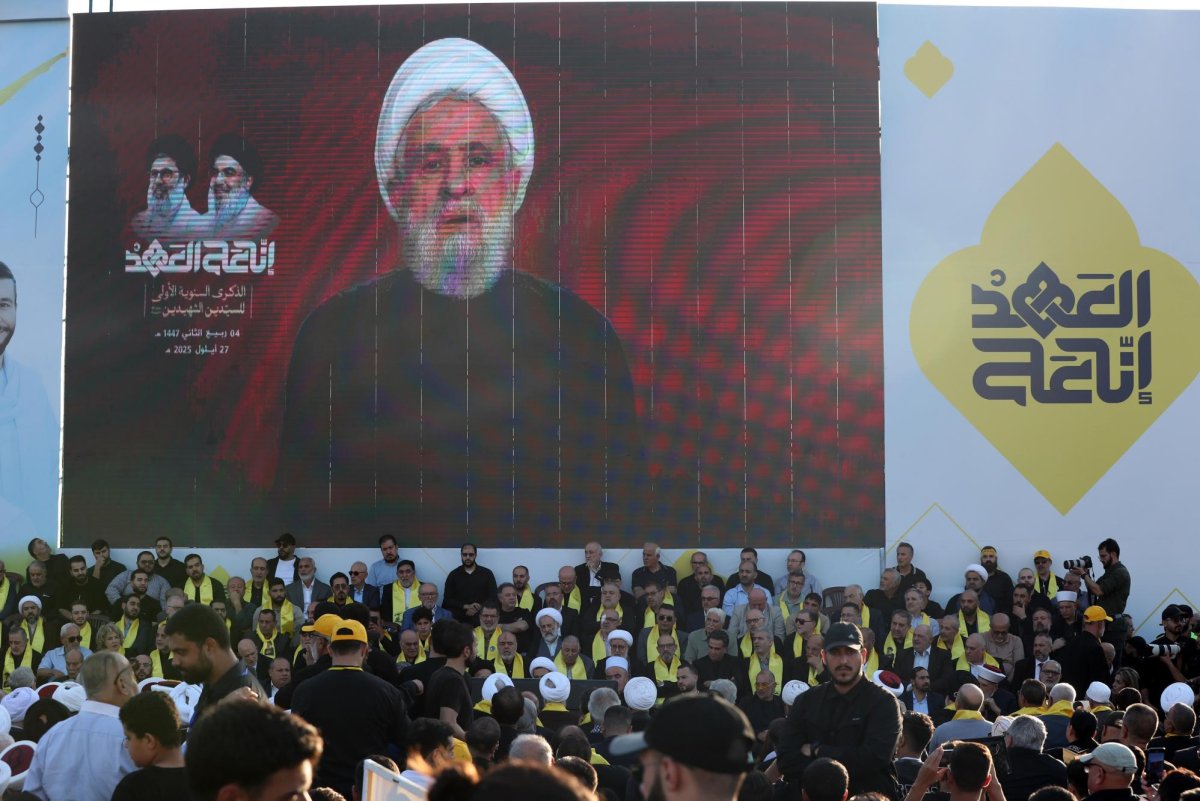
Hezbollah leader Sheikh Naim Qassem delivers a televised speech during a gathering in Beirut, Lebanon, on Sept. 27, 2025. Analysts say southern Lebanon could remain a battlefield and a bargaining chip in regional negotiations despite a preliminary agreement between the United States and Iran. Photo by Wael Hamzeh/EPA
BEIRUT, Lebanon, June 19 (UPI) -- The Iran war may be over, but southern Lebanon is likely to remain a battlefield and a bargaining chip in regional negotiations, despite Lebanon's inclusion in the memorandum of understanding between Iran and the United States -- a provision Israel rejected to preserve its freedom of action against Hezbollah, analysts said.
Violence in southern Lebanon subsided after the United States and Iran announced a 14-point preliminary agreement to end hostilities, reopen the Strait of Hormuz, and begin nuclear talks under a 60-day extended ceasefire.
The MOU was signed remotely on Wednesday by U.S. President Donald Trump and Iranian President Masoud Pezeshkian, two days ahead of a formal signing ceremony scheduled to take place in Switzerland.
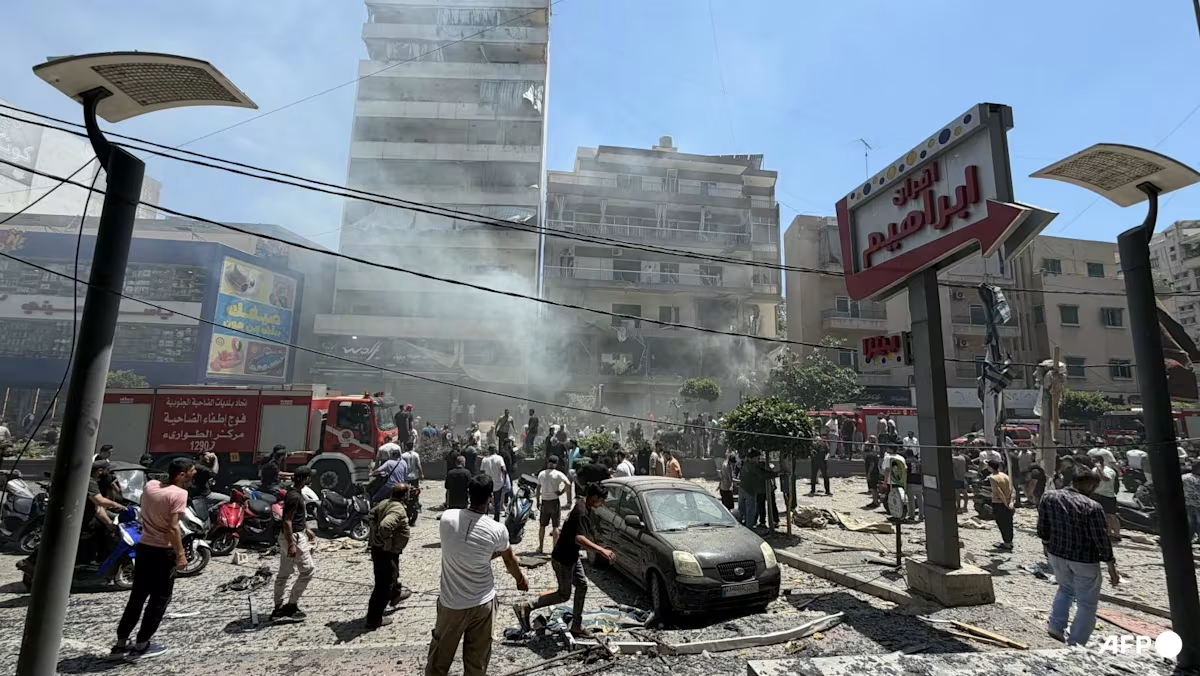
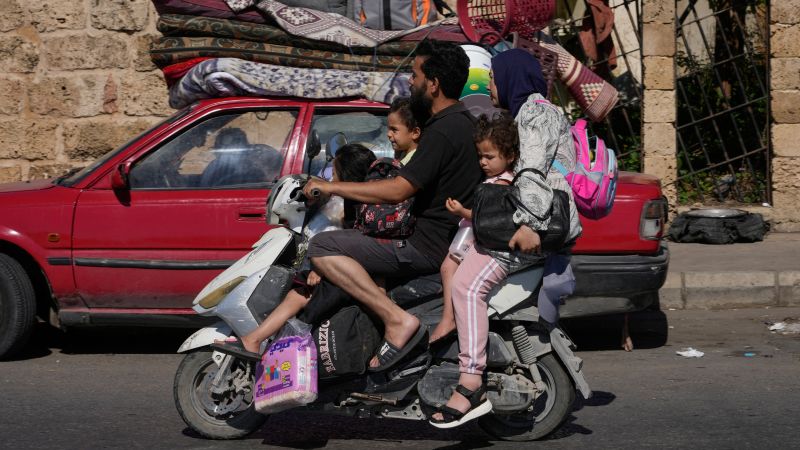
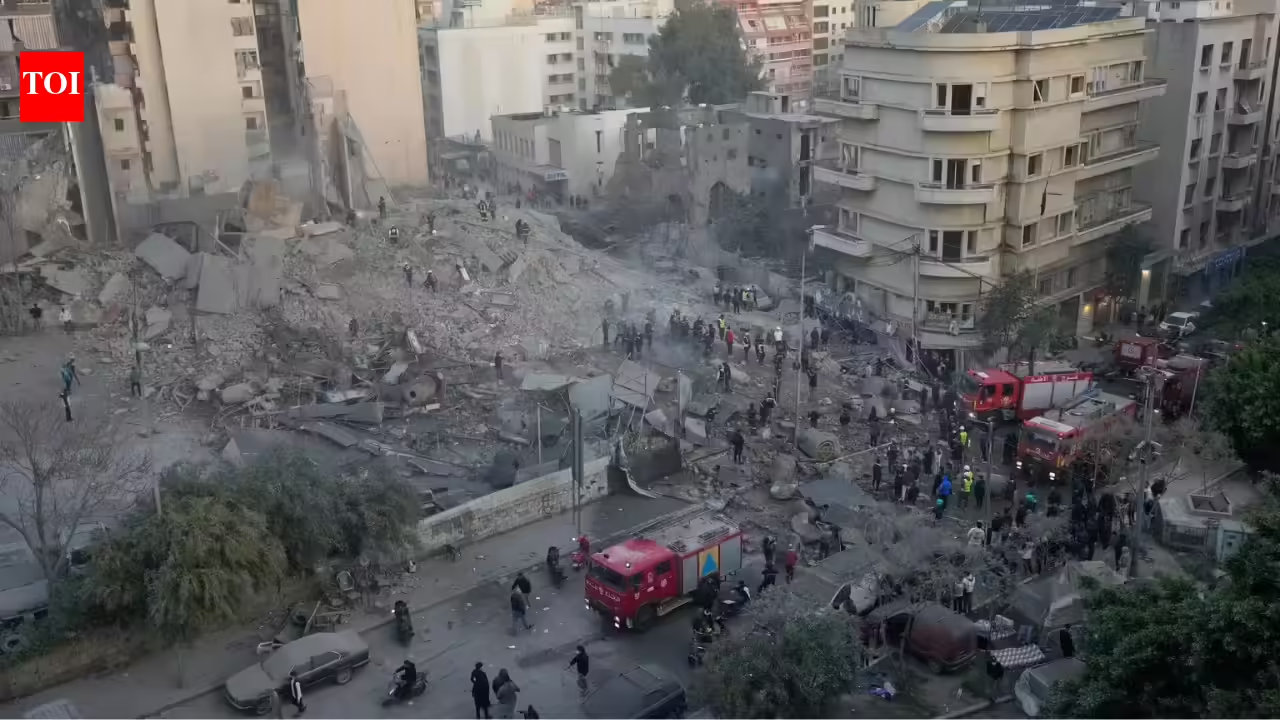
Rather than a cessation of hostilities, southern Lebanon witnessed a sharp escalation in fighting, with Israel intensifying its airstrikes and Hezbollah targeting Israeli forces seeking to seize the strategic Ali Taher hill in the Nabatiyeh district. Both sides traded accusations of violating the ceasefire established under the MOU.