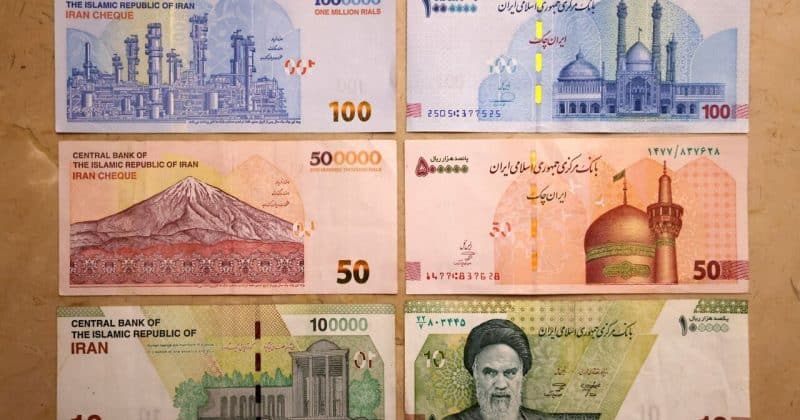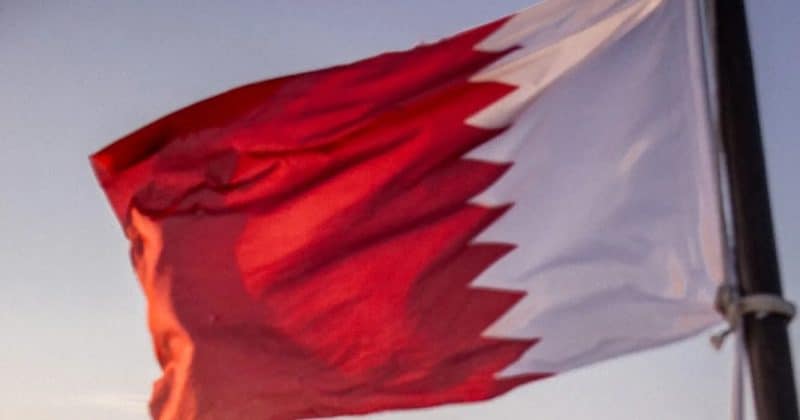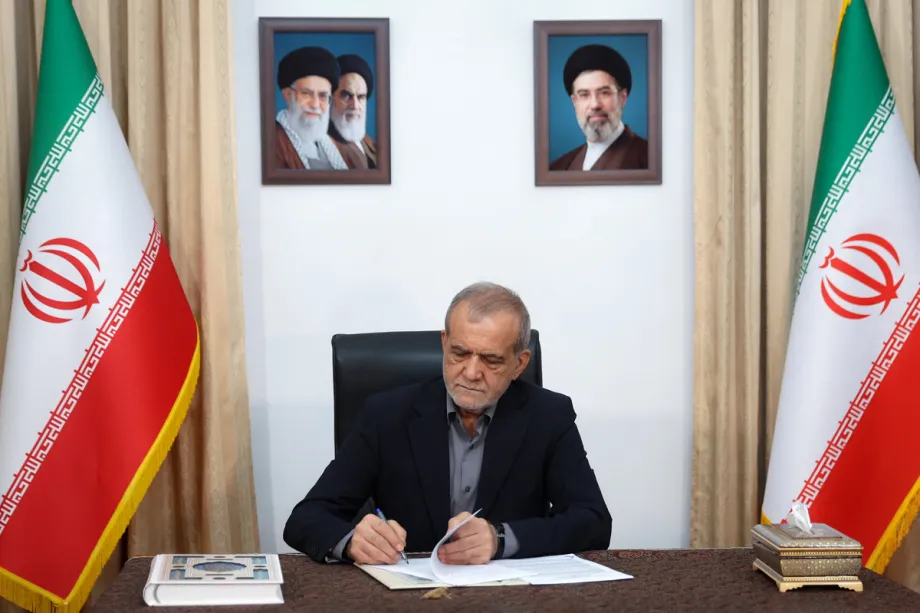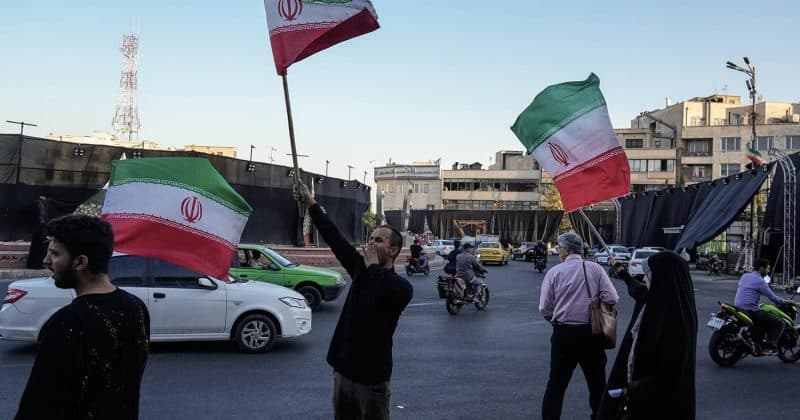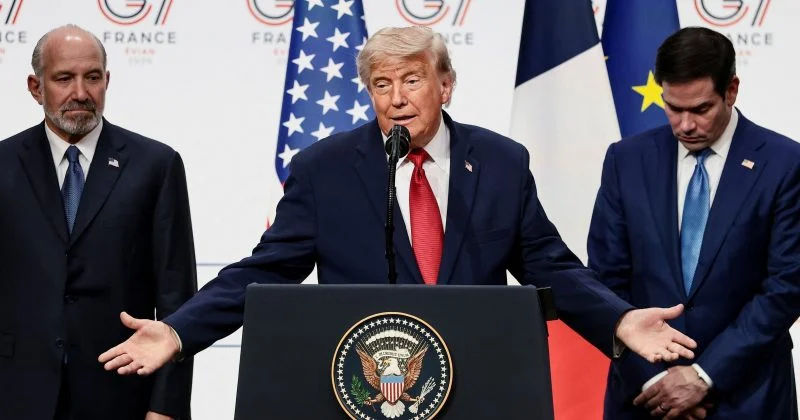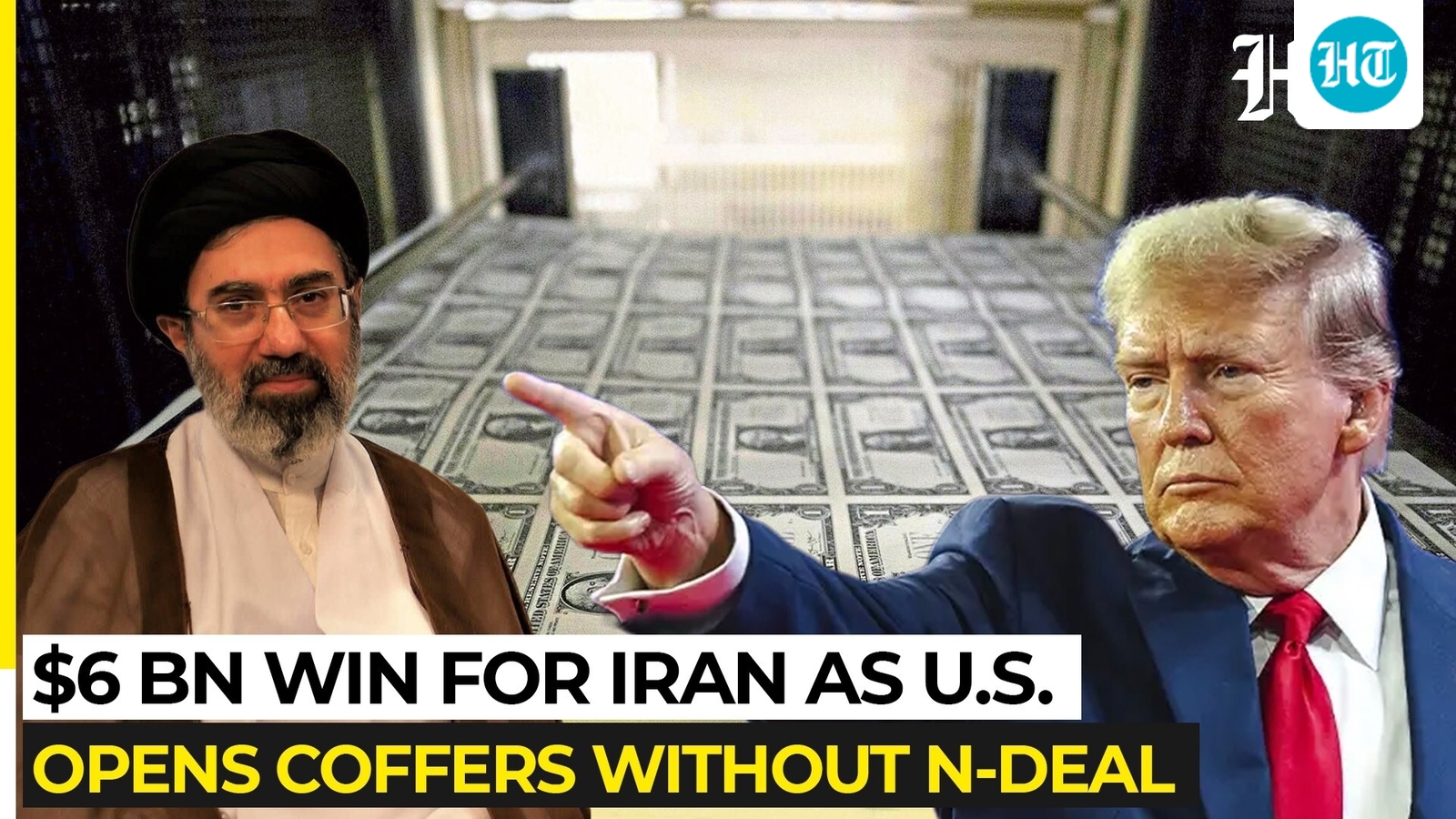
The proposed U.S.-Iran interim agreement could unlock billions of dollars in frozen Iranian funds, with reports suggesting Washington may release $6 billion held in Qatar as part of a broader incentives package. The funds, originally frozen in South Korea and transferred to Doha under a 2023 arrangement, would reportedly be released in phases during a 60-day ceasefire period. Iran would be allowed to use the money only for humanitarian and other non-sanctioned goods. The move has triggered political backlash in the U.S., while negotiations over Iran’s enriched uranium stockpile and a final nuclear agreement remain unresolved.
Mojtaba cashes in $6,000,000,000 as Trump unlocks Qatar vault before final Iran nuclear deal?
The proposed U.S.-Iran interim agreement could unlock billions of dollars in frozen Iranian funds, with reports suggesting Washington may release $6 billion held in Qatar as part of a broader incentives package. The funds, originally frozen in South Korea and transferred to Doha under a 2023 arrangement, would reportedly be released in phases during a 60-day ceasefire period. Iran would be allowed to use the money only for humanitarian and other non-sanctioned goods. The move has triggered political backlash in the U.S., while negotiations over Iran’s enriched uranium stockpile and a final nuclear agreement remain unresolved.
TL;DRAI
The U.S. prepares $6 billion release of frozen Iranian funds from Qatar in tranches during 60-day ceasefire as nuclear accord incentive. Geopolitical shift toward Iran impacts tech supply chains, export-control compliance, and vendor relationships for global operations.
96 words~1 min read