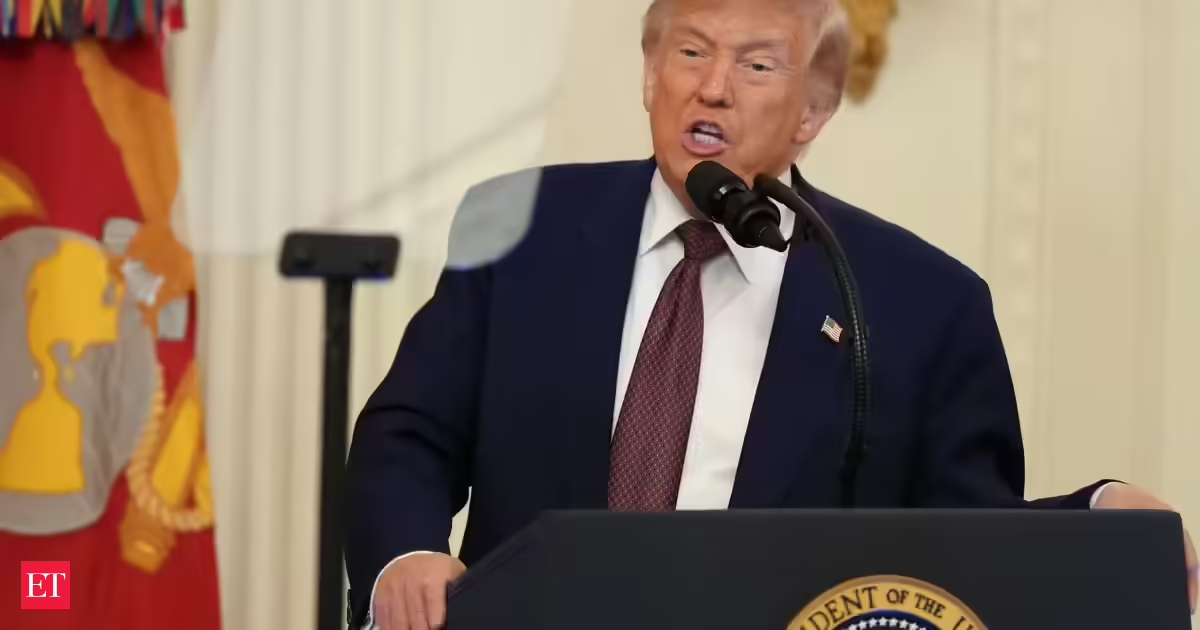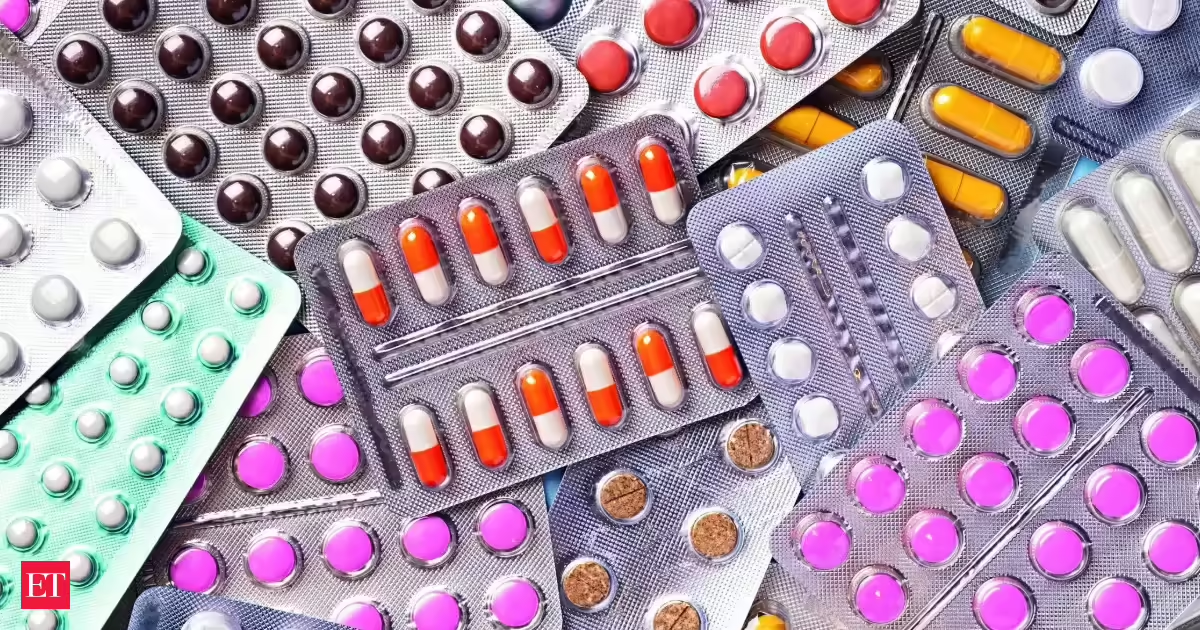
Washington: The United States has launched an investigation into Germany's pharmaceutical pricing policies, a move that could pave the way for new tariffs on Europe's largest economy.The probe, initiated under Section 301 of the US Trade Act of 1974, will examine whether Germany's pricing practices for innovative medicines are "unreasonable or discriminatory" and place an unfair burden on US commerce, the Office of the US Trade Representative (USTR) said on Thursday.The investigation follows a series of trade probes launched by President Donald Trump's administration as it seeks alternative ways to impose trade penalties after many of its tariffs were struck down by the US Supreme Court earlier this year.According to a Federal Register notice, Germany's policies may suppress prices for innovative pharmaceutical products, reducing revenues that help fund research and development."As a result, the United States pays a disproportionate share of global R&D costs for innovative pharmaceuticals," the notice said.US Trade Representative Jamieson Greer said President Trump believes American patients should not bear an outsized share of global drug development costs. He also cited Germany's plans to accelerate legislation that could further reduce spending on innovative medicines. Germany is pursuing reforms to its statutory health insurance system, including measures aimed at lowering the prices public insurers pay for medicines in an effort to curb healthcare spending.
US probes Germany's drug pricing policies, opens door to tariffs
The US has launched a trade probe into Germany's pharmaceutical pricing, alleging it unfairly burdens American commerce and forces the US to shoulder a disproportionate share of global drug development costs. This investigation, under Section 301, could lead to new tariffs on Germany. Officials cite concerns that German policies suppress prices for innovative medicines, impacting research funding and potentially affecting American patients.
TL;DRAI
USTR probes Germany's drug pricing under Section 301, arguing US pharma subsidizes R&D while European prices stay artificially low. Signals Trump's tariff-by-investigation model; German hardware, cloud, and supply chain partners risk similar trade probes and duties.
216 words~1 min read