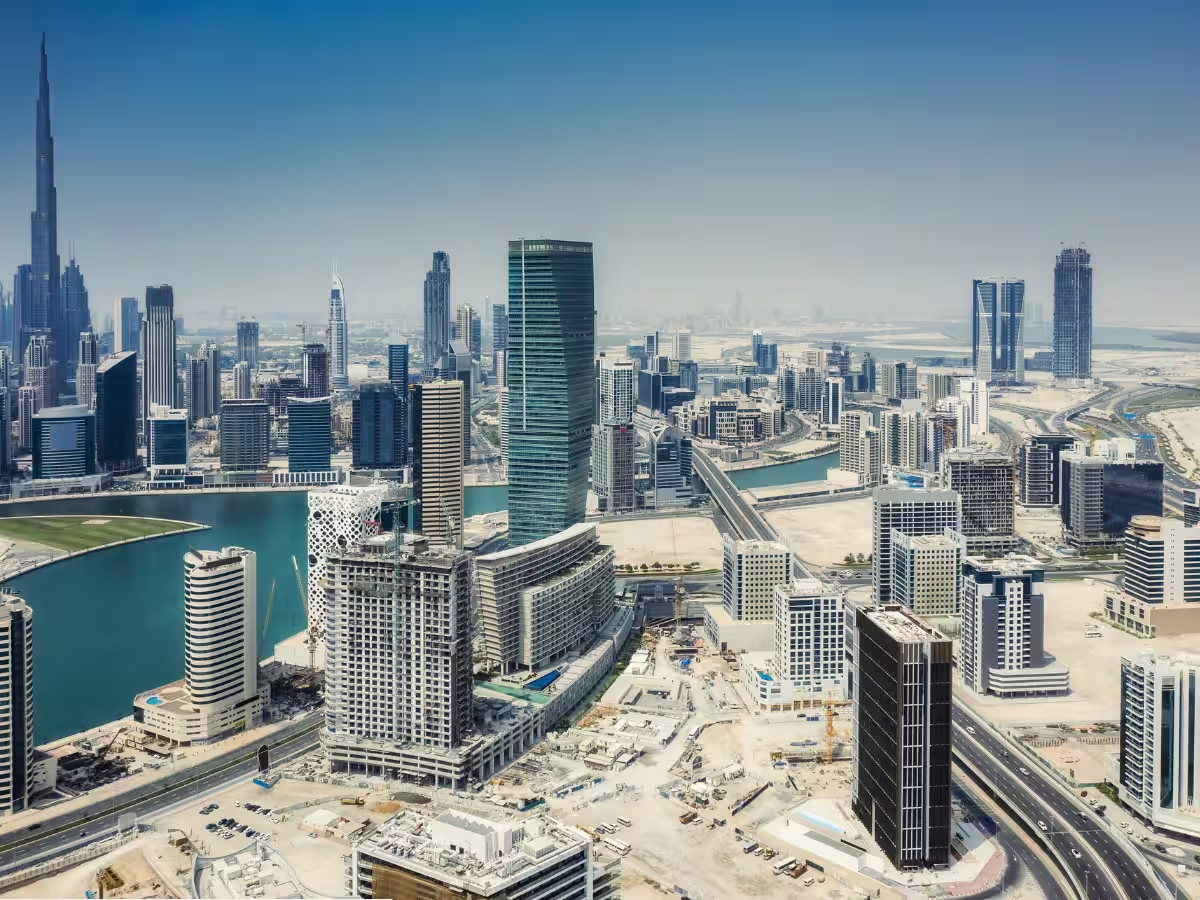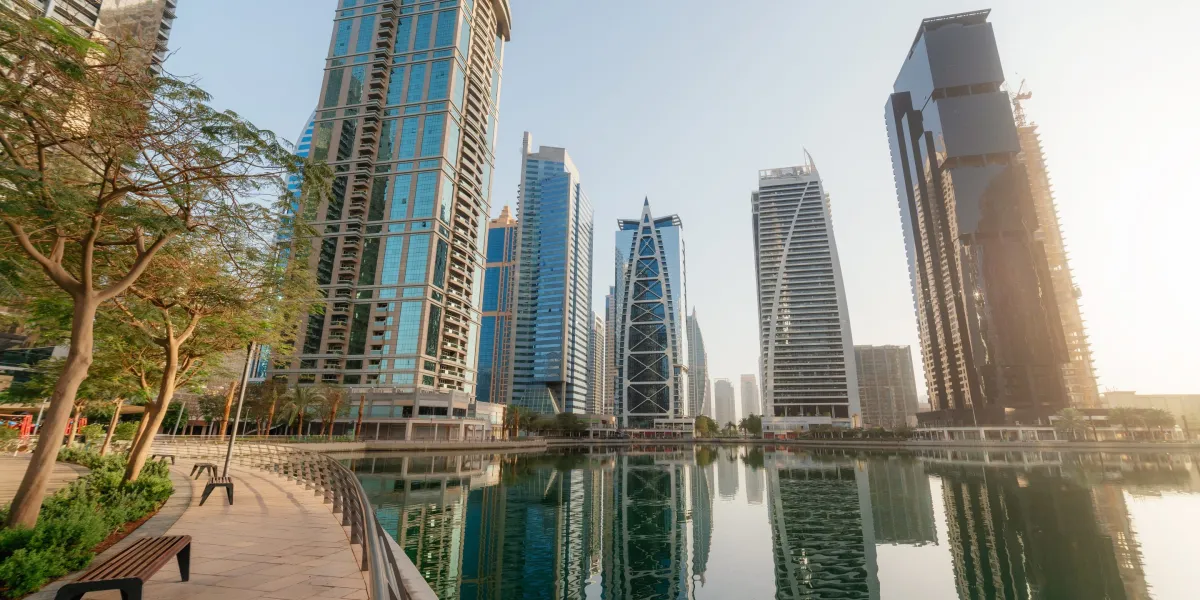
Dubai: While the US-Iran fragile interim peace deal has lifted sentiment in Dubai's property market, Indian buyers, who have been among the largest investor groups in the emirate in recent years, are returning cautiously.According to property consultants, enquiries from Indians remain below the pre-war levels, with demand increasingly shifting towards smaller-ticket transactions and higher rental yield- and cash flow-focused investment.Also read: Missiles over Dubai rattle the Gulf’s billion-dollar money machiBesides, Foreign Currency Non-Resident (Bank) deposits offering returns of up to 7% are emerging as a competing investment avenue and are expected to draw a portion of non-resident Indian (NRI) capital away from Dubai real estate, given a relatively risk-free alternative amid lingering uncertainty, industry experts noted."There are about 10-15% fewer enquiries from Indian buyers than before the war... Dubai was in a sentiment pause, but a permanent peace deal, if it holds, can act as a badly needed circuit breaker to restart stalled decisions," said Anuj Kejriwal, CEO-EMEA, ANAROCK Group.Enquiry data indicates that the transaction ticket size 'sweet spot' for Indians has fallen to about AED 1.2-1.5 million from over AED 2 million pre-war due to low risk appetite.ET BureauProperty consultants say enquiries remain below pre-war levels, preferred deal sizes have fallen to around AED 1.5m from over AED 2m earlier"There is some caution among Indian buyers based in India. We are still seeing investments, bulk deals, and active negotiations from Indian buyers, but volumes are not at the same levels seen previously," said Niraj Masand, founder and managing director, Artha Realty. Before the conflict, transaction values would cross AED 2 million, largely because buyers were targeting the Golden Visa threshold. Today, buyers who still want exposure to Dubai property appear most comfortable around the AED 1.5 million mark, he added.Indians were among the top buyers of real estate in Dubai and accounted for about 23% of the total transactions last year, according to various estimates, chasing yields of 7-10%.Kejriwal concurred that smaller ticket sizes are driving the market currently, with a focus on rental yields, while adding that Indian buyers are behaving like bargain hunters rather than momentum chasers."Instead of hunting for trophy assets, Indian investors would prefer studios, 1BHKs and small 2BHK units in well-located projects; in short, properties with a clear rental logic. Rental yield will not disappear as a focus," he said.Kejriwal further added that Indian buyers today are asking sharper questions before signing cheques, including exit options, maintenance costs, realistic rental demand and the track record of developers.According to projections by ANAROCK, Dubai gross rental yields are expected to soften to 5.5-7% across the market in 2026, versus 7-9% achievable two years ago.Also read: India, UAE step up efforts to expand rupee-dirham tradeAmit Goenka, chairman and managing director of Nisus Finance, said that while there is renewed interest from buyers amid the progress towards the permanent peace deal, with roadshows and events seeing better attendance, conversions are slower than expected."People are largely in a wait-and-watch mode and are bargain hunting. Investors are allocating less capital than they normally would, and when they decide to invest in Dubai real estate, they are committing smaller amounts," he said.He further pointed out that demand is concentrating in the more affordable segment now. "Demand for luxury villas, townhouses, and penthouses has fallen significantly. Investors are taking a more conservative approach to capital allocation," he added.
Indian buyers return cautiously to Dubai realty market after US-Iran deal, ticket sizes fall
Property consultants say enquiries remain below pre-war levels, preferred deal sizes have fallen to around AED 1. 5m from over AED 2m earlier
556 words~3 min read