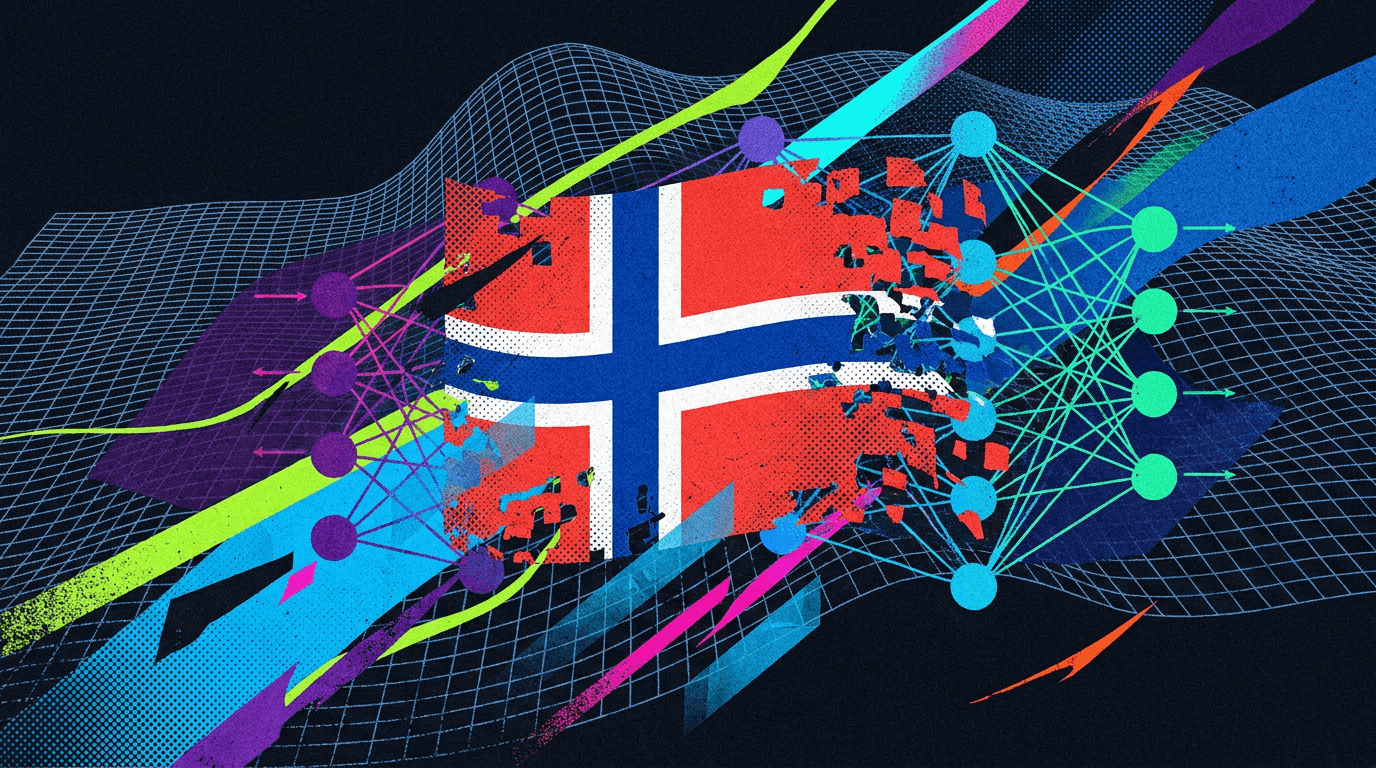
Norway is largely banning generative AI tools in elementary schools and restricting their use in secondary schools.
"The most important thing in school is that our children learn to read, write, and do math," Prime Minister Jonas Gahr Stoere said Friday, adding that "uncritical use of AI causes students to skip important learning steps." Stoere pointed to a decline in learning outcomes since around 2015 and holds smartphones, screens, and algorithms partly responsible.
The new rules take effect at the start of the school year in late August. Students in grades 1 through 7 (ages 6 to 13) generally won't be allowed to use AI. In lower secondary school (ages 14 to 16), AI tools can be used cautiously under supervision. Older students will learn how to use AI the right way.
The government also plans to pass a law requiring municipalities to provide physical teaching materials in schools, which means more books back in classrooms. Stoere said previous governments gave digital media too much weight. Norway had already banned smartphones in schools, given teachers more authority in the classroom, and is planning a social media ban for children under 16.
As early as 2024, Swedish researchers looked into the link between AI use and students' ability to learn. The results showed both opportunities and risks.