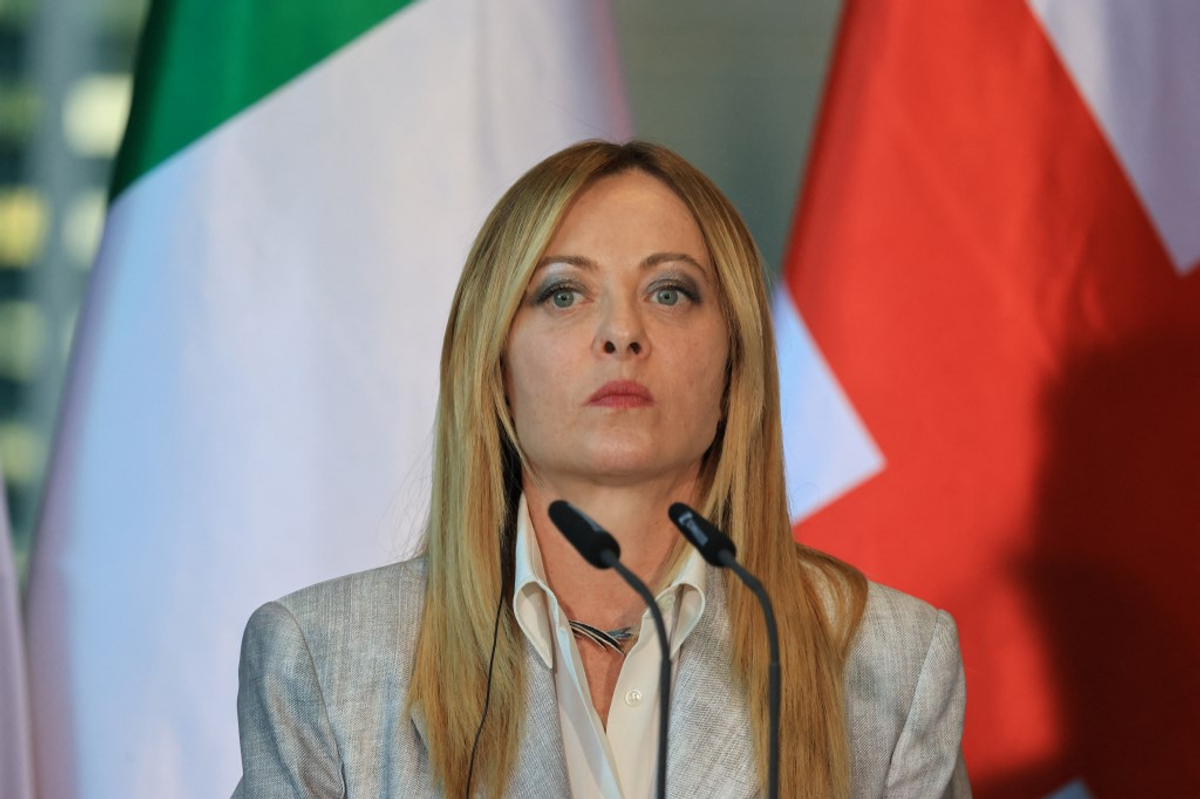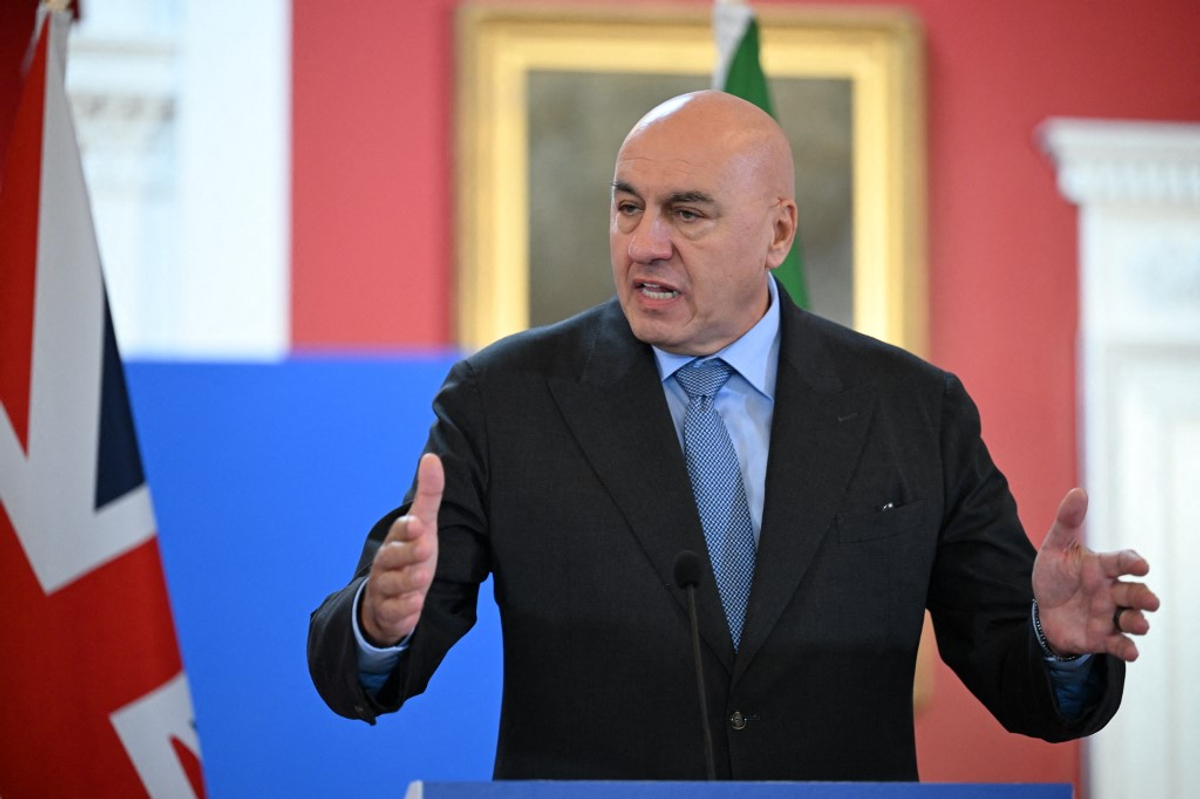
Italy has confirmed its stance, announcing it will not help finance the purchase of US-made weapons for Ukraine under NATO’S Prioritised Ukraine Requirements List (PURL). Defense Minister Guido Crosetto announced the decision in a speech to the Italian Parliament in Rome on Thursday, underlining Rome’s efforts to contain defense spending even as ally states step up funding for Kyiv’s air defense.JOIN US ON TELEGRAMFollow our coverage of the war on the @Kyivpost_official. “We have said no from the beginning, and it is still a no,” Crosetto said, despite last year’s announcement that Rome was warming up to the idea of taking part in PURL. However, he maintained the same stance throughout the course of the Russian war against Ukraine – that there were other avenues which could supply Ukraine with much needed military aid. Italy shifting defense spending plans Italy’s refusal to join PURL reflects a broader reluctance to rely on new European and transatlantic tools designed to boost defense spending. According to DefenseNews, Rome has signaled it is unlikely to make use of the EU’s NEC framework, which allows certain defense investments to be excluded from deficit calculations. “The decision to adhere or not adhere to SAFE cannot be taken by the Ministry of Defense,” said Crosetto, who is known to be in favor of taking out the loans. Italian Prime Minister Giorgia Meloni said Italy may not enter the EU’s SAFE loans program as well, which would have ensured €14.9 billion (about $17.1 billion) in loans for defense spending. She has argued that the government must prioritize easing the cost of living, particularly energy and fuel bills, ahead of upcoming elections next year – at times when higher military spending is unpopular with voters.
Rome Says ‘No’ to NATO’s PURL Program for Ukraine
Italy confirms it will not deliver any funds to NATO’s PURL program that finances US-made weaponry for Ukraine.
TL;DRAI
Italy rejects NATO's PURL weapons co-financing for Ukraine but pledges 2.8% GDP defense spending hike by July, including cyber and space technology. Italy's 2.8% target emphasizes cyber and space over traditional weapons, reflecting budget constraints that may affect defense tech contracts.
702 words~3 min read