AI’s next bottleneck is not the chips. It is the wiring between them.
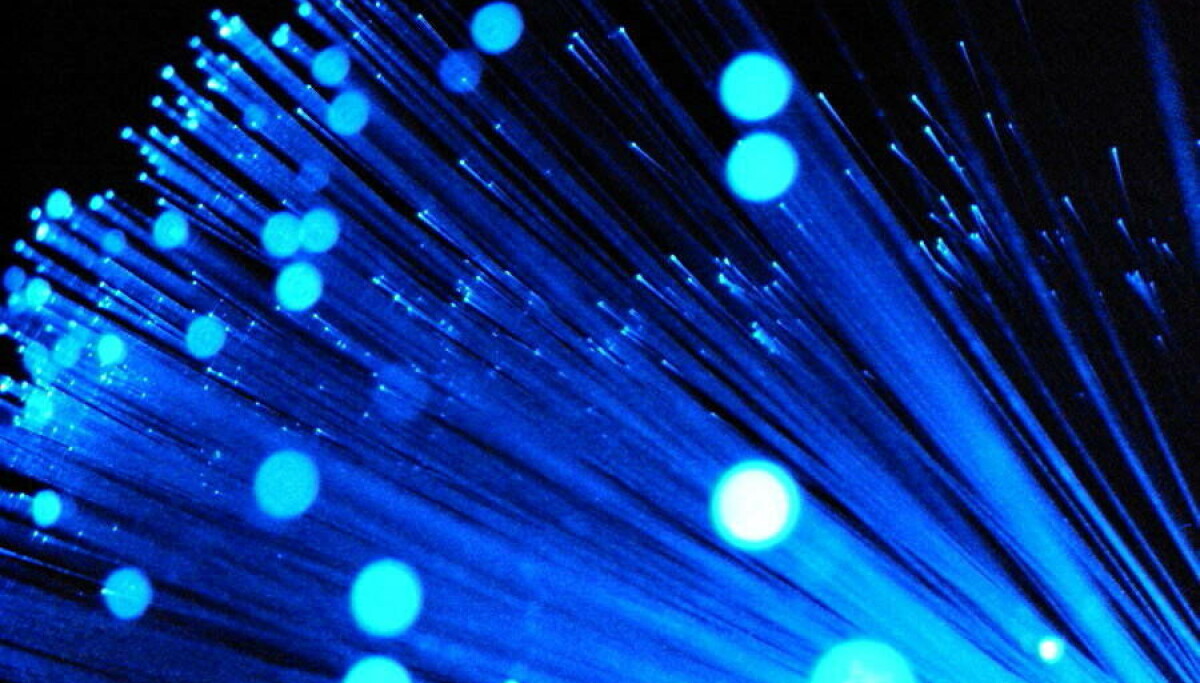
As clusters grow to hundreds of thousands of GPUs, the copper links that shuttle data between them are running out of road. So the industry is racing to move that traffic onto light instead.
HyperLight, a startup spun out of Harvard, has just raised $80mn to push its own version of that fix.
The Cambridge, Massachusetts company works on thin-film lithium niobate, or TFLN. It is a material prized for converting electrical signals into optical ones at very high speed, with low power and low loss. That is exactly what crowded AI networks need.
The 💜 of EU techThe latest rumblings from the EU tech scene, a story from our wise ol' founder Boris, and some questionable AI art. It's free, every week, in your inbox. Sign up now!Most rivals build their optics on silicon. HyperLight is betting that TFLN can do the job better, especially as link speeds climb. Its “Chiplet” platform is meant to cover everything from short data-centre hops to longer telecom links in one manufacturable design. Products at 200G per lane are shipping, and 400G-per-lane parts are sampling.