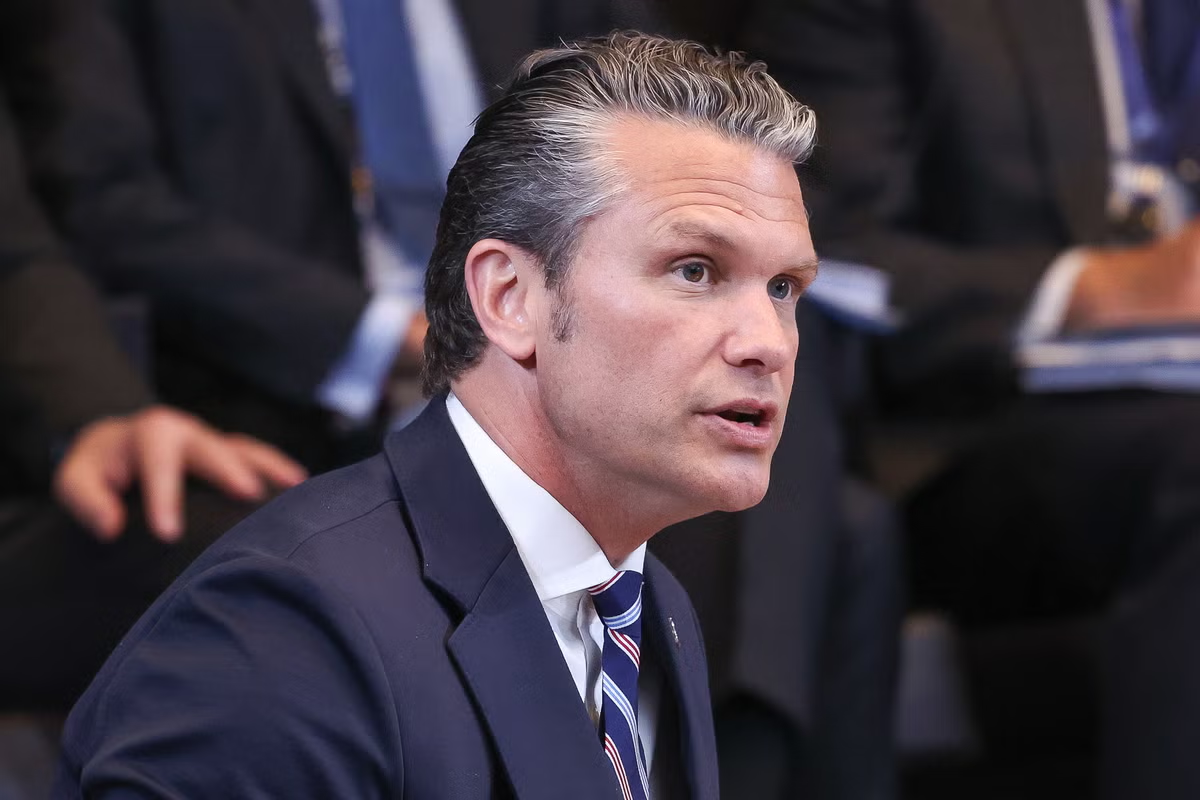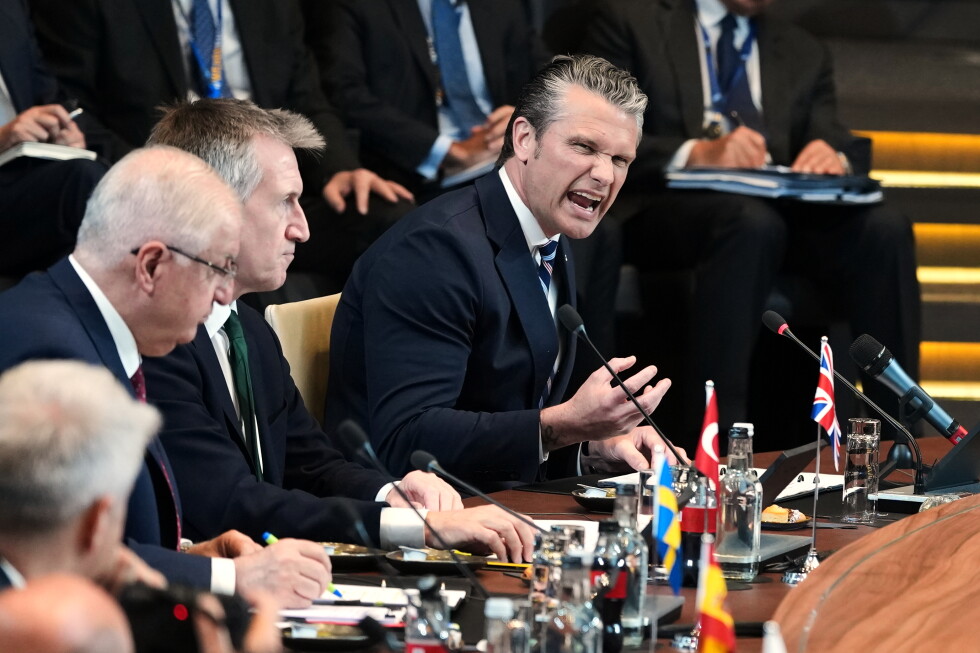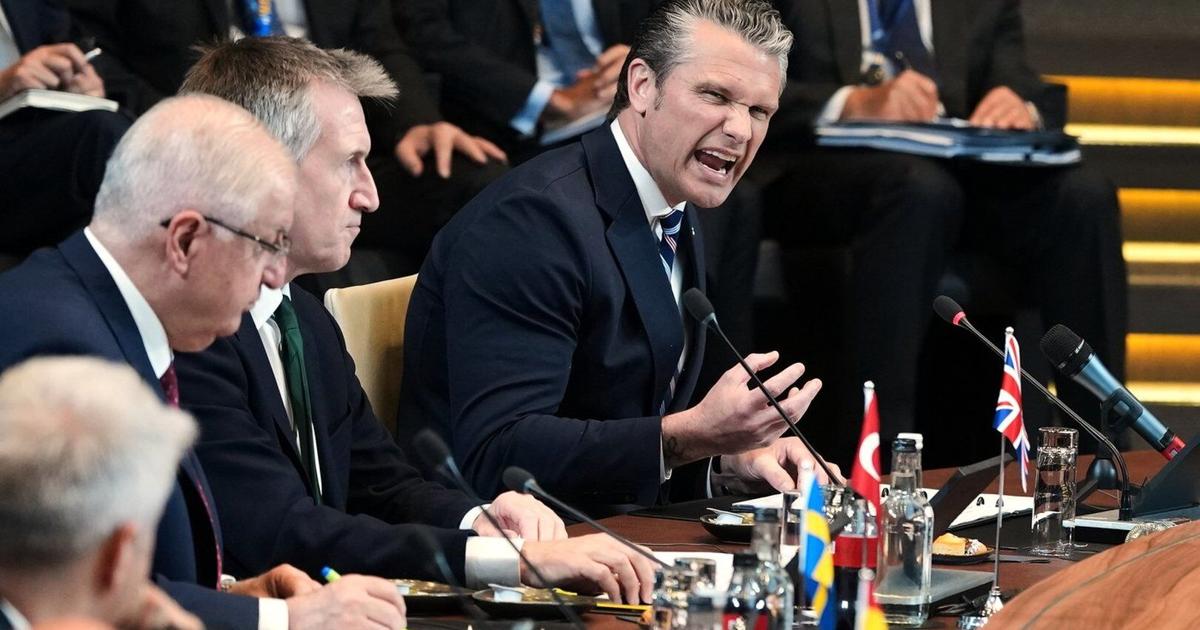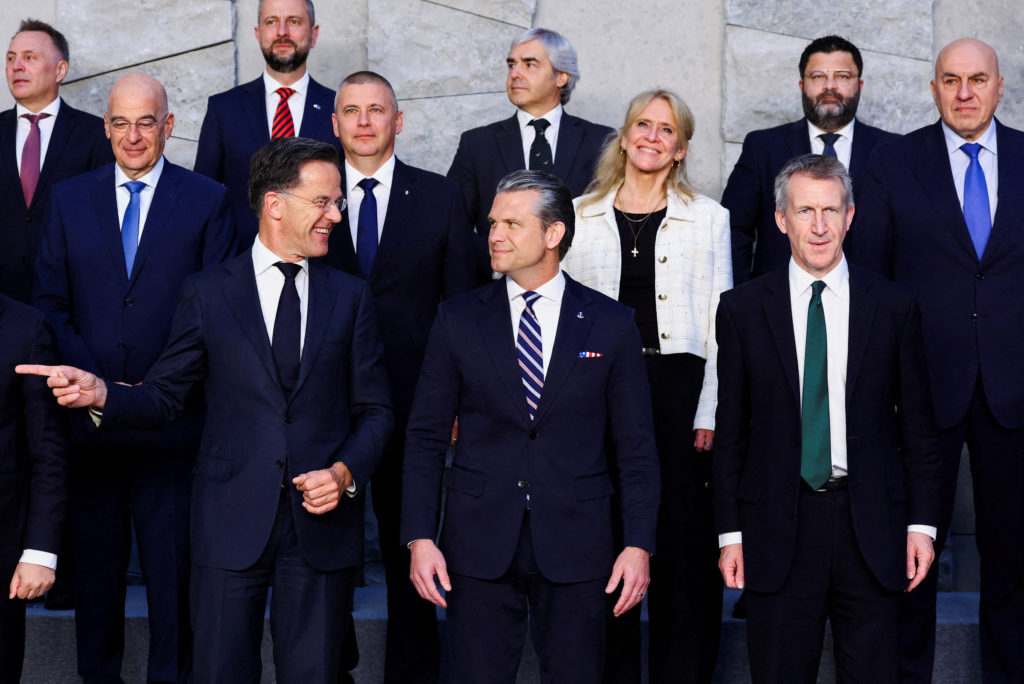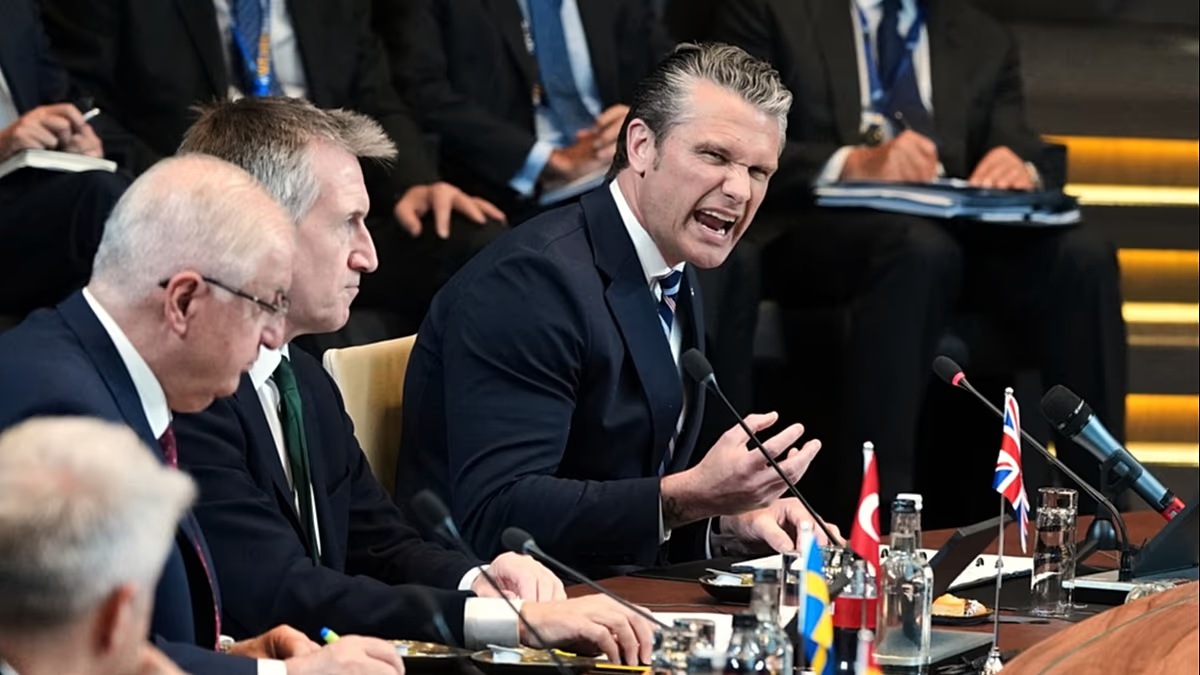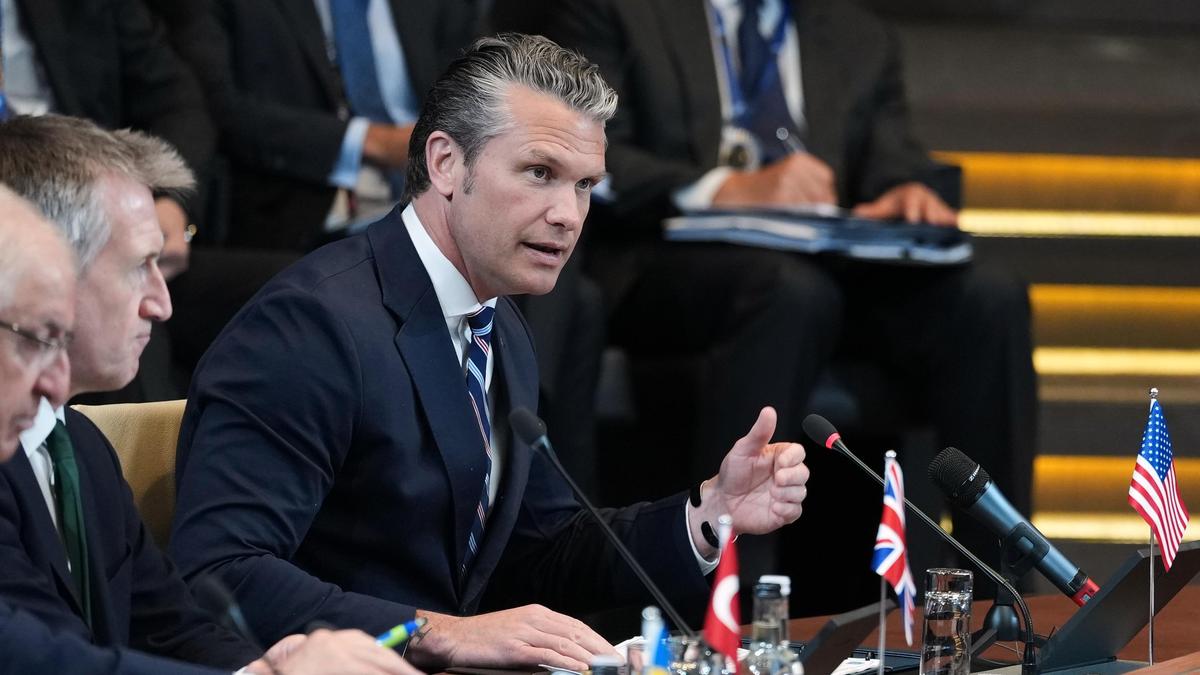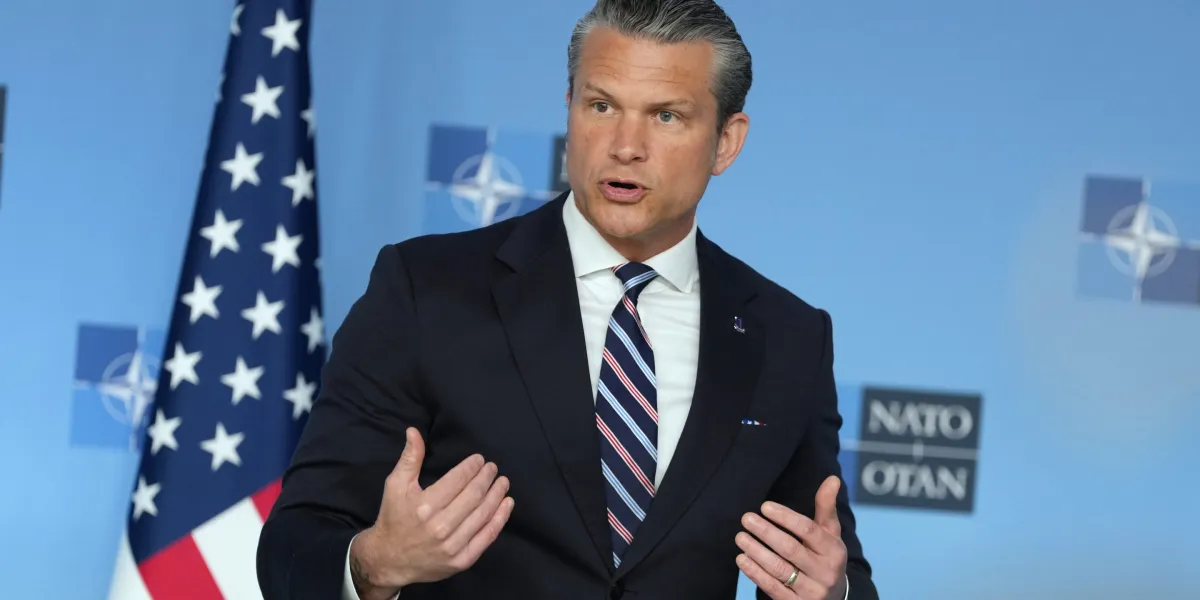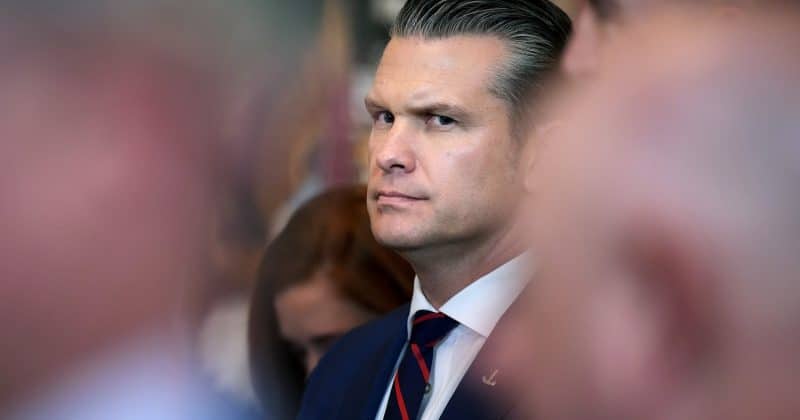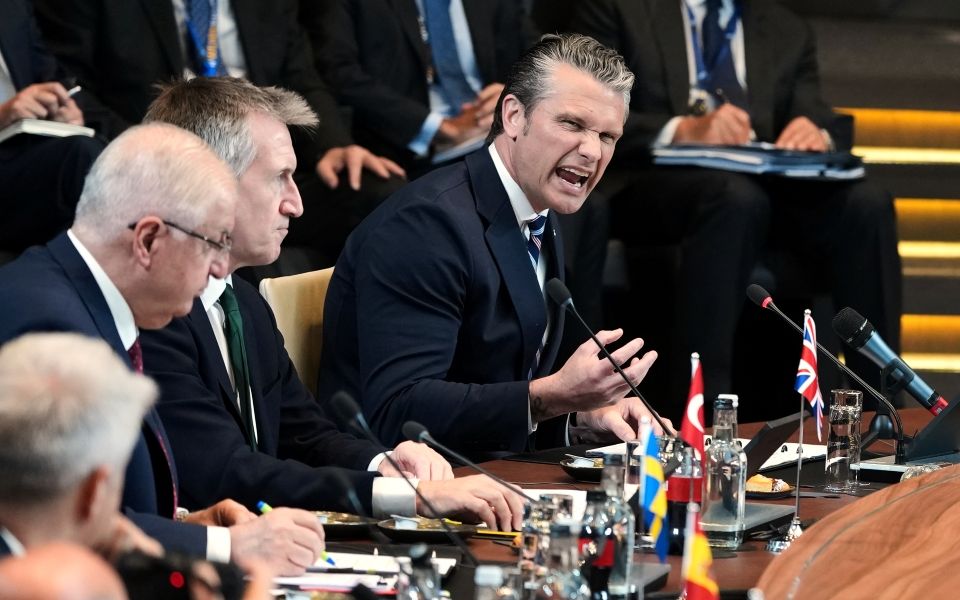
Hours after US Defense Secretary Pete Hegseth upbraided his NATO allies and announced a Pentagon review of their performance, the leaders of many European nations were assessing a check list of progress made on security priorities.
In essence, Hegseth was telling the Europeans things they already know.
The list included their hike in defense spending, investment in industry to boost the production of military equipment, best use of lessons learned from the war in Ukraine, and the need to buy or develop drones, air defense systems and long-range weapons.
At a summit ending Friday, they mulled how to put joint European Union funding to best use and cut red tape to speed purchases, weighed the state of “military mobility” to speed the deployment of troops and equipment, and upgrade ports and airports.
“Europe’s defense readiness must be decisively ramped up by 2030,” they reaffirmed. The list was not new, rather something they have developed since Russia’s full-scale invasion of Ukraine in 2022.