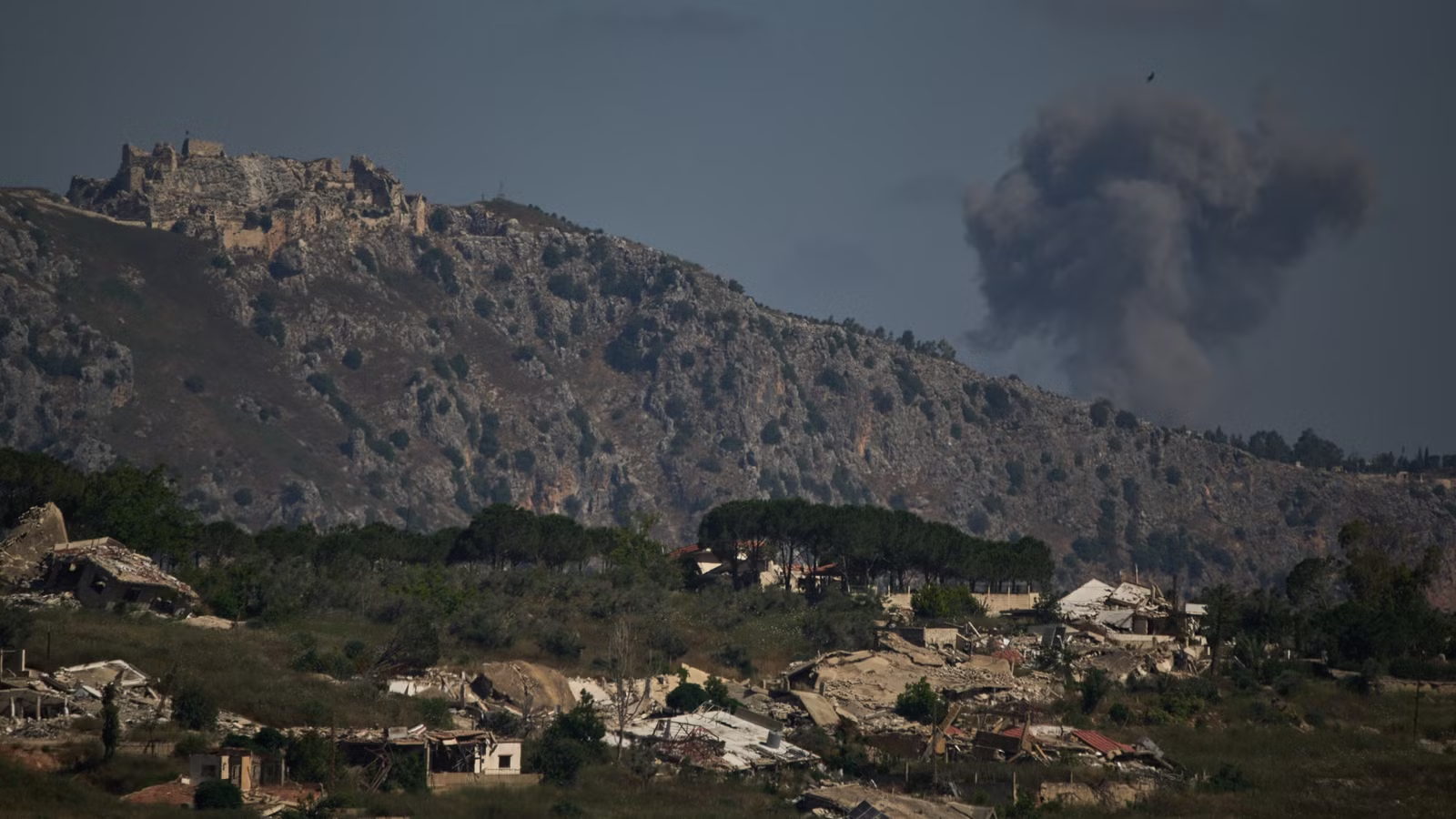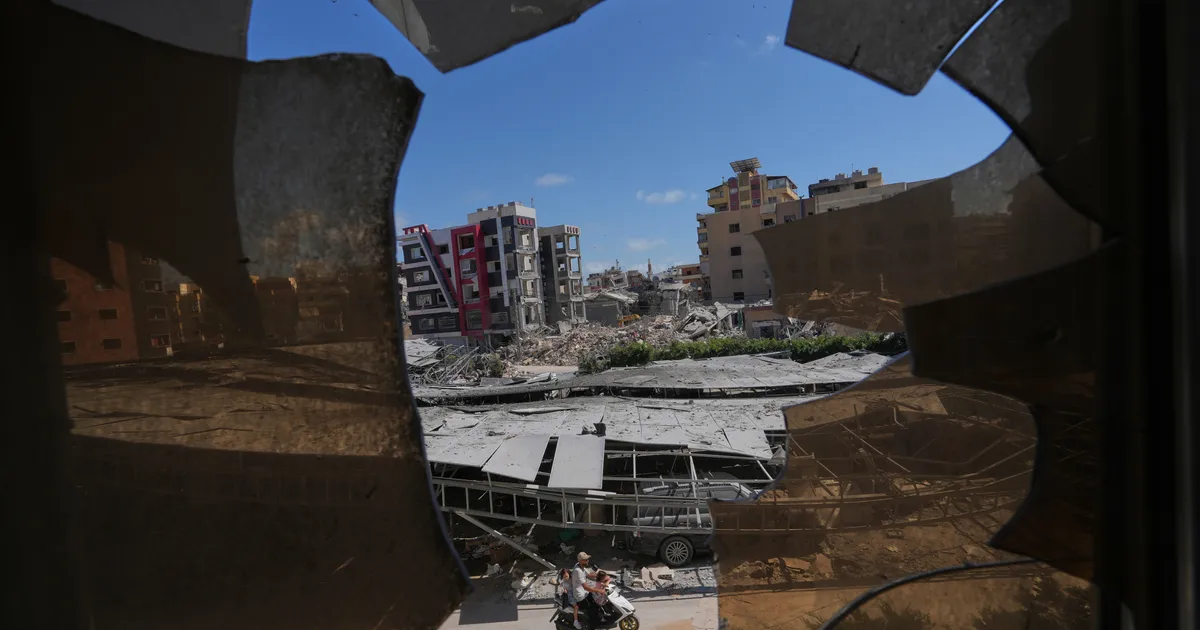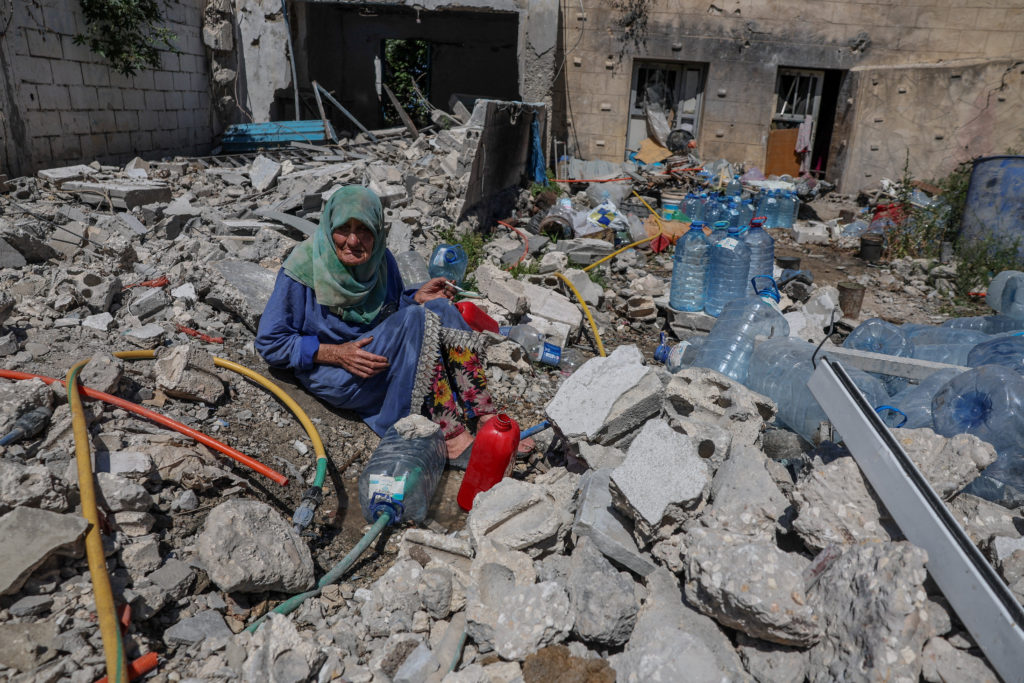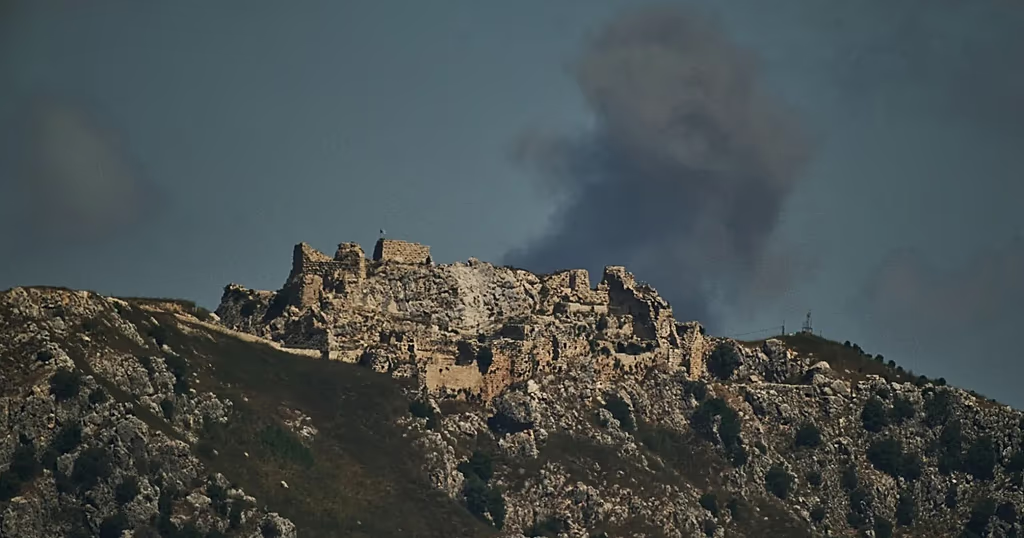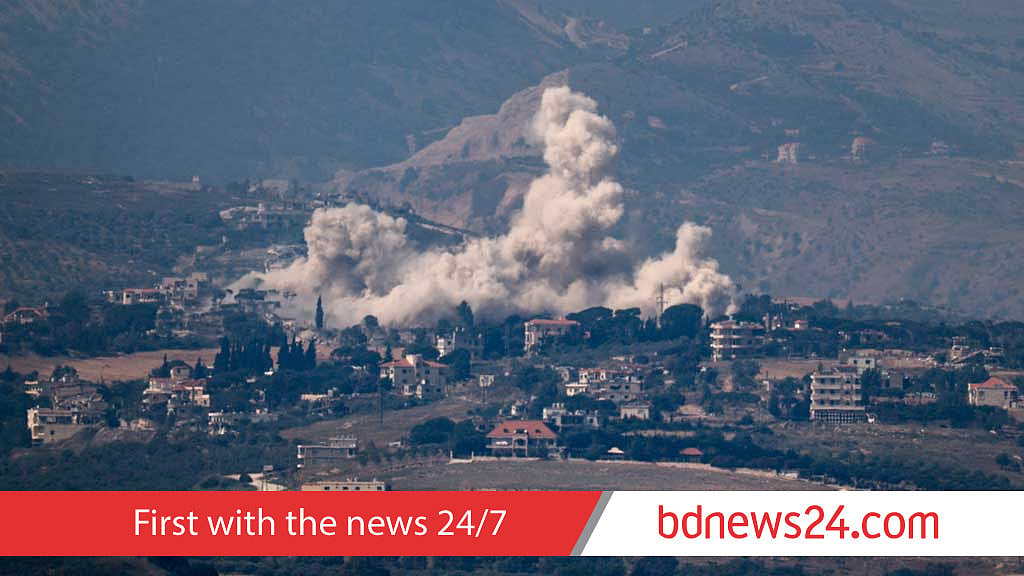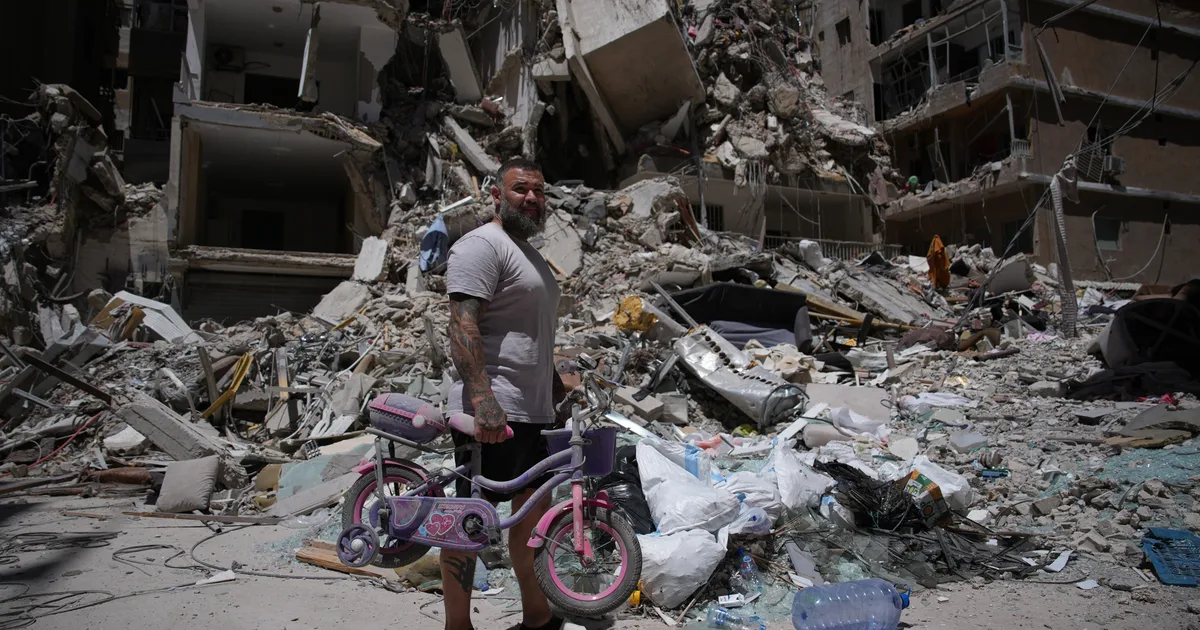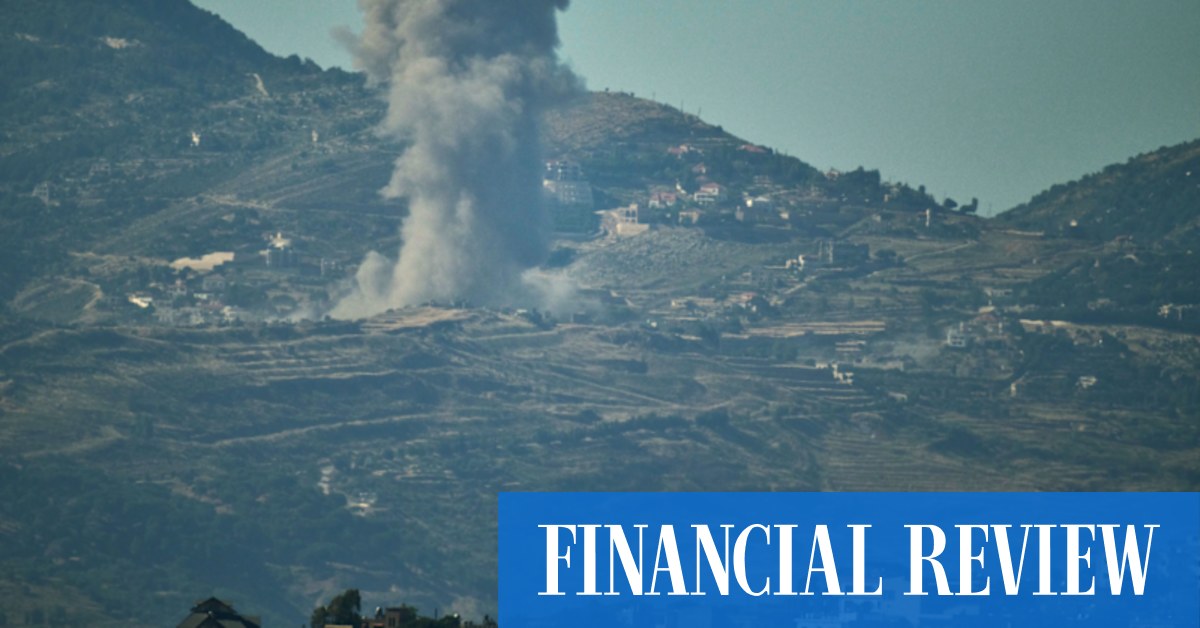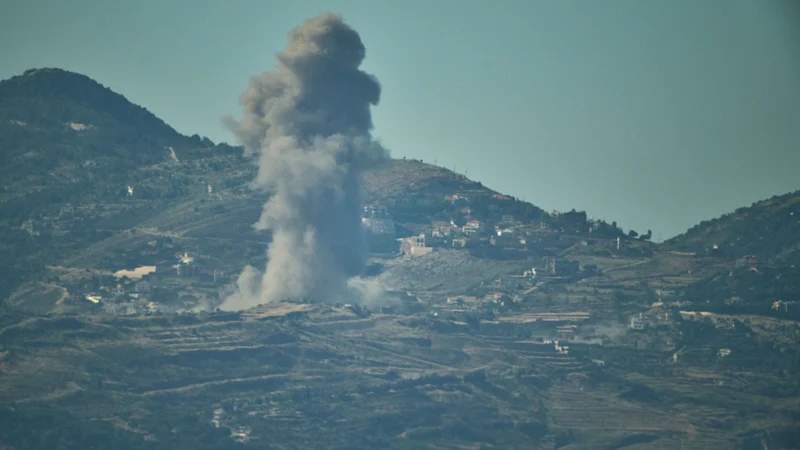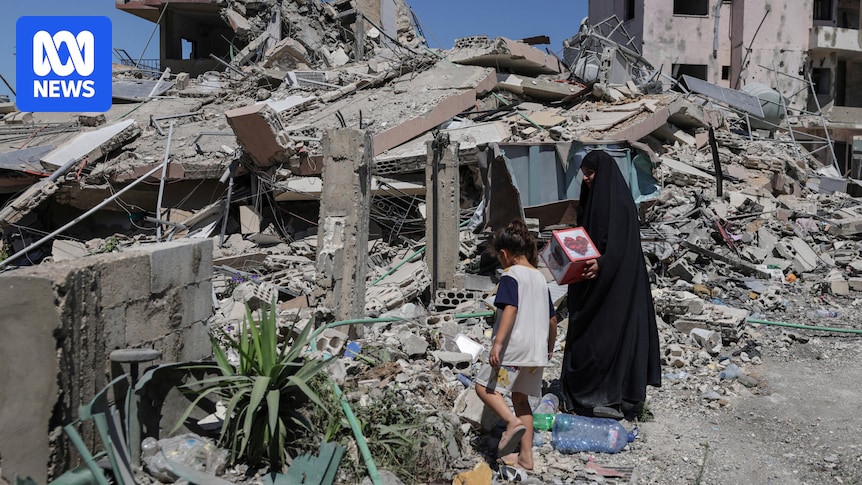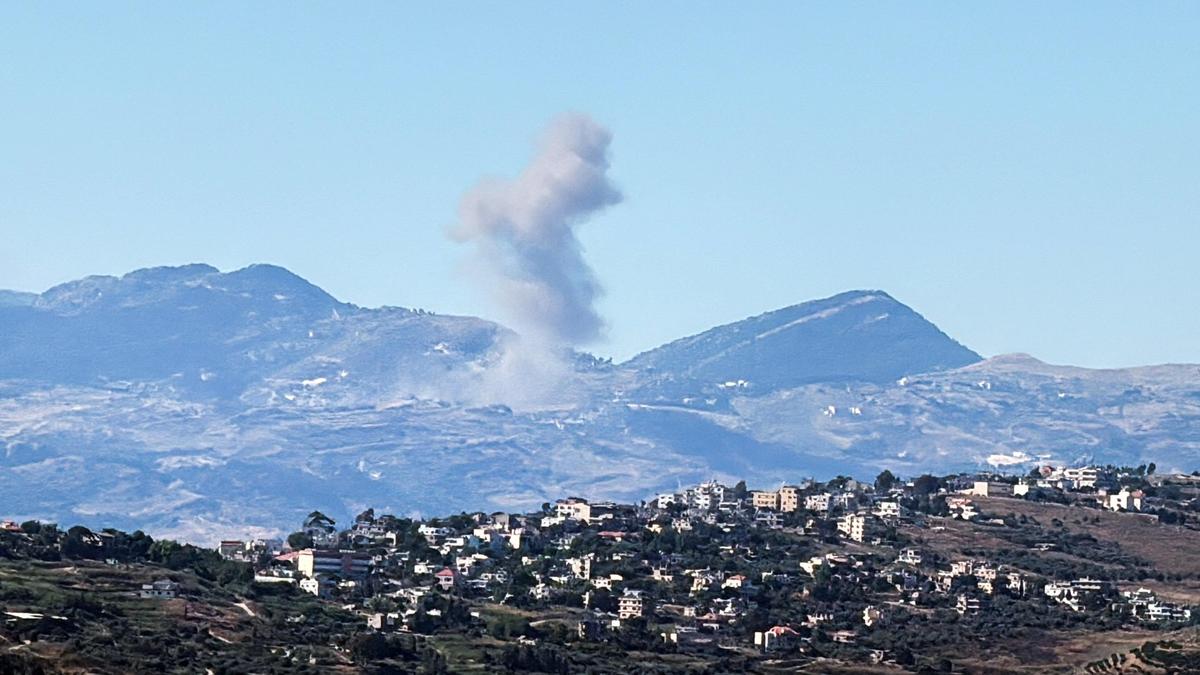
Talks between the U.S. and Iran were called off on Friday (June 19, 2026) after intense fighting between Israel and Hezbollah in southern Lebanon, officials said, raising questions about an initial agreement to end the war in Iran.Israel and the militant group later agreed to a ceasefire, three officials said.Word of the ceasefire came from two regional officials and a U.S. official. The truce was mediated by Qatar, the U.S. and Iran, the regional officials said. The three officials were not authorised to comment publicly and spoke on the condition of anonymity.A Hezbollah official said mediators attempted to implement a new ceasefire and that an agreement could be announced soon, but he stopped short of confirming it was in place. The official spoke on condition of anonymity because he was not authorised to comment publicly on the matter.Also Read | Israeli Minister says ‘all of Lebanon must burn’ after four soldiers killedIsraeli Prime Minister Benjamin Netanyahu's office did not immediately comment. Military spokesman Brig. Gen. Effie Defrin said the military has not received different instructions from the government. He said Israeli forces were operating in a “forward defence zone” and will continue doing so.Iranian and U.S. officials cancel travel to SwitzerlandIranian officials did not travel as planned to Switzerland, insisting that the fighting in Lebanon must stop before the talks can take place, according to three regional officials and a fourth person familiar with the matter who spoke on condition of anonymity to discuss sensitive conversations behind the scenes. U.S. Vice President J.D. Vance also postponed his trip.Israel's military struck targets in southern and eastern Lebanon overnight, and Hezbollah reported intense fighting. Lebanon's Health Ministry said at least 21 people were killed, and Israel said four soldiers died.Also Read | JD Vance slams Israeli officials who criticised U.S.-Iran deal, deepening rift between alliesThe conflict between Israel and the Iran-backed militant group is the most precarious part of the Iran deal. Neither Israel nor the militant group signed the agreement — but it is supposed to end their fighting, and Iran has signalled its willingness to risk renewed war in the region for the sake of its interests in Lebanon and its most important regional ally.The interim deal has halted hostilities in Iran and the Gulf and reopened the Strait of Hormuz, after Iranian attacks and threats all but stopped the flow of oil and natural gas through the waterway, creating a global energy crisis.But future talks are supposed to bring about a permanent end to the conflict, including addressing how to restrict Iran's nuclear program — the core issue over which Israel and the U.S. went to war on February 28.The fighting in Lebanon could unravel the dealThe Israeli military said four soldiers, including a lieutenant colonel, were killed in an attack on a tank in a village near the southern Lebanese city of Nabatiyeh. An explosive drone attack wounded another five, it added.Israel then launched multiple strikes against “Hezbollah infrastructure sites” in Nabatiyeh and other areas, according to a military statement, which accused the militant group of “blatant ceasefire violations.” Later, the military said it also struck targets in the Bekaa Valley in eastern Lebanon, with Lebanese media saying the village of Douris was hit.“Israel will not tolerate attacks on our soldiers or on our territory, and it will exact a very heavy price from Hezbollah for these attacks,” Mr. Netanyahu said in a statement.Also Read | The U.S.-Iran ‘peace deal’ confronts spoiler Israel Hezbollah acknowledged targeting Israeli tanks and said its attacks were in response to what it called Israel's own violation of the ceasefire. It said the attacks came after Israeli forces attempted to reach the northern side of Ali al-Taher hilltop, a strategic point that overlooks Nabatiyeh and that Israeli troops have been trying to capture.In southern Lebanon, many were forced to flee their villages.“The situation is lawless, we couldn't stay,” said Mustafa Zain, who was with his six daughters in a pickup truck.Beyond the fighting, Israel's occupation of large swaths of southern Lebanon is also a sticking point. Iran insists Israel must withdraw, but Netanyahu has said that forces would remain in a “security zone” of southern Lebanon as long as “Israel's security needs require it.” Israel's actions have created a rift between Israel and the US, with Trump becoming increasingly critical of his close ally Netanyahu, who is also facing increasing criticism at home.Iran says it is consulting with mediatorsIranian officials baulked at starting the talks with Vance in Switzerland because of the Israeli action in Lebanon, according to the person familiar with the White House and Iranian positions.It was conveyed to Iran that Israel is ready to move on, and it's up to Hezbollah to stop carrying out attacks, the person added.Earlier, the White House blamed logistical issues when Mr. Vance put off his trip.On Friday (June 19), Iranian Foreign Ministry spokesperson Esmaeil Baghaei said consultations through mediators were ongoing regarding the next phase of negotiations to draft a final agreement. Because the initial deal was signed digitally earlier this week, the talks in Switzerland were not urgent, and plans were underway to hold a meeting in the coming days, he said.
Talks between U.S., Iran called off because of fighting in Lebanon, officials say
U.S.-Iran talks were canceled amid escalating fighting in Lebanon, raising concerns over the fragile ceasefire and regional stability.
859 words~4 min read