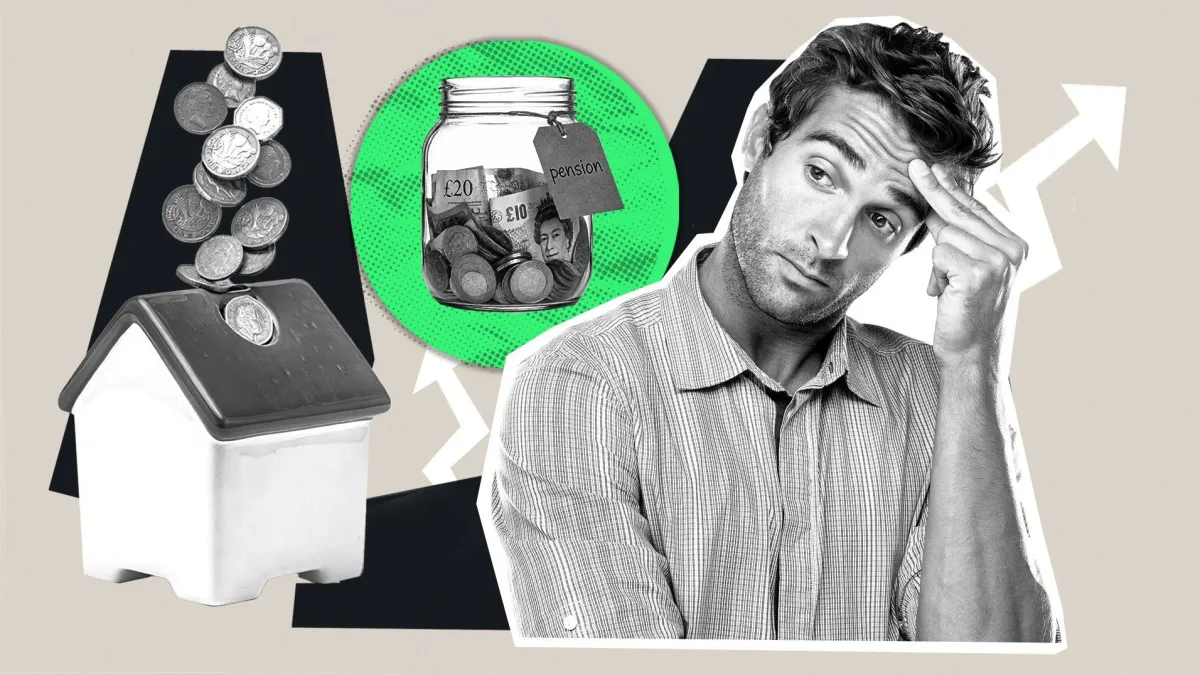
It can take years to build up the courage to walk away from a failing marriage or quit a toxic job. But if you’re serious about making a life-changing getaway, having a decent pot of money stored up can help you take the leap. A ‘freedom fund’ can be vital in helping you set up your new life, particularly if you plan to leave your husband or wife, and move out of your family home.Top divorce lawyer Vanessa Lloyd Platt says: ‘It’s a very good idea to have a fund and it puts you streets ahead, especially if, for example, your husband stops paying for everything when he finds out you want a divorce. It can take a while before you get to court and gain access to the money. With money behind you, you can take legal advice and afford to pay for things for you and your children.’The amount you’ll need depends on your circumstances. You may need enough to pay for a deposit on a flat and the first few months’ rent or you may need enough to cover your share of daily expenses until you find a new job. But as a rule of thumb, financial experts recommend having six months of earnings stashed away for a rainy day. Top divorce lawyer Vanessa Lloyd Platt says: ‘It’s a very good idea to have a fund and it puts you streets ahead, especially if, for example, your husband stops paying for everything when he finds out you want a divorceThe Mail on Sunday’s Wealth section has spoken to experts to devise the ultimate financial escape plan. This aggressive savings strategy focuses on amassing a savings pot worth £15,814 – six months of average take home pay – to buy you time to get back on your feet.Depending on your sense of urgency, financial circumstances and willingness to cut back on spending, you can achieve this in as little as one year with our savings plan.Here’s how to get started...Cut back on monthly outgoings and you’ll soon save a small fortuneYou might think there’s no flexibility in your budget to help you build an extra £15,814 in savings, but going through your outgoings with a fine-tooth comb is likely to reveal some slack in the system that may surprise you.The first step is to see where you can cut back on your spending to make savings you can set aside each month.Household bills and mobile phone bills are a great start. If you’re out of contract on your mobile phone, switch to a no-handset deal to save as much as £50 a month using budget providers such as Giffgaff and Lebara.Contracts that include paying off top handsets come in at about £55 a month, according to comparison site Uswitch, while a decent Sim-only deal comes in at £5 for the introductory period.Tackling your broadband contract at the same time is often an easy win. Figures from Broadband Switch suggest the average family saves £250 a year from switching to another provider by using comparison sites.Since 2024, switching rules known as ‘one touch’ for broadband mean you don’t have to cancel your old contract yourself – your new provider should do it for you – and the process should be simple. The first step is to see where you can cut back on your spending to make savings you can set aside each monthSwitch your television streaming subscriptions to a rotating model to save even more. Instead of running Netflix, Disney Plus and Amazon Prime simultaneously, move to a model where you switch streaming site every three months. If you run Netflix for the first three months, then Disney, then Amazon, then Netflix again for a year you’ll save £170 compared with if you paid for all of them at the same time.That assumes you’re on the basic tier for each – you’ll save £248 if you’re on the ad-free versions.And swap a weekly takeaway (£45) for a ‘fakeaway’ – a homecooked version of a restaurant meal (£15). You’ll save £30 a week and £1,560 over a year.While you’re sorting out your budget you may find other ways to save. Check whether you would save money with a water meter. If you have more bedrooms than people in your home you’re likely to do so. This typically saves between £100 and £150 a year for smaller households (while larger households are unlikely to save money with a meter).You may also be able to save hundreds more if you move to a discounted energy rate from a standard variable tariff governed by the energy price cap, which rises 13 per cent to an average of £1,812 a year in ten days.Swap coffees on the go for a thermos flask prepared at home, and pack lunches where you can. Building your escape fund as quickly as you can is a matter of making smart choices and putting the savings from them to work as soon as you canAlan and Katie Donegan, who started saving £100 a month and turned it into £1million in just five years, say that changing your mindset can help you to see your decisions as a luxury.The pair said they were on modest salaries when they started, but they ramped up the amount they were putting aside each month, living as carefully as possible.They also took on extra contracting work to increase earnings. Thanks to their extreme budgeting, they were able to retire in 2019 when Katie was just 35 and Alan 40.Alan says: ‘We had a very clear purpose to what we were doing. We weren’t doing it for the sake of being frugal and minimising spending. We were buying our freedom.‘We used to just literally repeat, “buy your freedom first”,’ he says. ‘If we looked at stuff, I would ask, Do I want this thing, or do I want freedom? And if I actually wanted the thing, I was allowed to buy it, but most of the time I decided freedom was more important.’Feeling social pressure to spend? Clare Stinton, personal finance expert at investment group Hargreaves Lansdown, advocates avoiding social pressure by taking a tip from the Gen Z ‘loud budgeting’ trend which suggests being upfront and vocal about your new frugal lifestyle rather than trying to hide what you’re doing.‘It’s less about affordability and more about setting boundaries to protect what matters to you. It flips the script on ‘keeping up with the Joneses,’ replacing peer pressure with boundaries and intention,’ she says. The most important thing is to direct all of these savings into a separate account for your escape fund, as otherwise they will disappear into everyday spending‘Importantly it empowers you to say no,’ she adds. ‘Being honest with your friends and family about your limits makes it far easier to live within your means, so you’re less likely to overspend or take on debt to keep up with others.’The most important thing is to direct all of these savings into a separate account for your escape fund, as otherwise they will disappear into everyday spending. The tips above could save £600 a year from switching phone contracts, £250 a year from a broadband switch, £248 a year from a streaming switch and £1,560 substituting your takeaways.Over a year, that amounts to £2,658 – or more if you’re willing to give up unnecessary expenses like takeaway coffees too.Boost your income to really get savingCutting back is one way to build a freedom fund but if you’re serious about it you can also boost your savings by making some extra cash.There are valuable tax breaks you can make use of to do this. There are three key allowances you should know about to get closer to your £15,814 pot. You can use them all if you’ve got space, tolerance and imagination.The first is you can make £1,000 of income from casual trading without paying any tax. One popular way of raising some easy cash is by selling old clothes or possessions on secondhand shopping platforms such as Vinted, eBay or Depop. You could also boost your earnings by dog sitting or walking, babysitting, taking on a few extra shifts or tutoring in the evenings.If you have a spare room, consider making use of the Rent a Room Allowance, which allows you to rent out some or all of your primary home and receive up to £7,500 a year without paying tax.You could rent a spare room to a lodger long-term, host a lodger Monday to Friday or rent out your whole home on platforms such as Airbnb for short-term use when you’re on holiday, for example.You can’t use the allowance for self-contained annexes, you can’t charge separately for extras such as laundry or food, the property must remain your main home, and you must get a landlord’s agreement if you’re renting the property yourself.Another useful allowance is the Property Income Allowance, which allows you to use other parts of your property to generate tax-free income at the same time as the Rent a Room Allowance. This allows you to rent out a driveway on JustPark.com, for example, or a storage space in your loft with apps such as Stashbee or Storemates. You can make another £1,000 tax free in this way.The more of these you can use in a year, the quicker you will supercharge your escape plan.Laura Suter, director of personal finance at AJ Bell, says that many people are missing out on these ways to top up their income.‘Households are overlooking completely legitimate ways to earn tax-free income, simply because they don’t realise what’s available,’ she says. ’A little bit of knowledge about how the tax system works can go a long way.‘These allowances and exemptions are designed to help people make the most of their money.’Use even some of these allowances and your escape fund could stack up fast. Rent out a room in your house for £80 a night on Airbnb and you’ll keep £77.60 of it, so if you do this twice a week on average but with six weeks off a year you’d end up with £7,139.According to JustPark, the average you can make for renting a driveway in quiet areas is £75 to £90 a month, rising to £100 in certain commuter spots, while your loft could make you £40 a month on Stashbee.Add in 45 hours of tutoring a year on a platform like Tutorful where the average earned is £22 an hour and you’ll have a further £990. That comes to about £9,500 a year towards your fund if you can use all allowances.Be flexible with your timeframesThe easy wins, tax breaks and regular savings accounts above would build you the full £15,814 escape fund in 15 months. To build it in exactly a year you’d need to find a further £238 a month.Cancelling gym memberships, saving on takeaway coffee or upping your weekly tutoring or number of Airbnb guests could help you to hit the target, but you could also choose to be flexible with timeframes and wait a little longer for your fund to be ready.If you’ve got three years to hit your goals, you could put away £395 into regular savers each month and hit £15,814.Meanwhile, if you’ve only got £100 a month to spare, you’ll still get your escape fund eventually, but it will take nearly a decade (9.5 years) to do so.Building your escape fund as quickly as you can is a matter of making smart choices and putting the savings from them to work as soon as you can.Finally, if you’re in a particularly toxic situation, you may not be able to wait until you have a perfect escape fund in place. The priority may be to extricate yourself as quickly as possible.
Guide to building a £15k 'escape fund' from your job or marriage
Ultimate guide to building an 'escape fund' to quit your job or marriage: This is exactly how you can grow a £15,000 savings pot in as little as a year using our expert four-step method
1,956 words~9 min read