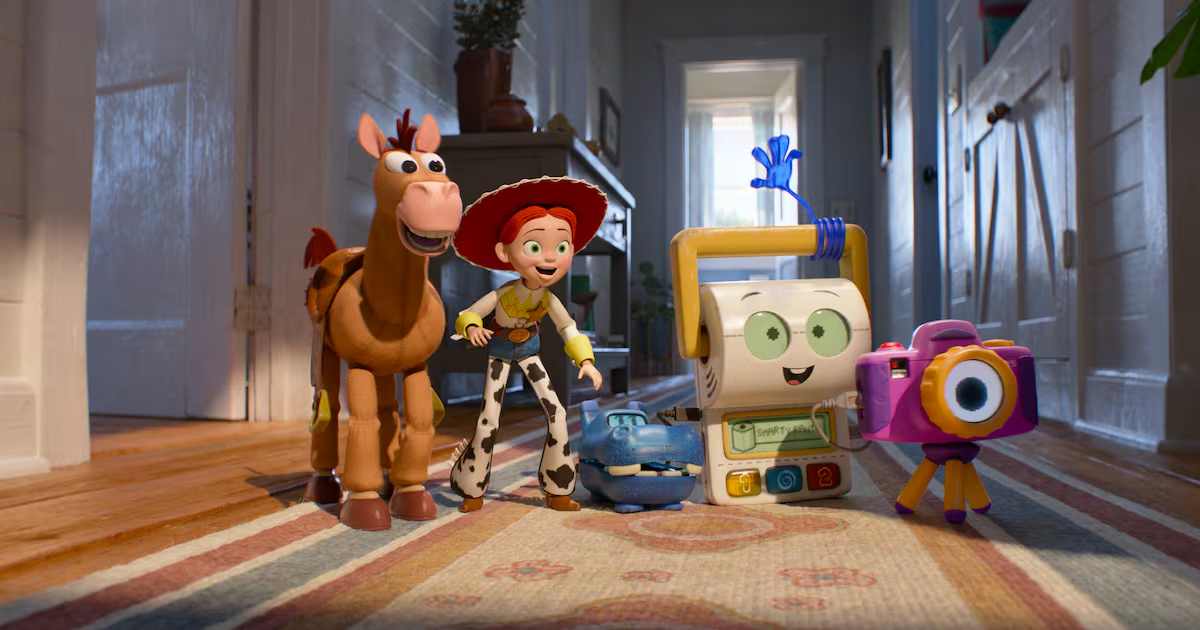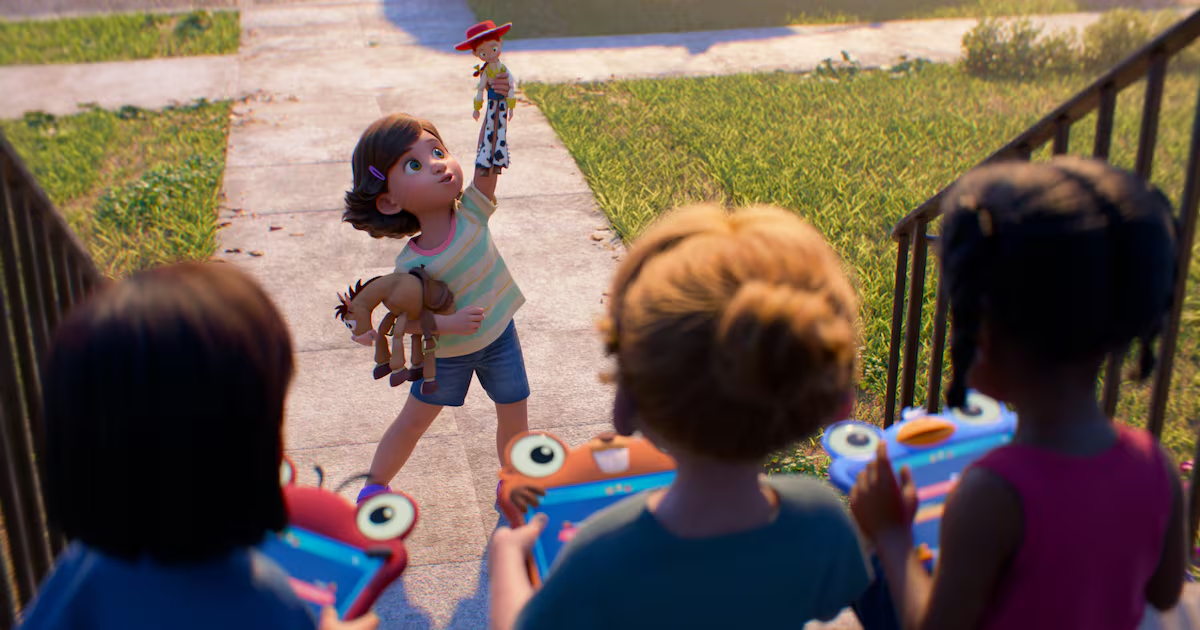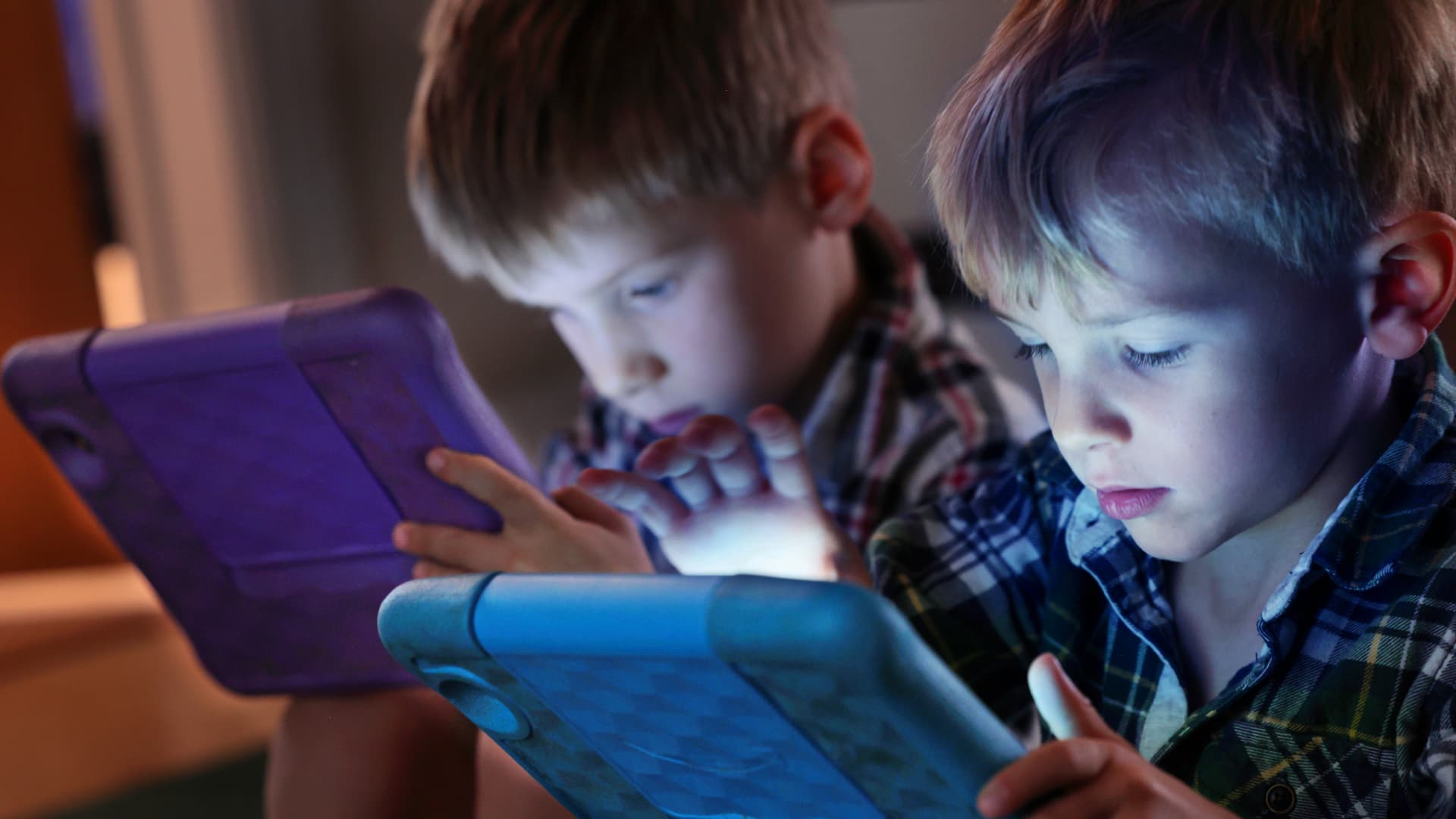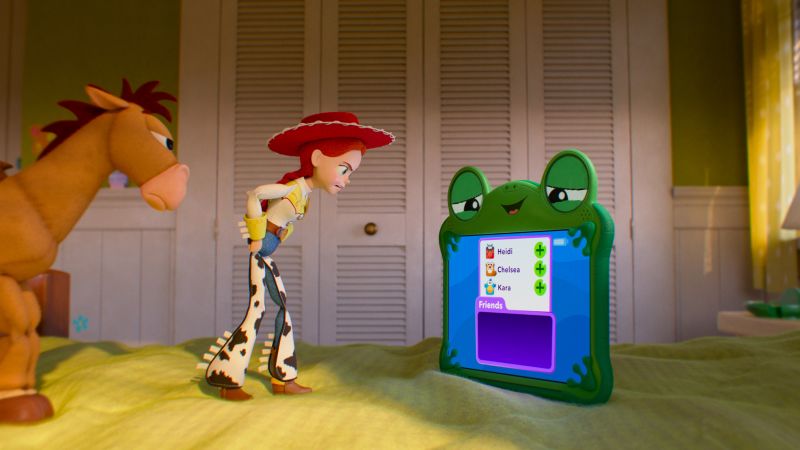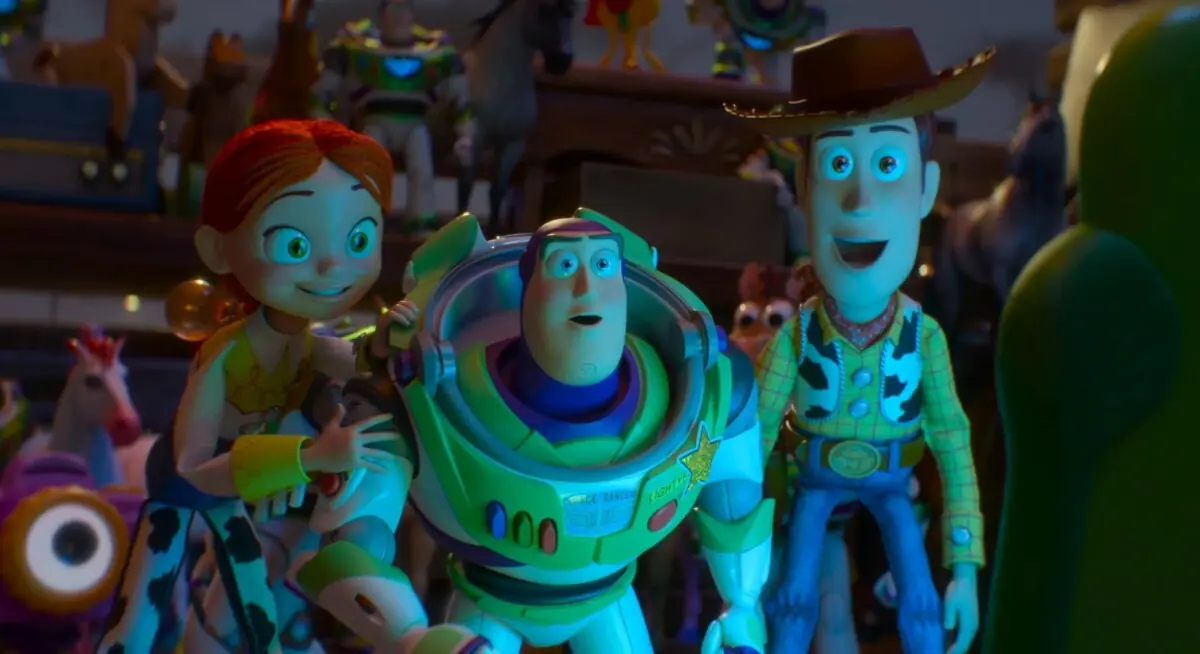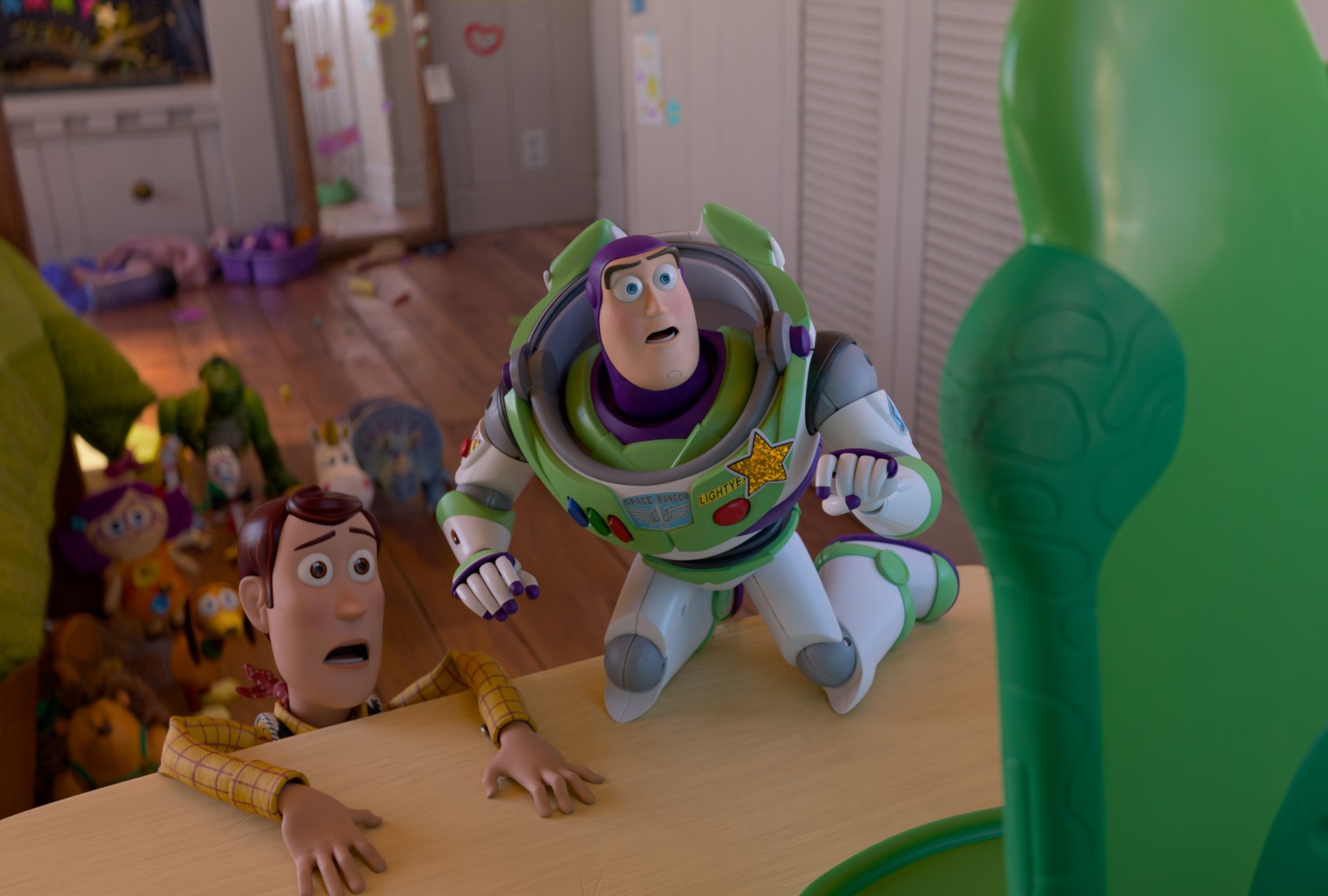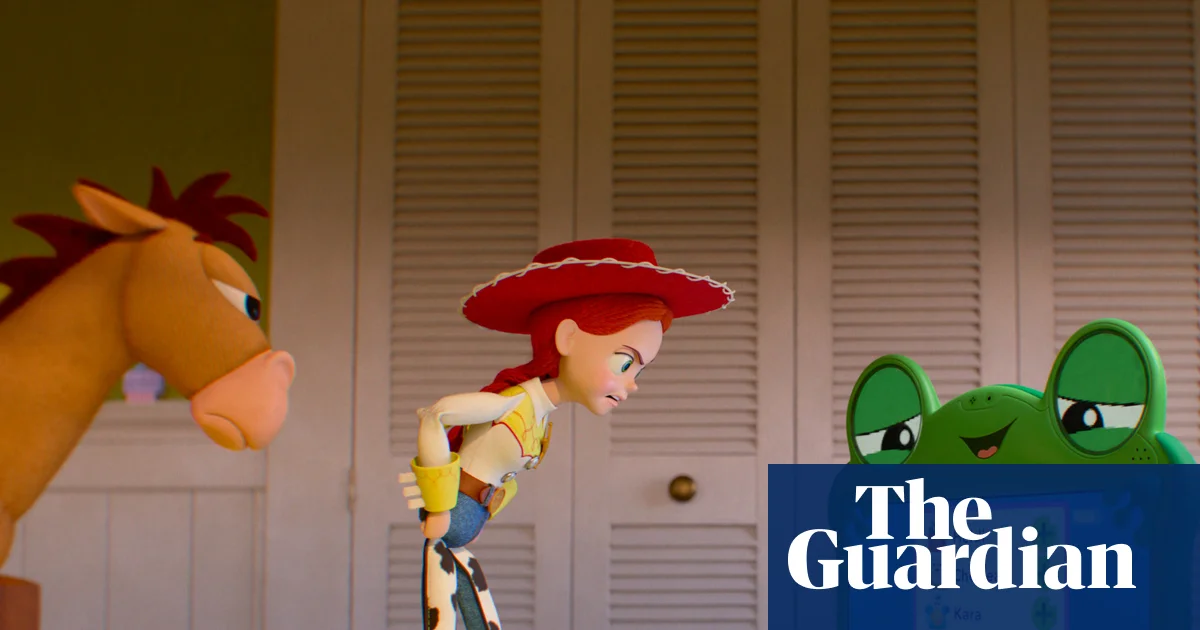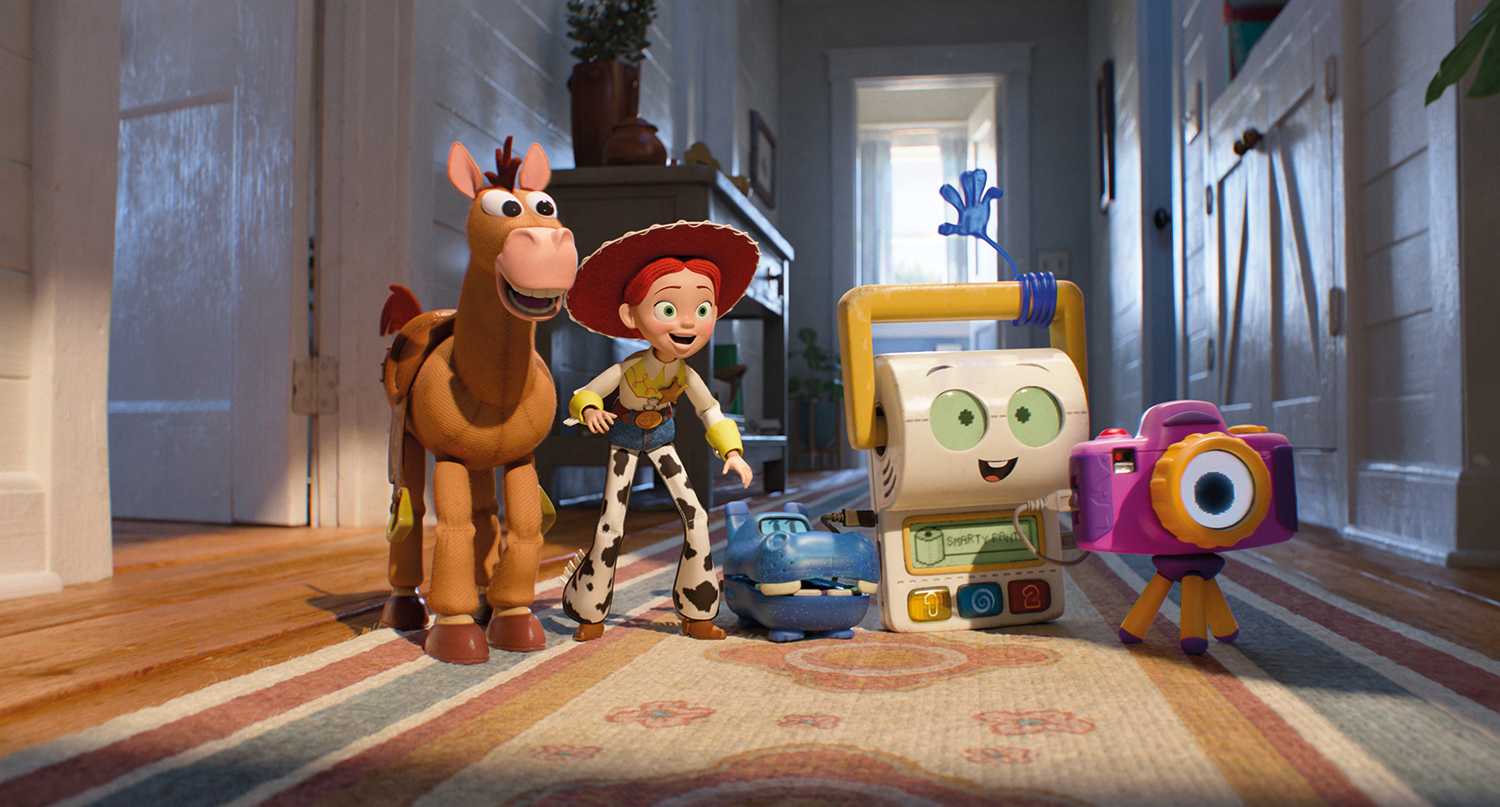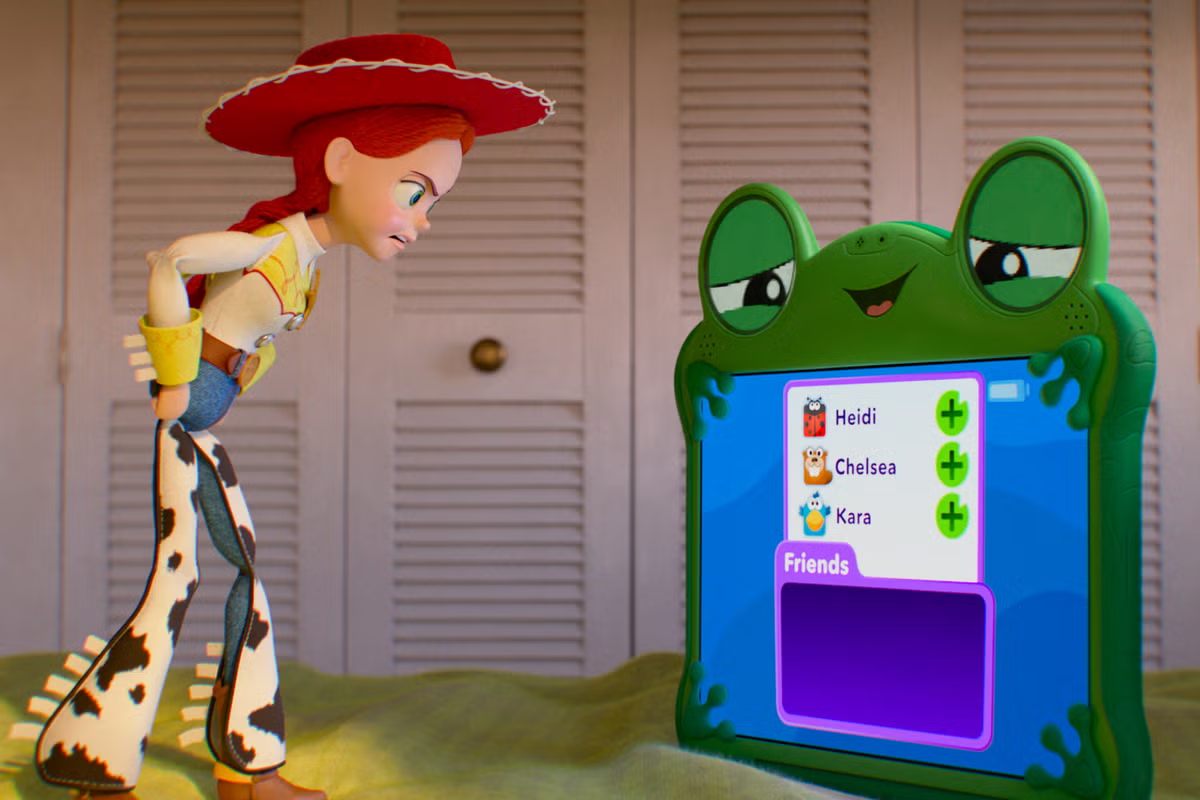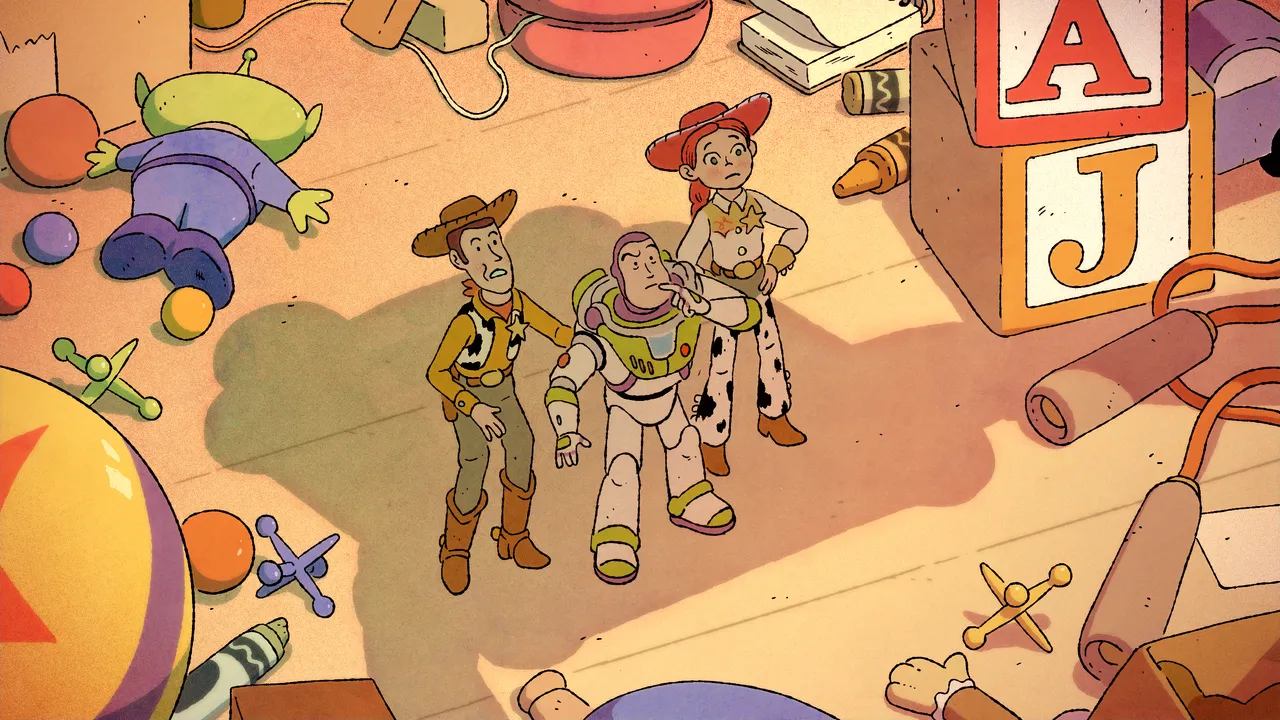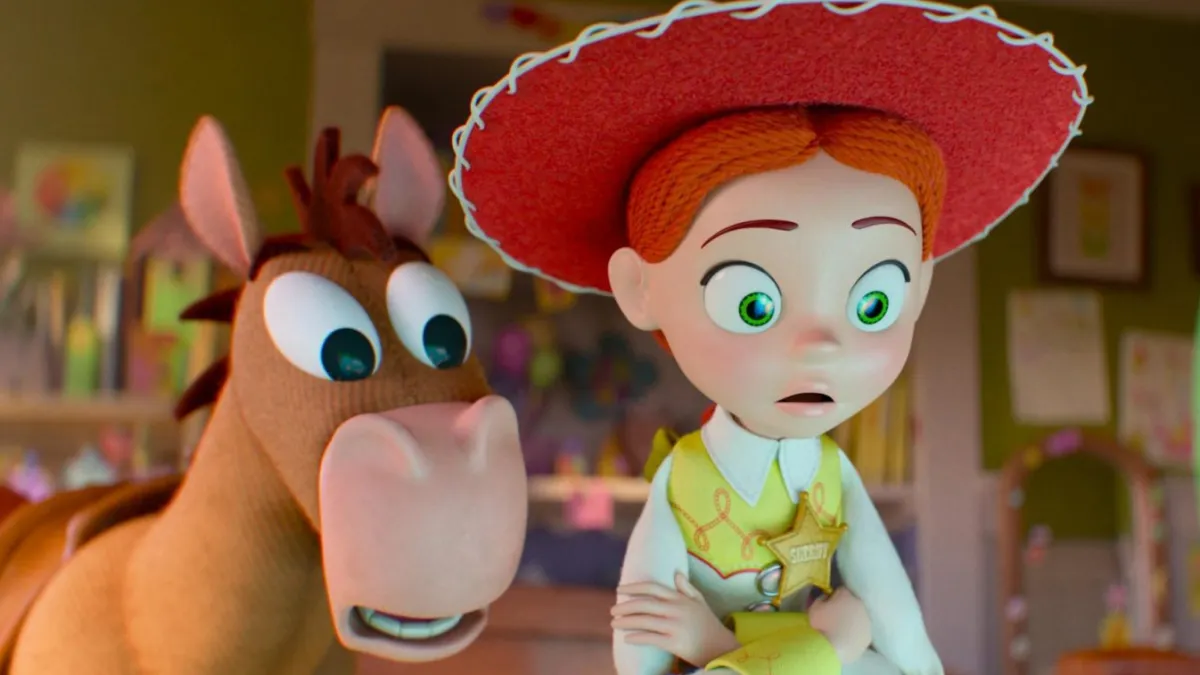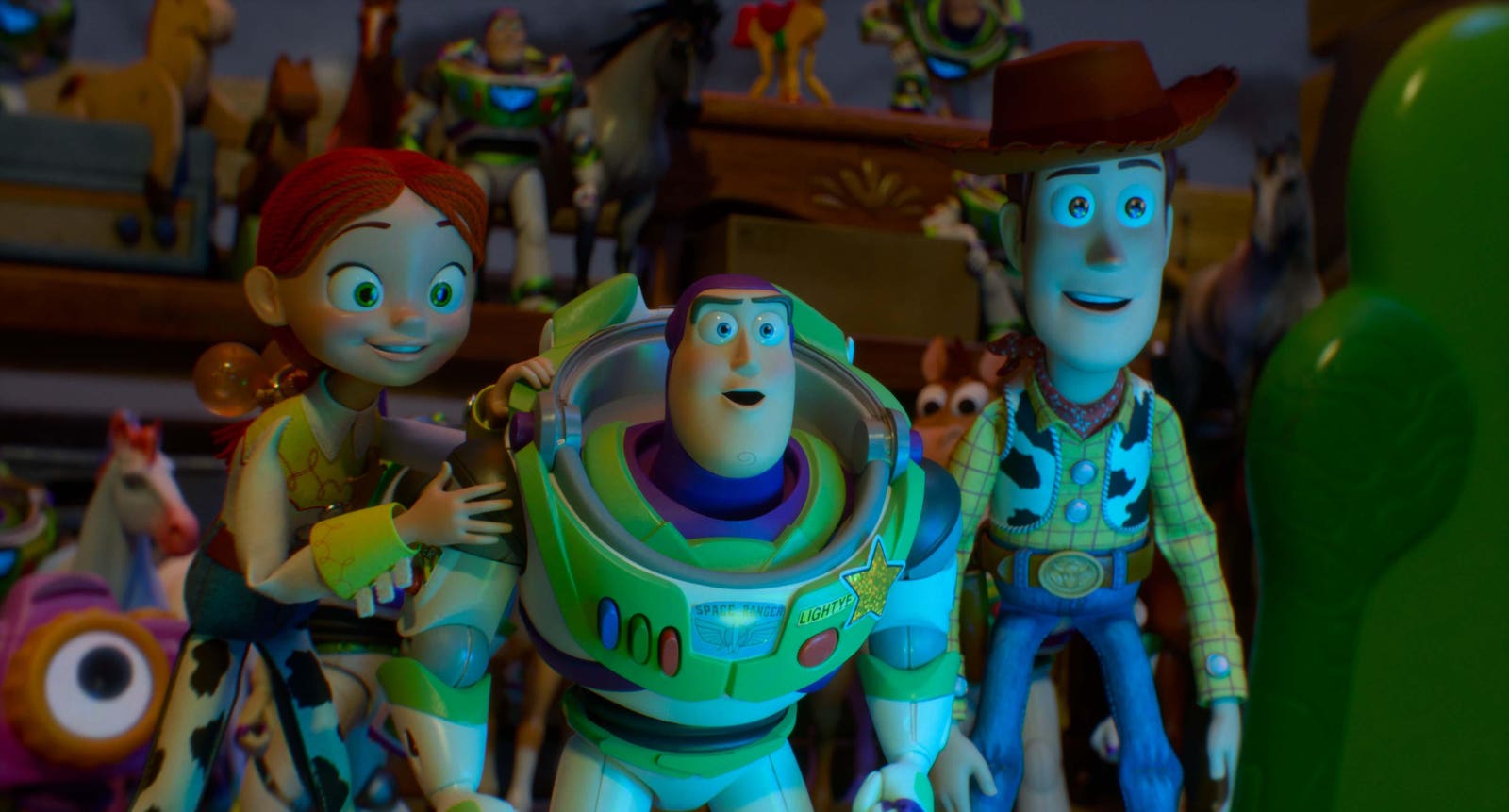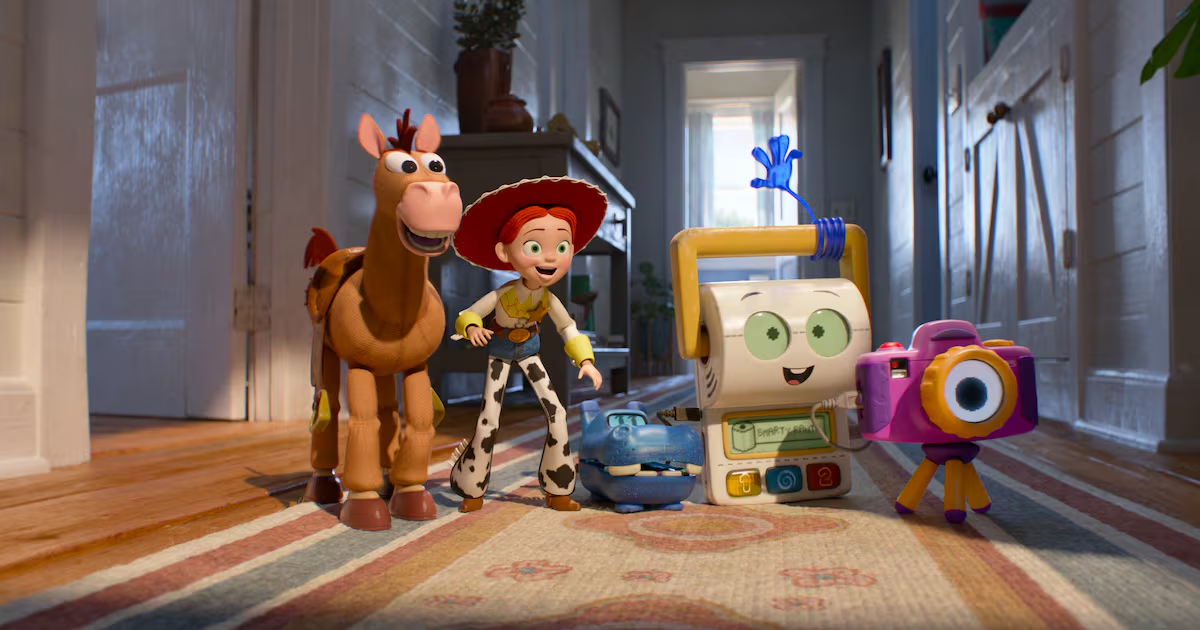
How do we preserve childhood in a world dominated by screens? That is the big question at the heart of Toy Story 5.“And we realised pretty quickly, there’s no easy answer,” director Andrew Stanton tells The National.The film presents that threat in the form of Lilypad, a frog-shaped tablet that enters the life of Bonnie, the child who inherited Andy’s toys at the end of Toy Story 3. At first, it seems to be a traditional toy replacement, offering games and videos. But quickly it becomes clear that it is a way into another world – one that seems to promise friendship, approval and a more grown-up version of herself.As the film progresses, that world becomes more dangerous. Driven by her desire to make friends, Bonnie is pulled into a world of peer pressure, pushing away her toys and suppressing her imagination and need for play to fit in. In the process, she begins to lose her spark.“The quick promise of technology is connection, and it’s not false, but it’s only half the story,” says producer Lindsey Collins. “Speaking as a parent, it’s a quick solution that sounds great when you’re desperate. You think, maybe this will help, and you give it to your kid. But it’s a version of connection that can also be very isolating.”The story focuses on Bonnie, the child who inherited Andy's toys at the end of Toy Story 3. Photo: Disney/PixarInfoBut does that mean screens are the enemy? Far from it. Instead, the film offers a more hopeful message for the future – and a warning.Warning: this article contains spoilers.By the end of the film, Bonnie does not save herself by rejecting Lilypad completely, nor does the film suggest that screen time has nothing to offer her. Instead, Lilypad – now working with Jessie, Buzz and the toys – helps lead her to Blaze, another child who shares her love of toys and imagination.“Once we came up with Blaze, the whole issue of friendship and the stakes of connection and the flip side of the coin of how you connect online versus how you connect in person suddenly became the link,” Stanton says. “Suddenly became the centre of it all.”In doing so, the film’s message becomes clearer. Technology can be isolating if left unchecked, but in the right hands, it can also help children find others who share their interests in real life, particularly when the people around them are not like-minded.“I realised, the flip side of screen time is using that to connect with people in person,” Stanton says.That took him back to his own childhood, when play often meant finding the person whose imagination could meet yours.“Suddenly, I was remembering when I was on my street playing as a kid, and there were a lot of kids that all wanted to play, but not everybody matched,” Stanton says. “Somebody wanted to kick a ball, somebody wanted to play hide and seek, and someone else wanted to pretend their Barbies were in a salon.“I just wanted to pretend my GI Joes were at war. But I was able to play with the kid who was playing with Barbies, because the GI Joes also needed to get their hair cut. There’s a connection that only comes from play – that invites the inner child to come out.”The film also offers a message to parents. Every child is different, and no one knows your child better than you do. A complicated situation will not have the same answer for every family.The film offers an optimistic message, offering parents a guide on how to approach a complicated issue. Photo: Disney/PixarInfoIt approaches that lesson through Lilypad and Jessie, who both act as parental figures to Bonnie in different ways. Collins explains that Lilypad represents the parent with all the education, but none of the intuitive knowledge. Jessie is the opposite.“Jessie intuitively knows: I know what she needs, and this isn’t it,” says Collins. “And that puts her in conflict with Lily, who thinks she has all the answers, and to her everything seems easy.“That’s parenting. As parents, you sit there and everybody tells you to read the books, do the research and Google it. And you know it’s not right, because you know your kid. I think there’s real truth in that.”And that may be the most important element of the film. Bonnie needs someone who knows her well enough to see when she is starting to disappear into someone else’s idea of who she should be.And regardless of what technologies develop, the toys will always remain a part of her story, because no technology can replace the purity of imagination that they help unlock. Toy Story 5 is in cinemas now across the Middle East
Toy Story 5 ending explained: Director's hopeful message about screens and childhood | The National
Andrew Stanton says sequel explores how children connect online – and the benefits and dangers that come with it
788 words~4 min read