Logo text
Some stories refuse to stay on the page. The Hollywood Reporter’s Beyond the Book column explores what happens when books make the leap to screen and beyond — unpacking what changed, how it was done and why it matters with the creatives who made it.
***
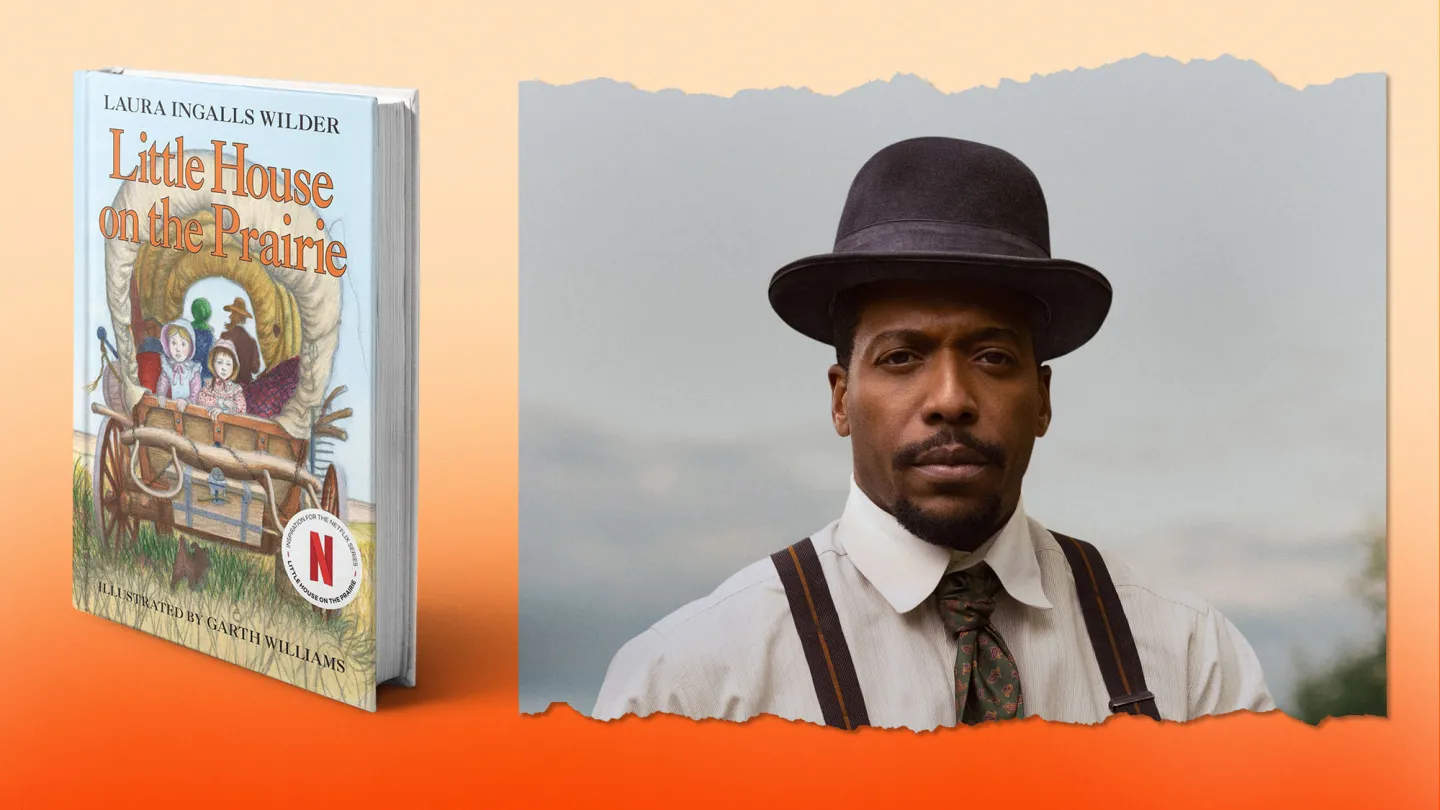
In The Little House on the Prairie, a 6-year-old Laura Ingalls describes the experience of waking up in her family’s cabin on the Osage Diminished Reserve amid a bout of the “fever ‘n’ ague.” As she lay in bed, “an arm lifted under her shoulders, and a black hand held a cup to her mouth.” Above her, a “face smiled, and a deep voice said, softly, ‘Drink this, little girl,’” Laura recalls. “‘Drink it. It will make you well.’”
Around the summer of 1870, the real Laura Ingalls Wilder and her family — father Charles, mother Caroline and sister Mary — contracted malaria and became confined to their cabin around Independence in Southeast Kansas. A man named Dr. George Tann (Wilder used just one “n” in the book) was a Black practitioner of eclectic medicine who lived about a mile from the family and administered the quinine that saved their lives.