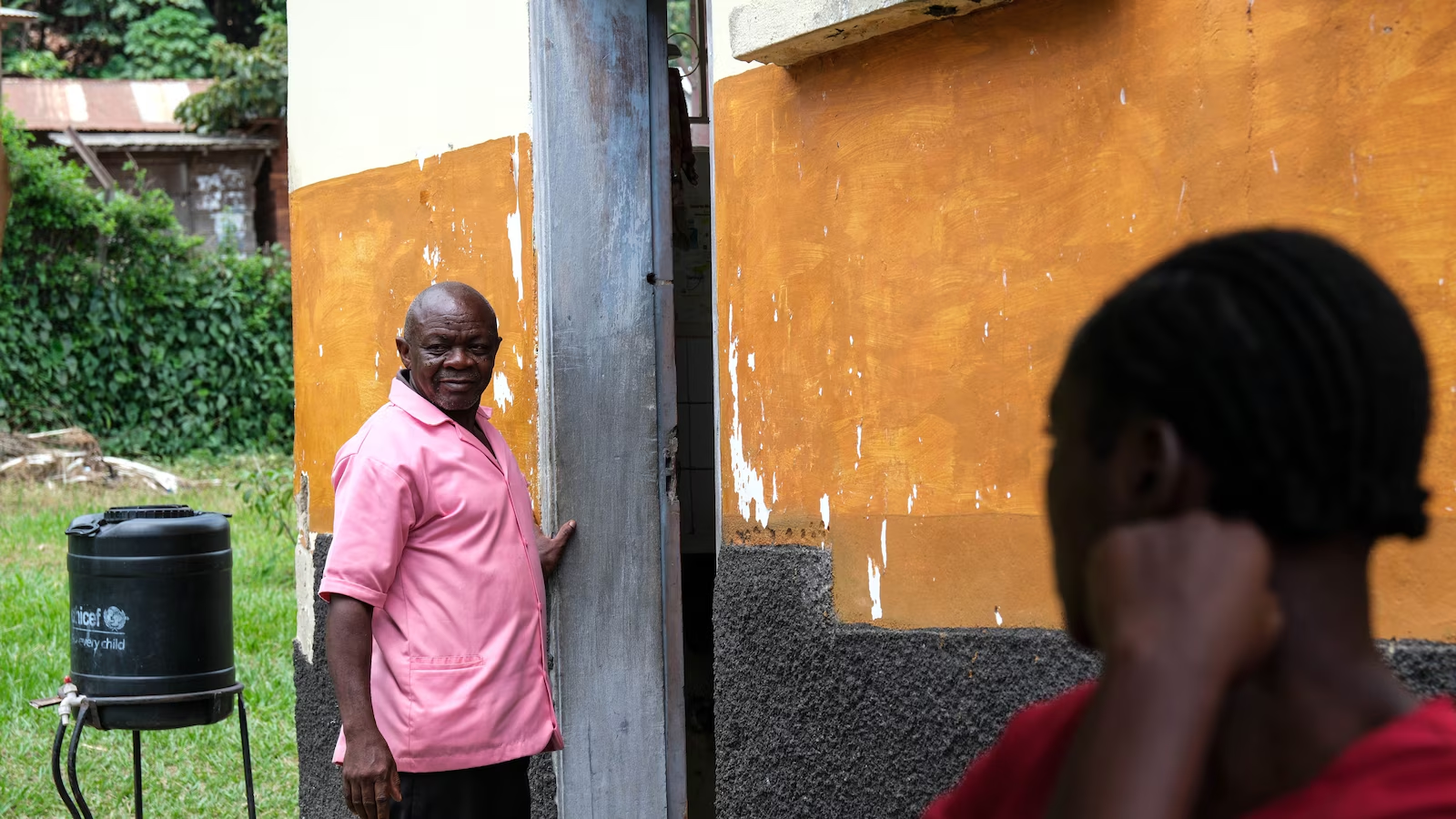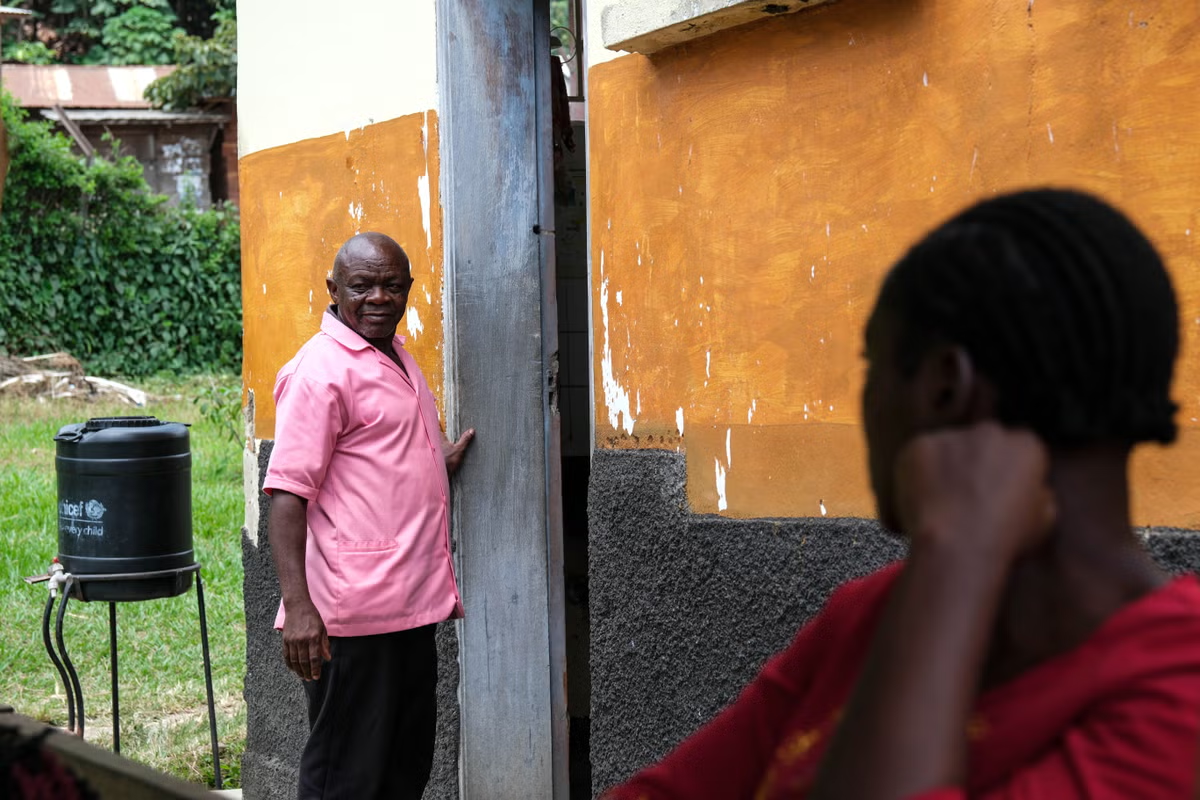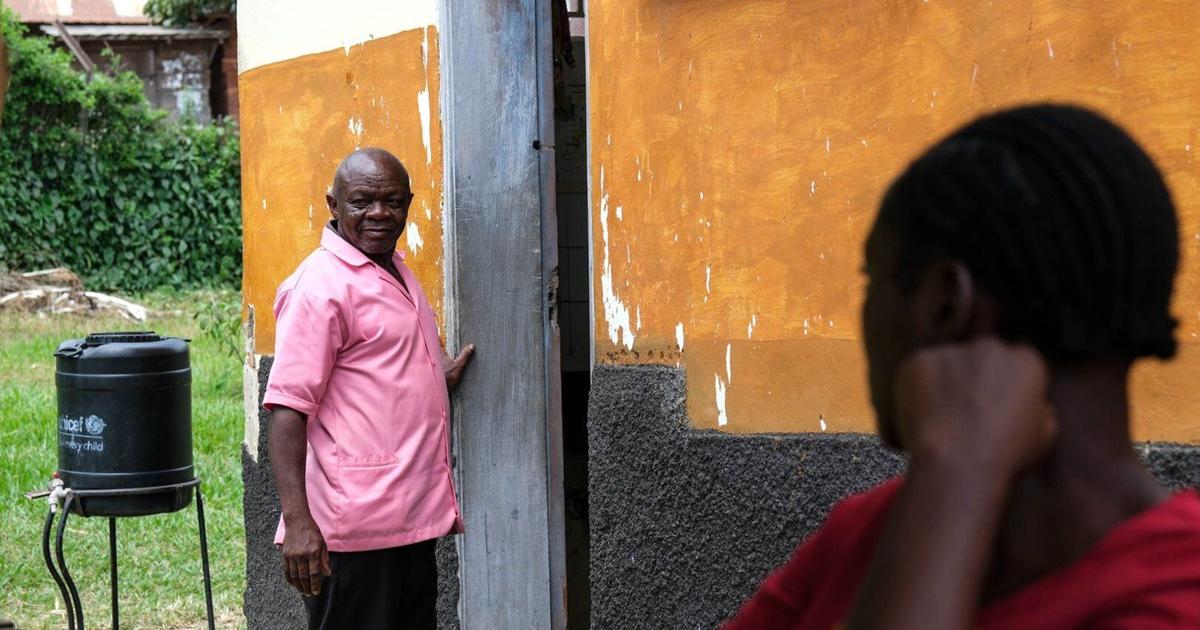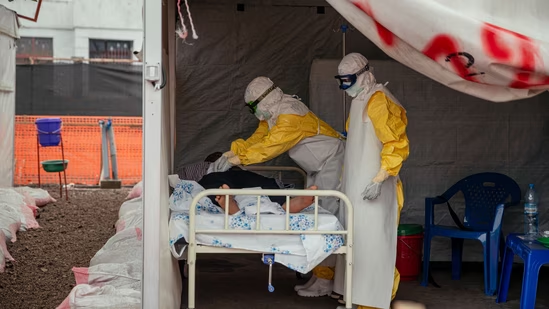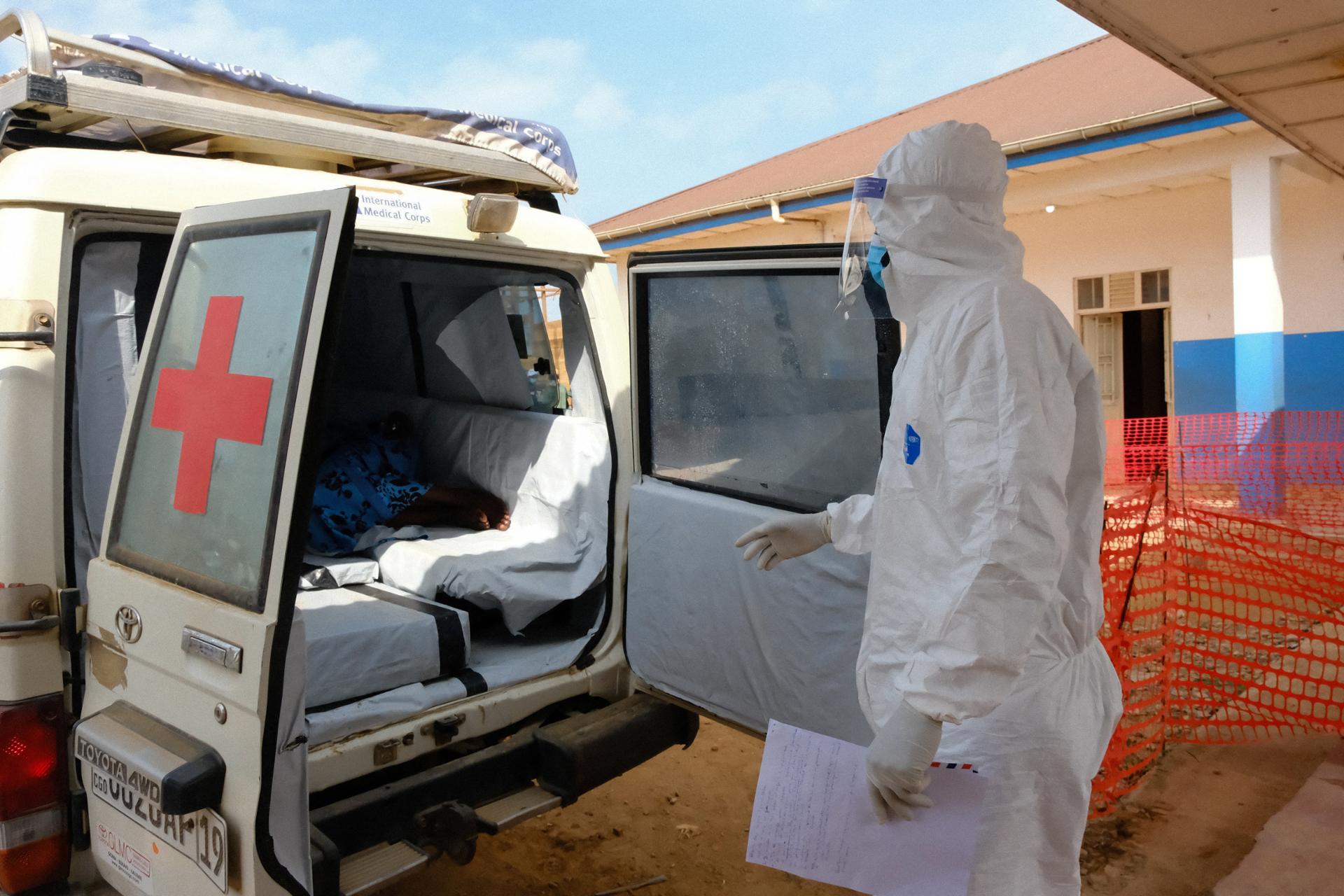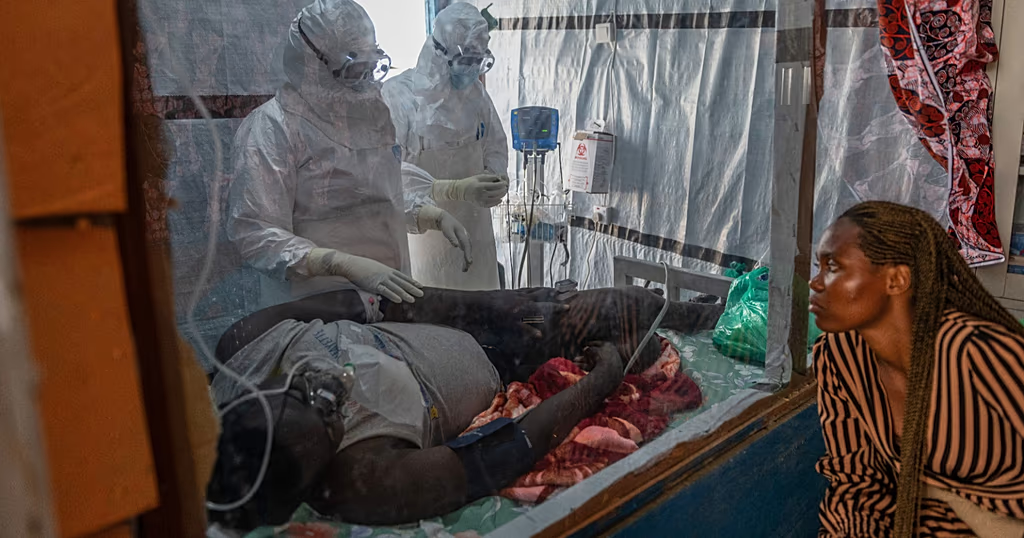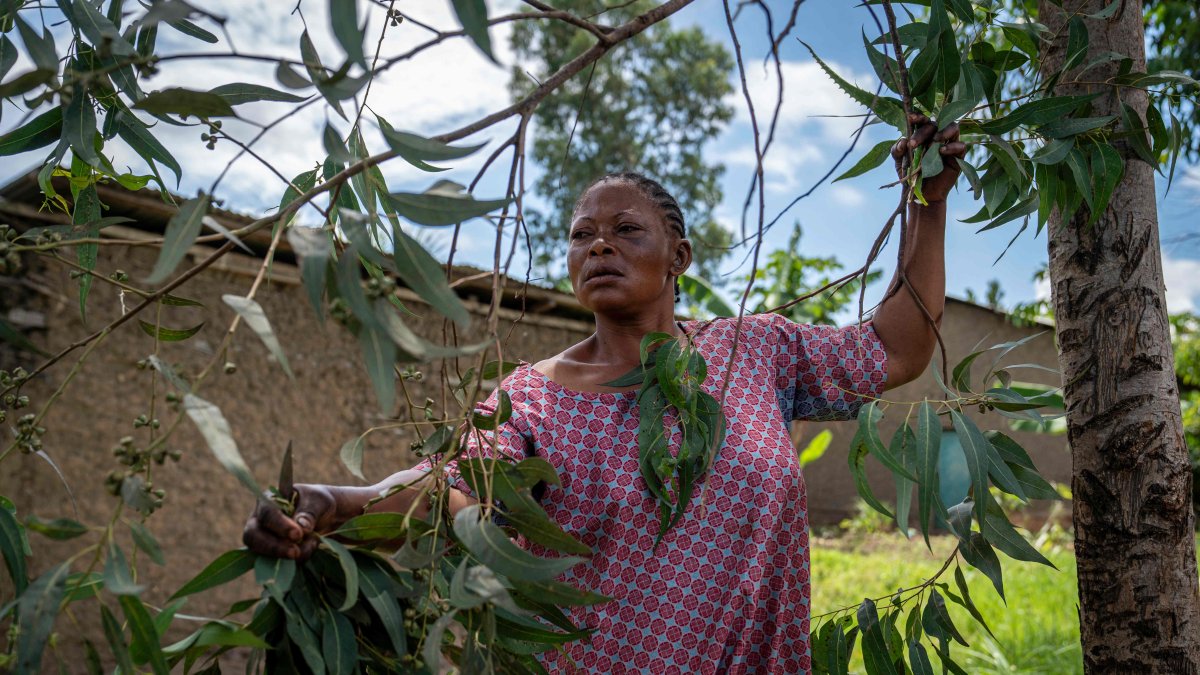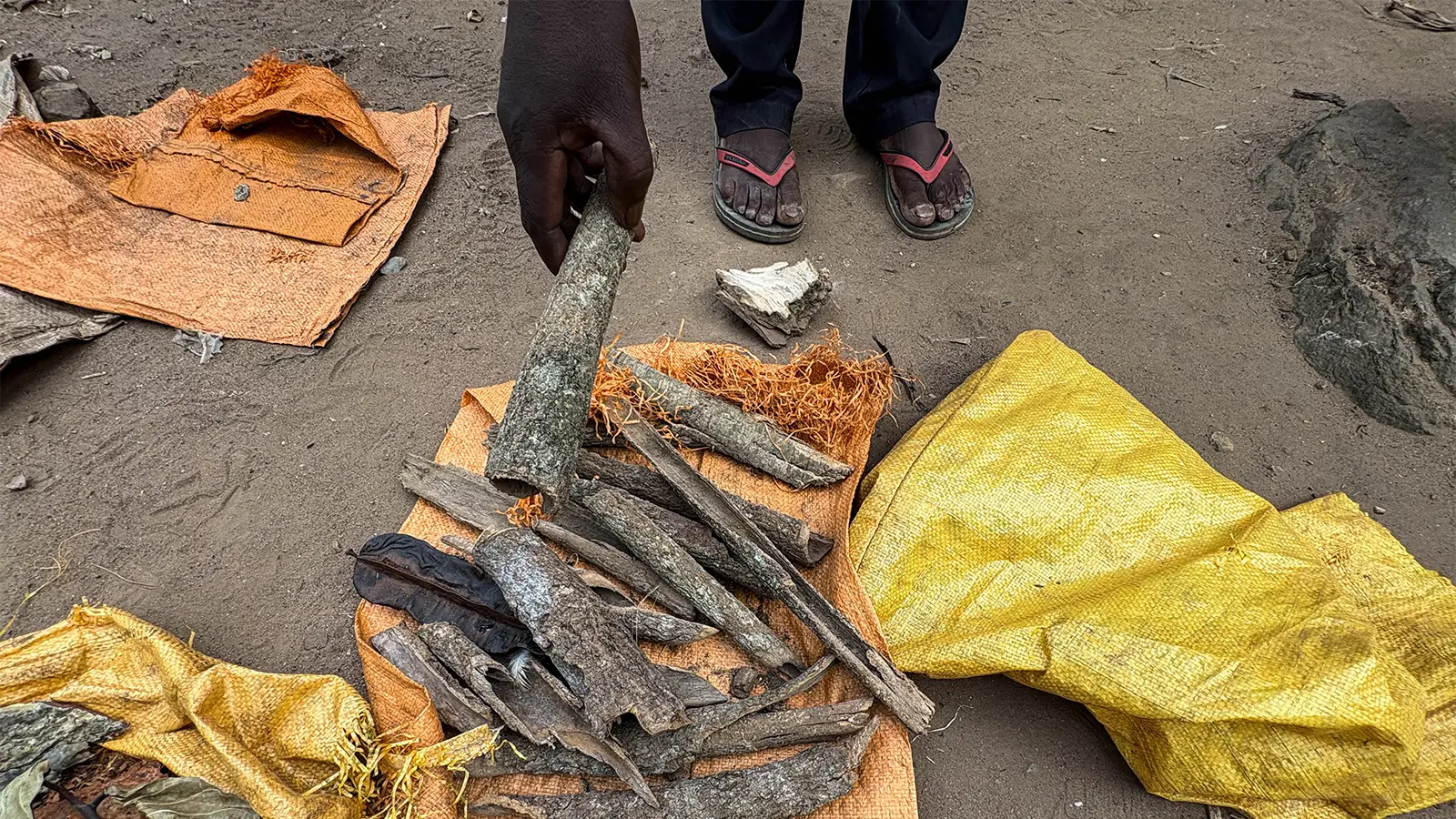
Whenever Ebola comes, some of the afflicted choose the road to the nearest hospital. Others take the path to the shrine of a traditional healer, often with devastating consequences.
Many view the onset of hemorrhagic fever as a spiritual affliction and seek out herbs and prayers instead of going to the hospital. This is the case now in Congo, which is suffering its 17th outbreak of Ebola since 1976, when the virus was first identified in the rich Congo Basin ecosystem.
Five decades later, the virus continues to mystify many of the sick in Africa while turning religious leaders into first responders in a deadly emergency. The current outbreak's victims include health workers without protective gear as well as pastors and worshippers who gathered while Ebola was spreading, according to humanitarian workers and others who spoke to the Associated Press.
Ebola spreads through close contact with sick or deceased patients' bodily fluids. The current outbreak is particularly worrisome in a region where many are distrustful of health workers and refuse to seek medical care.
In Bunia, a town in Ituri province that is the outbreak's epicenter, misinformation about Ebola has made it harder for health workers to respond to the outbreak that has so far killed at least 181 people. One rumor suggests that Ebola is spread by malicious people who drop magical charms tied to dollar bills down pit latrines.