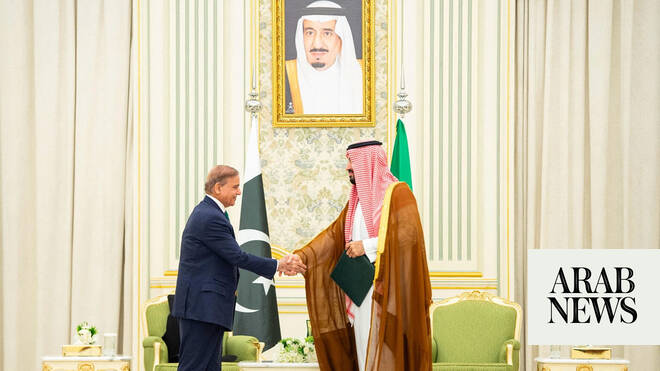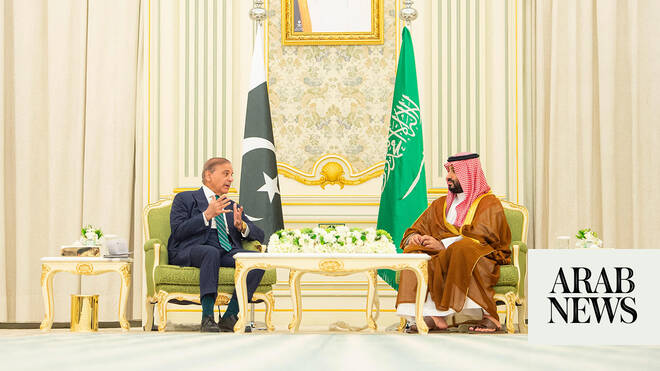
Pakistan’s ambitions to become a major defense exporter and an influential player in Africa suffered a significant setback in April as Saudi Arabia reportedly withdrew financing for the proposed $1.5 billion arms agreement with Sudan and urged Islamabad to terminate the arrangement entirely. The episode exposed the limitations of Pakistan’s increasingly ambitious attempt to project power across Africa.
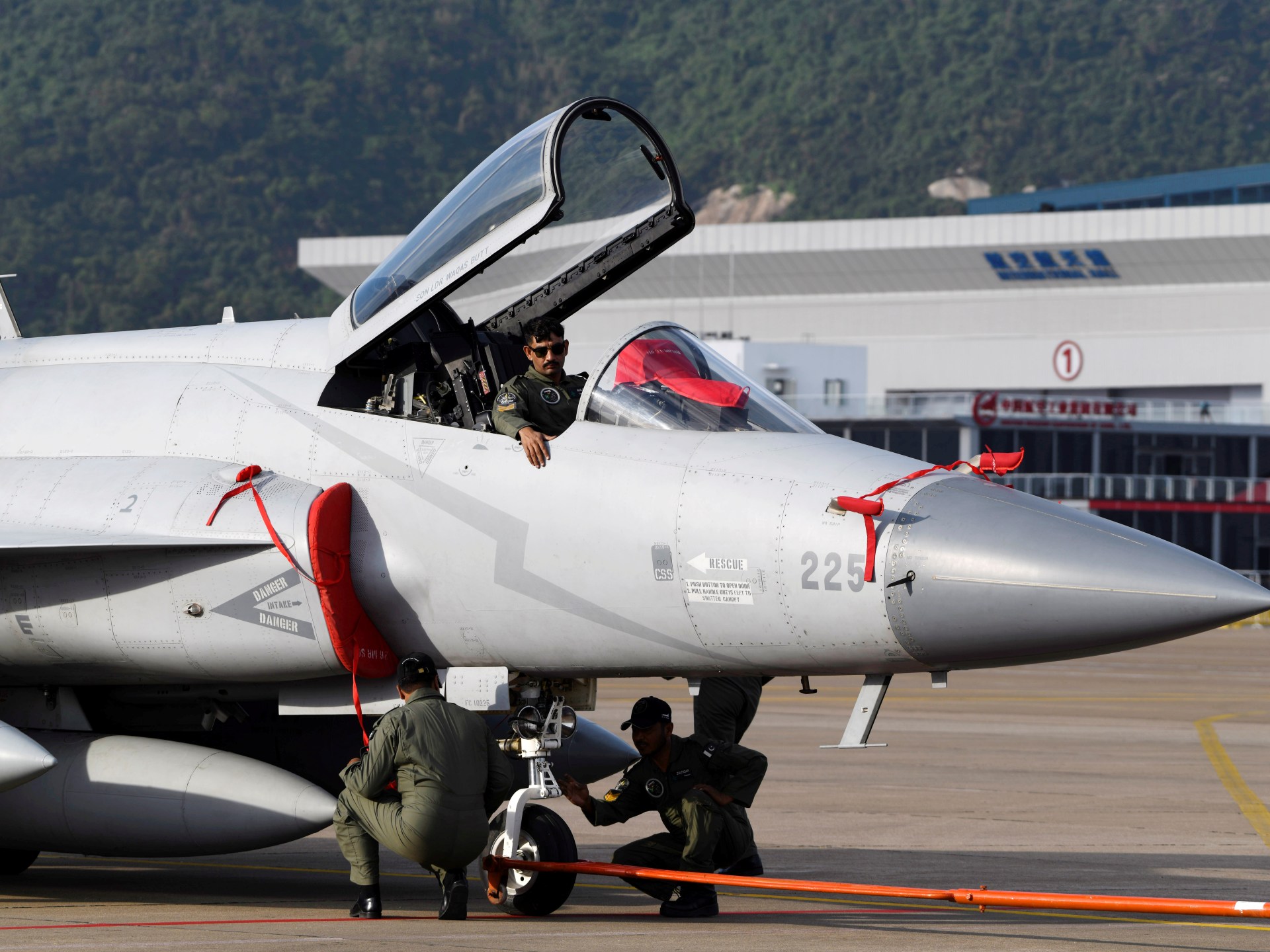
For Pakistan, the Sudan deal was envisioned as one of the largest arms export agreements in its history and a gateway into African security markets. The package included K-8 Karakorum light attack aircraft, hundreds of drones, armored vehicles, and advanced Chinese-origin air defense systems routed through Pakistan.
The agreement had the potential to transform Pakistan from a regional arms supplier into a significant security actor in Africa’s conflict landscape. Saudi Arabia’s decision to step back has delivered a sobering reminder that Pakistan’s geopolitical reach remains heavily dependent on external patrons.
For decades, Pakistan has sought to leverage its identity as the world’s only Islamic nuclear-armed state to cultivate influence across the Muslim world. This strategy has combined diplomatic engagement, military cooperation, training missions, and support for causes framed as the defense of Muslim interests.