Bulgaria has lost its earlier position as a leading voice in shaping the EU’s approach to enlargement in the Western Balkans, according to Maria Simeonova, director of the Sofia office of the European Council on Foreign Relations.
Speaking to Bulgarian National Radio, she argued that the country was once in a stronger diplomatic position but has since weakened its influence following tensions related to North Macedonia. She said Bulgaria’s approach has shifted away from active engagement toward a more passive stance in European policy debates.
“Bulgaria was that country in 2018. This changed with the veto on North Macedonia. No matter how reasonable it sounds to us, Bulgarian diplomacy must be accompanied by public diplomacy and constant engagement, and not locking into a comfortable foreign policy position,” Simeonova said, adding that other EU member states have remained more consistently active in defending their positions.
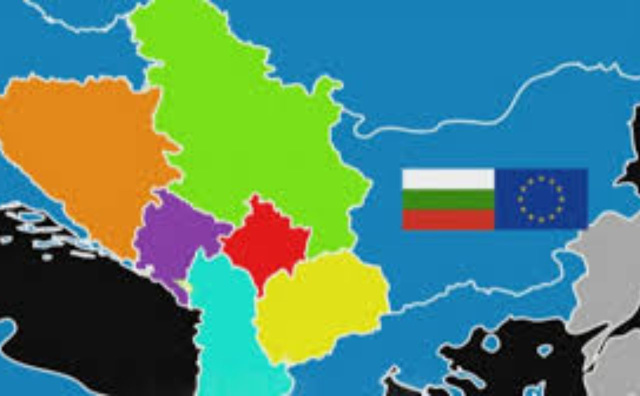
She noted that while Bulgaria’s concerns regarding Skopje may be understandable domestically, they should not define the country’s entire EU enlargement strategy. In her view, Sofia still has the capacity to build stronger ties with other Western Balkan partners, including Albania, Montenegro, Bosnia and Herzegovina, and Kosovo.