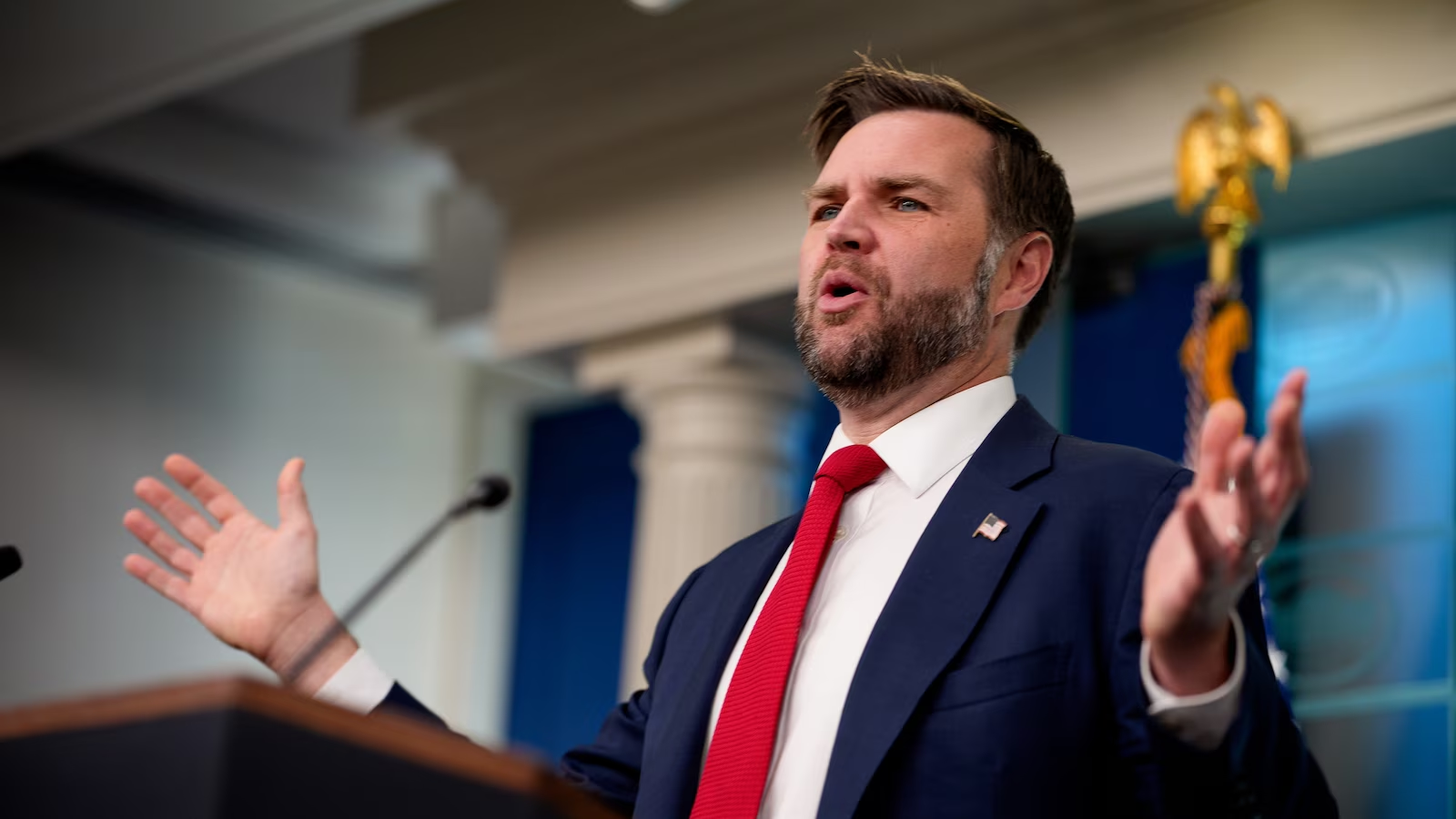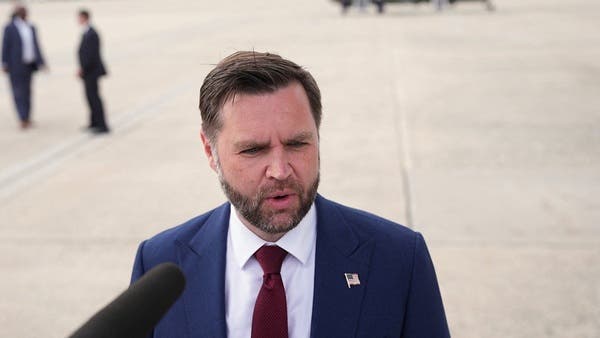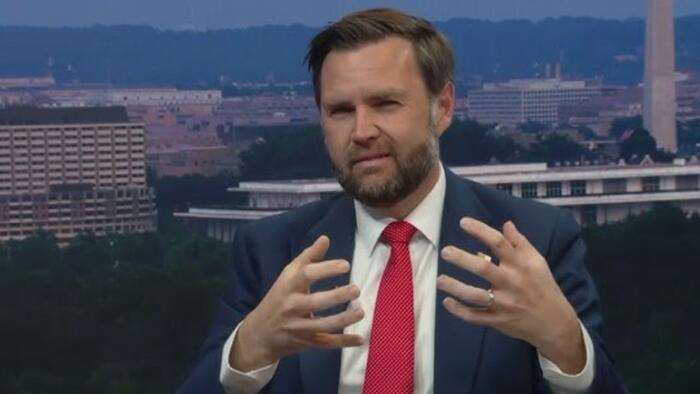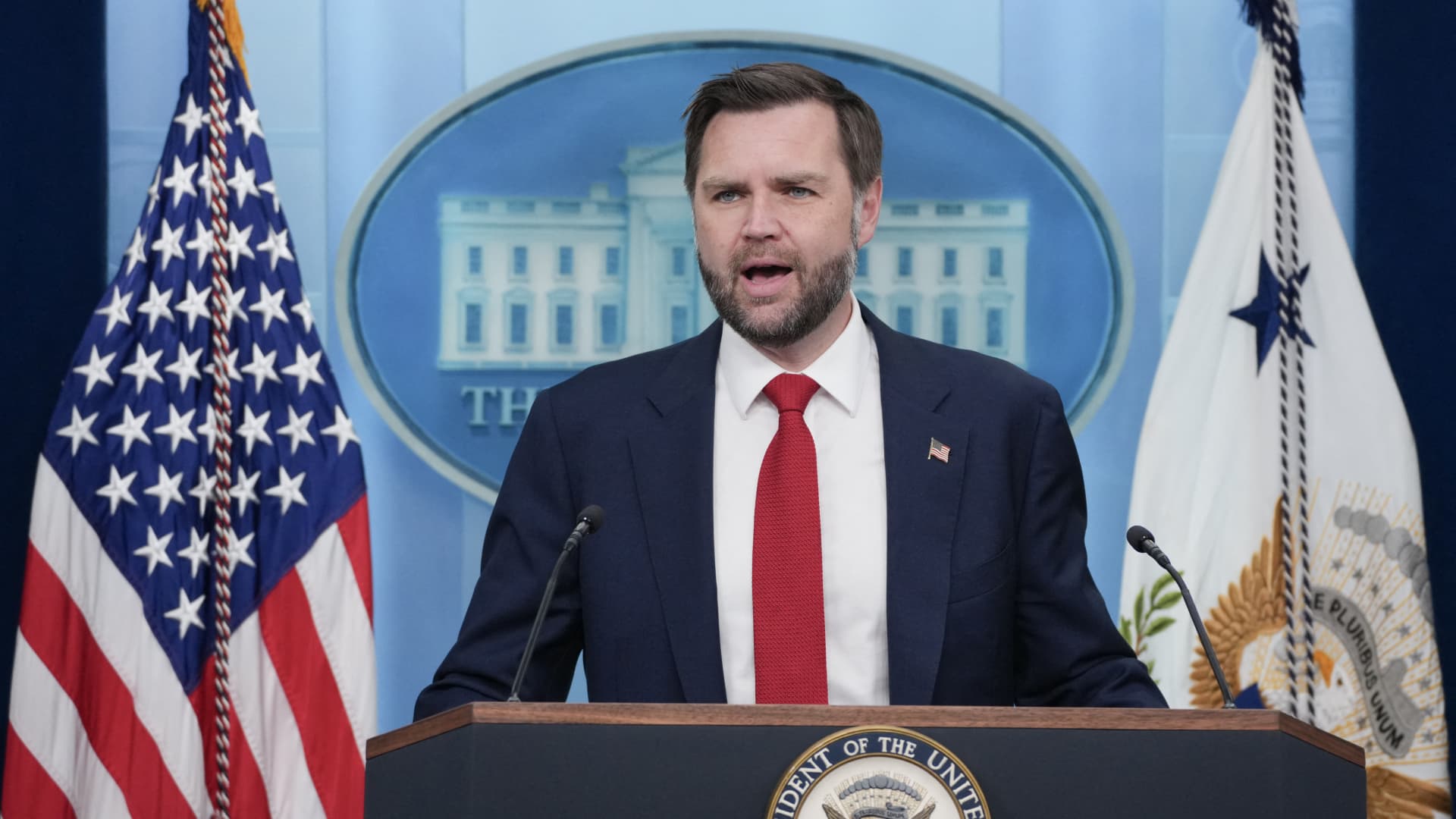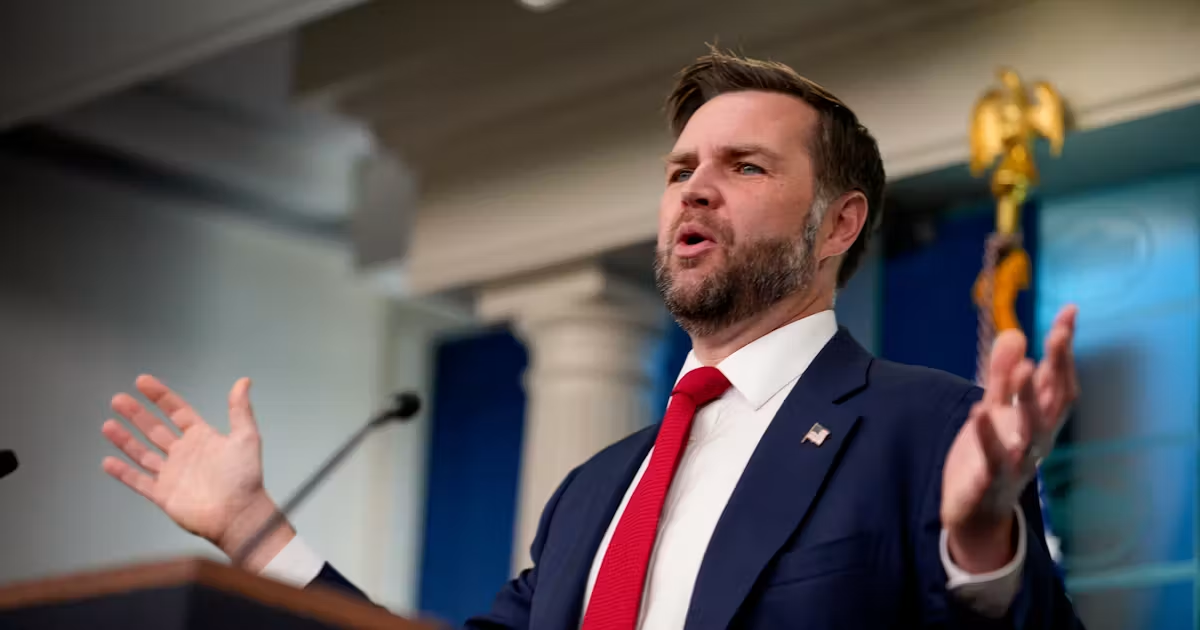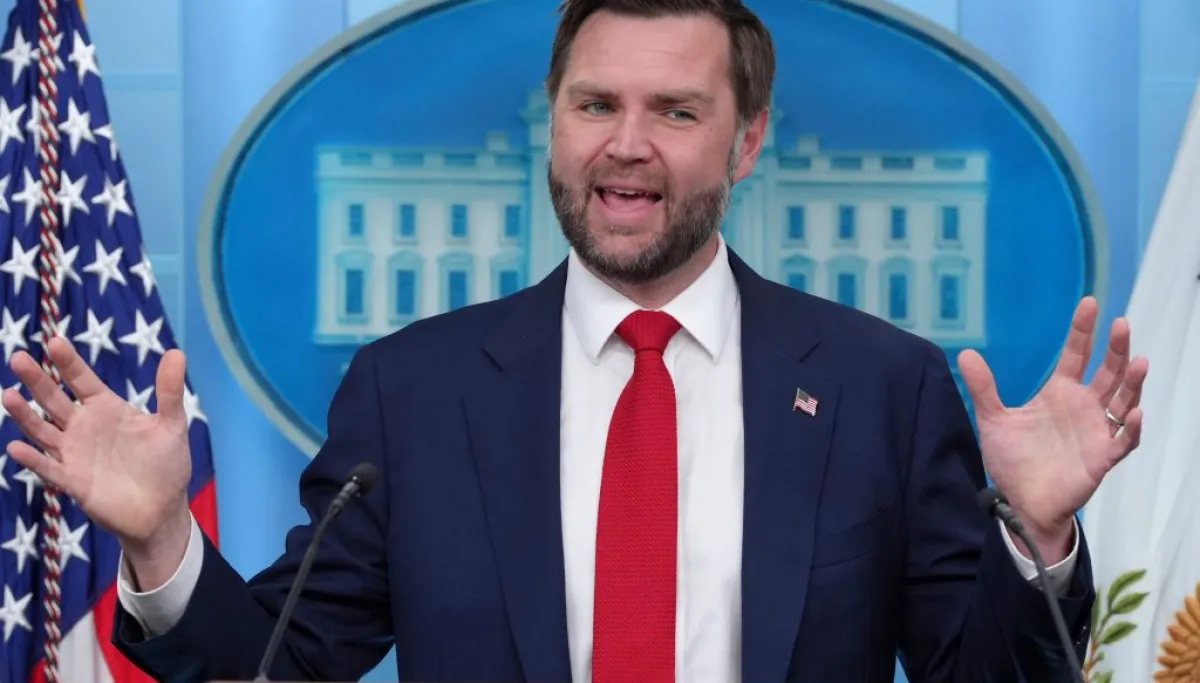
The U.S.-Iran memorandum of understanding to end the war with Iran is as feeble for U.S. and allied interests as the war was foolish. The MOU provides Iran with immediate, significant financial benefits and defers the instrumental question of Iran’s nuclear program to future talks. As the U.S. intelligence community has assessed, it is highly unlikely that Iran will make substantive nuclear concessions.The Trump administration disputes this. It insists the MOU does not front-load any significant benefits to Tehran. Administration officials claim that in return for removing U.S. sanctions and enabling international investments into Iran, the Islamic Republic must first verify that it has ended its multi-decade nuclear threat. At the White House on Thursday, Vice President JD Vance was challenged on this point. A journalist noted that the MOU’s restoration of Iranian oil exports would feasibly allow Iran to generate millions of dollars to fund terrorism.Vance rejected this suggestion. As he put it, “The No. 1 thing is that we actually see where the money moves now because of what we’ve done with the financial sanctions. We actually know where the money’s going to move. And so, we have great confidence that we’ll be able to see if they try to fund terrorist organizations. We’re going to be able to see that.” Vance added that when it comes to suggestions that Iran’s selling “a few million dollars’ worth of oil is going to fundamentally transform the Iranian economy, that’s just not true.”
Vance is wrong, Iran oil sales will obviously fund terrorism
Vice President JD Vance is being disingenuous in claiming that Iranian oil sales under the memorandum of understanding won't fund terrorism.
TL;DRAI
Iran will earn $7-10B from oil sales post-deal, contradicting VP Vance's claim of mere millions; funds will finance military and proxy forces. Regional instability from illicit funding increases supply chain risk and energy cost volatility.
661 words~3 min read