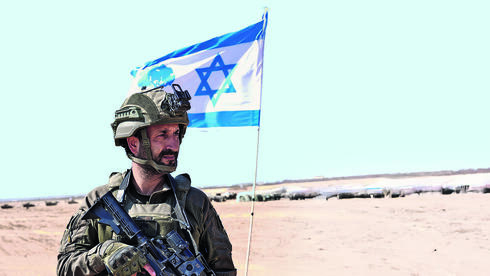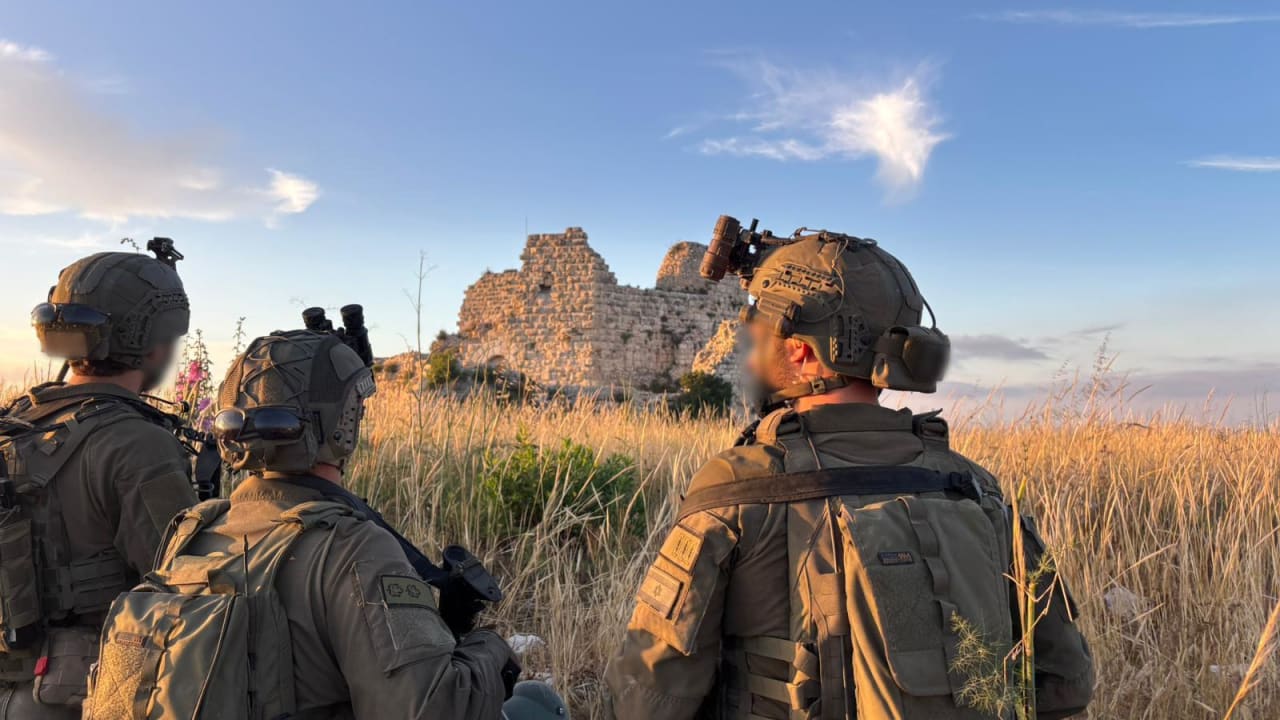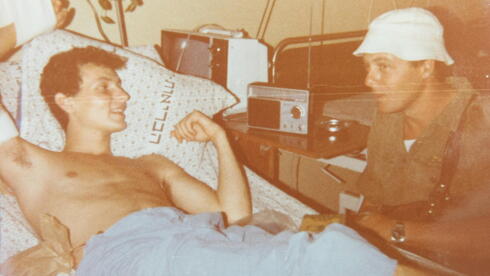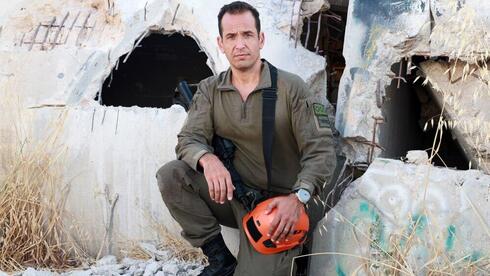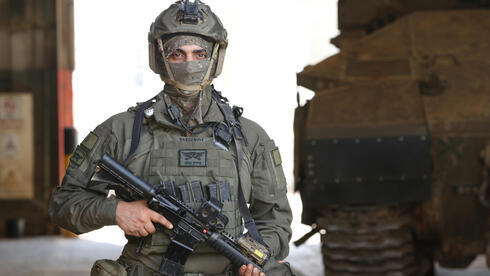
Lt. Col. Bar Vackert studied the fortress through tourists’ YouTube videos before leading Golani reconnaissance troops to the strategic Lebanese ridge, where they found Hezbollah positions and a tunnel network; now he speaks about fear, attrition, women in combat and a war he says may last for yearsRaanan Shaked|“A year ago, when I entered the role, Gaza was still the main arena, and we were sure we would bring back the hostages and that would be the end of the saga,” he says.7 View gallery Lt. Col. Bar Vackert, commander of Golani’s reconnaissance battalion (Photo: Elad Gershgoren)A year later, he was climbing Beaufort as if finally reaching the hornet’s nest, or rather the nest of explosive drones, that had been buzzing around his forces until that moment.“As long as we were fighting in the villages of southern Lebanon, they fired anti-tank missiles and indirect fire at us from the direction of Beaufort,” he says. “We knew for certain there were terrorists there watching us and firing at us. Every minute you get an alert that someone has identified you. They are constantly shooting from there. So you want to get there, because once you are there, you manage to isolate southern Lebanon. They can no longer see you directly.”Are you familiar with the claim that retaking Beaufort was mainly symbolic?
‘I was supposed to die. I survived and led the Beaufort raid’: Golani commander on the raid
Lt. Col. Bar Vackert studied the fortress through tourists’ YouTube videos before leading Golani reconnaissance troops to the strategic Lebanese ridge, where they found Hezbollah positions and a tunnel network; now he speaks about fear, attrition, women in combat and a war he says may last for years
TL;DRAI
Lt. Col. Bar Vackert's Golani unit captured Beaufort fortress in Lebanon, discovering a vast Hezbollah tunnel network (hundreds of meters) used for coordinated attacks on Israeli positions. The operation demonstrates how intelligence-driven positioning of critical infrastructure nodes determines tactical control and operational resilience in conflict zones.
4,182 words~19 min read