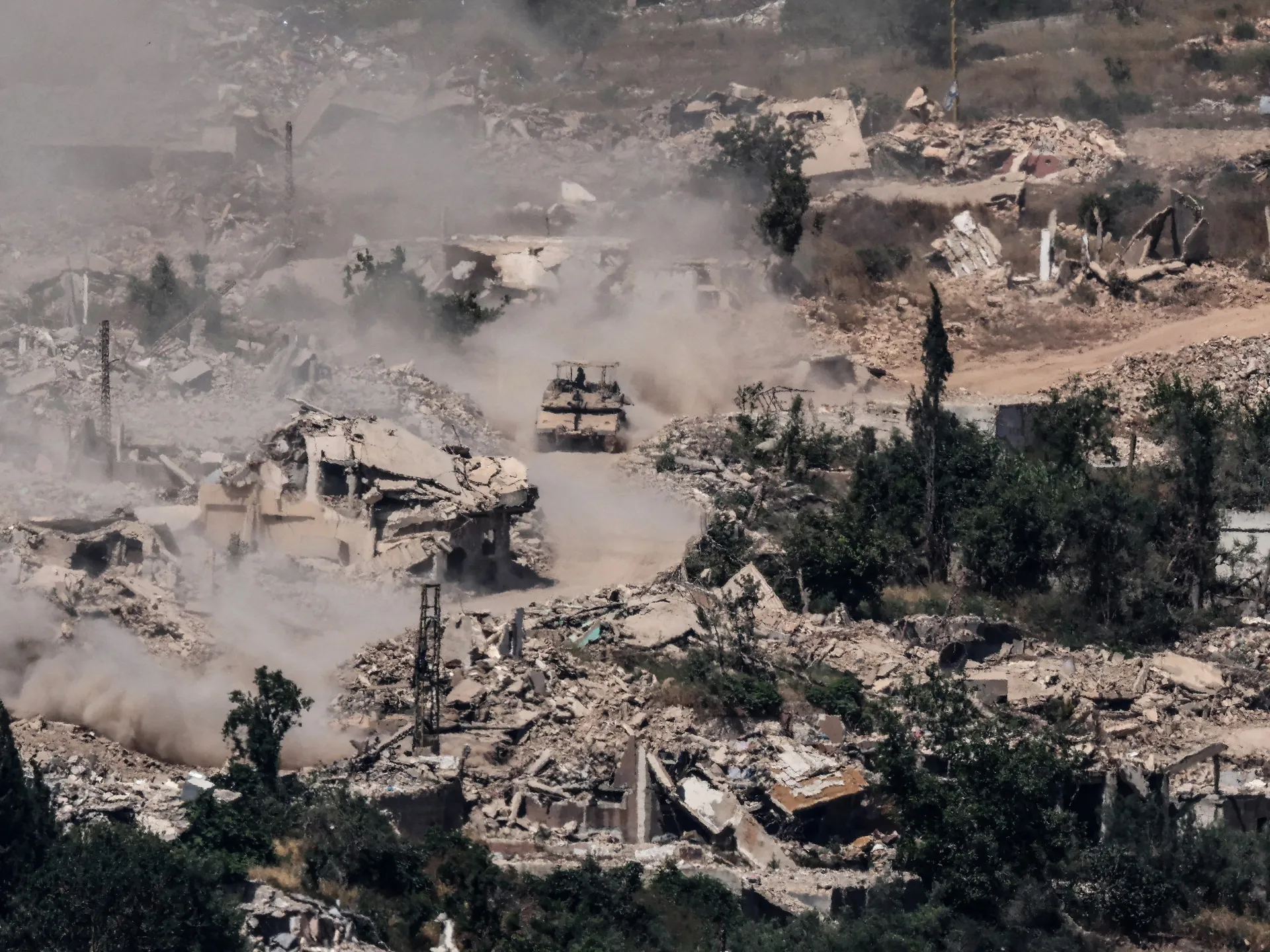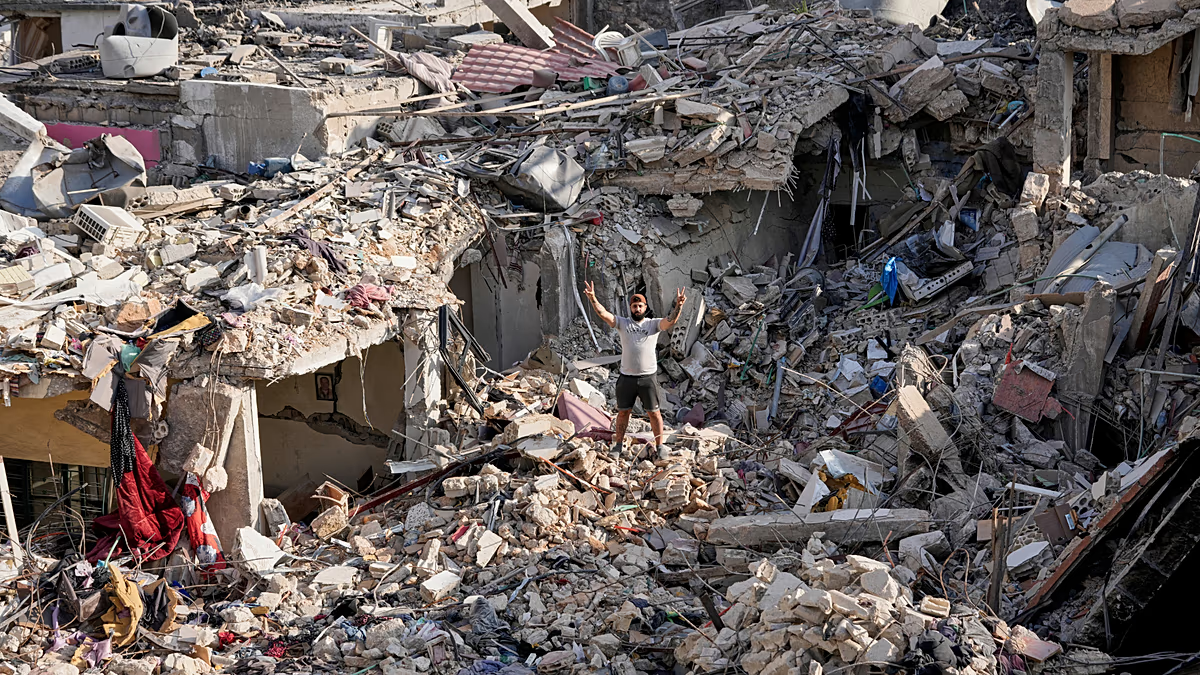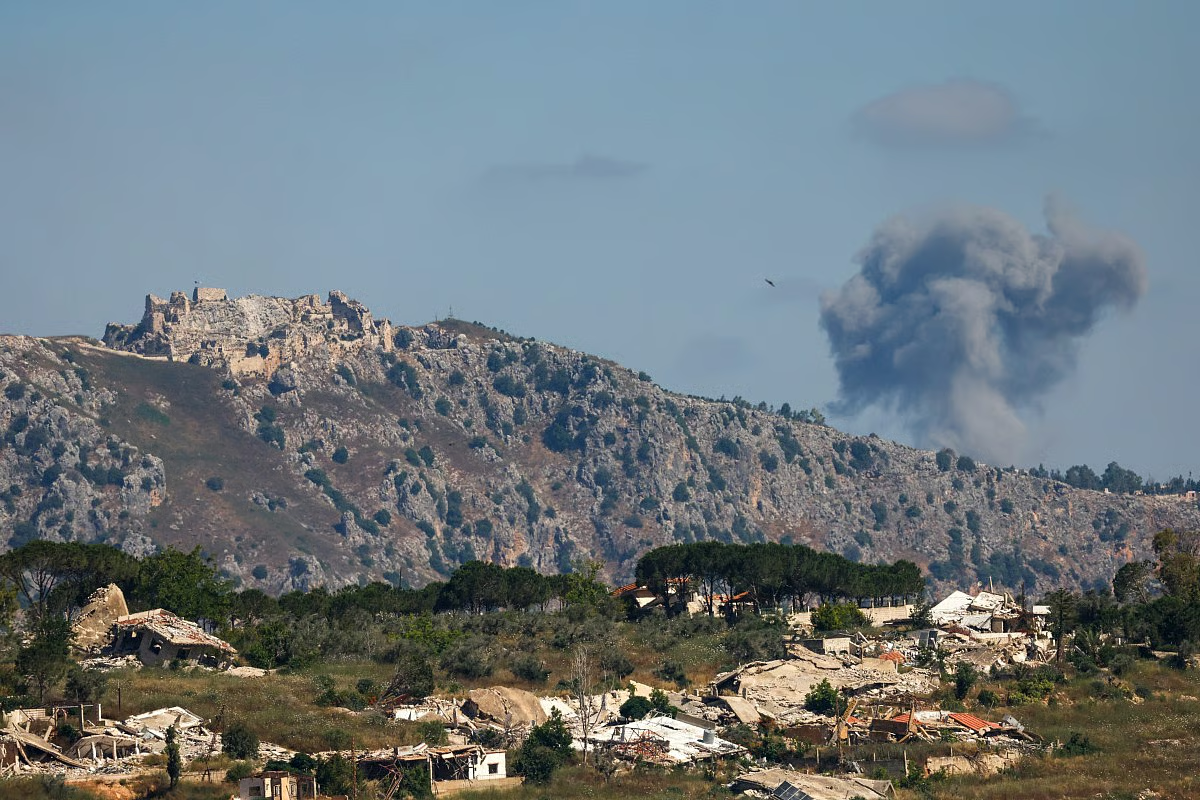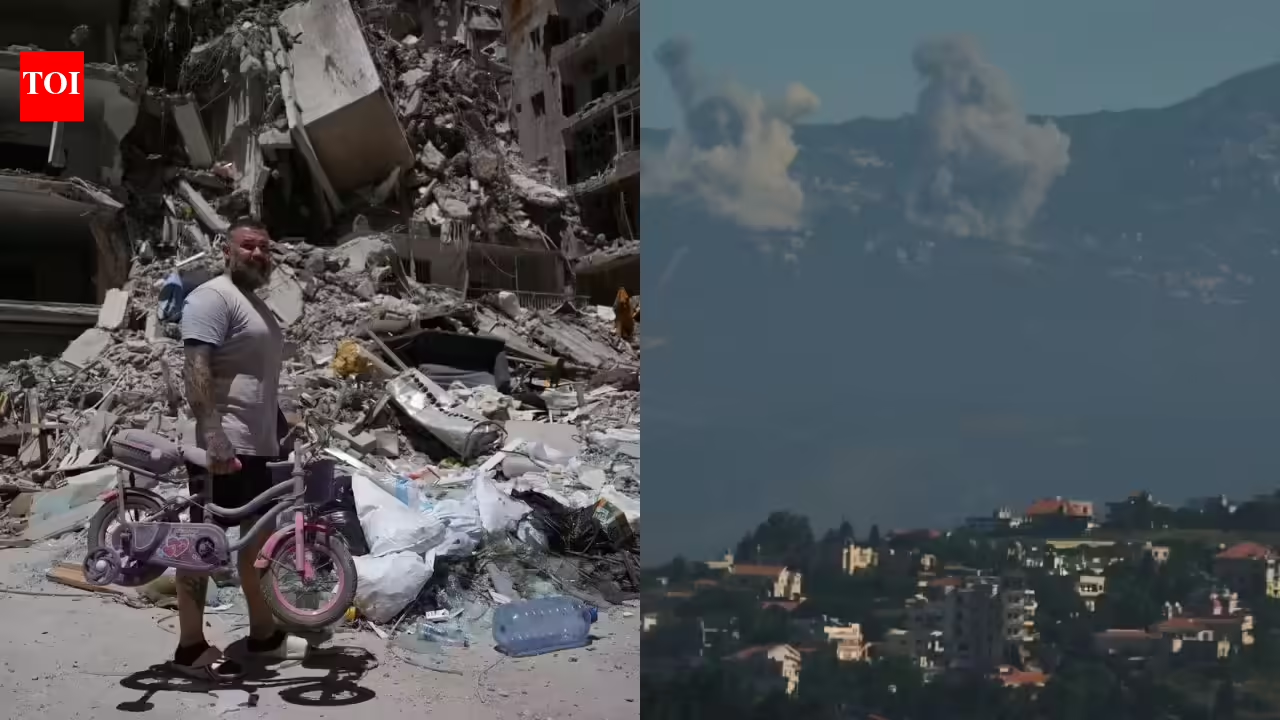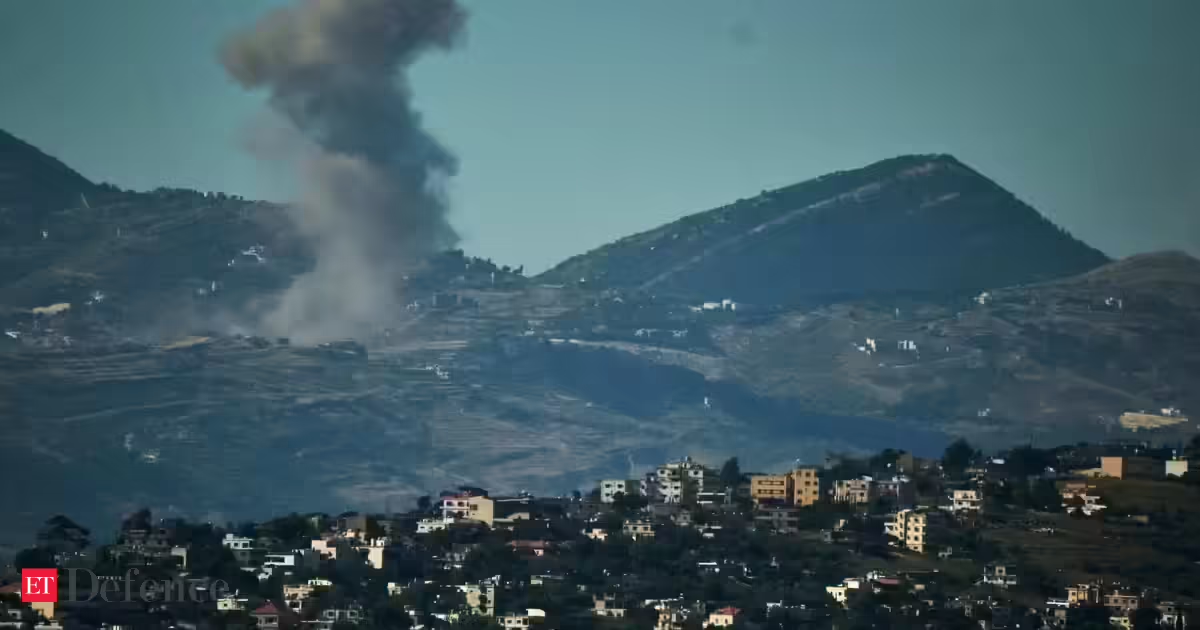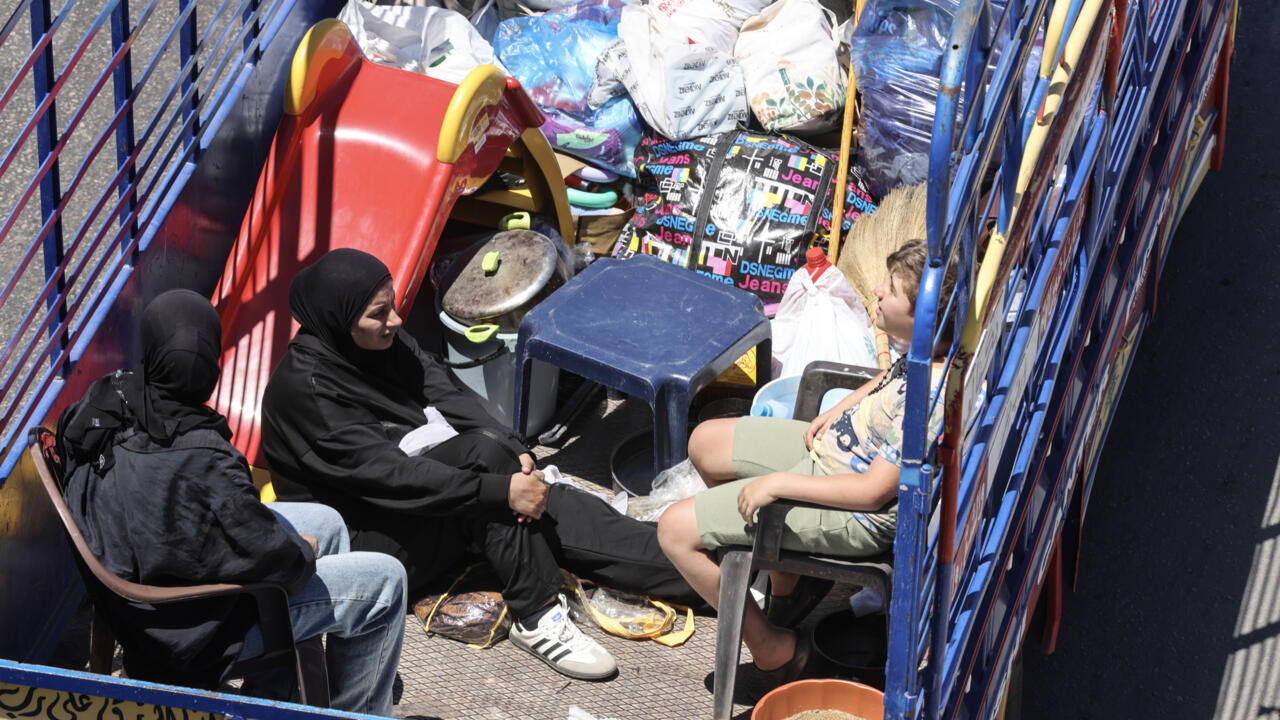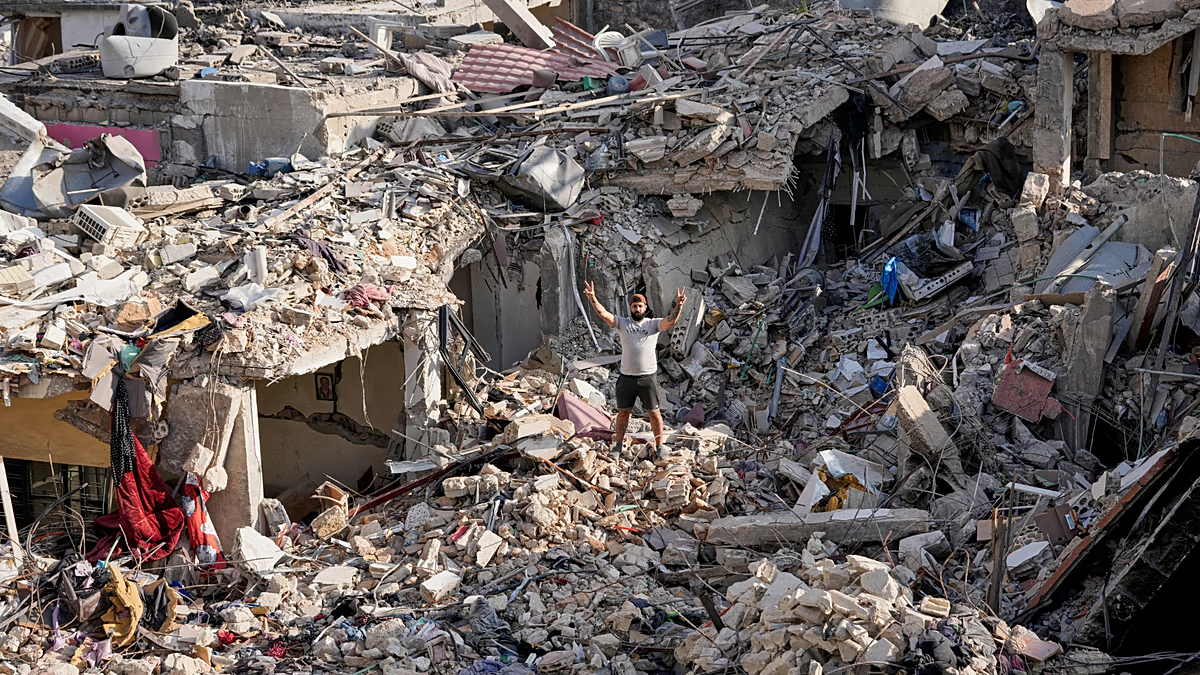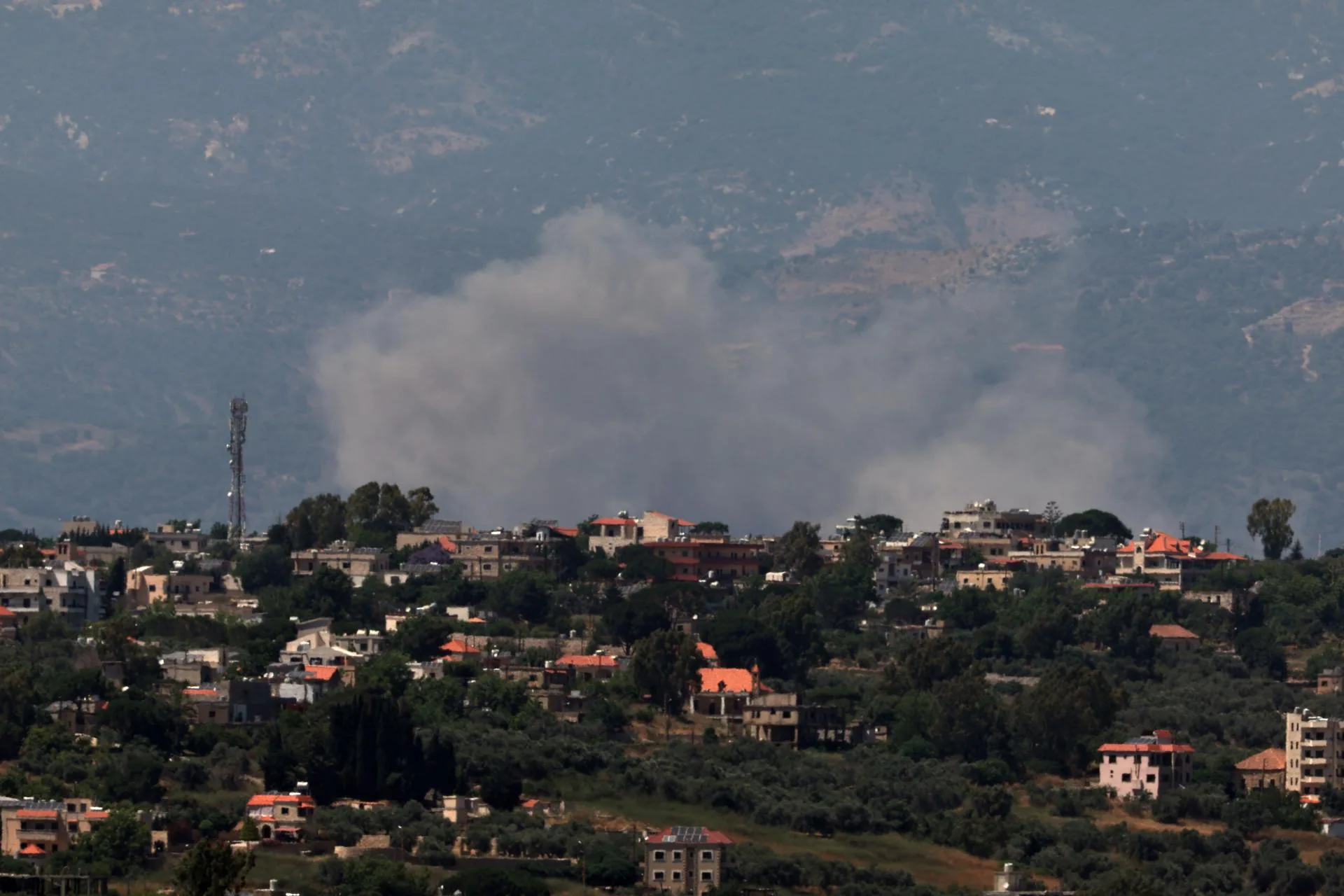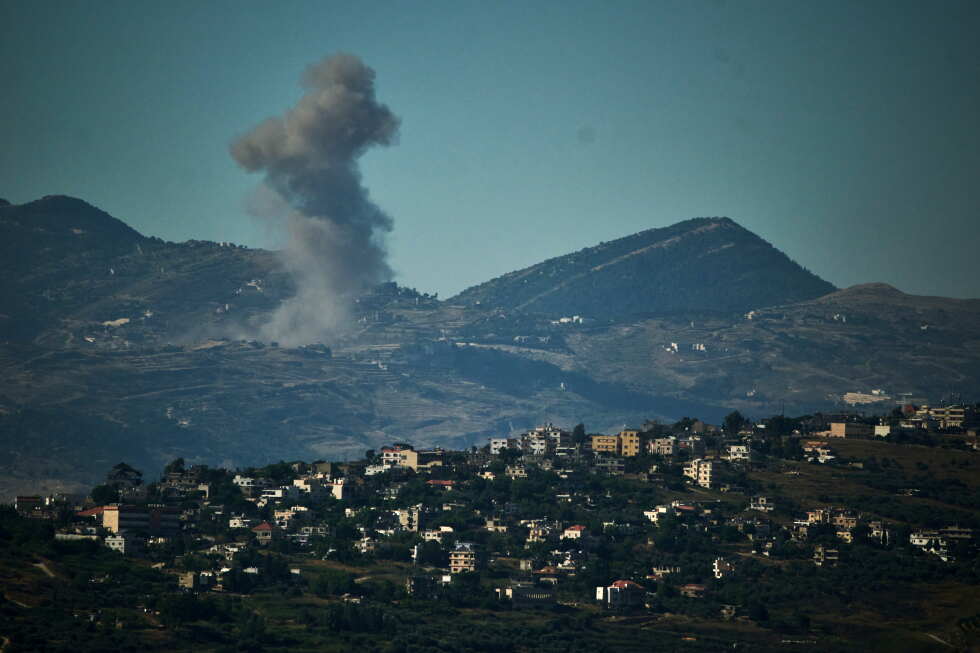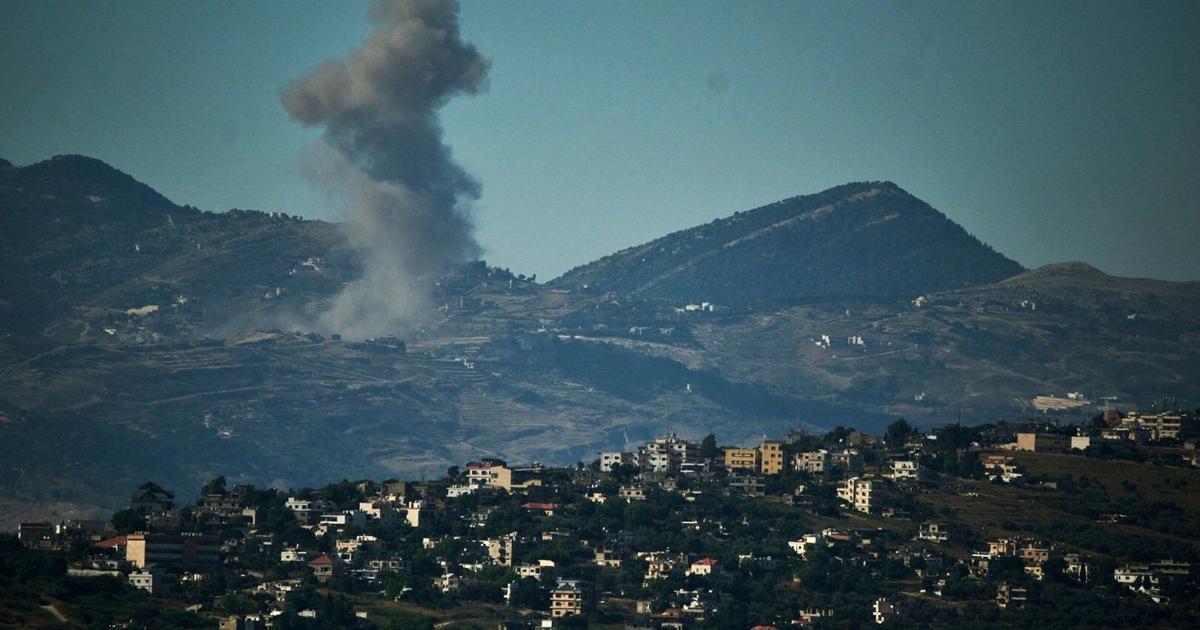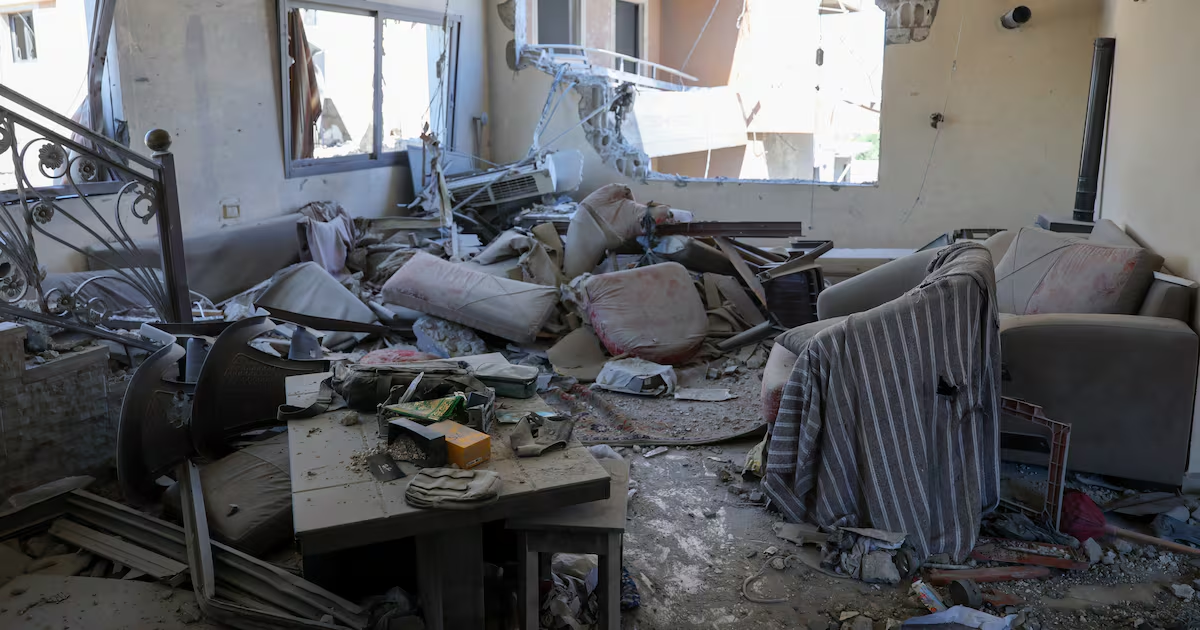
Fighting between Israel and Hezbollah in southern Lebanon continues to escalate despite a fragile US-Iran ceasefire framework, which includes Lebanon. Lebanon’s Health Ministry reported on Friday that overnight Israeli air strikes killed at least 47 people across the Nabatieh district, in what it described as one of the most intense attacks of the war. The Israeli military said four soldiers, including a battalion commander, were killed in a Hezbollah attack in the southern Lebanese village of Kfar Tebnit, in the Nabatieh district. Following the killing of its soldiers, the Israeli army said it attacked more than 80 Hezbollah targets in southern Lebanon and the Bekaa Valley. Lebanese President Joseph Aoun condemned the latest Israeli strikes on his country as a “dangerous escalation”, that threaten “continuing efforts to consolidate the ceasefire and end the war.” The escalation comes as technical talks in Switzerland have been called off, with Israel’s continued military operations and occupation of southern Lebanon among the main sticking points in negotiations aimed at reaching a permanent agreement. Iran, Hezbollah’s main backer, has said that Israel’s presence in southern Lebanon breaches the agreement, while Israel has repeatedly stated that it will not withdraw from areas its troops occupied in southern Lebanon in March.The US has increased pressure on its ally and issued strong public rebukes of Israeli officials amid concerns that the country's military operations in southern Lebanon could jeopardise the Iran deal.“Historically, I don't think we've ever seen such public criticism of Israel at that level. Never. I've never seen it,” Mohanad Hage Ali, a senior fellow at the Carnegie Middle East Centre in Beirut. Washington is keen to end a deeply unpopular conflict before the midterm elections, amid growing concerns over a potential global economic recession.“I think Iran is betting on the US pushing Israel to basically withdraw from Lebanon. I see that as a difficult task,” Mr Hage Ali said.Israel's agreement to the terms of the deal was “surprising”, he said. Many analysts view the interim deal as being tilted in Tehran’s favour. “Now, I think anything is possible after the memorandum of understanding,” he added."Despite reports of a ceasefire between Israel and Hezbollah, Israel continued striking southern Lebanon after the supposed truce came into effect at 4pm. A senior Hezbollah source said the group could not accept a situation in which Israeli forces remained deployed on Lebanese territory. "The resistance cannot accept a formula in which the occupation remains while Lebanon is required to prevent any fire," the source said.Contacts with the US, through mediators, have intensified over the past 24 hours as efforts continue to stop the war in southern Lebanon. The source, speaking on condition of anonymity, said Hezbollah had not breached the ceasefire arrangements, arguing that it was Israel that had sought to alter the situation on the ground."Hezbollah did not violate the ceasefire," the source said. "It was Israel that attempted to advance and place Nabatieh under its direct control."A strategic battleClashes concentrated over the strategically important Ali Al Taher ridge continued into Friday morning, as the front line inched closer to the city of Nabatieh, in south Lebanon.Hezbollah said it has been confronting the advancing Israelis for four days, with fighters as well as drones and rockets, “inflicting heavy losses on the enemy's officers, soldiers, and military vehicles”. Hezbollah appears to have devoted significant resources to defending the ridge. Early on Friday, the group said it had killed and wounded several Israeli soldiers and destroyed three tanks in an ambush targeting Israeli forces attempting to advance towards the northern side of the Ali Al Taher Heights.“If you look at the past two years, this is the highest morale that Hezbollah has achieved. They feel that they are more capable and more empowered than they were a few months ago,” Mr Hage Ali said. The Israeli military is believed to be seeking to control the ridge. A few weeks ago Israel troops took over the Beaufort ridge line, which overlooks Ali Al Taher, their deepest incursion into Lebanon since 2000. According to an updated map of Israel's "security zone", Israeli forces have advanced deeper into Lebanon, reaching areas close to the outskirts of Nabatieh.“Nabatieh is not simply a large southern city. It is a major transportation hub linking areas south of the Litani River with eastern Lebanon and the western Bekaa Valley,” said retired Lebanese Army Brigadier General Mounir Shehadeh, who has held senior positions in south Lebanon.He explained that encircling the city would offer Israel several advantages, including isolating Hezbollah-held areas south of the Litani from their northern extensions and securing control of vital road networks in southern Lebanon.However, he stressed that surrounding a city the size of Nabatieh is very different to capturing a hilltop or a border village. It would require Israel to engage in costly urban warfare, something the Israeli military has generally sought to avoid because of the high risks and lessons drawn from past conflicts“What is clear, however, is that Israeli pressure is focused on the eastern and south-eastern approaches to Nabatieh, with the apparent aim of moving closer to the city and establishing a fire-control perimeter around it,” he said. The surge in fighting has forced many residents who returned only days ago to flee north once again, with cars clogging the roads out of the area.The Israeli military also bombed the Bekaa Valley – historically regarded as an important Hezbollah resource pool and reinforcement line – for the first time in recent days.“The Bekaa is considered the strategic depth of Hezbollah and its human reservoir,” Mr Shehadeh said. “Separating the south from the Bekaa means the isolation of Hezbollah forces in the south, which reduces their ability to keep fighting for a long time,” he added.The war resumed when Hezbollah launched rockets into northern Israel on March 2. Israel's disproportionate retaliation has killed at least 3,912 people, among them women and children. A further 11,699 others have been wounded.
Israel's continued presence in southern Lebanon tests fragile US-Iran peace deal | The National
Strikes kill at least 47 as Hezbollah battles advancing troops near Ali Al Taher ridge and talks on a permanent deal stall
TL;DRAI
Israeli strikes killed 47 in southern Lebanon; military operations violate US-Iran ceasefire by maintaining occupation since March. Escalation threatens talks before US midterms; Washington presses withdrawal while Tehran questions enforcement credibility.
986 words~4 min read