Posted Jun 19, 2026 at 1:30 PM UTCHExternal LinkGoogle DeepMind announced an “AI Control Roadmap” for improving AI agent security.“Think of it like a driving instructor with dual controls,” Google’s blog post stated. “The instructor trusts the student but stays ready to take the wheel or hit the brakes if a mistake occurs.” Google DeepMind’s plan itself lays out “internal guardrails designed to catch potential adversarial behaviour by AI agents, even as they become increasingly harder to oversee and contain,” naming methods like chain-of-thought monitoring, asynchronous alerts, real-time access control, and shutdown infrastructure.Follow topics and authors from this story to see more like this in your personalized homepage feed and to receive email updates.Hayden Field
Google DeepMind announced an “AI Control Roadmap” for improving AI agent security.
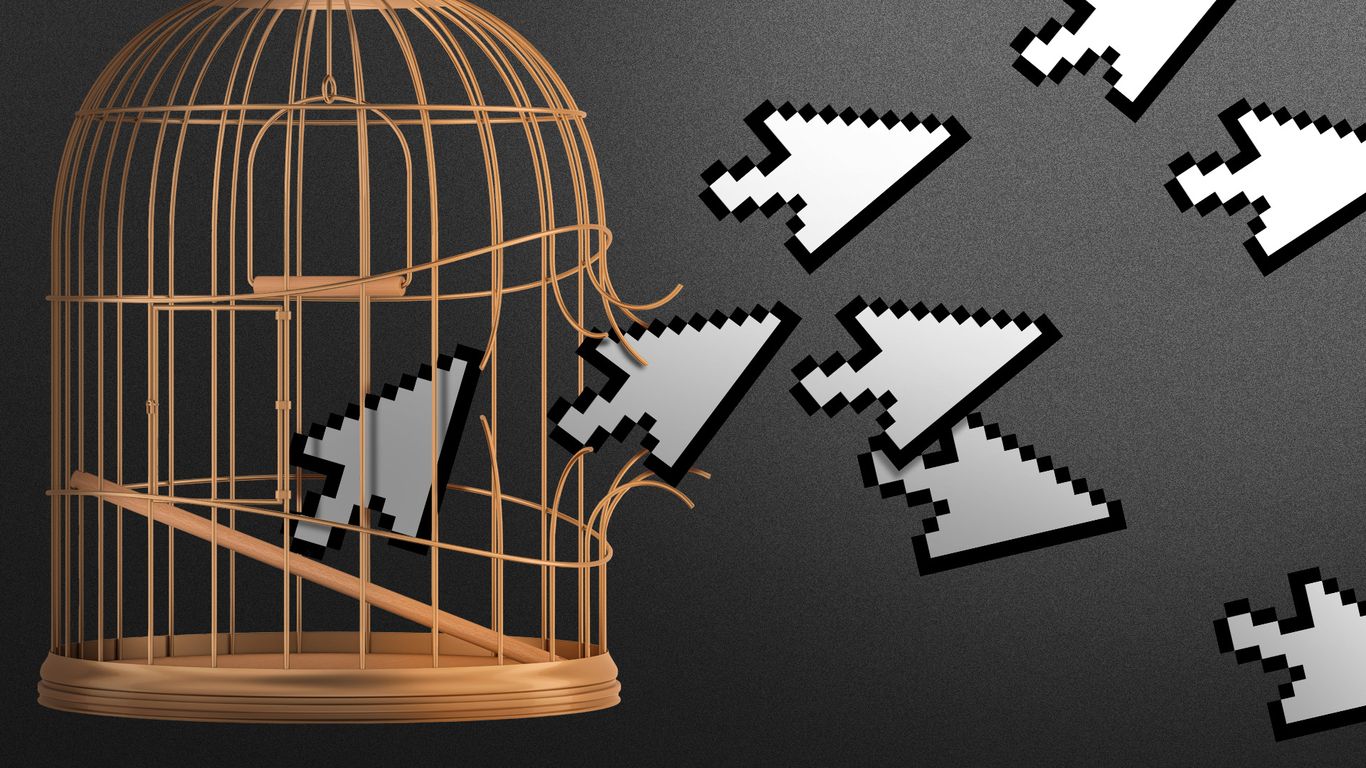
“Think of it like a driving instructor with dual controls,” Google’s blog post stated. “The instructor trusts the student but stays ready to take the wheel or hit the brakes if a mistake occurs.” Google DeepMind’s plan itself lays out “internal guardrails designed to catch potential adversarial behaviour by AI agents, even as they become increasingly harder to oversee and contain,” naming methods like chain-of-thought monitoring, asynchronous alerts, real-time access control, and shutdown infrastructure. [Link: GDM AI Control Roadmap | https://storage.googleapis.com/deepmind-media/DeepMind.com/Blog/securing-the-future-of-ai-agents/gdm-ai-control-roadmap.pdf | Google DeepMind]
Google DeepMind released an AI Control Roadmap with guardrails (chain-of-thought monitoring, access control, shutdown) for autonomous agents. This signals enterprise-wide shift toward governance frameworks now required for regulatory compliance in AI agent deployment.