
Column
The Dry Eye
June 19, 2026
4 min read
Add topic to email alerts
Recent data suggest that 85% of dry eye disease in the U.S. is partially or completely evaporative dry eye.This means that 85% of dry eye disease (DED) likely originates in the meibomian glands of affected patients. Now is as good a time as any to review best practices for evaluating and treating meibomian gland dysfunction (MGD).
Column
The Dry Eye
June 19, 2026
4 min read
Add topic to email alerts
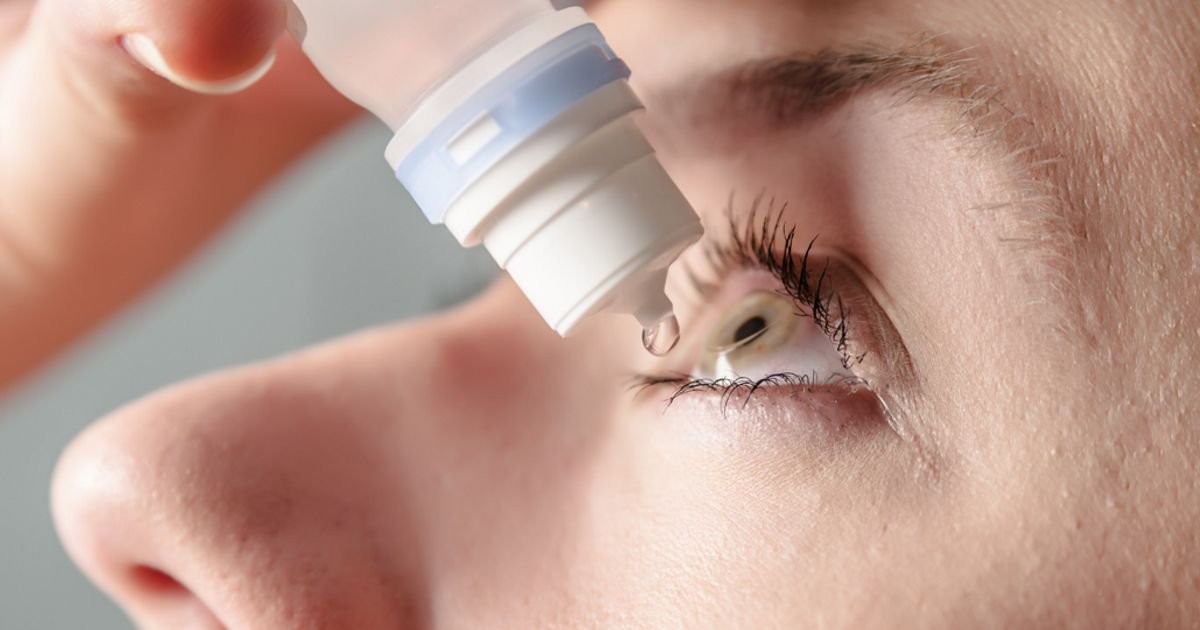
To manage dry eye symptoms in Sjögren’s disease, use preservative-free eye drops and treat meibomian gland dysfunction, according…

The currently available body of evidence is not strong enough to support vitamin supplementation as a treatment for dry eye…

Some patients with dry eye disease can be difficult to treat, but clinicians can help them by looking for underlying issues,…
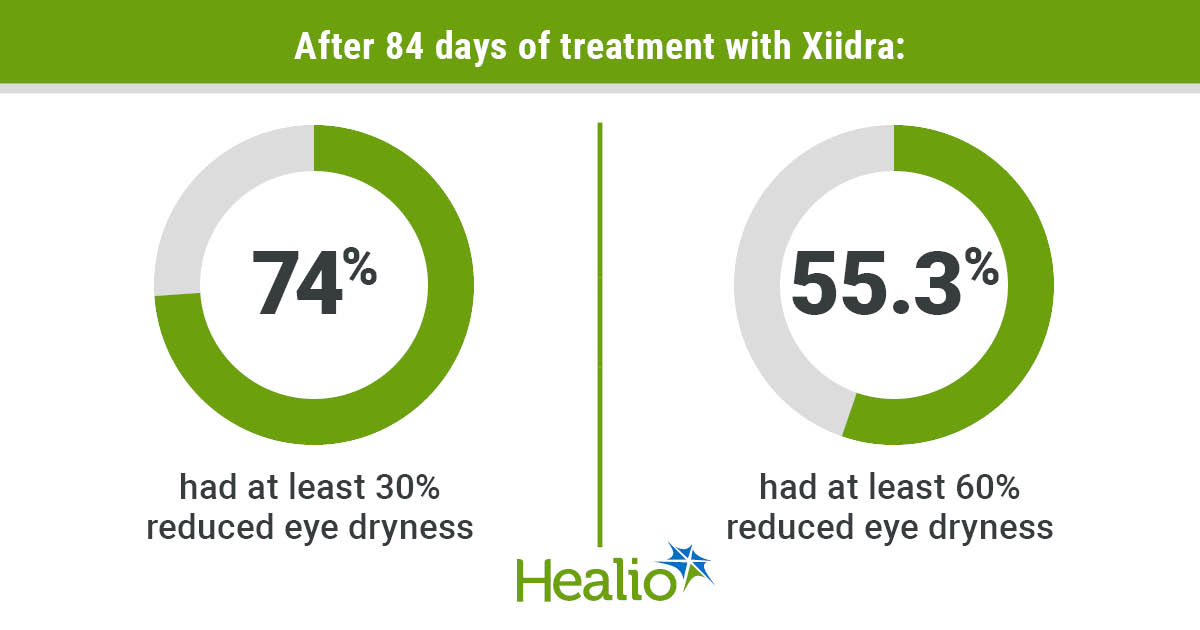
PHOENIX — Most patients who used Xiidra eye drops had a “clinically meaningful” reduction in eye dryness by the 84th day of…
What do you see in your mind’s eye when you write that first prescription for your new symptomatic patient with dry eye…
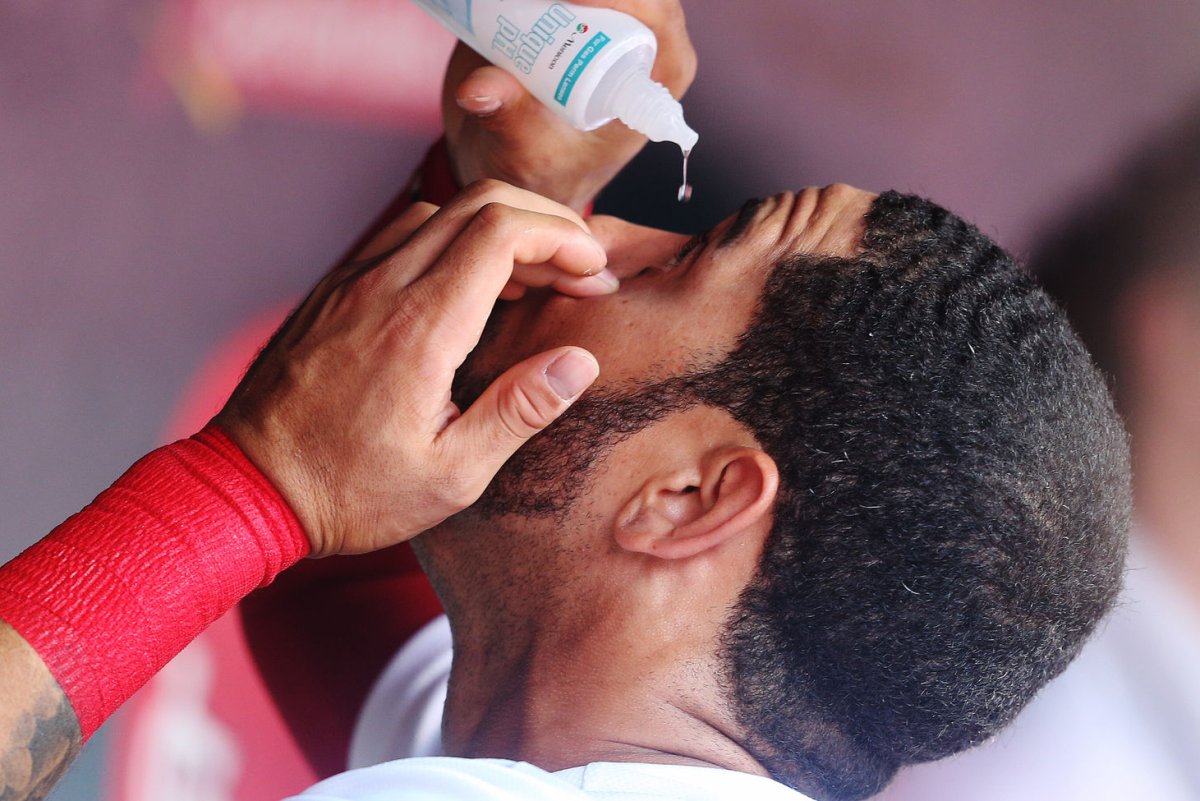
More than half of people in the U.S. and Europe struggle with dry eyes, but only a small percentage of sufferers seek treatment,…