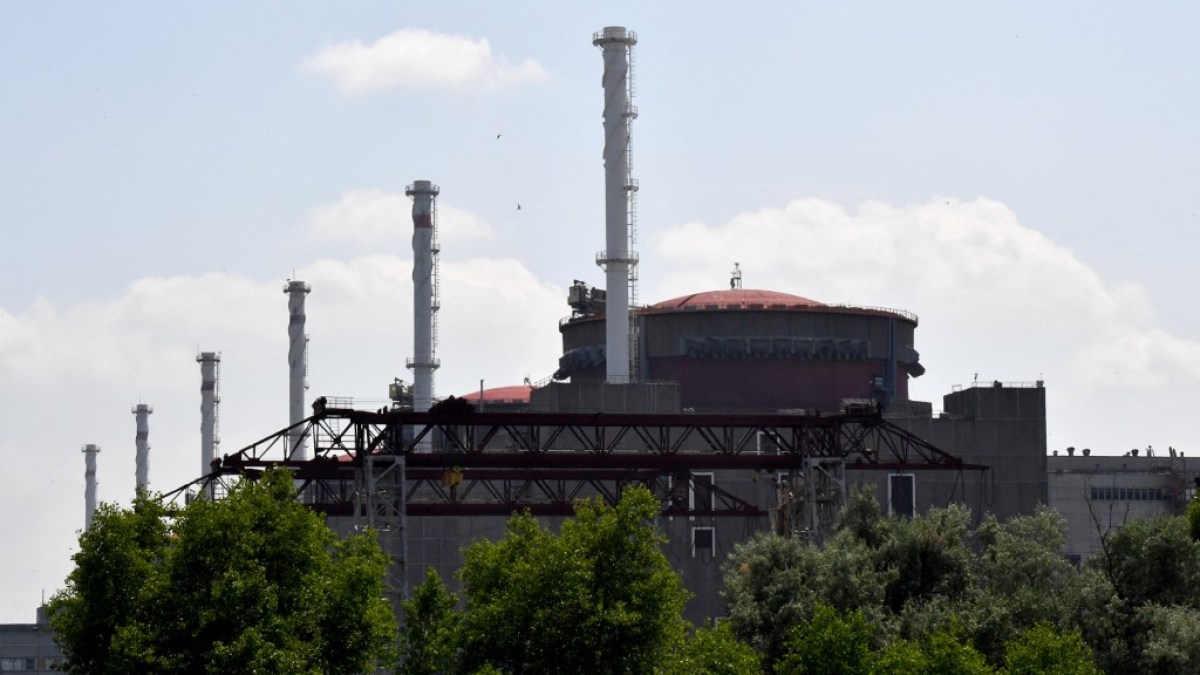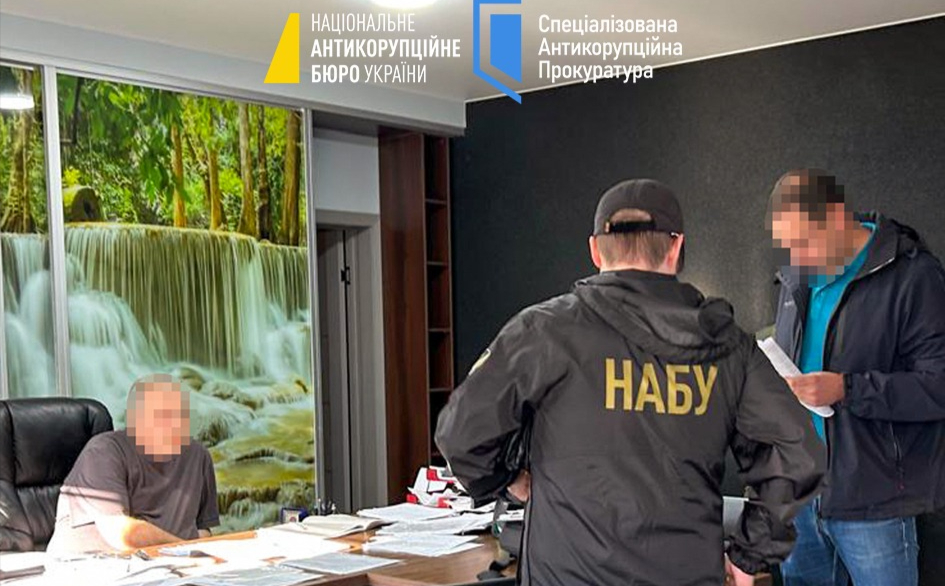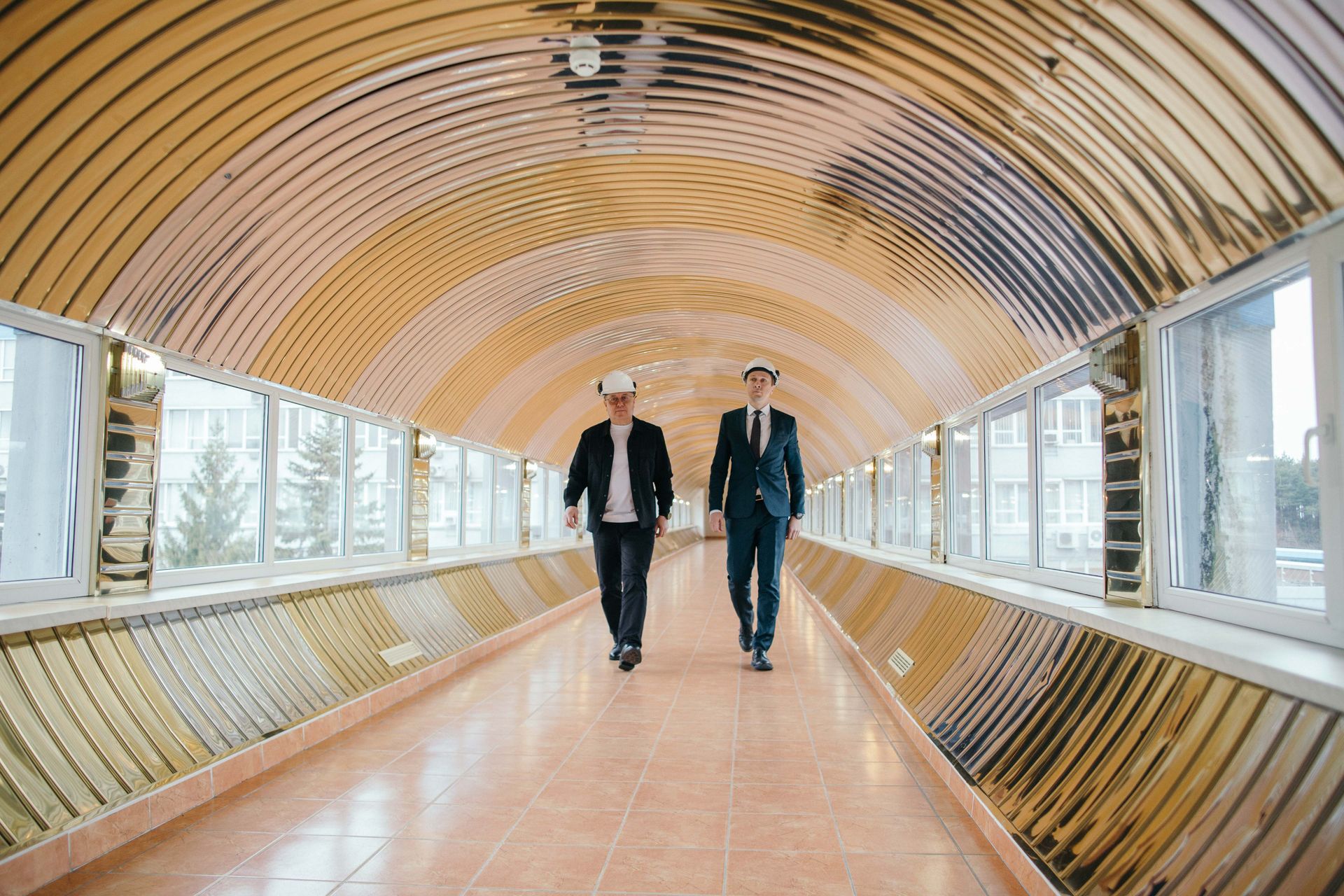
Energoatom's acting CEO Pavlo Kovtonyuk (L) and the Director General of the Rivne Nuclear Power Plant Taras Tkach (R) at the Rivne Nuclear Power Plant in Rivne Oblast, Ukraine, on Apr.10, 2026. (Alona Malashyna / The Kyiv Independent)Kyiv vowed to clean up corruption at Ukraine’s troubled state-run nuclear company, but seven months after the country’s most significant wartime corruption scandal, the old system remains largely intact.Energoatom, which operates three working nuclear plants that generate more than 60% of Ukraine’s electricity, became the poster child for Kyiv’s wartime corruption after anti-graft authorities uncovered a $100 million kickback scheme last November.Among the perpetrators were close associates of President Volodymyr Zelensky, including his business partner Timur Mindich, former right-hand man Andrii Yermak, and then-Justice Minister Herman Halushchenko.L: Timur Mindich in Israel. (Screenshot / Ukrainska Pravda) C: Andriy Yermak, former President Volodymyr Zelensky's chief of staff in Kyiv, Ukraine, on May 13, 2026. (Ivan Antypenko/Suspilne Ukraine/JSC "UA:PBC"/Global Images Ukraine via Getty Images) R: Herman Halushchenko, Former Justice Minister of Ukraine in Kyiv, Ukraine, on Feb. 17, 2026. (Ivan Antypenko/Suspilne Ukraine/JSC "UA:PBC"/Global Images Ukraine via Getty Images) (Collage: The Kyiv Independent)Since the scandal, Energoatom’s new supervisory board — launched in January as part of anti-corruption reforms — has suspended some suspects linked to the scheme and, on June 15, launched a long-awaited competition for a new CEO.But top-level managers linked to the Mindich group are still working at the company, including acting CEO Pavlo Kovtonyuk, who was named in wiretapped recordings gathered by anti-corruption authorities, several energy and anti-corruption experts told the Kyiv Independent.In another setback, two independent members of the supervisory board suddenly quit their posts last month. Initially, reformers had high hopes for the board, but state-appointed members now outnumber independent members three to two, which they say could compromise its independence."This fundamentally alters the governance balance that was intended to safeguard independent oversight and accountability within the company," Martyna Bohuslavets, head of the Ukrainian anti-corruption center Mezha, told the Kyiv Independent.Rotten systemOne reason the scheme was able to go unchecked for so long was that the Energy Ministry, under then-Energy Minister Halushchenko, blocked the supervisory board from functioning. In addition, Halushchenko’s allies allegedly hijacked the company’s internal anti-corruption safeguards, including the security director’s office."Over many years, informal centers of influence developed around personnel appointments, procurement processes, and financial flows within the company," a former energy sector official told the Kyiv Independent on condition of anonymity.Keen to repair some of the reputational damage and regain trust, the government formed the new supervisory board in record time earlier this year. The appointment of prominent figures such as former Westinghouse CEO Patrick Fragman was widely seen as an effort to instill confidence in the rebooted board.
Why Ukraine’s nuclear corruption cleanup is taking so long
Kyiv vowed to clean up corruption at Ukraine’s troubled state-run nuclear company, but seven months after the country’s most significant wartime corruption scandal, the old system remains largely intact. Energoatom, which operates three working nuclear plants that generate more than 60% of Ukraine’s electricity, became the poster child for Kyiv’s wartime corruption after anti-graft authorities uncovered a $100 million kickback scheme last November. Among the perpetrators were close associates
1,001 words~5 min read