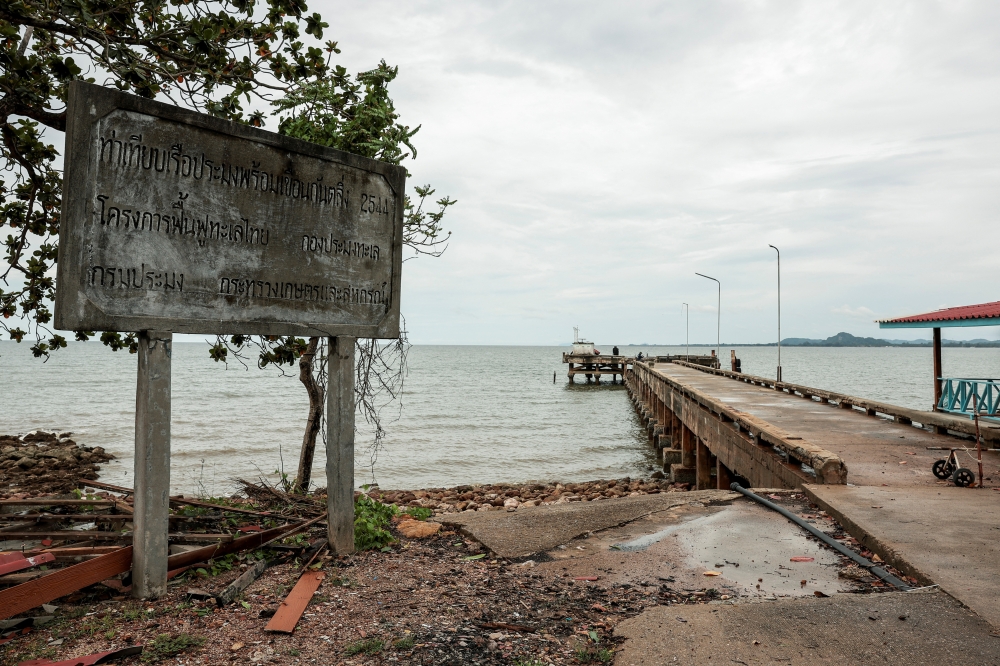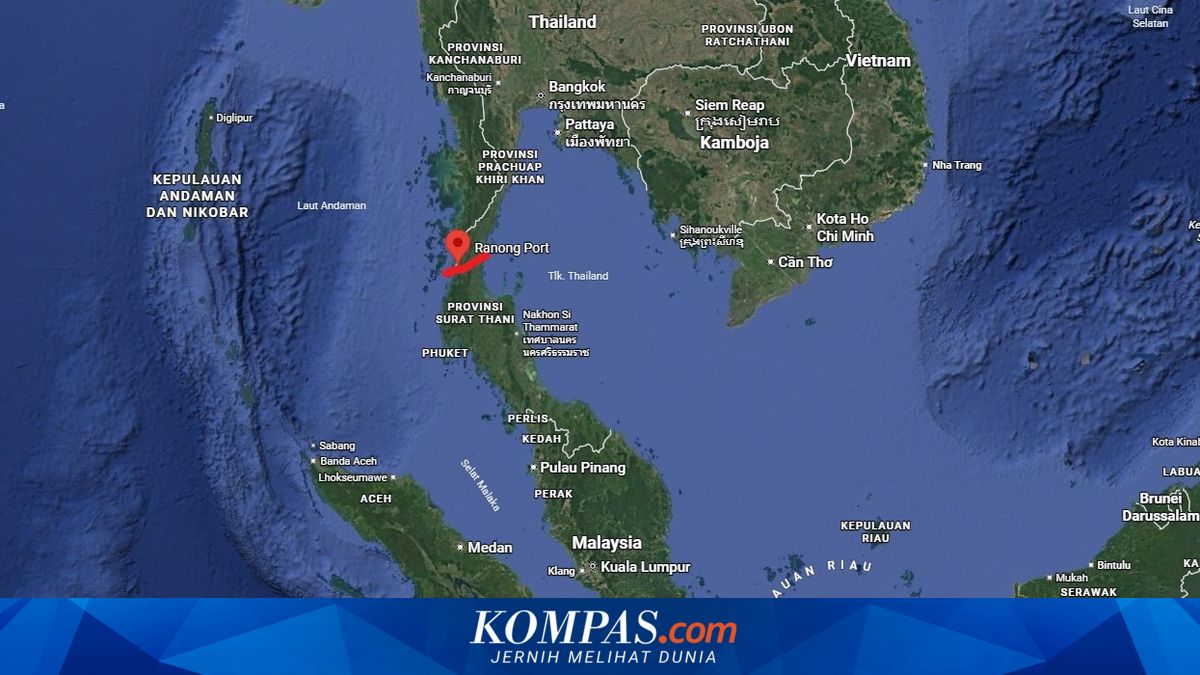
Thailand’s US$36 billion push for its Land Bridge project — a proposed corridor that would connect the ports of Ranong and Chumphon through road, rail and related infrastructure — is often framed as an attempt to reduce the country’s reliance on the Strait of Malacca. But the project’s real strategic significance lies less in whether it can replace Malacca and more in Bangkok’s attempt to convert geography into bargaining power.
Despite the Land Bridge’s geopolitical appeal, it faces several commercial weaknesses. High costs, uncertain cargo demand, environmental risks, local opposition and regional port competition raise doubts about whether shipping companies would use it at scale. Rather than a logistics revolution, the Land Bridge is better understood as a contested bid for strategic optionality.
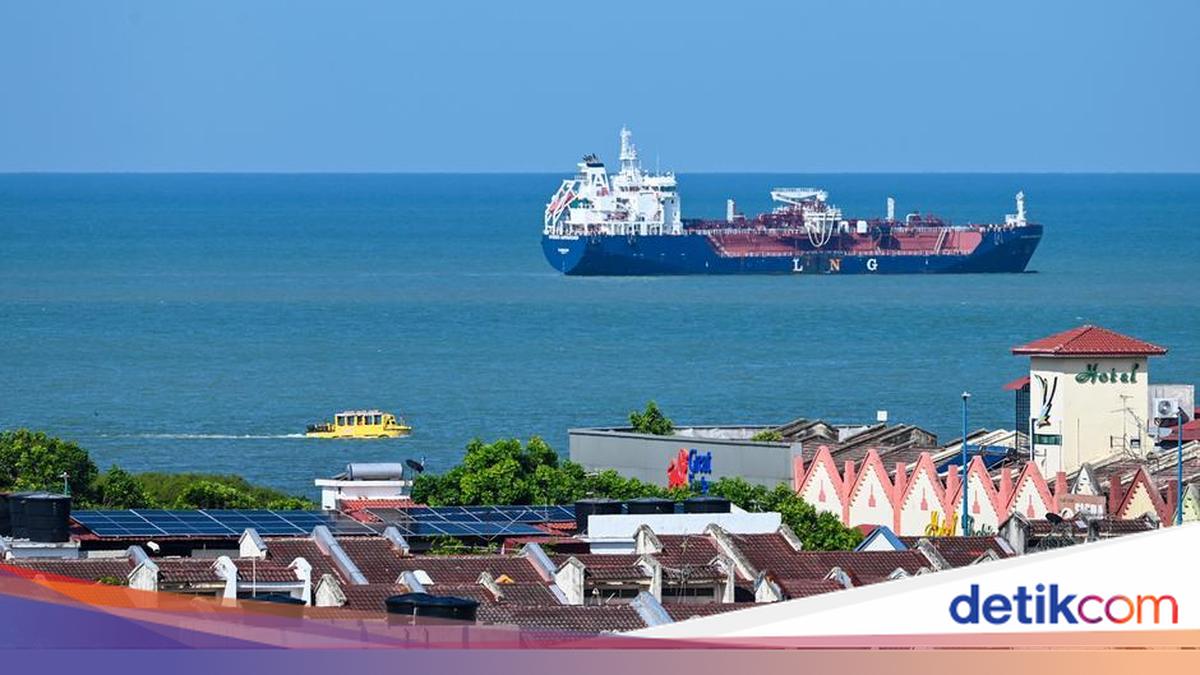
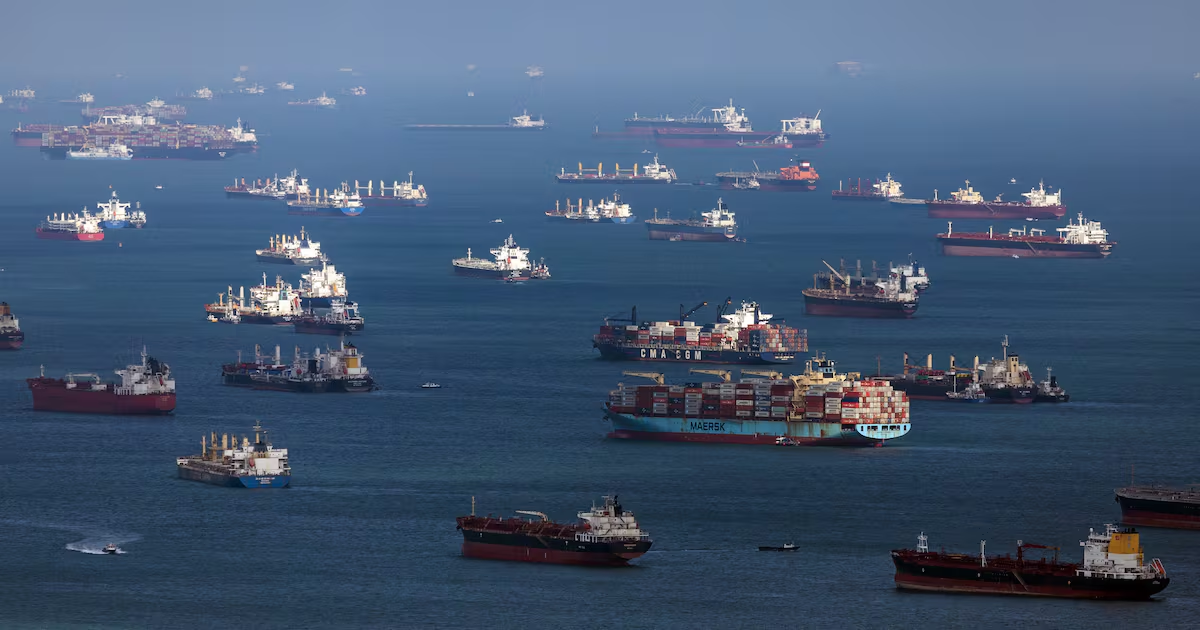
Global shipping has already begun to adapt to the more fragmented and insecure trade environment. UNCTAD’s Review of Maritime Transport 2025 warned that international shipping is facing uncertainty, volatility and rising costs amid geopolitical tensions, rerouting and pressure on critical chokepoints. The Land Bridge belongs to this wider global shift — states are no longer treating efficient routes as permanent infrastructure but as strategic vulnerabilities requiring redundancy.