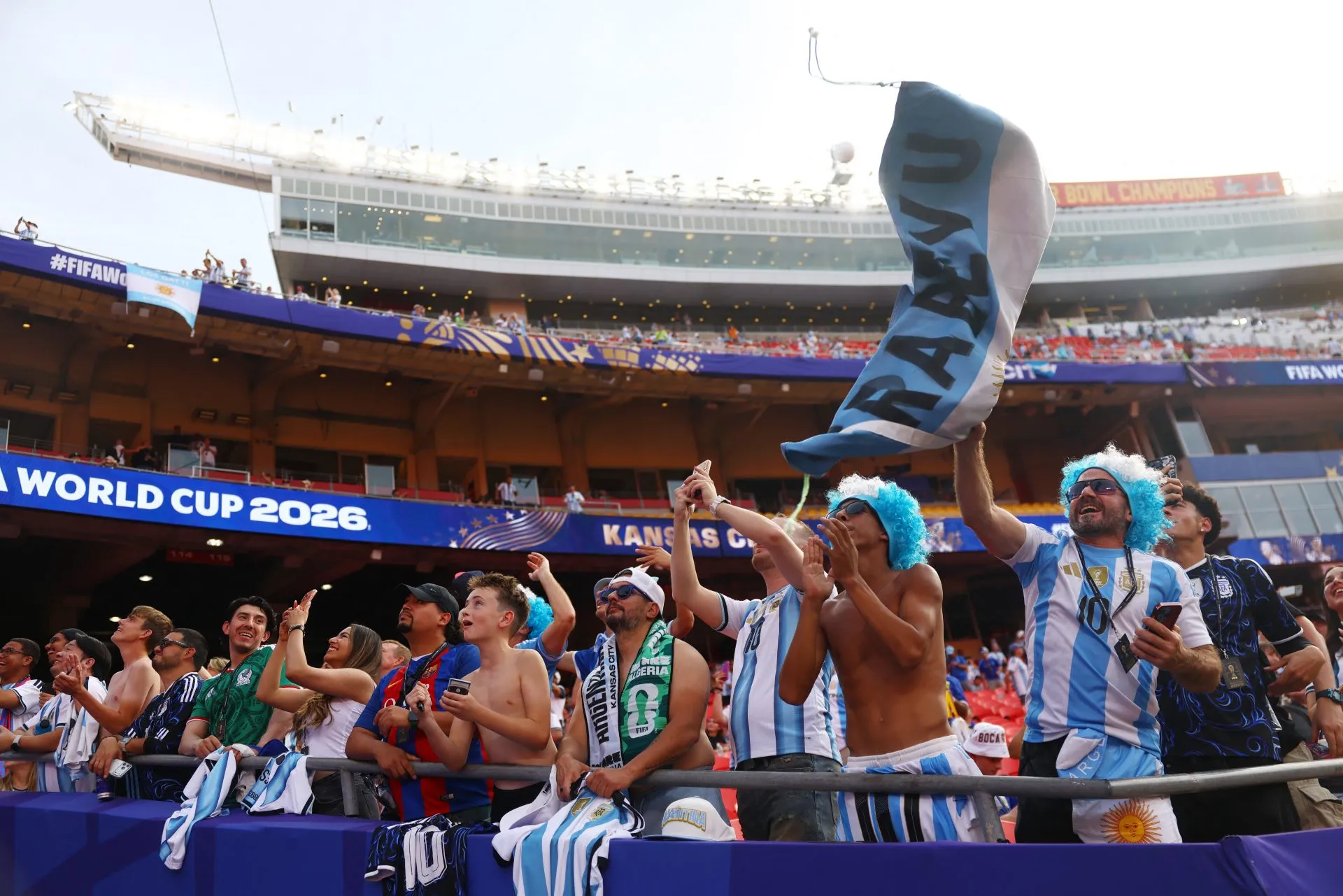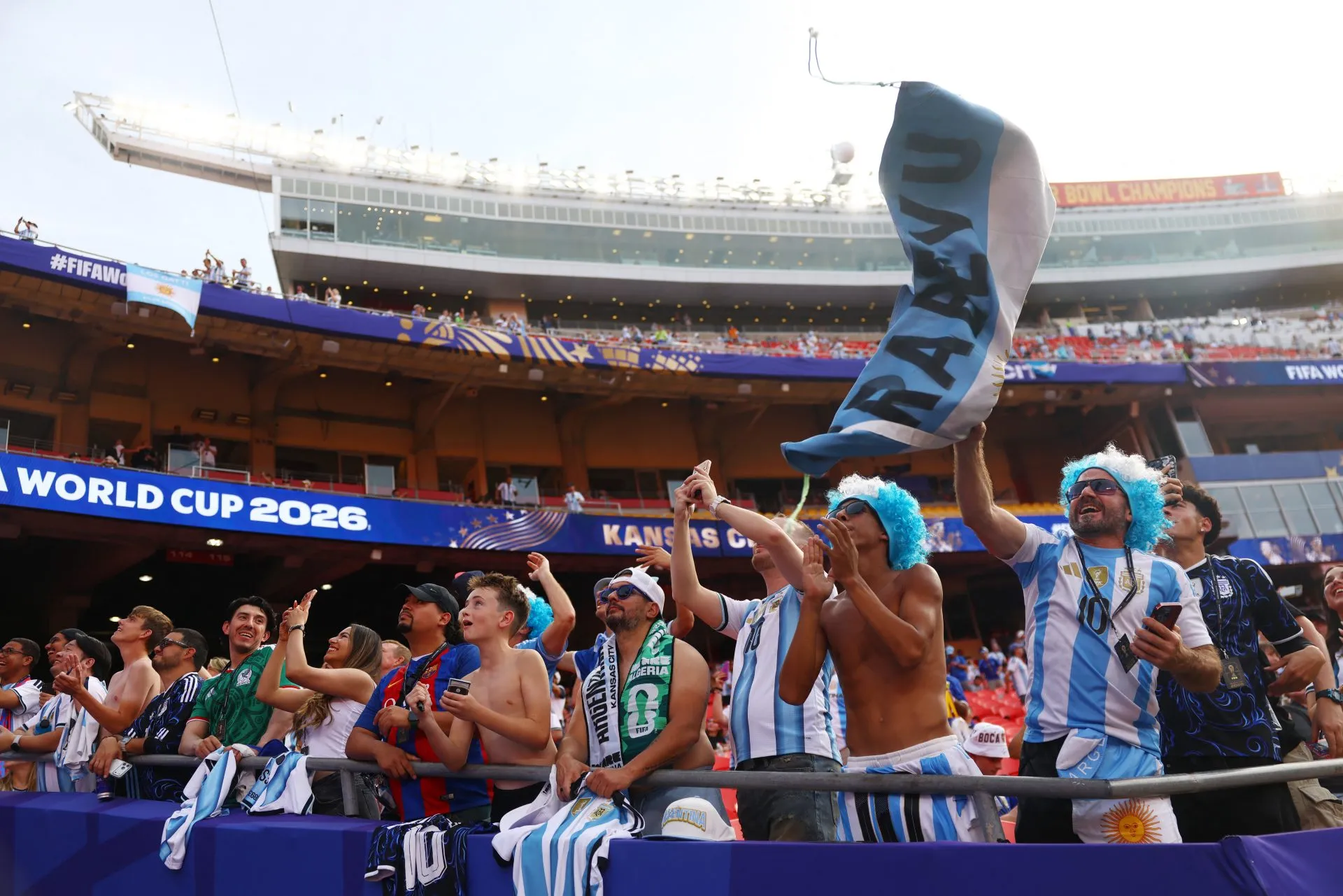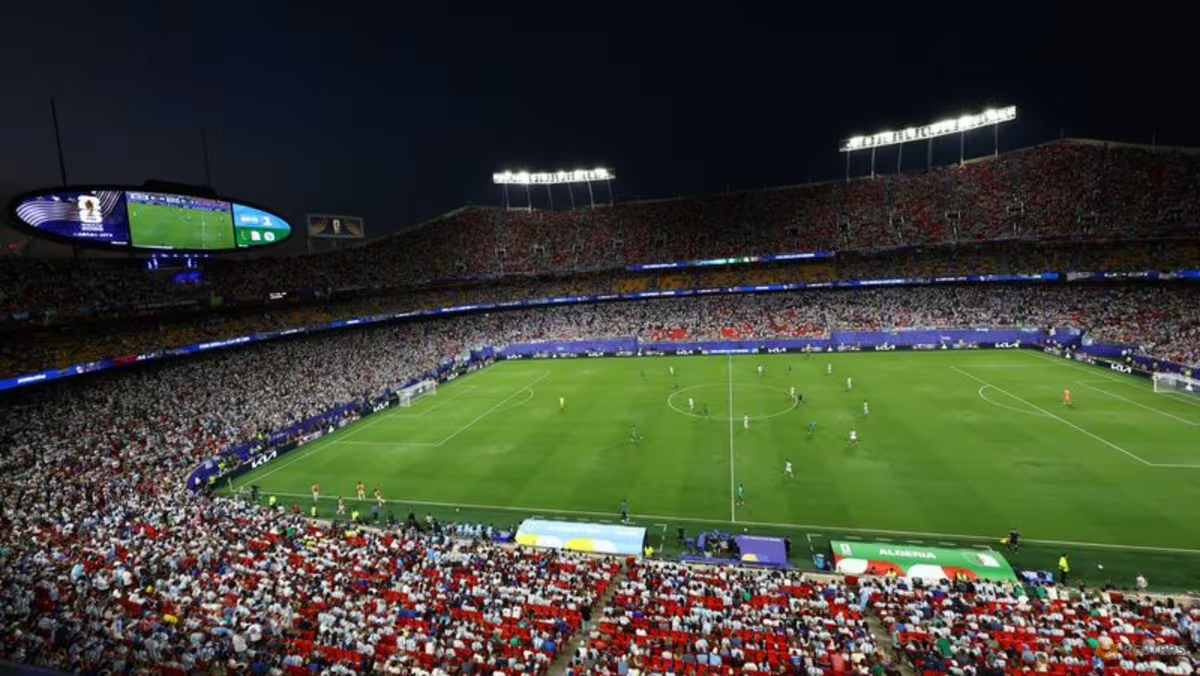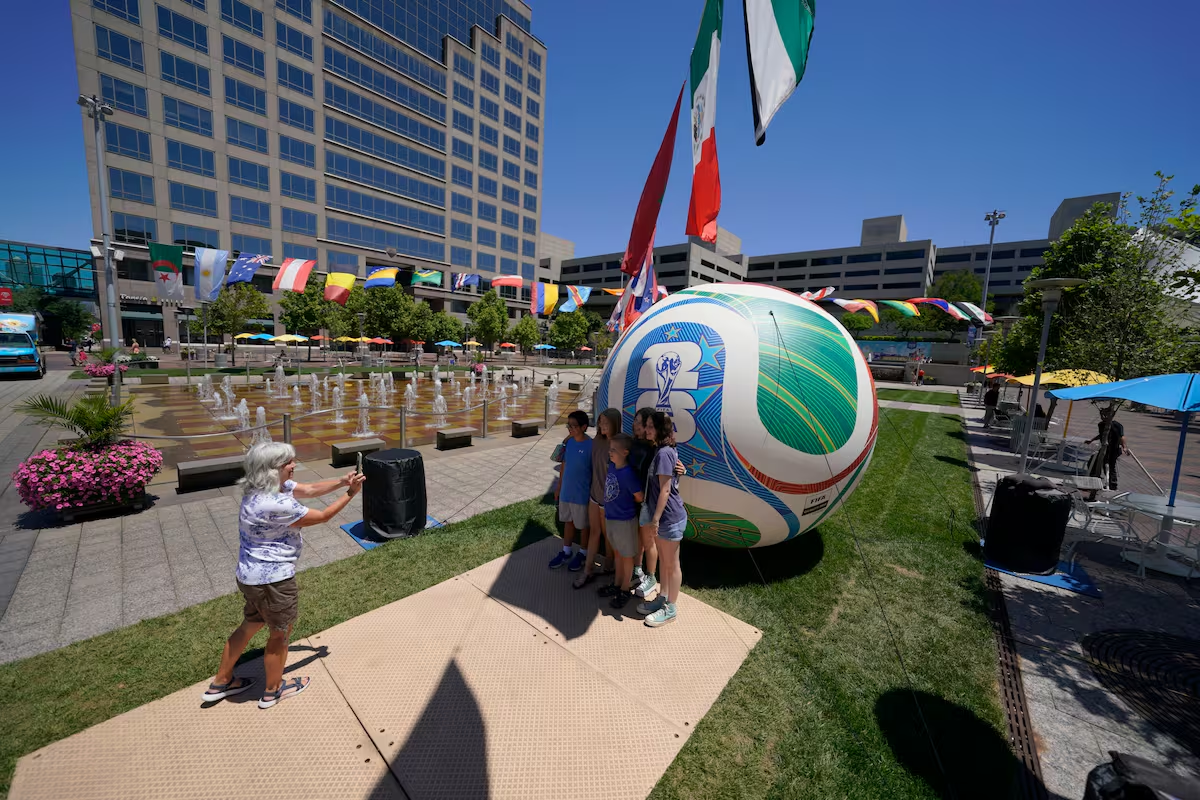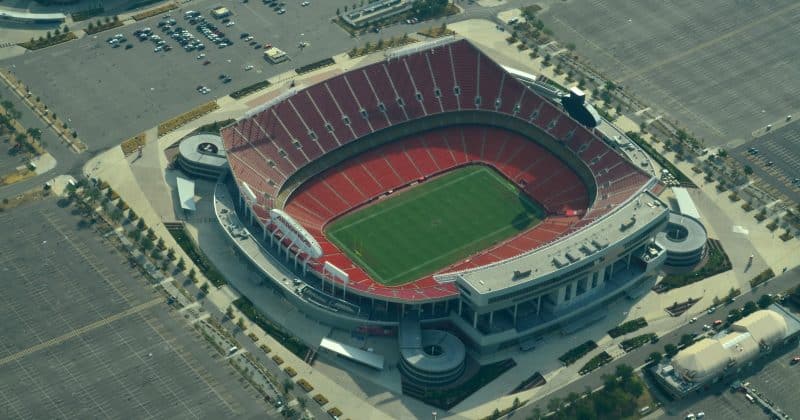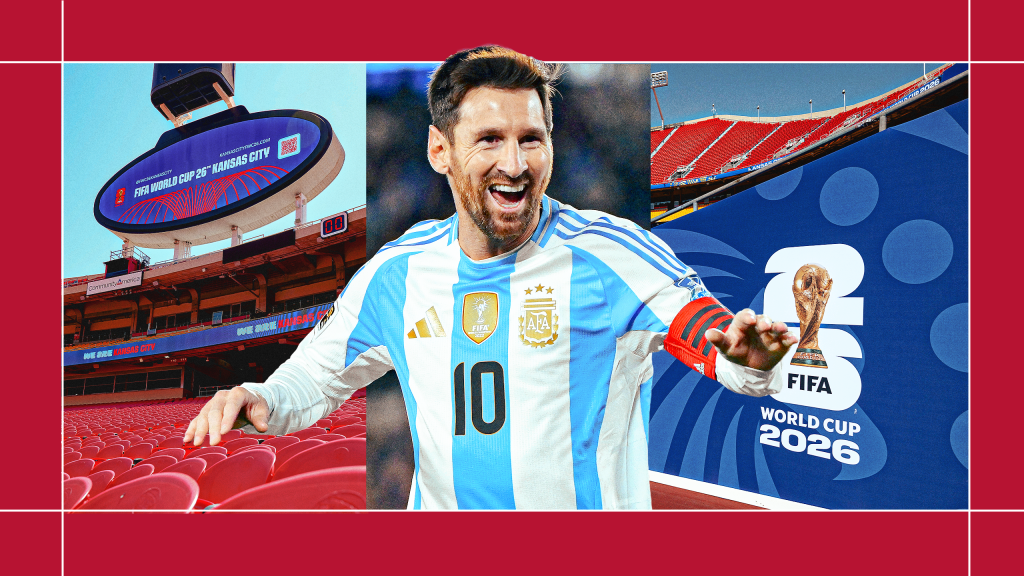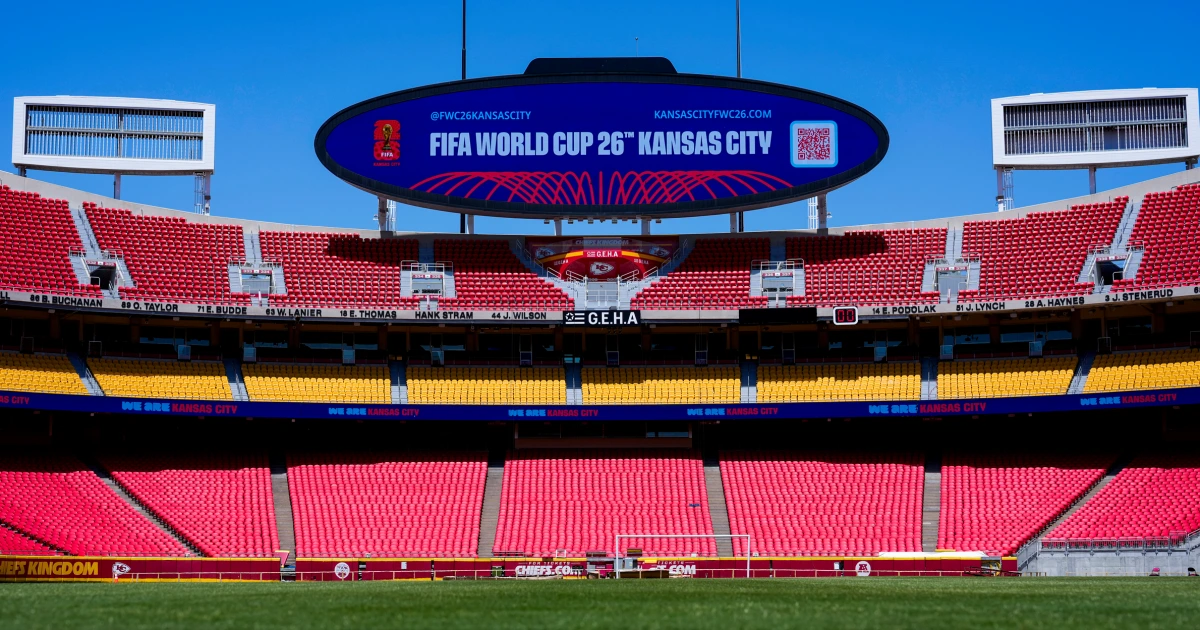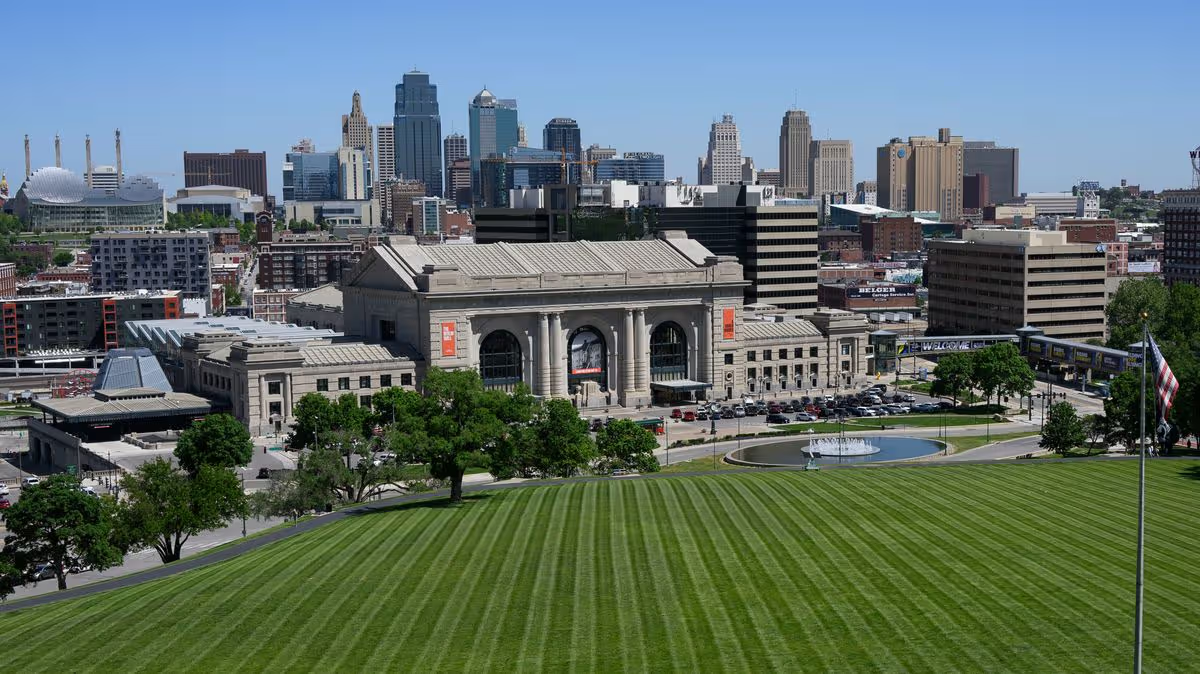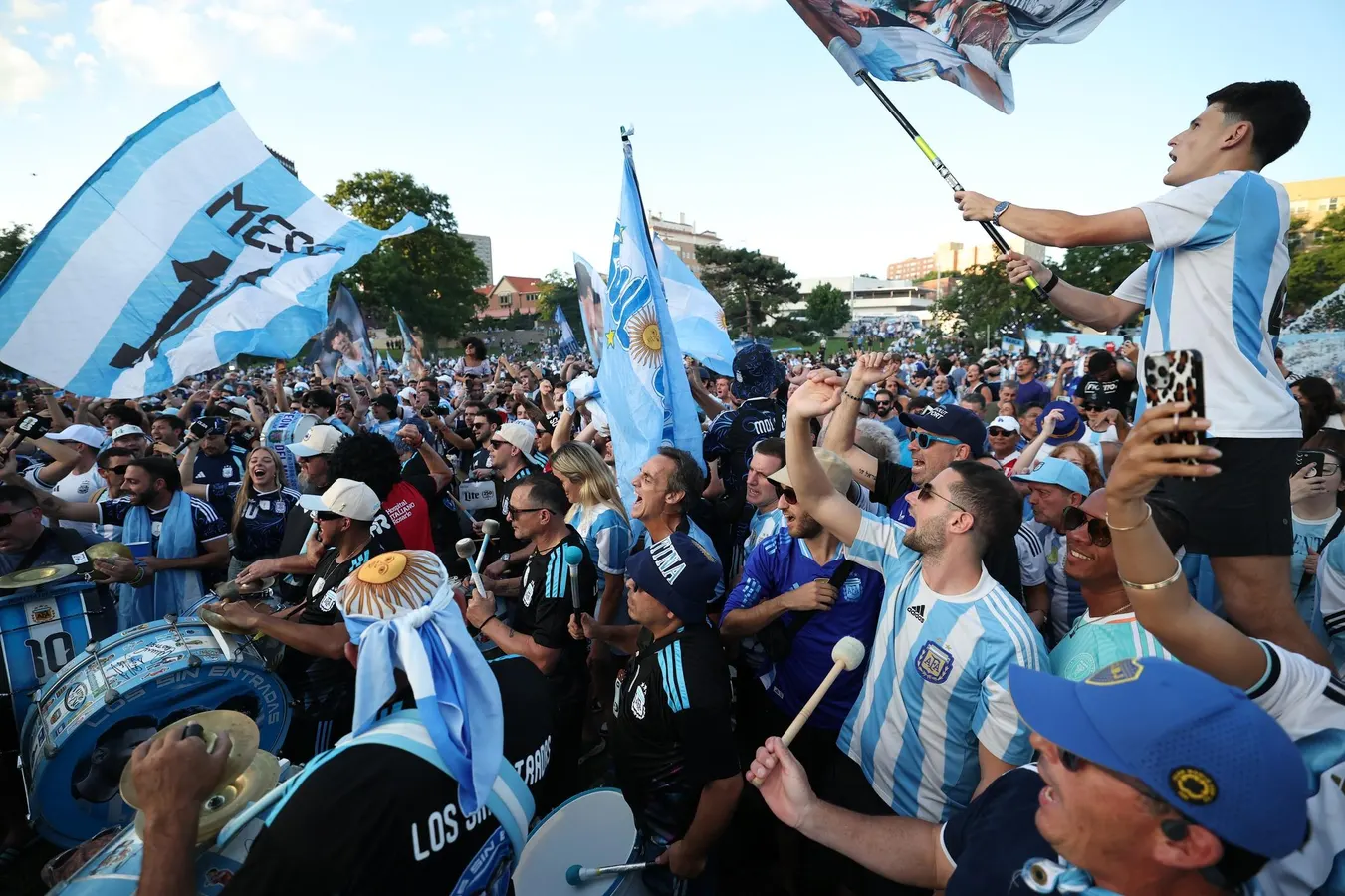
ToplineKansas City, the smallest U.S. World Cup host city, convinced three powerhouse teams to choose it for their base camps, and that could deliver an outsized economic boon, say tourism experts.Argentina supporters rally in Kansas City's Mill Creek Park ahead of the first game. (Photo by Francois Nel)Getty ImagesKey FactsOf the 39 World Cup teams based in the U.S., three of the top 10 teams in FIFA’s rankings—Argentina (No. 1), England (No. 4) and the Netherlands (No. 8)—chose Kansas City as a base camp.“Those base camps were always part of our focus,” Pam Kramer, CEO of KC2026, the city’s non-profit World Cup organizing committee, told Forbes, adding, “we were intentional in maximizing the moment and making sure people knew we’re the base camp capital of the world.”Last year, FIFA told officials in World Cup host cities to expect a 50/50 split between domestic and international visitors, but a recent survey of hoteliers in host cities suggested visa barriers and broader geopolitical concerns are significantly suppressing international demand.Roughly 90,000 international fans have registered for Kansas City fan fests, Kramer told Forbes, suggesting strong base camp visitation. Overseas World Cup visitors will spend $5,000 per person, on average—roughly 10 times what the average American visitor will spend, according to U.S. Travel Association estimates.Crucial Quote“It’s beautiful to realize we don’t have to rely on politicians to be the face of America but for Americans to be the face of America,” U.S. Travel Association CEO Geoff Freeman told a panel of Kansas City’s political and tourism leaders on Tuesday. Freeman told Axios that politicians like U.S. Rep. Mark Alford, R-Mo., and Missouri’s Republican Governor Mike Kehoe, who were at the event, “know the role they play at a local level on travel issues. What happens when they get to a federal level is they forget the role that policies have on welcoming or not welcoming travelers.”English team captain Harry Kane signs autographs for fans in Kansas City. (Photo by Bradley Collyer)PA Images via Getty ImagesWhy Base Camps, Rather Than Host Cities, May See A Bigger Economic Lift“Kansas City hit paydirt. The organizers have been very, very smart and very tuned into World Cup dynamics from the very beginning,” Alan Fyall, associate dean at the University of Central Florida’s Rosen College of Hospitality Management, told Forbes. Unlike host cities, where fans tend to fly in and out within 48 hours to see a game, base camps are where the teams and their delegations sleep, eat, train and conduct daily press conferences that are broadcast back in their home countries. Diehard fans tend to stay longer in the hopes of seeing favorite players in a more relaxed, accessible setting. “If you’re the type of fan who is going to stay in the U.S. for a while, you want one base,” Fyall told Forbes. “At the base camps, fans know they might be able to see the team training or get some autographs. It gives that feeling of, ‘oh, I'm on the inside, I know what's going on.’” To his point, this week thousands of flag-waving Argentines turned up for a rally in Kansas City’s Mill Creek Park, before the team also played a match in the city. The Netherlands’ Orange Army descended upon Riverside, while hundreds of English fans watched their team train and lined up for autographs at Swope Park. When tickets opened for Kansas City’s 18-day fan fest, initially about 80% of registrants came from a 45-minute radius of the city, Kramer said, but “now that’s down to 55%.” The international fans in Kansas City see “what makes this market unique, and to see the locals rise to that occasion, to be so welcoming … I think we’re in the very early stages of the buzz really taking off,” Freeman said at Tuesday’s event.Netherlands captain Virgil van Dijk signs autographs after a training session at KC Current Training Facility in Kansas City. (Photo by JUAN MABROMATA)AFP via Getty ImagesHow Kansas City Wooed 3 Top Teams“One of the main reasons the Argentinians, English and Dutch chose Kansas City is it’s got a fantastic sports infrastructure,” Fyall told Forbes. Kramer agreed, crediting facility partners at Sporting Kansas City, the KC Current, the University of Kansas and the $20-million Swope Soccer Village for pulling out the stops to attract the world’s best teams. “They loved the facilities, they loved the centrality of Kansas City, being able to fly to any match in the World Cup in three hours or less,” she said. “And then there’s our culture here. We’re very welcoming and approachable.” Fyall says while Kansas City is a host city, the multiple base camps will deliver significant international visibility courtesy of the foreign sports press. “Probably two or three times a day, every day of the tournament, they will have interviews with the players and the coaches, always with a Kansas City backdrop,” he said. “You just can’t buy that publicity,” Kramer said.Other World Cup Base Camps Could Also See A Big UpsideSoccer fans swarmed star striker Kylian Mbappé as the national team of France (No. 2) arrived in Boston, their chosen base. Spain (No. 3) picked Chattanooga, Tennessee’s, private Baylor School as its training base camp for the 2026 tournament. Brazil (No. 5) is training at the New York Red Bulls’ facility in Morris Township, New Jersey, about 10 miles from Basking Ridge, where Morocco (No. 6) is based at the private Pingry School. Portugal (No. 7) and its star Cristiano Ronaldo are spending the bulk of the tournament in Palm Beach, Florida. Germany (No. 9) chose Winston-Salem, North Carolina, while Belgium (No. 10) is based in Renton, Washington, about 12 miles from Seattle. Restaurants and other businesses in Alexandria, Virginia, have already seen a boomlet from fans of Croatia (No. 14). “There are blue-and-white Croatian flags everywhere, and so many people who have come to enjoy the atmosphere in between matches,” Tariq Khan, an Alexandria resident and senior economist at Tourism Economics, told Forbes. Passed over as a host city for the 2026 World Cup, Nashville pitched soccer leaders in Japan (No. 17) to make the Music City its basecamp—even dispatching the mayor’s Japanese-born chief of staff to make the presentation in her native tongue. Before the tournament began, roughly 5,000 fans turned up at the Nashville SC Training Center to watch the Samurai Blue train.Further ReadingEuropean Visitors To U.S. Dropped 7% In May—As Tourism Industry Seeks World Cup Turnaround (Forbes)World Cup: How An England Vs. Germany Final Could Boost The U.S. Economy (Forbes)
Why The World Cup’s Big Winner Could Be Kansas City
While the tourism industry has focused on World Cup host cities, base camps might end up being bigger draws for international fans.
1,081 words~5 min read