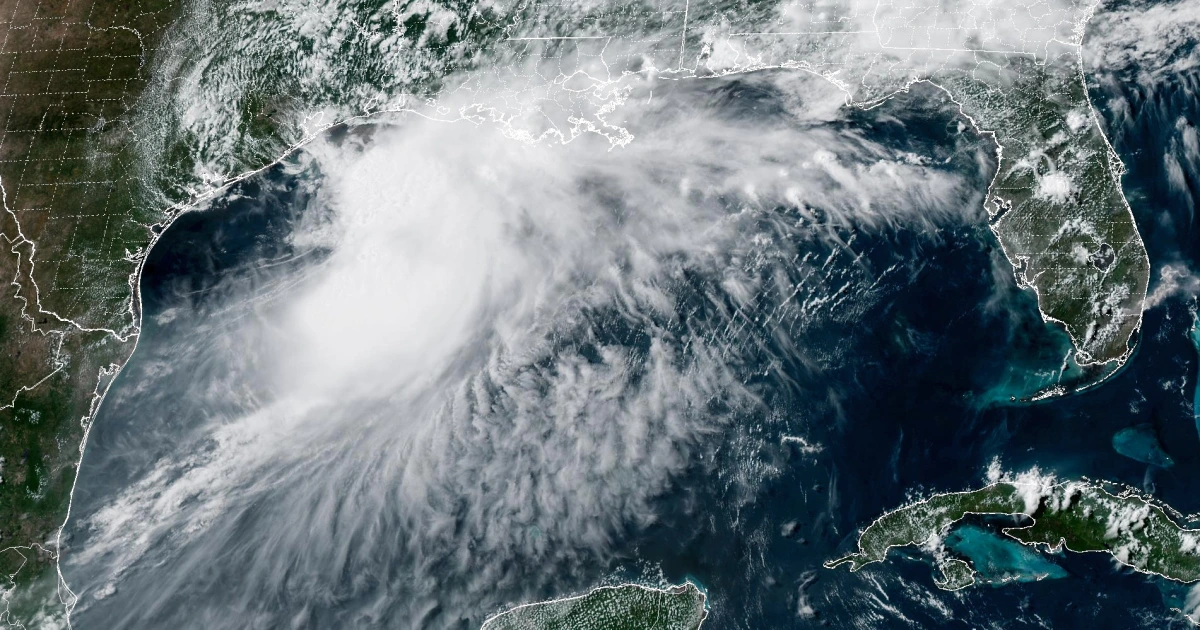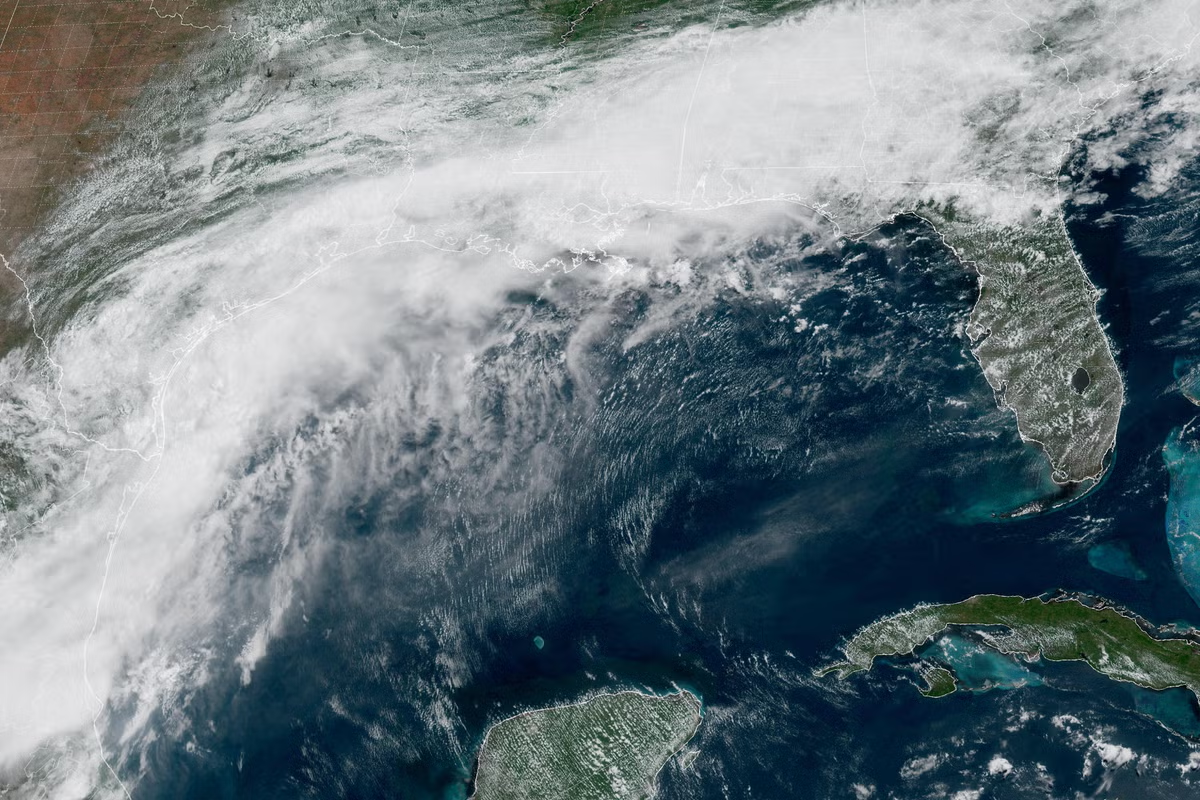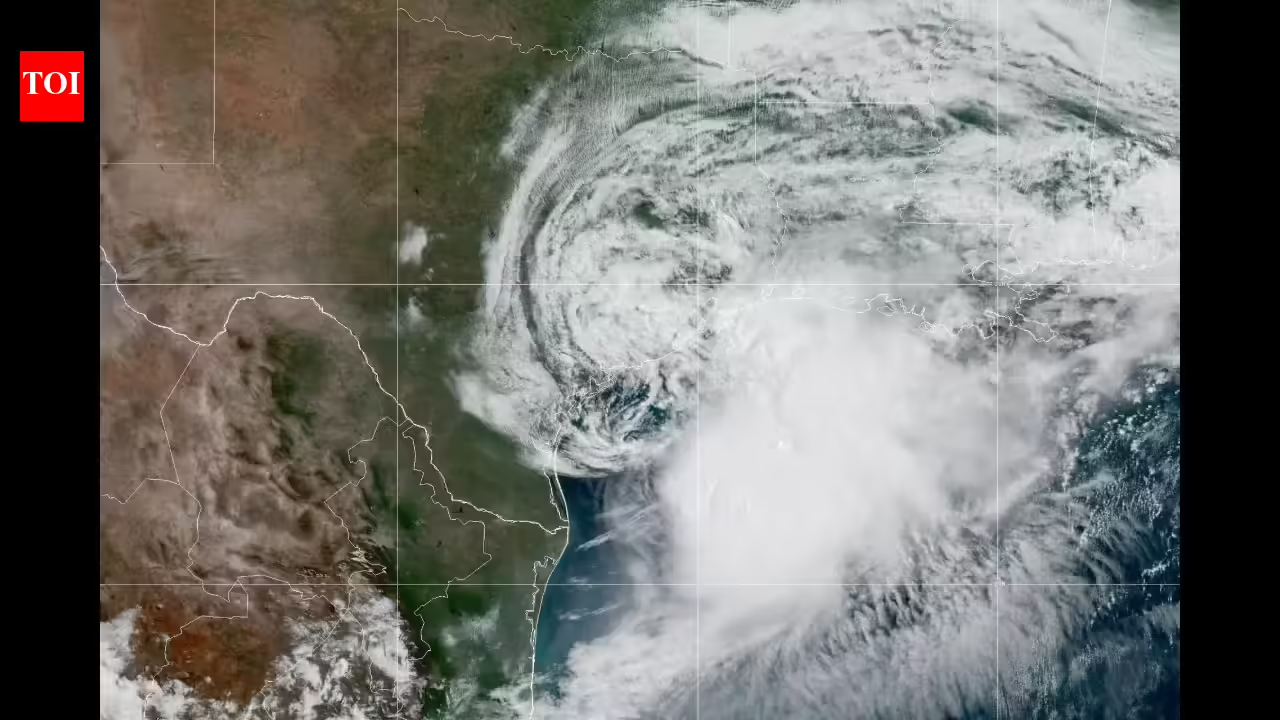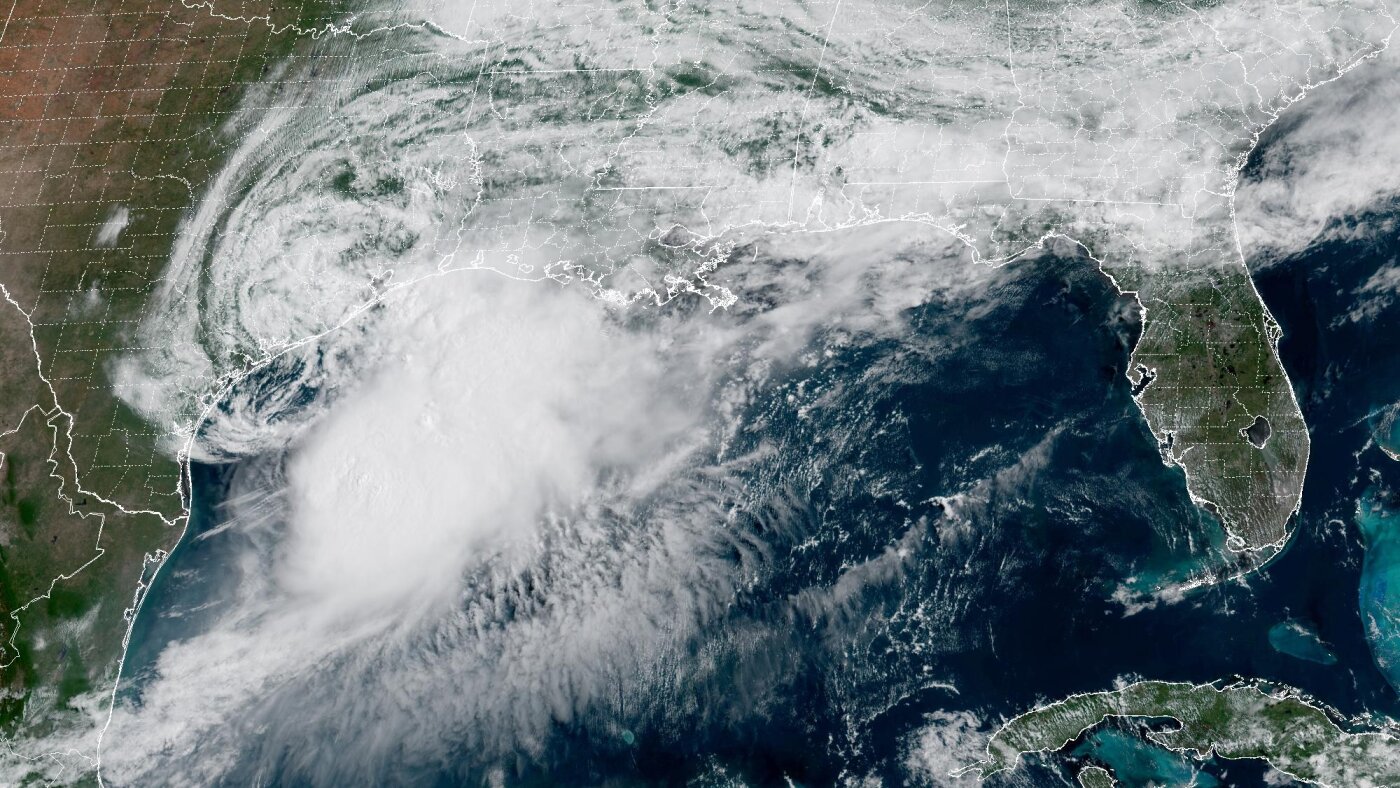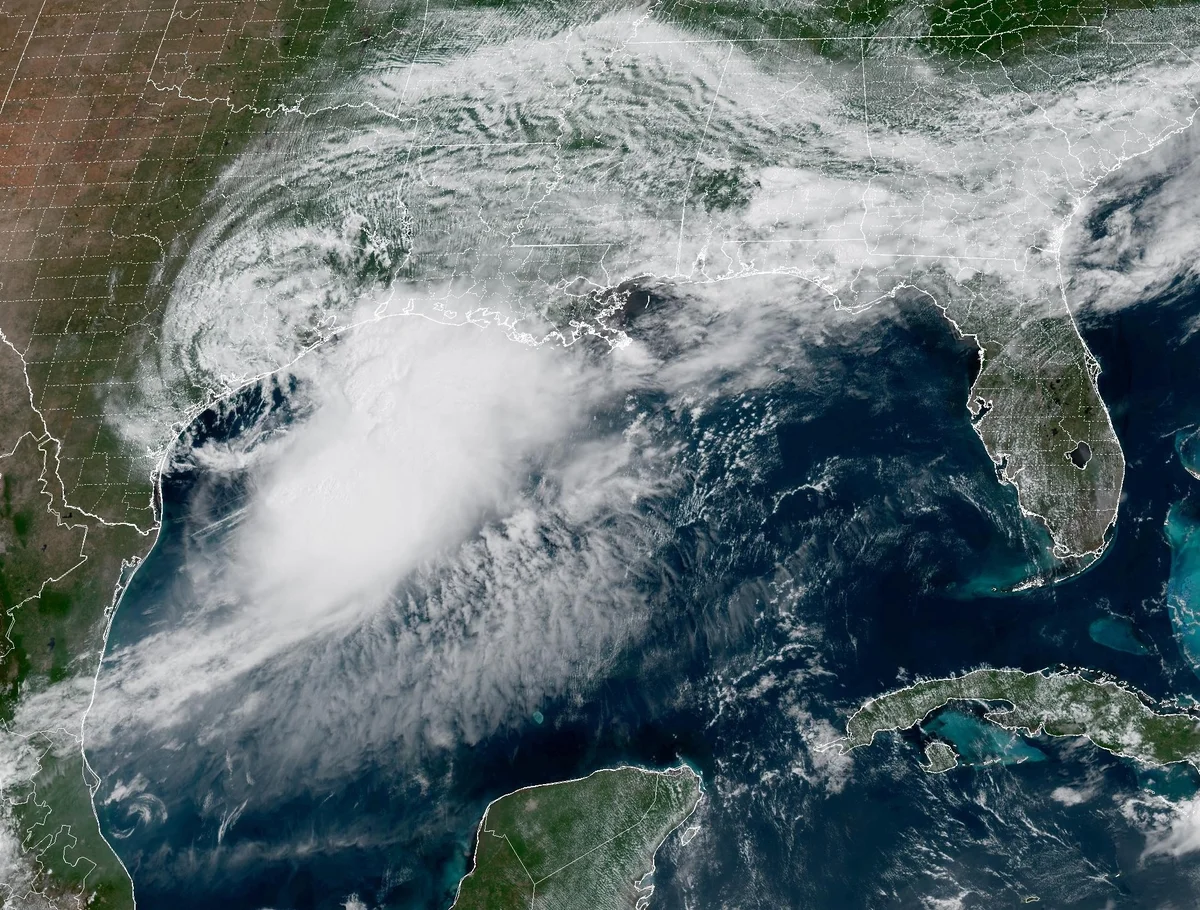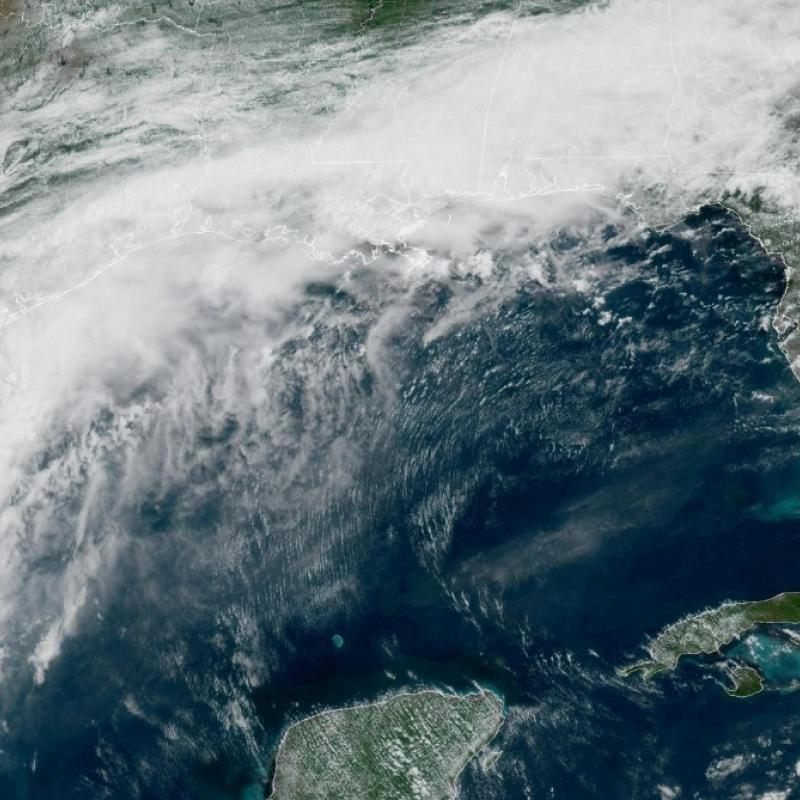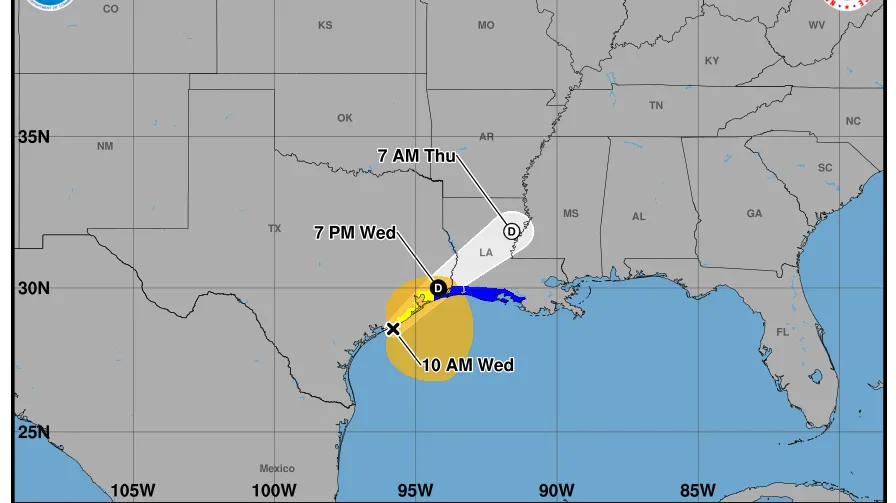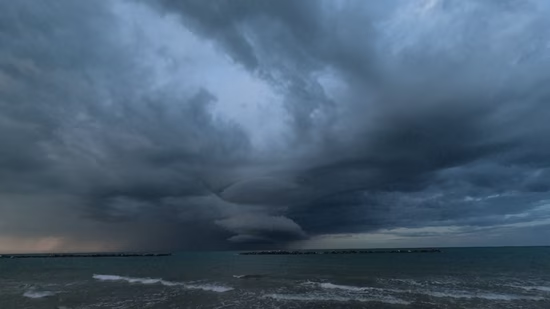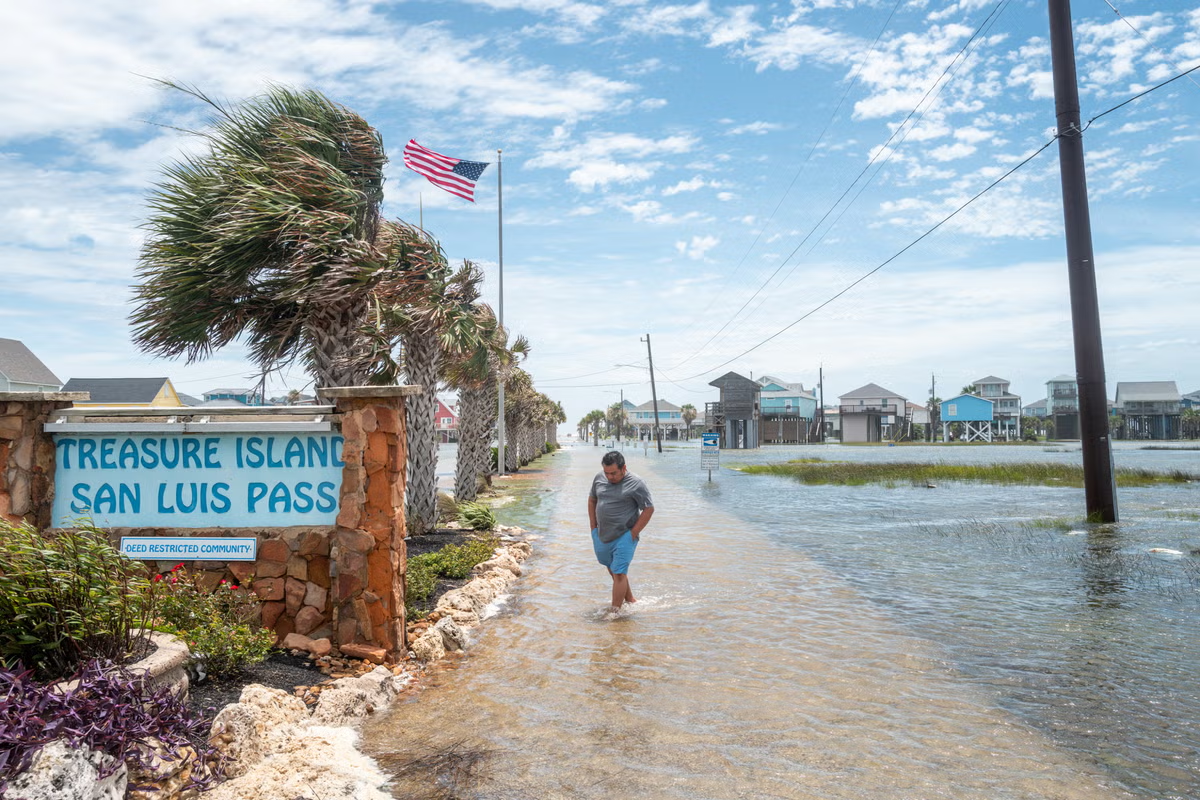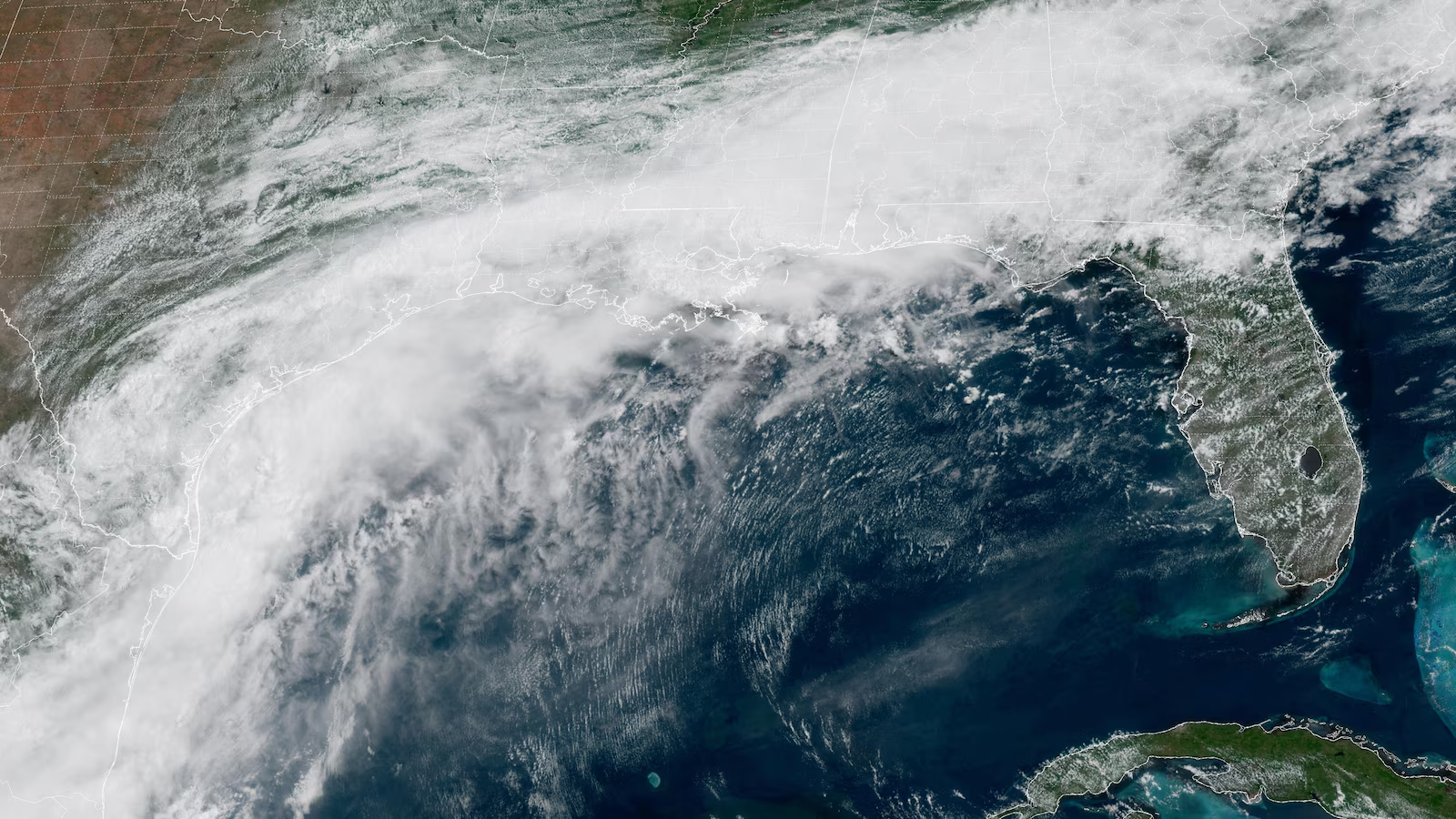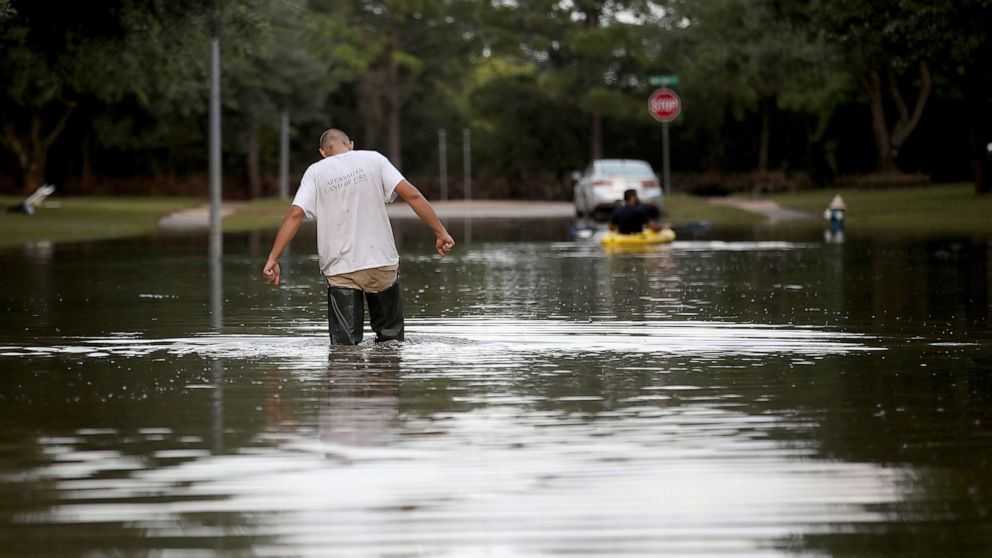
Drowning, electrocution and infection are common dangers.June 19, 2026, 8:44 AMTropical Storm Arthur, the first named storm of the Atlantic hurricane season, is pummeling the South with torrential rain and triggering multiple flash flood emergencies.Safety and health experts say residents preparing for hurricanes and tropical storms should be mindful of flooding that could lead to both short- and long-term hazards to their health and property.ABC News' former chief medical correspondent, Dr. Jennifer Ashton, who was on the ground in Houston after Hurricane Harvey in 2017, said the floodwater dangers she witnessed there included drowning, electrocution from downed power lines and infection.Muddy, opaque floodwaters can hide large or sharp objects dislodged during a storm that can lead to injury -- "anything from a fracture to a major laceration," Ashton warned.A man walks through a flooded street, Sept. 4, 2017, in Katy, Texas. Over a week after Hurricane Harvey hit Southern Texas.Justin Sullivan/Getty ImagesFloodwater may also contain snakes or other wildlife, human waste from overwhelmed sewage lines and chemicals leached or spilled from flooded sites.Stagnant water is a paradise for bacteria, and any open wounds give bacteria a way into the body. That can lead to anything from a simple soft-tissue infection to a much more severe infection. People with a weak immune system are most vulnerable.Residents hang out in front of their homes which are surrounded by floodwater after torrential rains pounded Southeast Texas following Hurricane and Tropical Storm Harvey causing widespread flooding on September 2, 2017, in Orange, Texas.Scott Olson/Getty ImagesHere are a few strategies to help avoid unnecessary risk from floodwaters:Popular Reads• Before flooding, look up your neighborhood's flood zone and determine if your home or business is prone to flooding. Come up with an evacuation plan and make sure your car has a full tank of gas. Stock up on non-perishable foods.• After flooding, ensure your drinking water is sanitized and wash your hands thoroughly after contact with floodwaters. Disinfect objects that have come into contact with floodwater before offering them to children or toddlers.• Try to avoid exposure with floodwaters for long periods of time to prevent physical injury. Wear waterproof boots if you have them. Do not attempt to drive over flooded streets as it could damage the car and strand passengers.• Keep any open wounds clean, dry and covered if you must go through the water. Seek medical attention for any wounds that are not healing or are festering or making you feel ill.• If you come to a stream where the water is above your ankles, stop and seek higher ground. Six inches fast-moving flood water can knock you off your feet, according to safety experts.Editor's Note: This article was initially published in 2020.
Floodwater safety tips to know as Tropical Storm Arthur pummels South with torrential rain
Tropical Storm Arthur, the first named storm of the Atlantic hurricane season, is pummeling the South with rain and triggering multiple flash flood emergencies.
450 words~2 min read