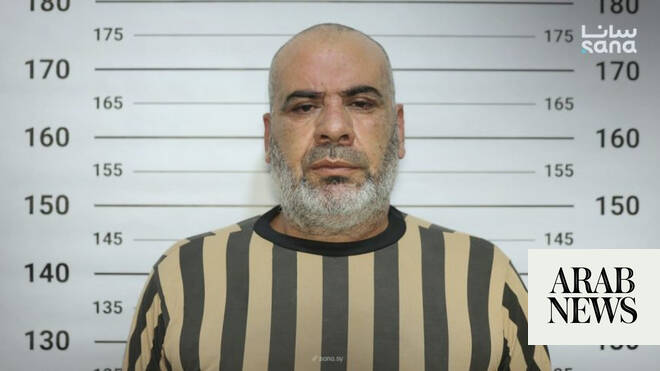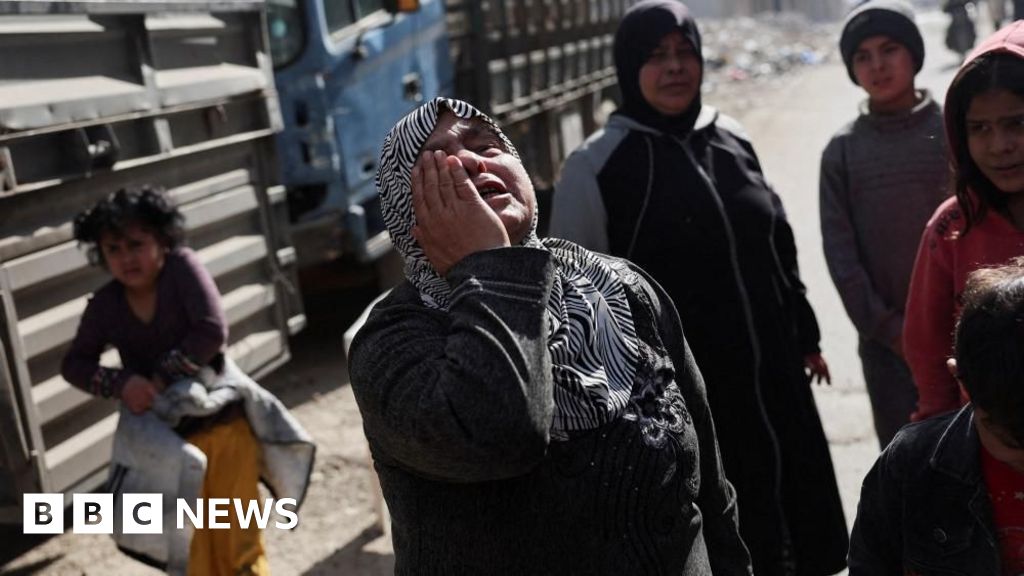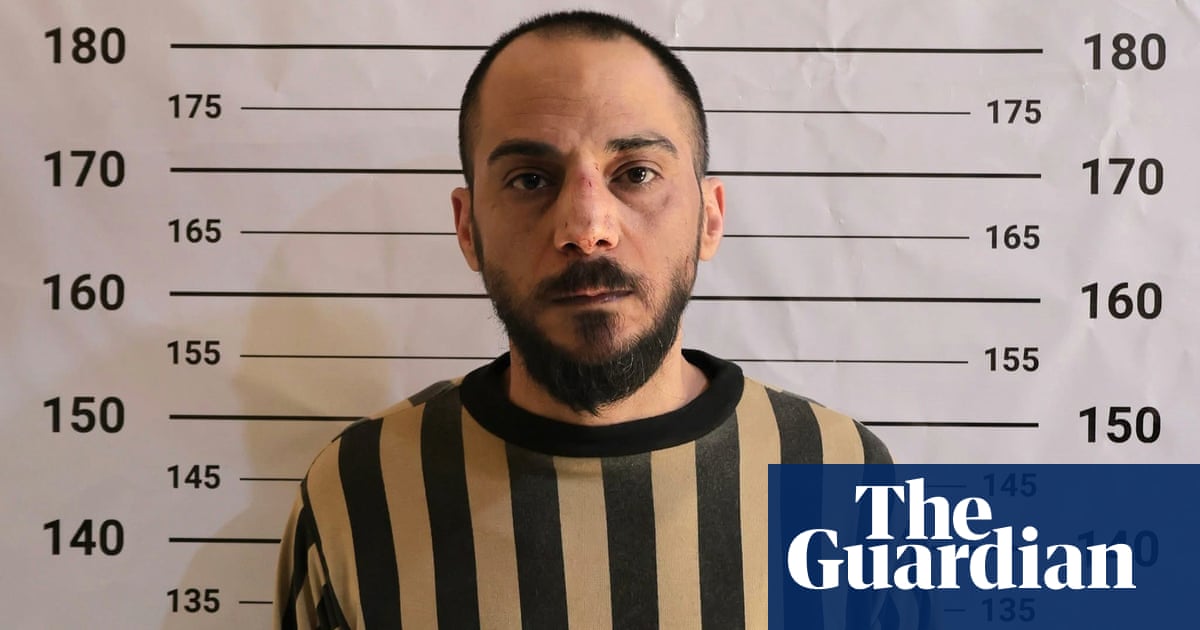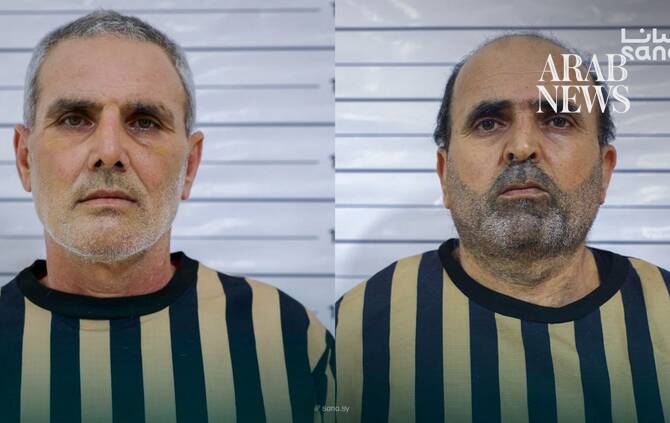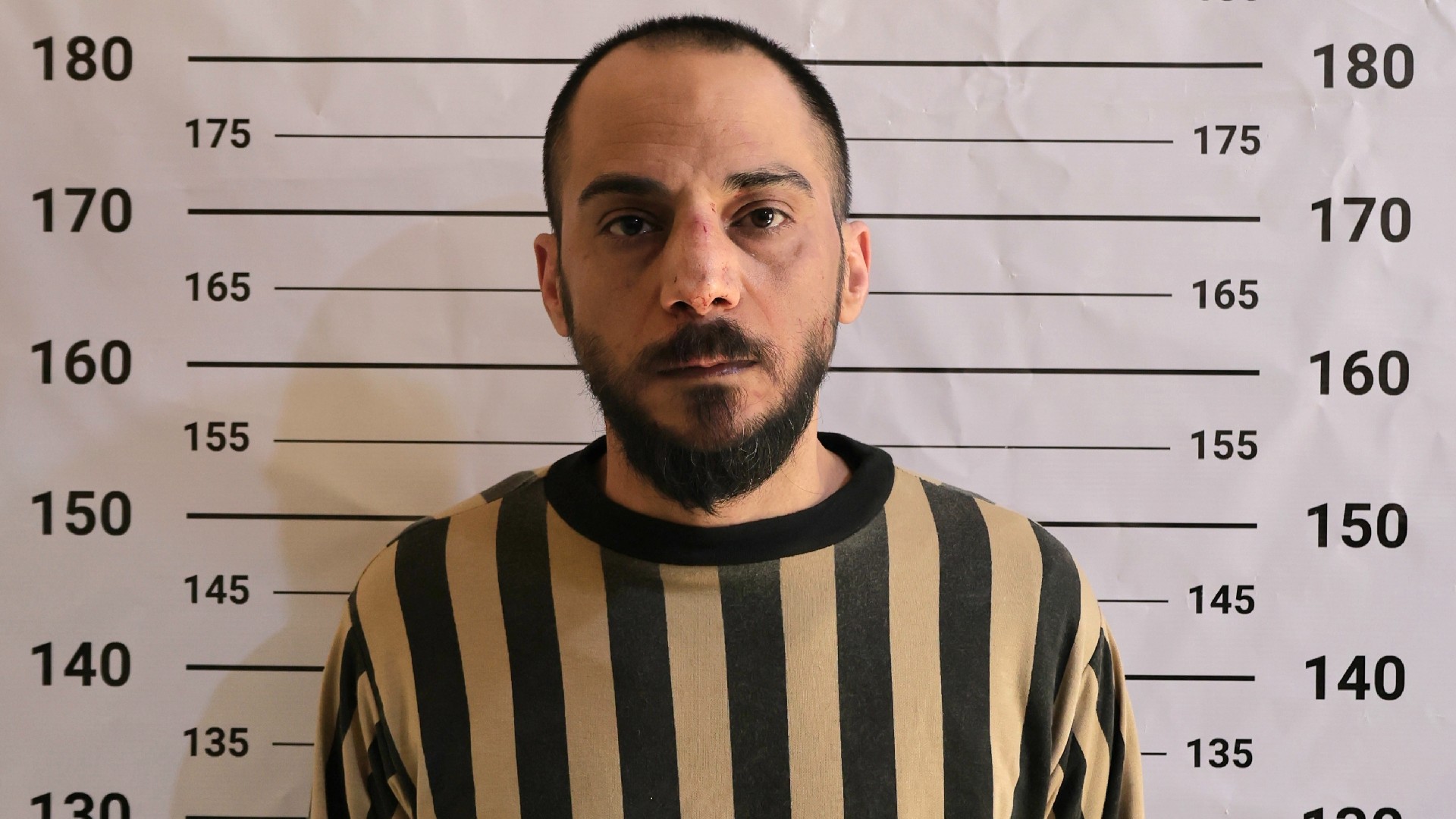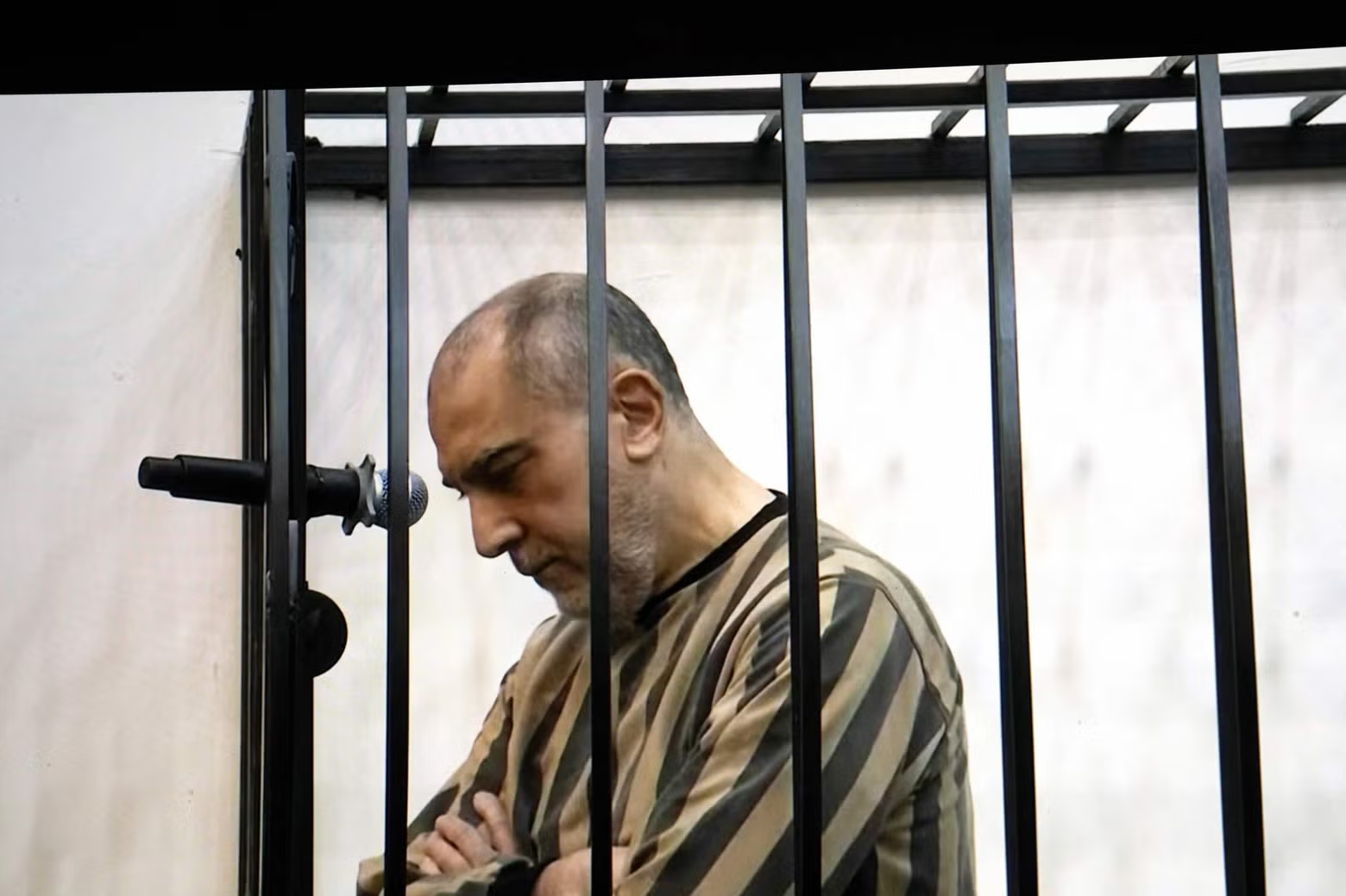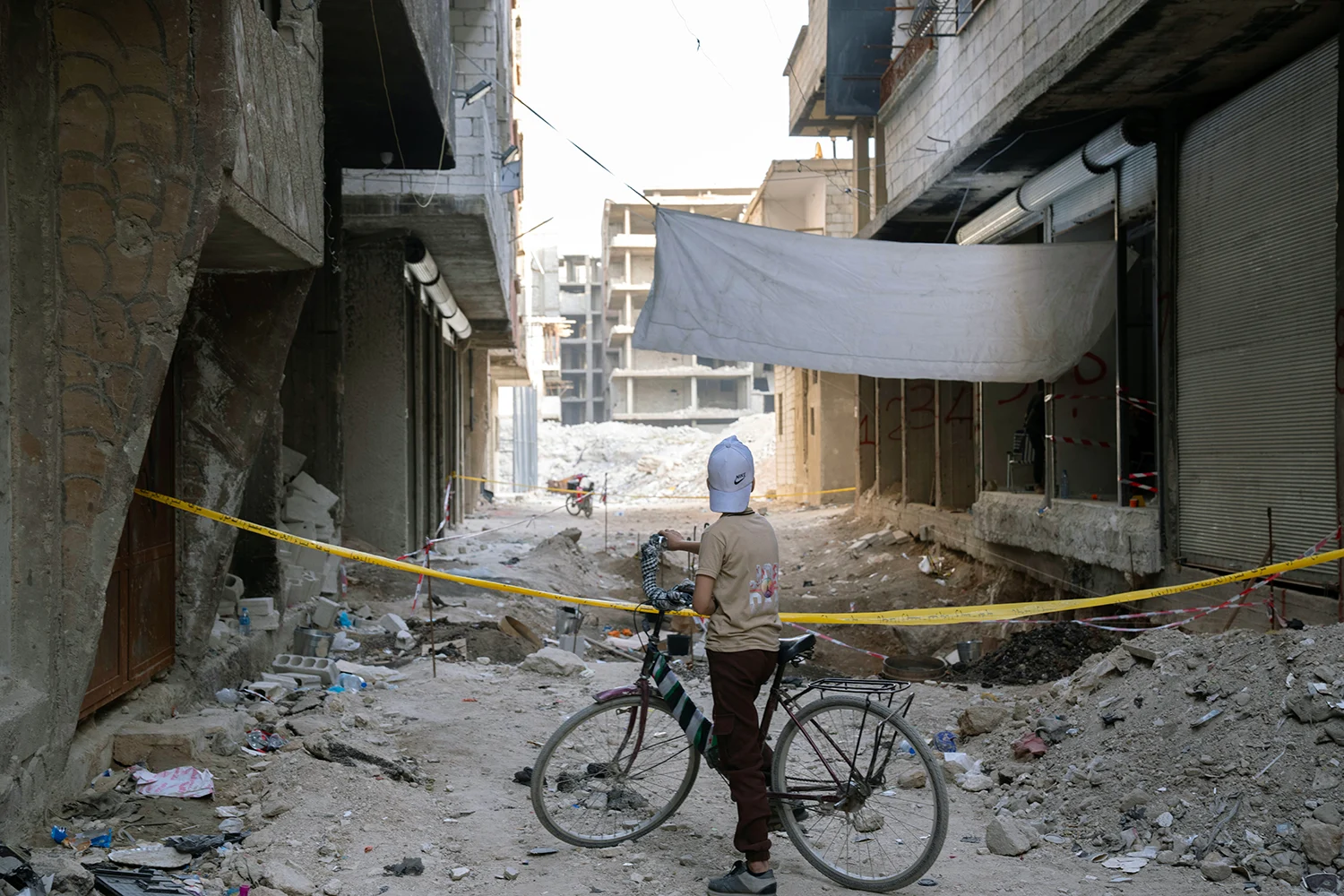
When Syrian authorities recently captured Amjad Youssef, also known as the “Butcher of Tadamon,” residents of the Damascus suburb celebrated in the streets. Few could doubt his complicity in war crimes because at least some of his horrors were captured on video.
In several gruesome sequences, shot by the perpetrators in 2013, Youssef and others are seen herding 41 bound and blindfolded civilians, including seven women, to a pre-dug pit lined with tires. There they execute their captives. When one man still shows signs of life after two gunshots, Youssef yells at him while firing a third shot: “Die, you bastard! Haven’t you had enough?” In another case, Youssef beheads his victim. When the killing is done, the tires are set on fire. Researchers who obtained the evidence, including many other videos, estimate that roughly 288 civilians in all were killed in the Tadamon area, including a dozen children.
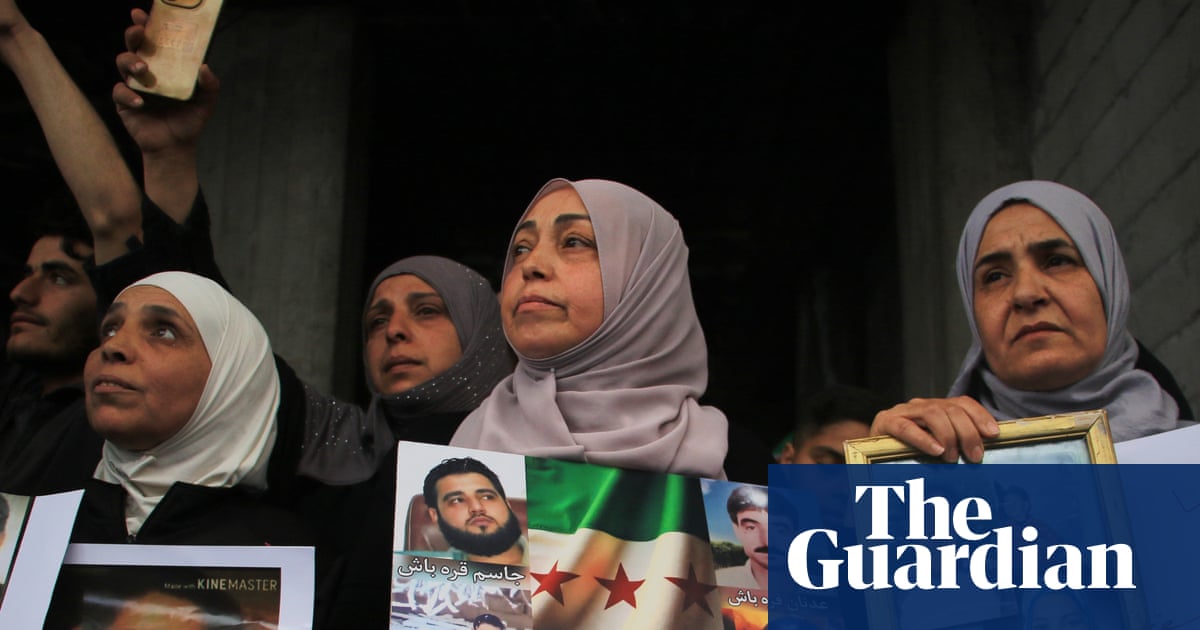
It’s perhaps easy to understand why many Syrians who suffered under the brutal regime of Bashar al-Assad have openly called for the execution of Youssef and other alleged perpetrators of atrocities. In a region torn by communal violence, justice is sometimes equated with retribution. “We need the highest accountability,” said Jad Nouri, a recent law school graduate in Damascus. “The people really need those kinds of criminals getting justice. They should be hanged.”