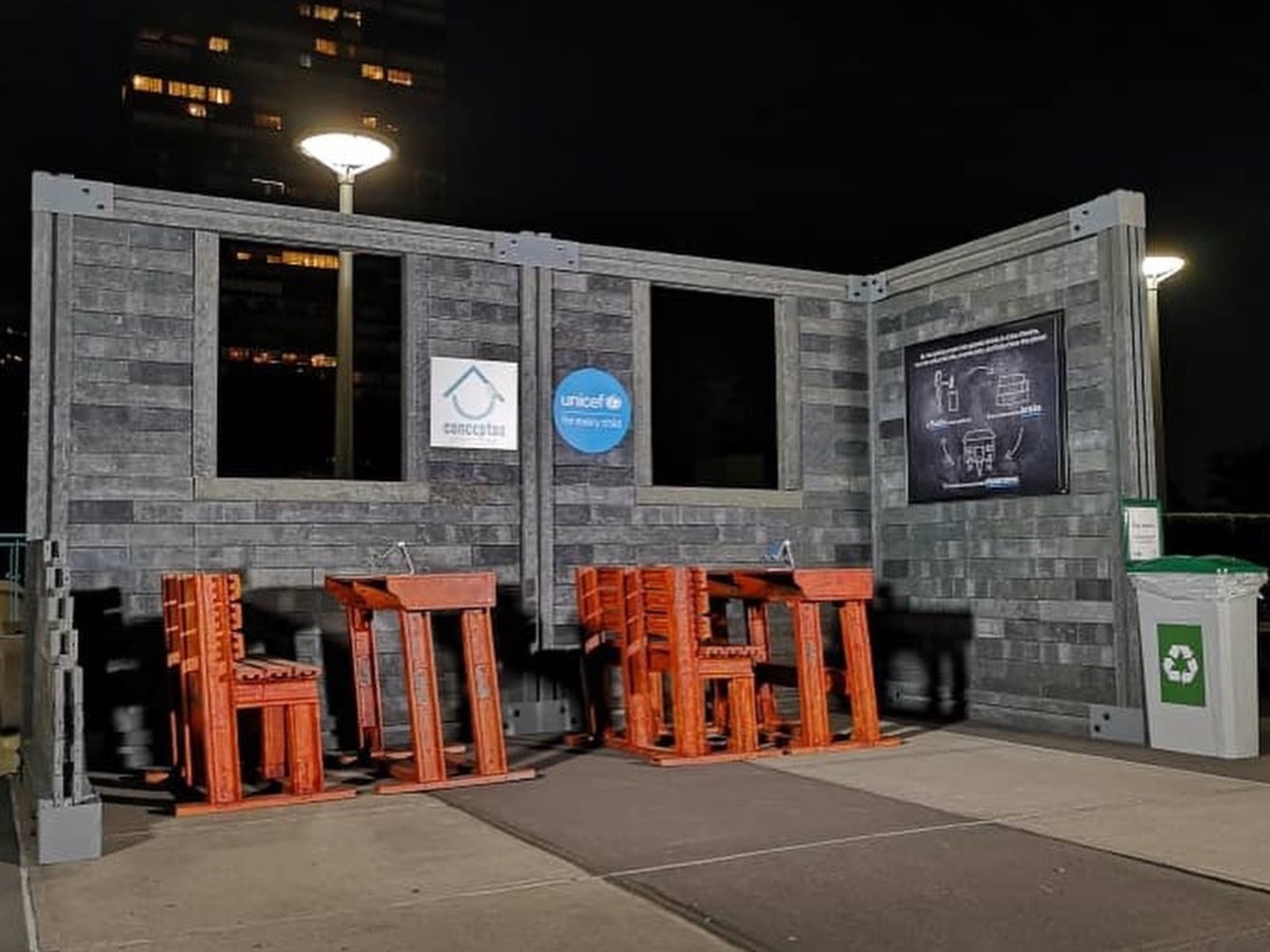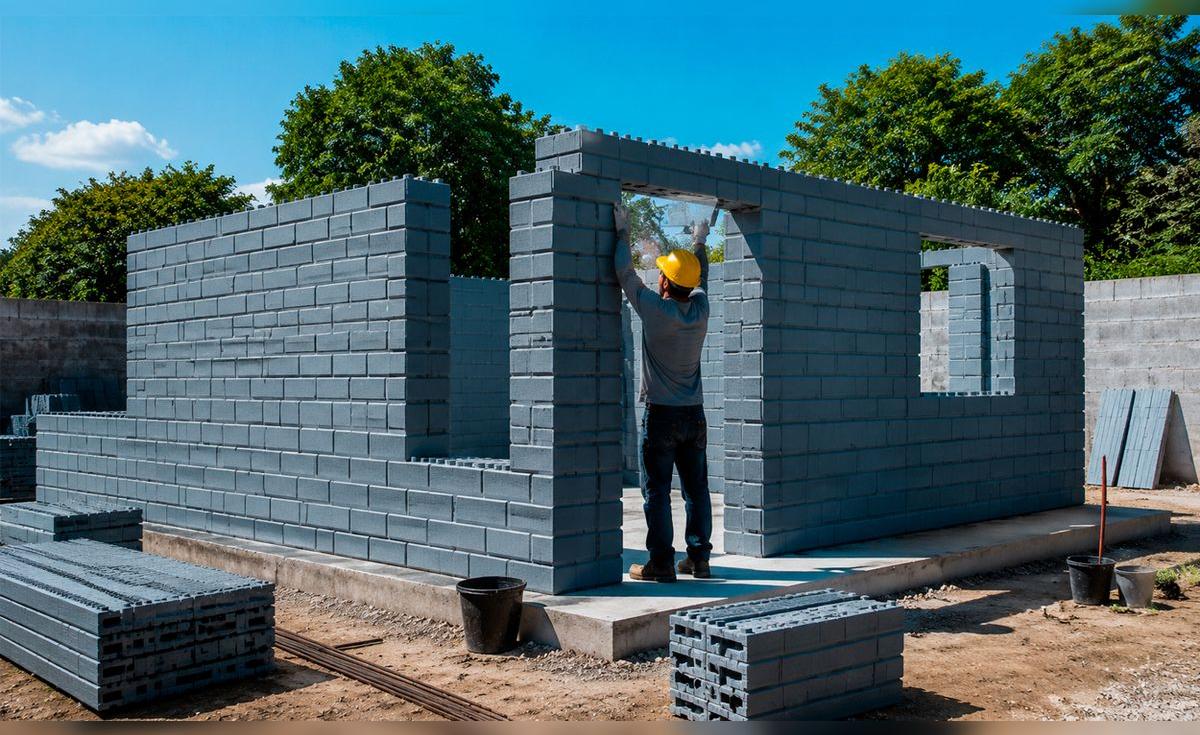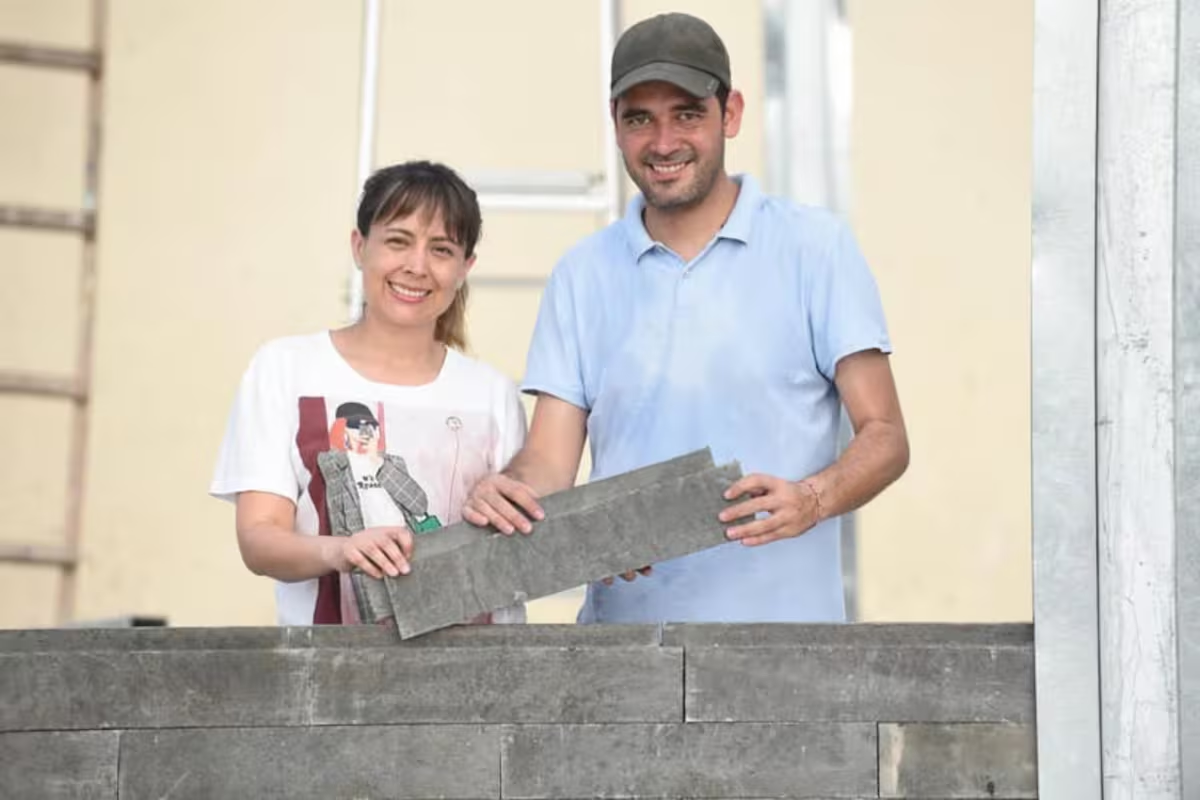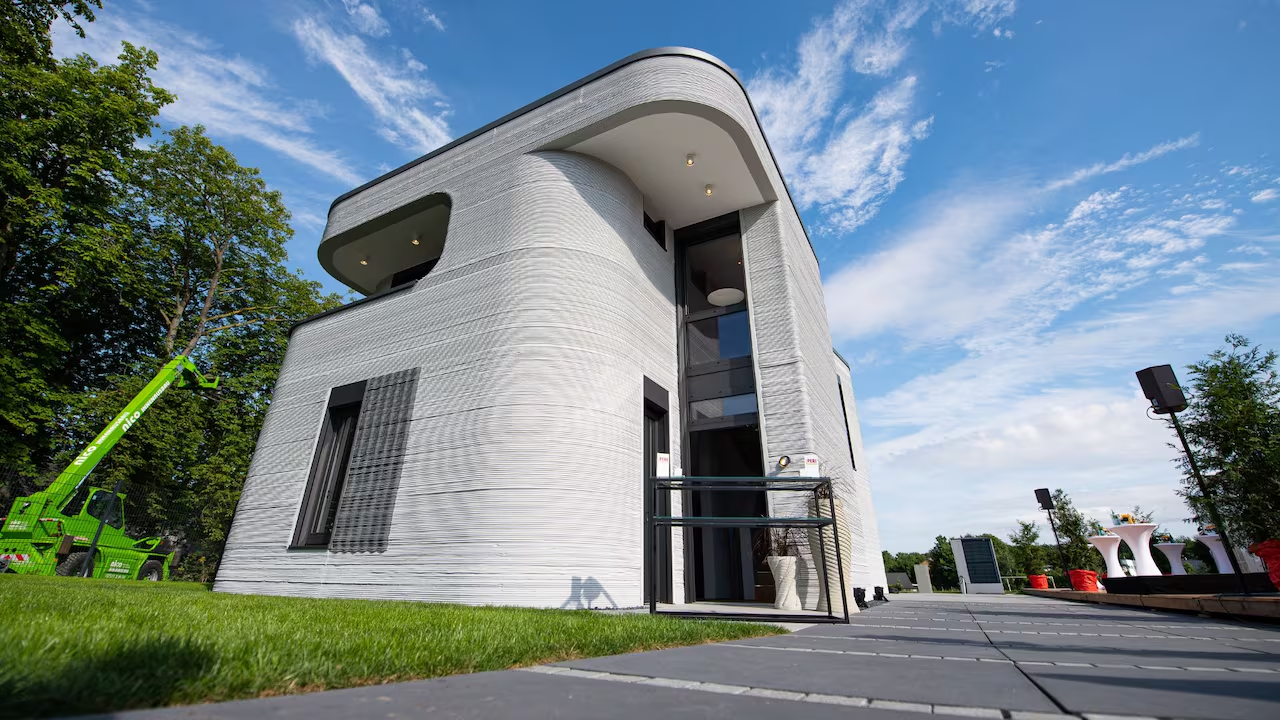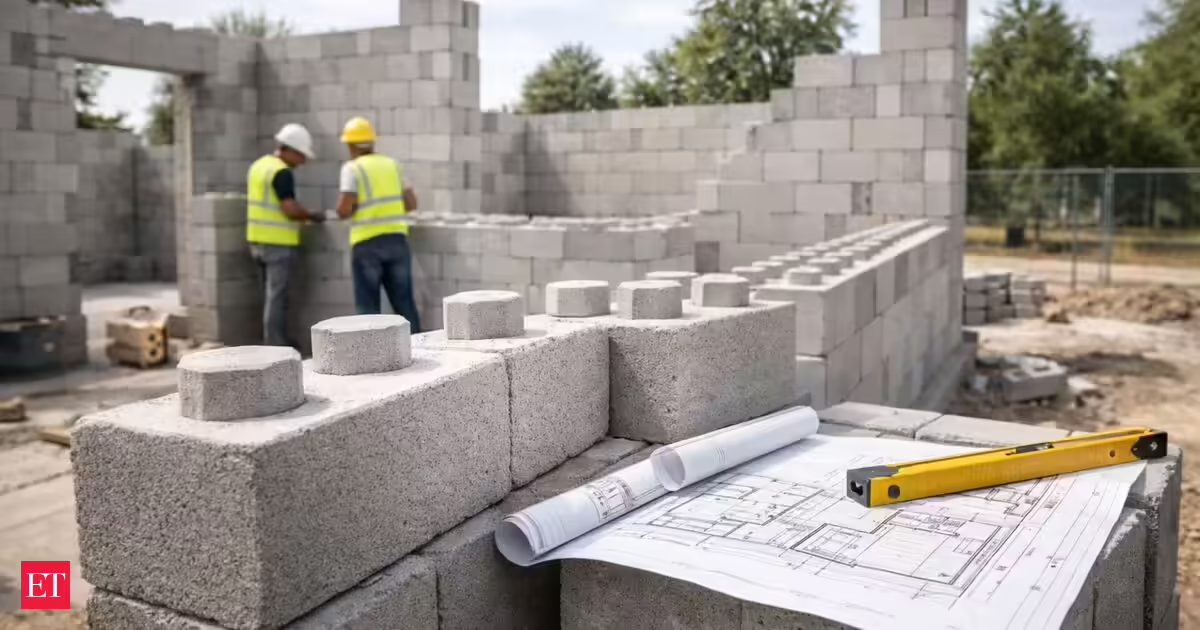
A plastic brick house method is changing how people imagine the future of construction. A complete home built in five days sounds impossible, yet recycled plastic bricks are bringing that idea closer to reality. The system replaces traditional bricks with modular blocks made from recovered plastic waste.The innovation comes from Colombia’s Conceptos Plásticos, a company that has spent years developing sustainable building materials. Its recycled plastic construction method has gained fresh attention because housing costs, environmental pressure, and demand for faster homes continue rising worldwide.The idea is simple but powerful. Waste plastic is transformed into durable building blocks that can create houses, classrooms, and emergency shelters. Instead of sending plastic toward landfills, the material becomes part of useful infrastructure.However, the story needs context. The plastic brick house technology is not a sudden 2026 invention. Conceptos Plásticos began developing its approach in 2010. The current interest comes from growing global challenges around affordable housing and plastic pollution. The five day house claim is based on a modular construction system that reduces traditional building delays. According to UNICEF projects using this technology, a small home can be assembled by four people within five days.This speed does not come from skipping safety. It comes from changing the construction process itself. The interlocking blocks reduce the need for heavy equipment, complex mixing, and long waiting periods. The bigger question is whether this method can become a mainstream housing solution. The answer depends on testing, local building rules, climate conditions, and long term performance.How recycled plastic bricks are changing modern constructionThe recycled plastic bricks used in this system are designed to work differently from conventional materials. Traditional construction depends heavily on cement, sand, steel, and large amounts of labor. The plastic brick house model focuses on modular assembly.The blocks are created from processed plastic waste and shaped into pieces that fit together. This approach allows walls to rise faster because workers connect components instead of building layer by layer. UNICEF has highlighted several advantages of the technology. The recycled plastic bricks are described as lightweight, waterproof, durable, and easier to transport. These qualities matter in regions where construction resources are limited.Lower cost does not only affect families. It can influence governments, schools, and organizations trying to build quickly. A cheaper construction method could help communities create more housing with limited budgets.Still, cost alone cannot define success. A home must handle weather, heat, safety requirements, and everyday living conditions. Sustainable building materials must prove their strength over decades, not only during early projects. That is why the plastic brick house concept is attracting attention from engineers and environmental groups. It connects two major problems with one possible solution.Can a five day plastic brick house solve housing and plastic waste problems?The five day house idea matters because housing shortages often require urgent responses. Traditional construction can take months. A faster modular system could help after disasters or in communities needing affordable homes.The environmental side makes the technology even more interesting. Plastic pollution has become a global concern because huge amounts of waste enter streets, rivers, and oceans.In Abidjan, Côte d’Ivoire, UNICEF reported that the city produces more than 280 metric tons of plastic waste every day. Only a small portion is recycled. A recycling-based construction system creates another path for that material.But the future of the plastic brick house will depend on careful expansion. It cannot replace every construction material everywhere. Foundations, engineering standards, and local regulations still matter.The technology also raises practical questions. Buyers need to know how walls perform against fire, extreme temperatures, storms, and long-term exposure. Innovation must always meet real-world safety expectations. A sustainable construction future may not come from one perfect material. It may come from combining smarter design with responsible resource use.Why plastic brick homes could reshape the future of sustainable housingThe rise of recycled plastic bricks reflects a larger shift in how the world thinks about buildings. Homes are no longer judged only by appearance or price. Their environmental impact is becoming part of the conversation. The plastic brick house approach shows how waste can become a resource. It challenges the idea that discarded materials have no value after use.For developing regions, the biggest advantage may be accessibility. Faster construction, lighter materials, and reduced costs can make housing projects easier to deliver. For cities facing growing plastic waste, the method offers another benefit. It creates demand for recycling systems and encourages new thinking around materials.However, the technology should be viewed as a tool rather than a miracle answer. Plastic waste reduction, recycling, and better production habits must continue alongside new construction methods. The most important change is not just building a house in five days. It is changing the relationship between waste and human needs.FAQs:Q1. Can a plastic brick house really be built in five days using recycled construction technology?Yes, the five day plastic brick house concept is based on modular recycled plastic blocks that connect quickly. The system reduces traditional construction steps, heavy materials, and labor time. However, speed depends on design size, location, regulations, and project conditions.Q2. Are recycled plastic bricks a safe and sustainable alternative for future homes?Recycled plastic bricks can support sustainable construction by converting waste plastic into useful building materials. They are designed for durability, insulation, and water resistance, but every project still requires proper safety testing, building approval, and climate-based engineering checks.
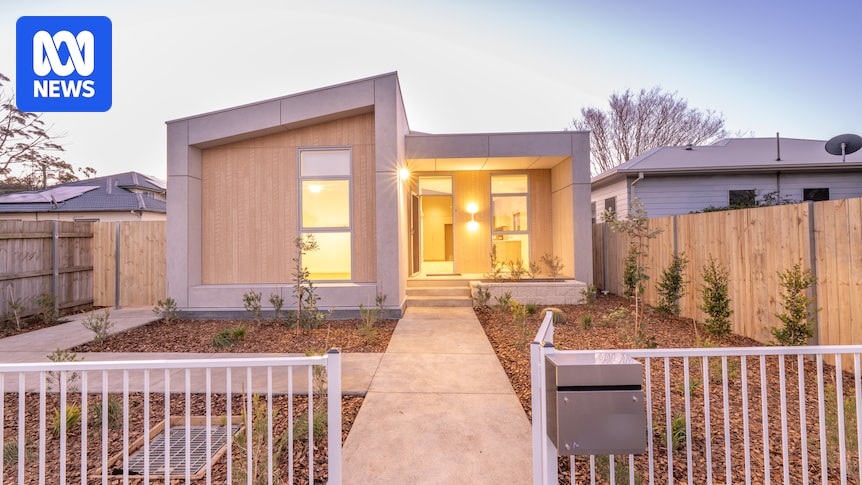
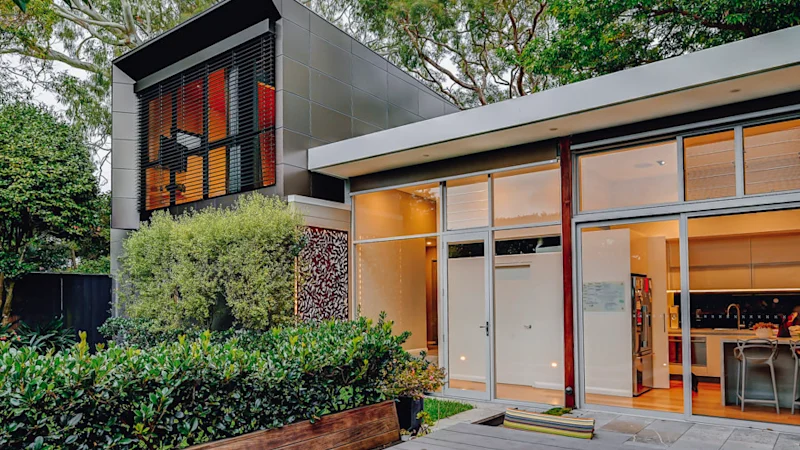
This new building method can deliver a full house in just 5 days, no bricks required
A Home Built in Just Five Days? It sounds like something from the future, but it's already happening. Recycled plastic is being turned into strong modular blocks that fit together without traditional bricks. The idea offers a faster and more affordable way to build homes while reducing plastic waste. As housing demand grows worldwide, this innovation is showing how yesterday's trash could become tomorrow's shelter.
888 words~4 min read