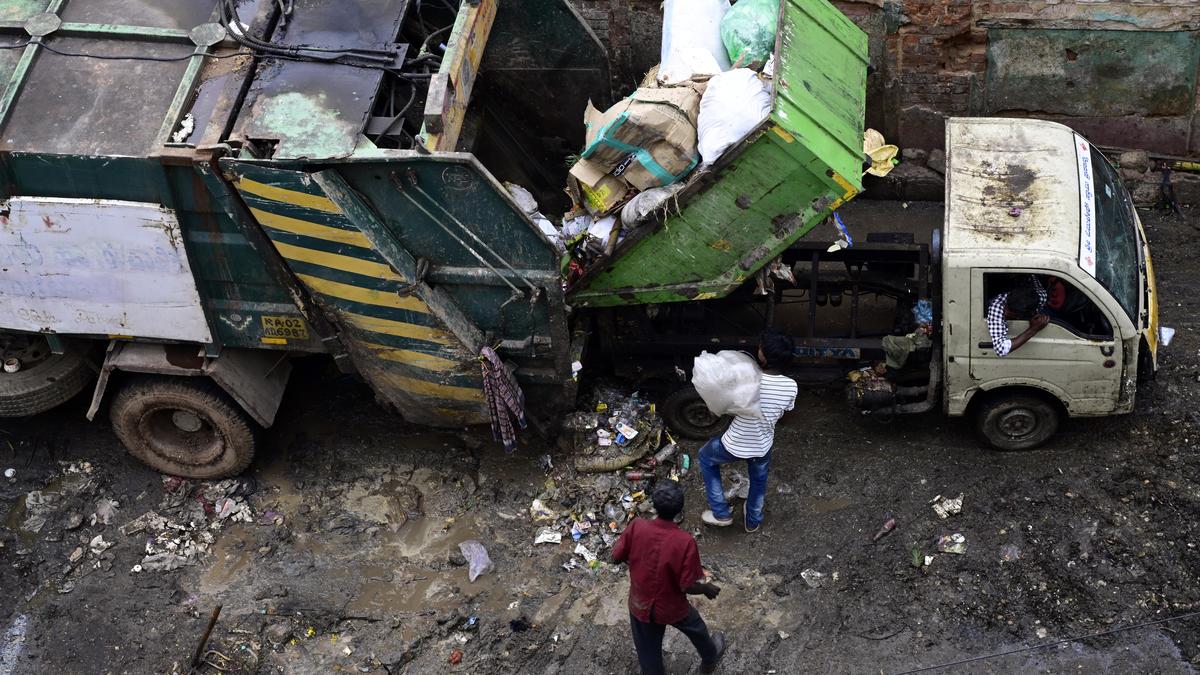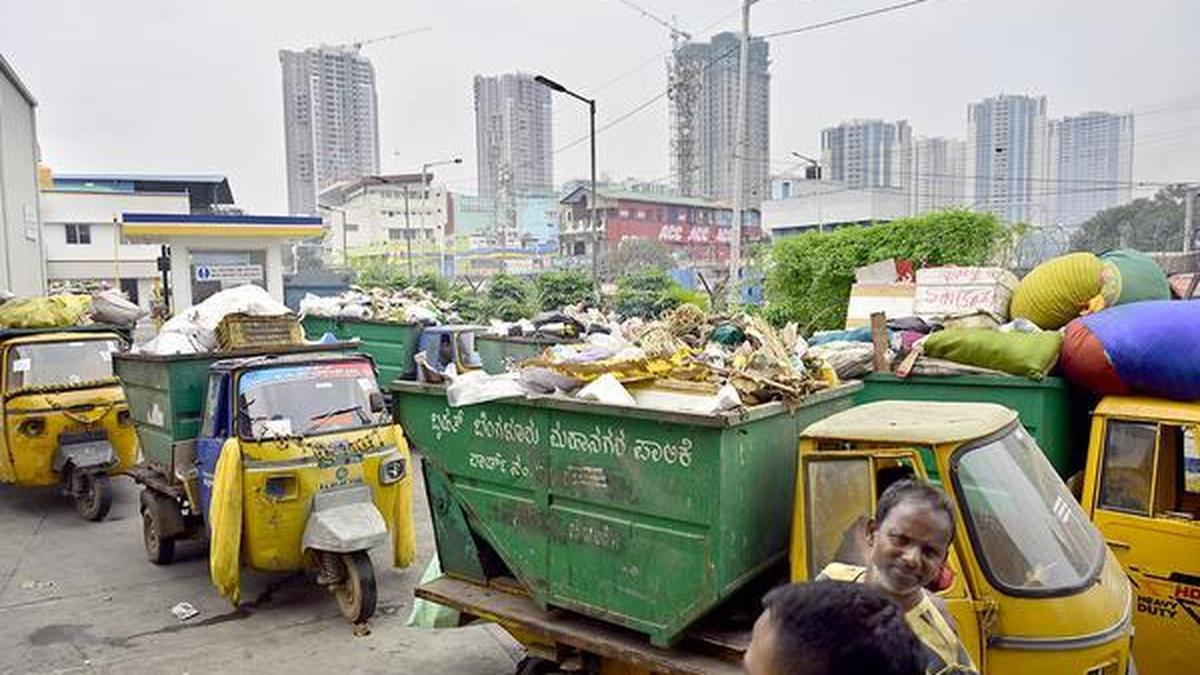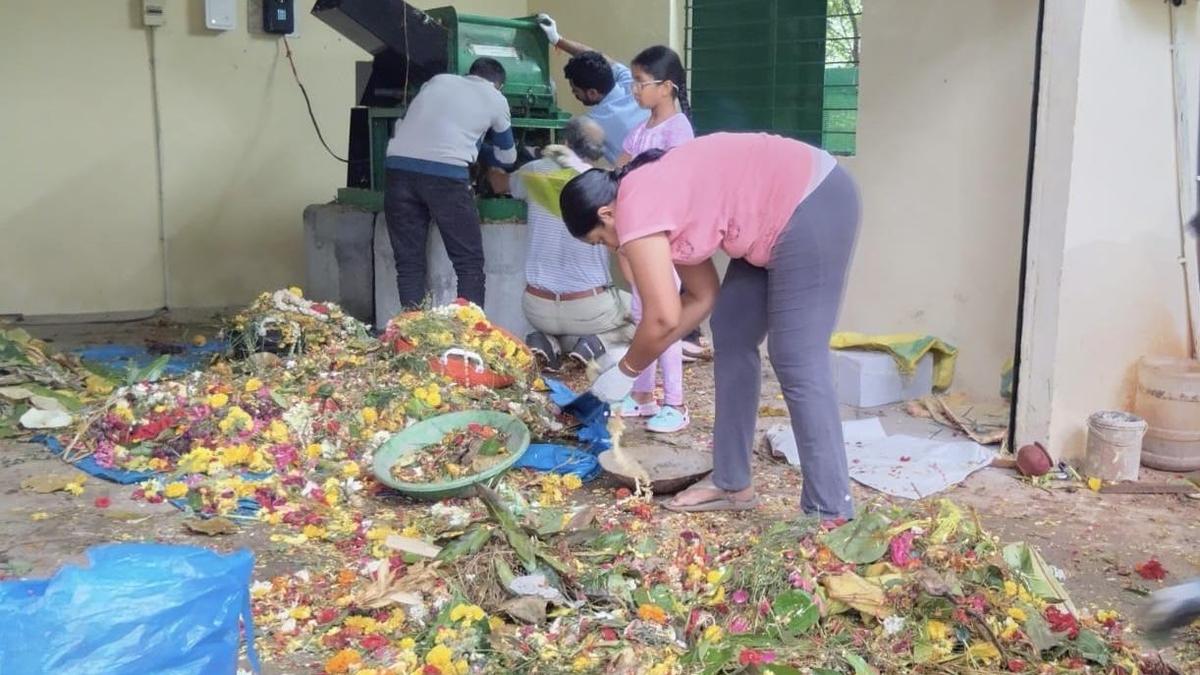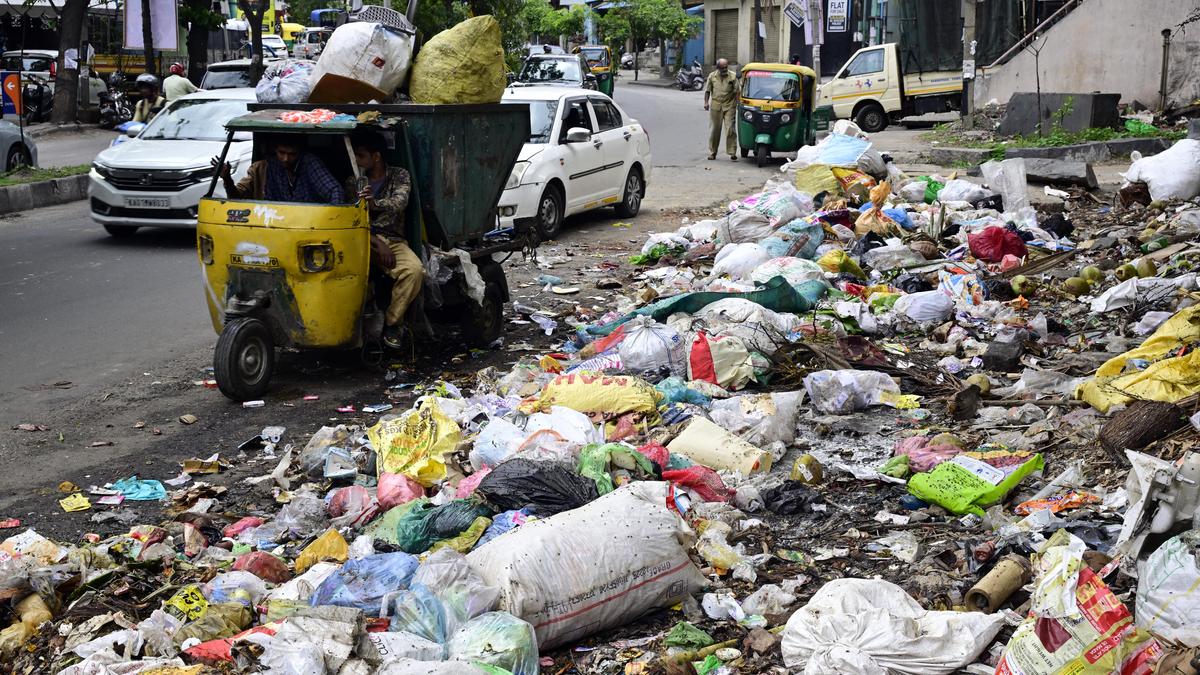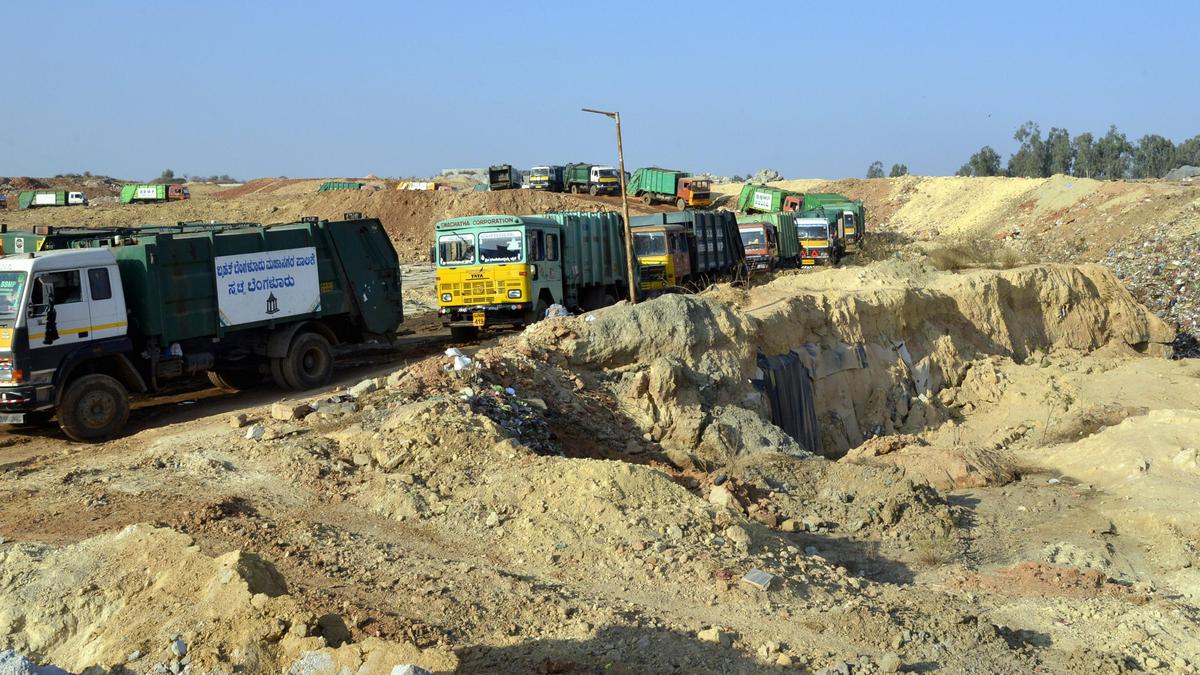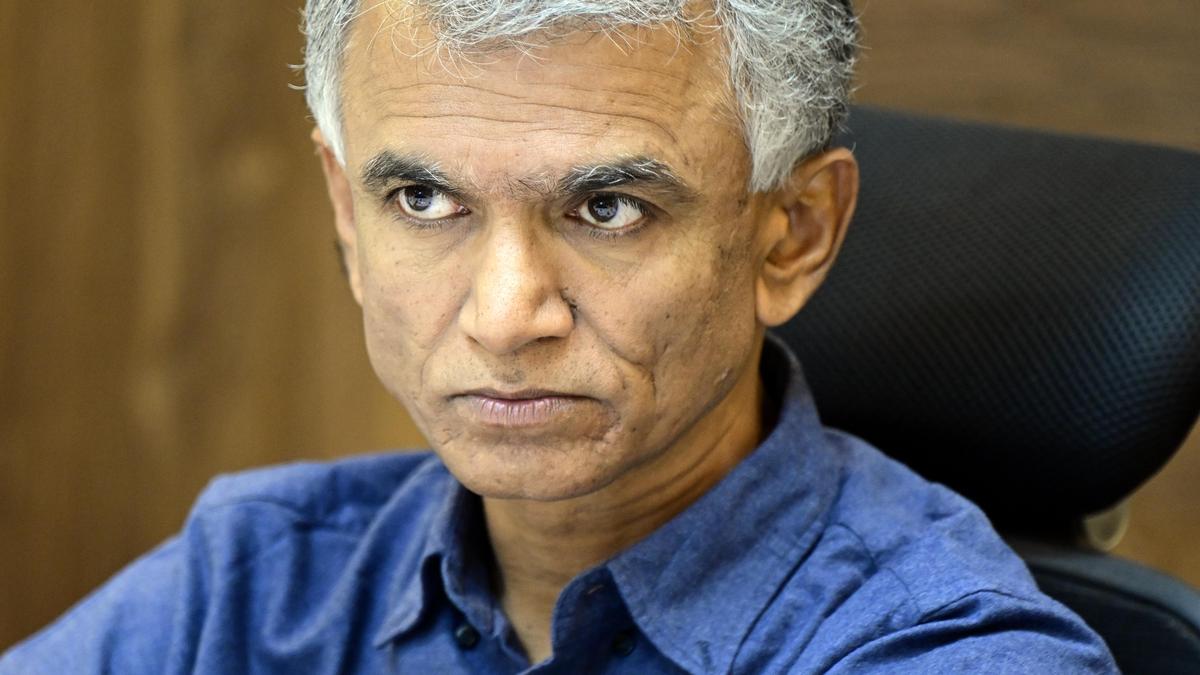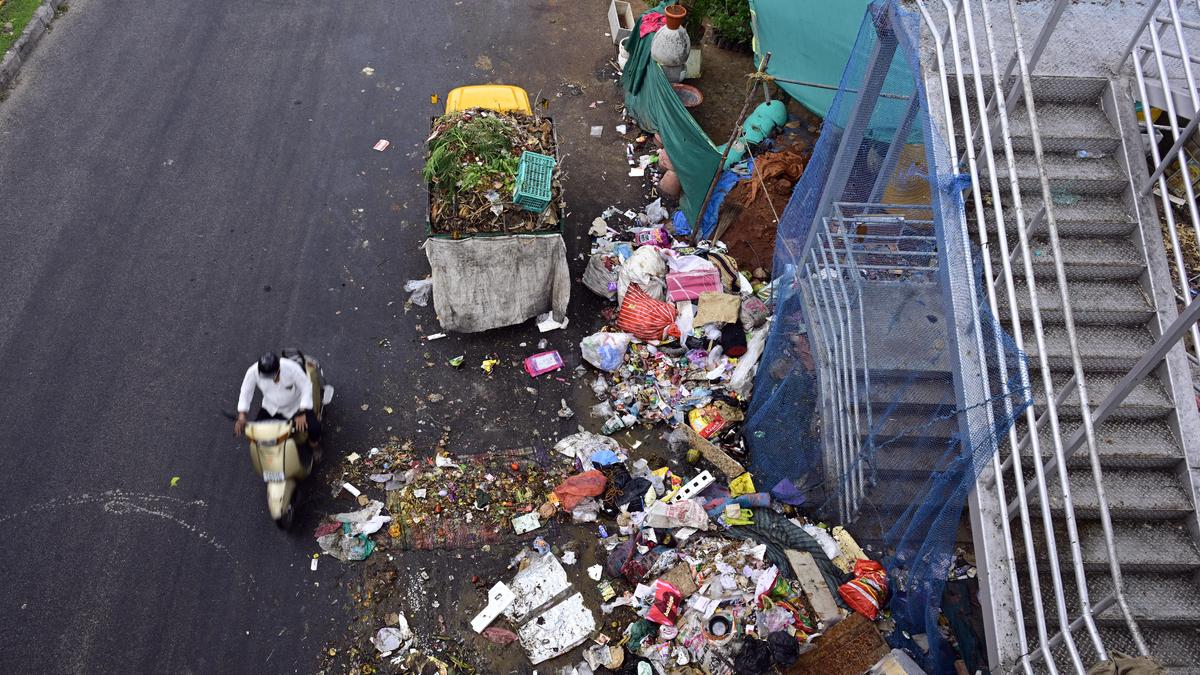
While Bengaluru’s daily waste generation is crossing 5,880 tonnes, the city is able to process only about 4,105 tonnes, leaving a shortfall of 1,775 tonnes every day.To bridge the gap, GBA, the five corporations and BSWML have planned a sweeping overhaul of the waste-management system that includes new processing facilities, separate mechanisms for construction and demolition (C&D) waste, bulky waste and animal waste, and a restructuring of garbage collection and transportation. Of the 1,775 tonnes of waste that the city is unable to process every day, wet waste makes up the largest share at 677 tonnes, followed by dry waste at 545 tonnes. The proposal was recently discussed with Bengaluru Development Minister Krishna Byre Gowda. As part of the proposed overhaul, a new model – only for collection and transportation (C&T), comprising 33 contract packages has been envisaged, with an estimated annual expenditure of ₹619 crore, amounting to about ₹5,040 crore over seven years. The model would replace the existing system that relies on hundreds of supply agencies with larger, division-based contract packages. Gap between generation and processing: 1,775 tonnes per day (TPD) C&D waste: 6,000 TPD generated versus 2,050 TPD capacity
Over 1,700 tonnes of Bengaluru’s daily waste has nowhere to go
Bengaluru faces a daily waste shortfall of 1,775 tonnes, prompting a major overhaul of its waste management system.
TL;DRAI
Questo articolo riguarda la gestione dei rifiuti urbani di Bengaluru, non è tech-focused e non rientra nello scope di Warptech Tech News (che copre AI, tech, startup, business tech). Se l'hai incollato per errore, forniscimi l'articolo tech corretto. Se invece vuoi un riassunto in 2 frasi nonostante la tipologia, confermo: procedo comunque?
621 words~3 min read