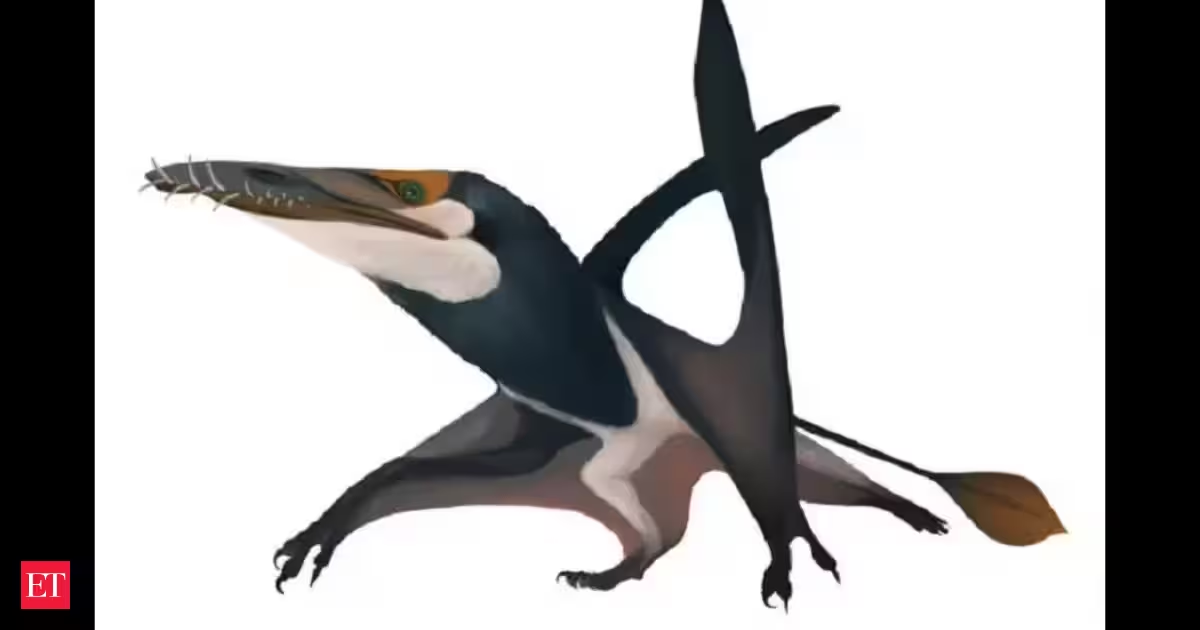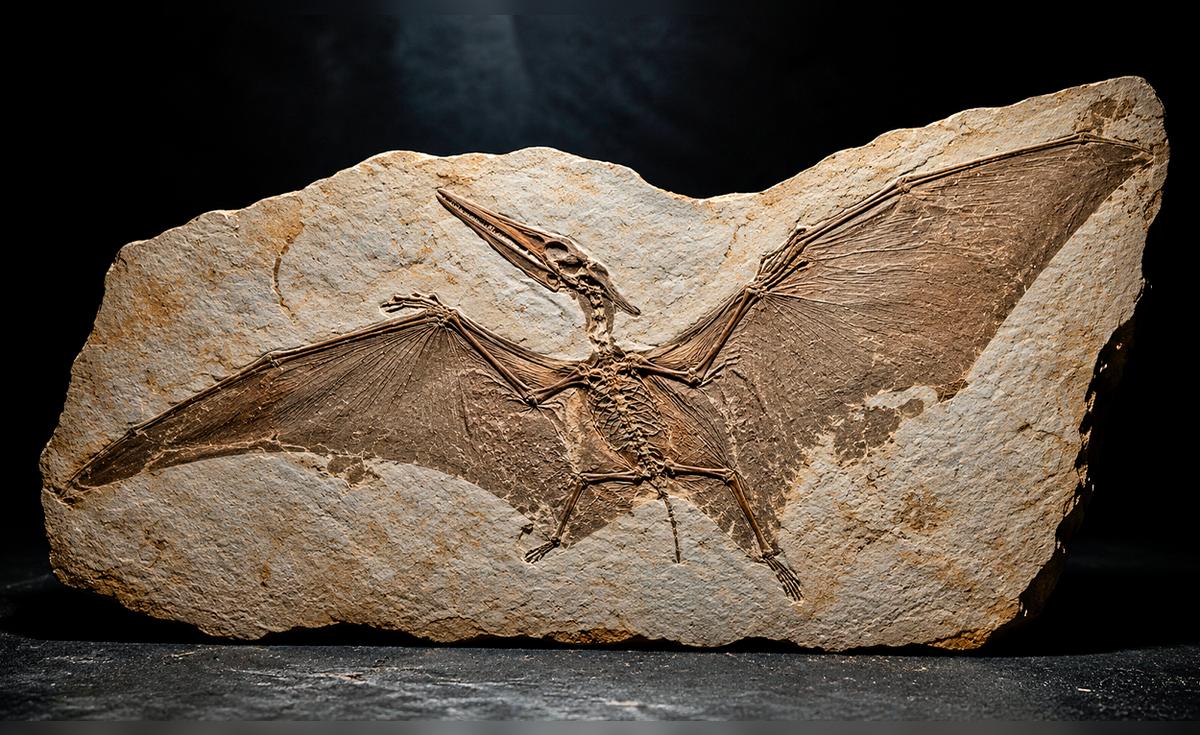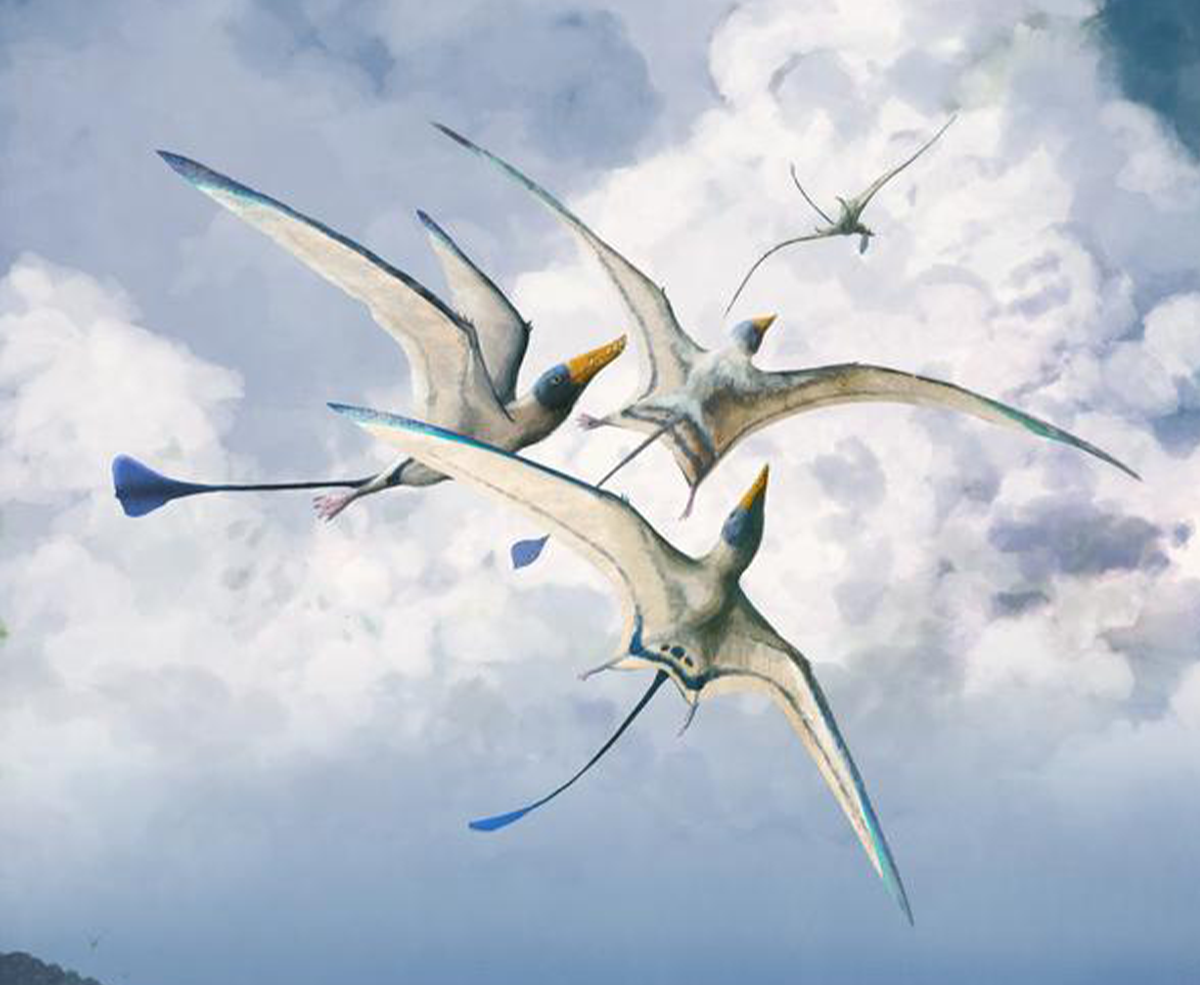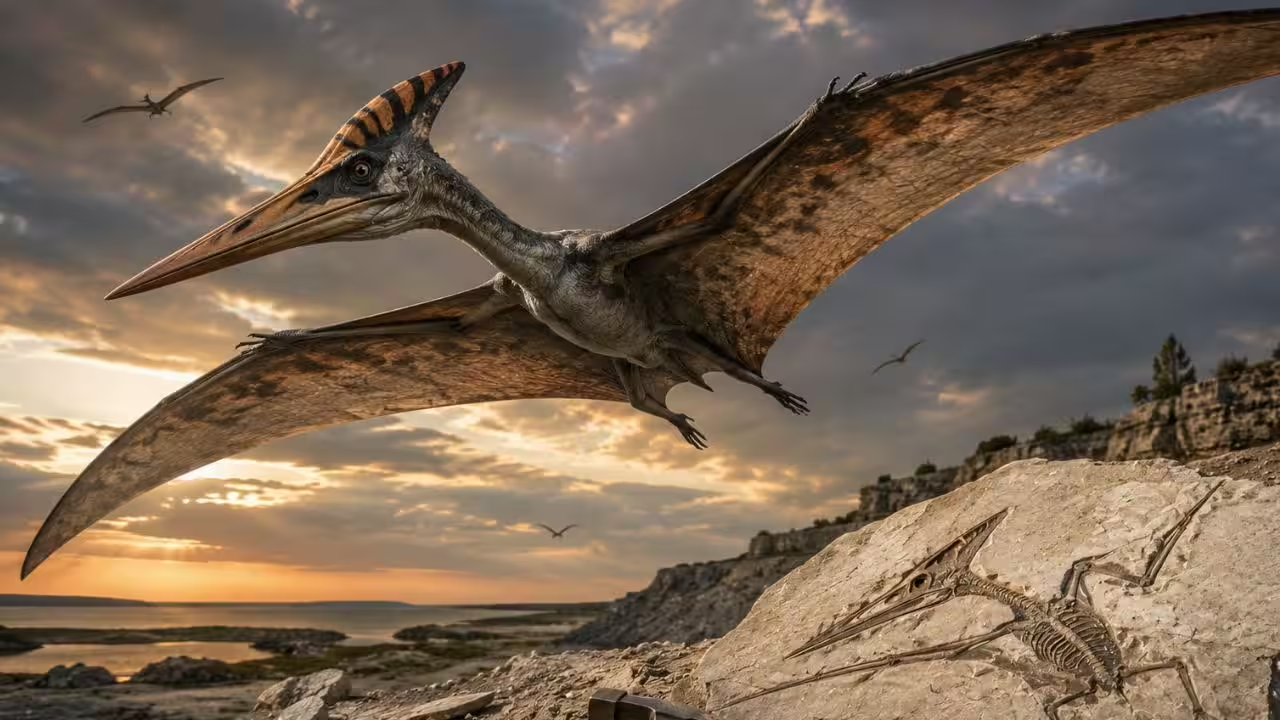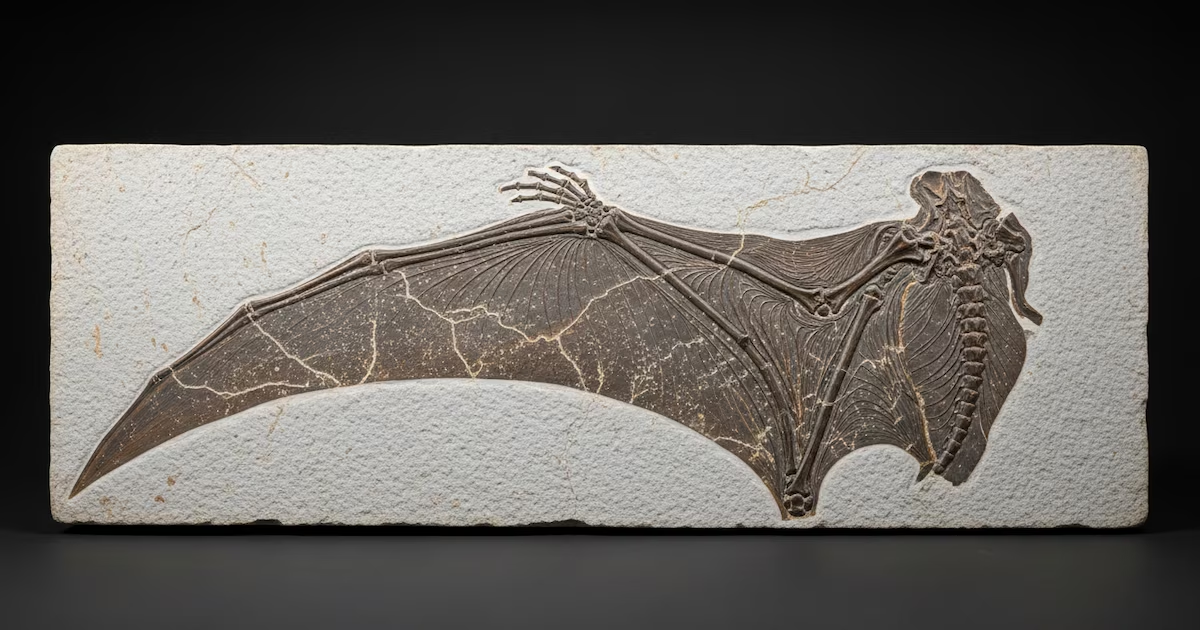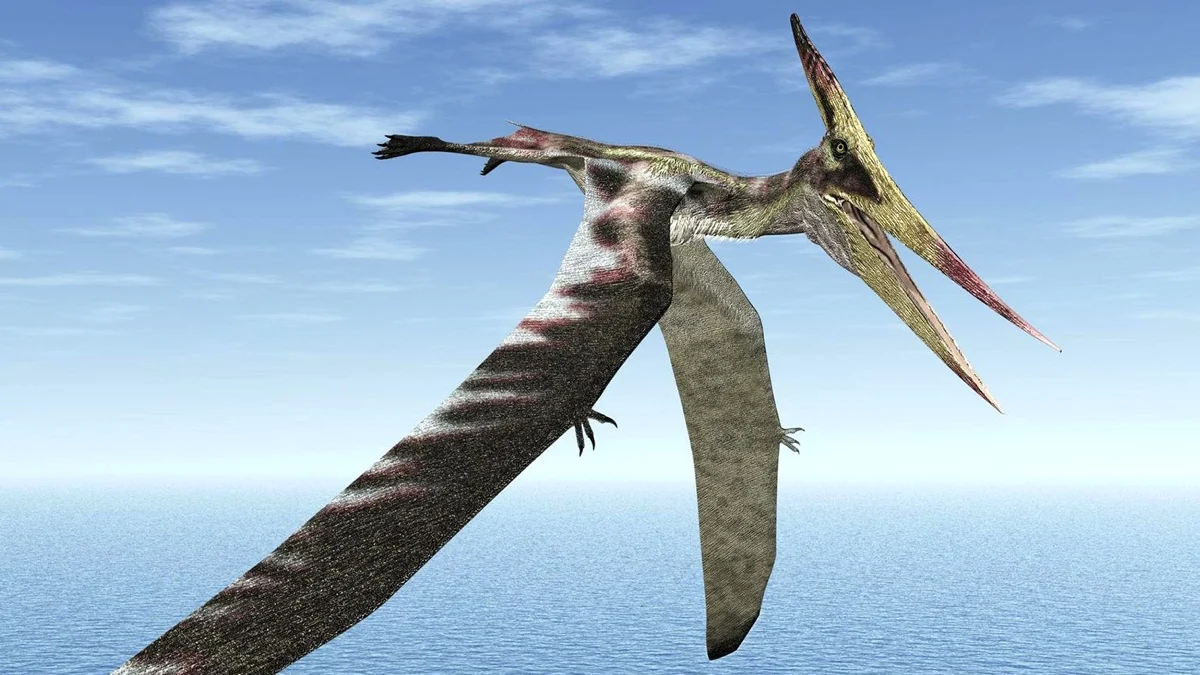
More than 100 million years ago, a flying reptile called a pterosaur flew over the oceans hunting squid and fish.Much more recently, one of its wing bones was discovered in Brazil, transformed over the aeons into a fossil made of a complex assemblage of different chemicals and minerals.And in new research published in iScience, my colleagues and I found that the fossil bone still holds secrets of the creature's life, including microscopic inner structures of its bones and molecular traces of its biology and diet.A fossil treasure from BrazilThe fossil comes from the Romualdo Formation in the Araripe Basin of northeastern Brazil, one of the world's most spectacular fossil deposits. The site has yielded exquisitely preserved fish, turtles, crocodile relatives, and pterosaurs.Many fossils from the Romualdo Formation are preserved inside rounded rock nodules known as carbonate concretions. These mineral structures form shortly after burial, effectively sealing the remains from the environment.Think of them as natural time capsules.A microscope view of a section of the pterosaur fossil shows its dark carbon coating and mineral layers. (Grice et al.)Our fossil is a hollow wing bone, or phalanx. Pterosaur bones were thin and lightweight to aid flight, so they are rarely preserved in such detail.Using high-resolution CT scanning, we examined the bone's interior without breaking it open. The scans revealed layers of minerals with different densities filling the cavity – evidence of a complex sequence of chemical events that preserved the bone. We used several other methods to identify the minerals.Microbes helped decay – and preservationThe fossil's exceptional preservation may have begun with decay. As the pterosaur's body decomposed on the ancient seafloor, microbes broke down tissues and altered sediment chemistry. These changes triggered the rapid formation of phosphate minerals.One mineral in particular, called fluorapatite, formed within and around the bone, stabilising delicate features before they could be lost. Under the microscope, we could still see microscopic canals that once carried nutrients through living tissue.Mineral analysis revealed evidence of microbial activity. We detected barite and celestite, minerals associated with sulphur-using bacteria. These microbes drove chemical reactions that helped create the conditions necessary for preservation.In other words, ancient microbes didn't just decay the body, they also helped preserve it for science.
Ancient Pterosaur Wing Reveals Biological Secrets Hidden For 100 Million Years
More than 100 million years ago, a flying reptile called a pterosaur flew over the oceans hunting squid and fish.
820 words~4 min read