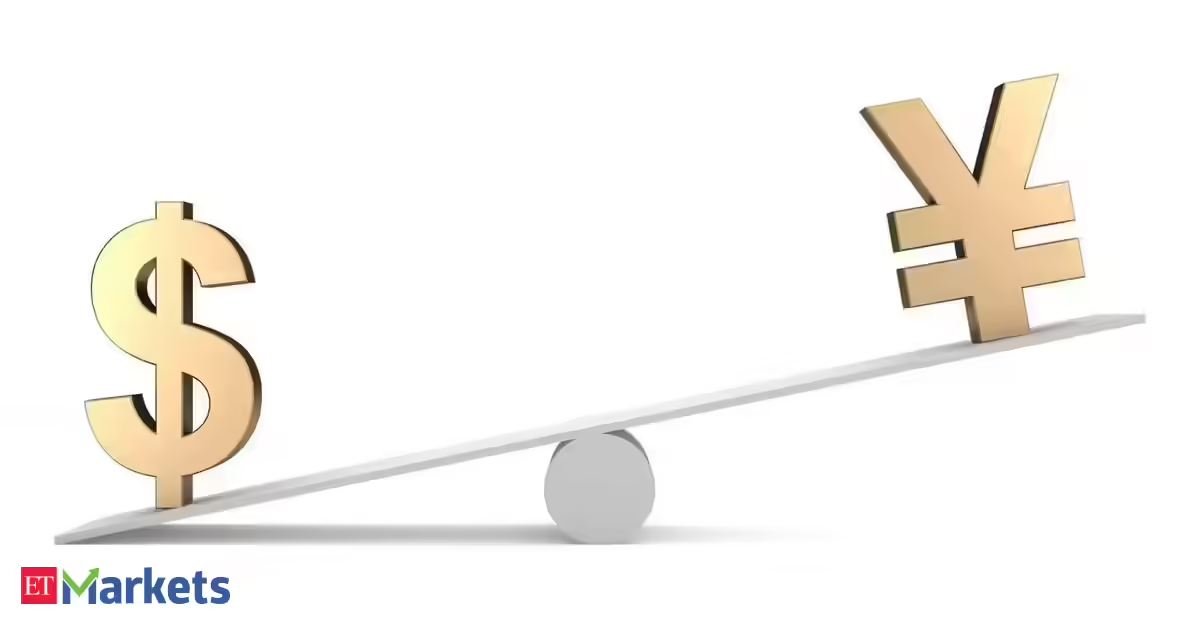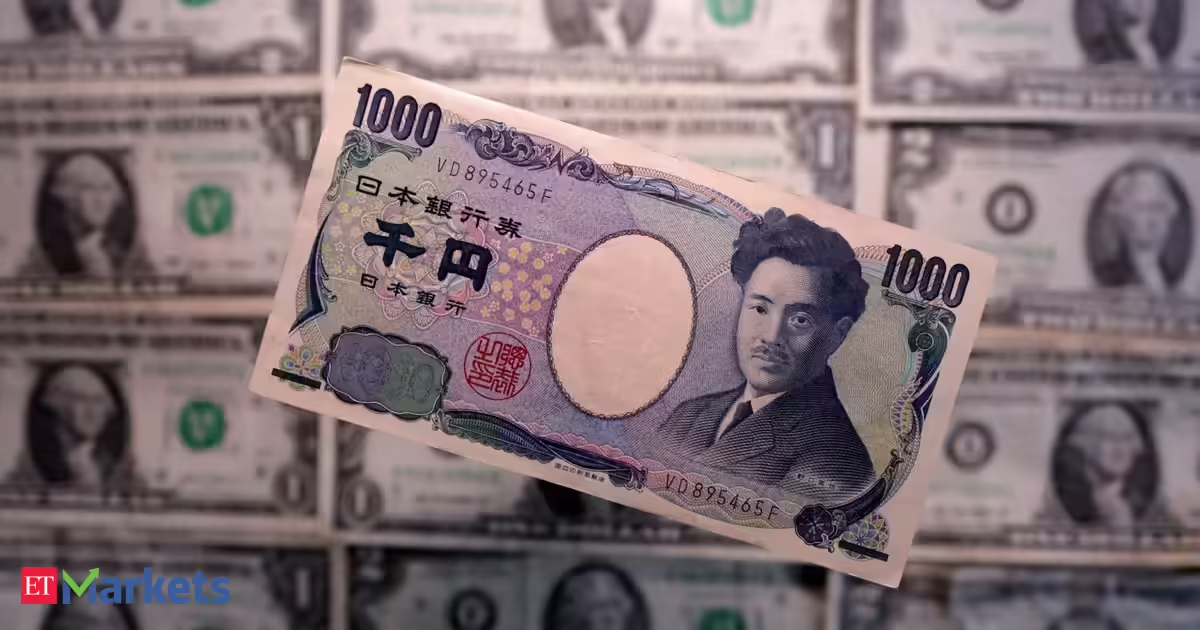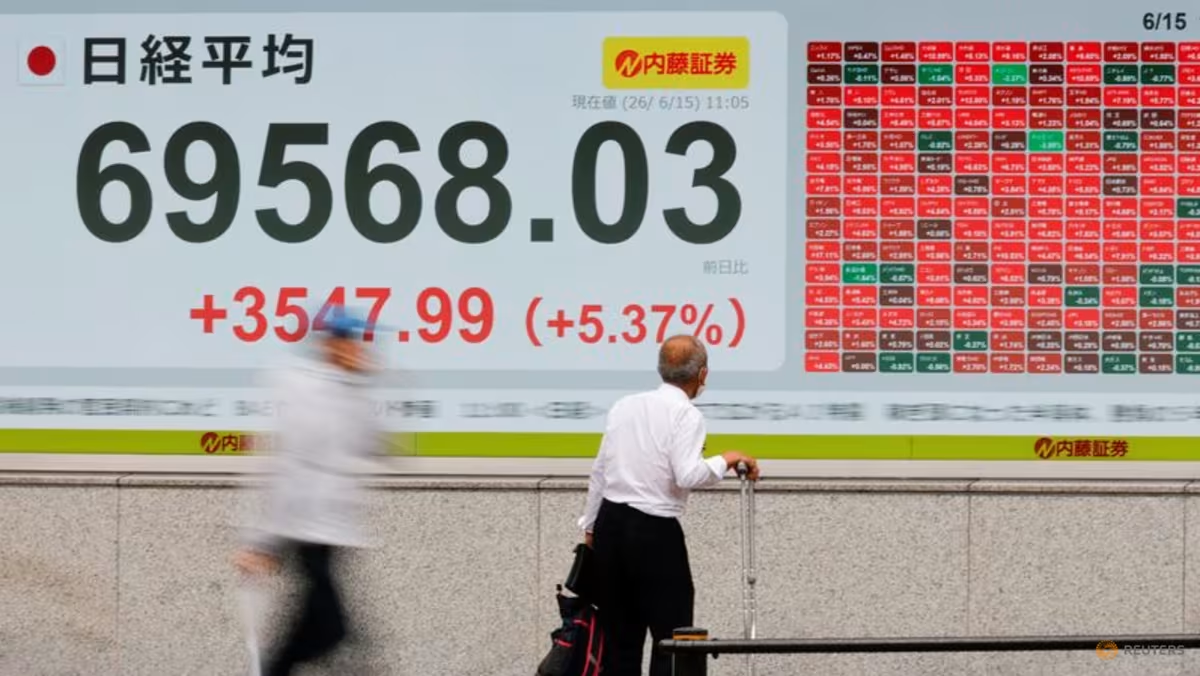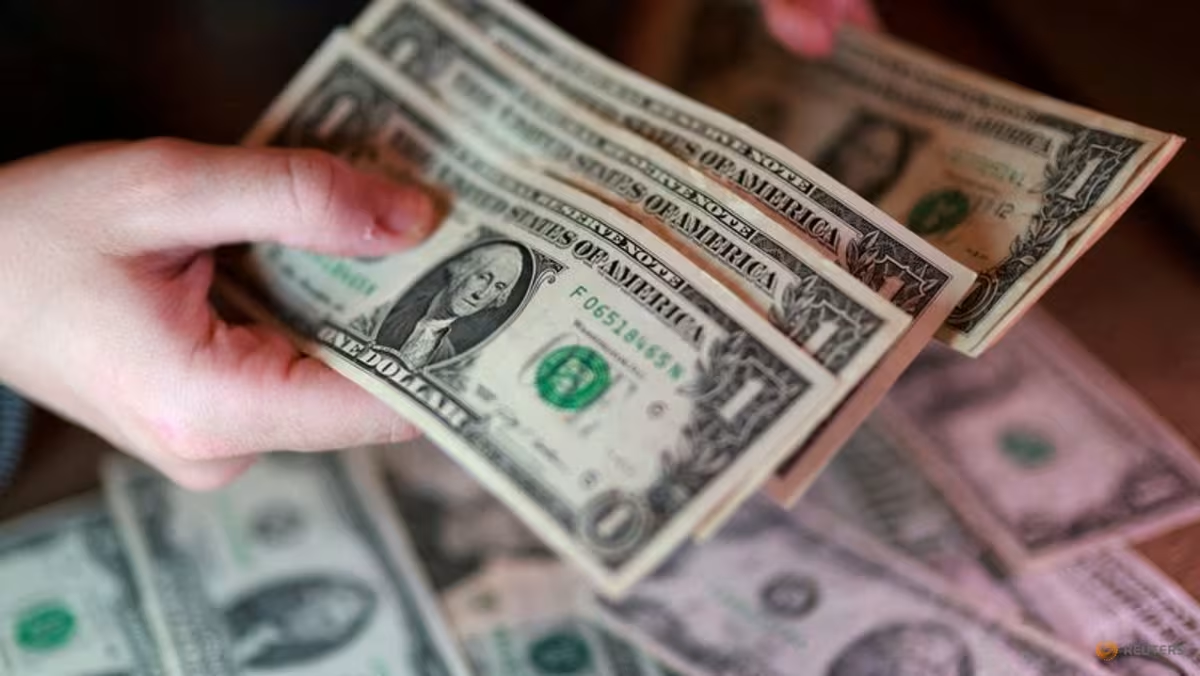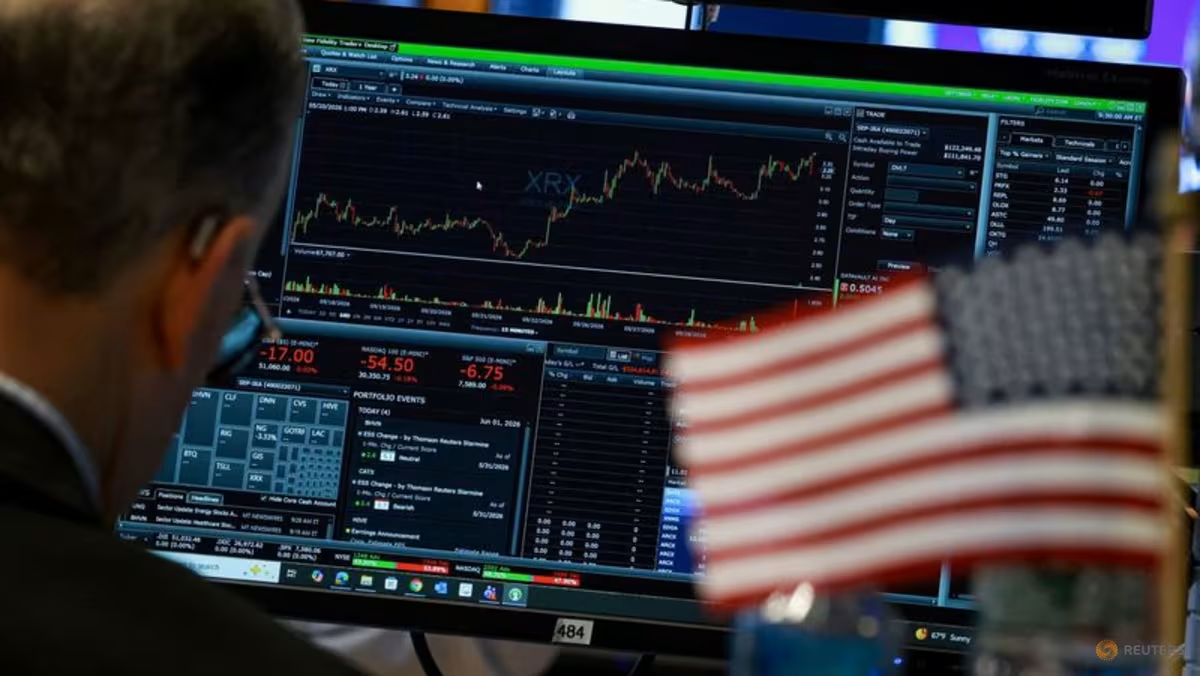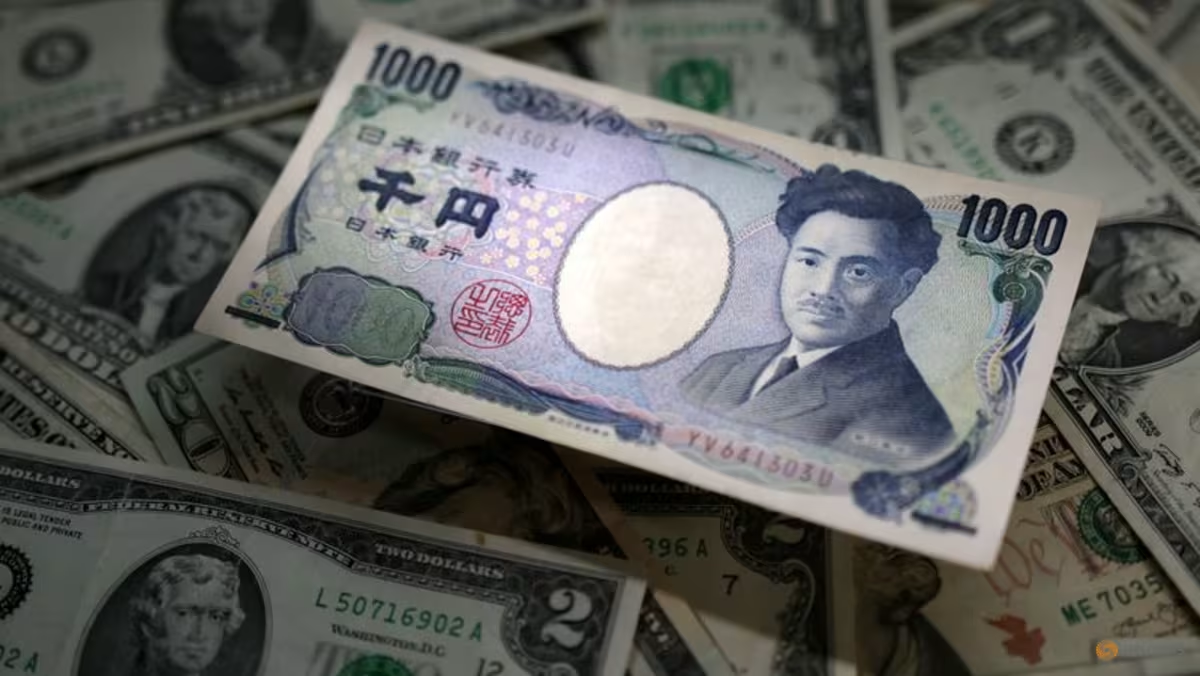
SYDNEY/LONDON – Global shares fell and oil prices got a boost on June 19 after US and Iranian negotiators called off peace talks, while the risk of official Japanese intervention mounted as the yen traded on the brink of a 40-year low.The dollar headed towards its strongest weekly gain in a month, mostly at the expense of the yen, which has fallen for five out of the last six weeks to trade close to its weakest since late 1986, prompting a volley of warnings from officials in Tokyo that intervention is an option.The MSCI All-World index was down 0.14 per cent, flipping into negative territory after US Vice-President J.D. Vance pulled out of a planned trip to meet Iranian negotiators in Switzerland on June 19. European stocks, meanwhile, managed to stay in positive territory, kept afloat by drugmakers Novo Nordisk, AstraZeneca and Novartis.The Israeli military said it carried out strikes overnight and continued attacking what it described as Hezbollah militants and infrastructure in several areas in southern Lebanon.Confidence in a lasting truce ebbed, pushing oil up modestly to US$80 a barrel, although the price was still headed for a drop of 8 per cent this week, after the US and Iran signed an agreement to halt fighting and reopen the Strait of Hormuz.Tankers have started sailing through the strait, which the war effectively closed, after the US lifted its blockade on Iran on June 18.“We concede that there will be a number of ships eager to leave the Gulf’s warm waters, and we think crude will struggle to find its footing amid a flurry of ‘open for business’ headlines, and yet we question the durability of the deal,” said analysts at RBC Capital Markets in a note to clients.“In the event that the deal holds... the Hormuz reopening trajectory could resemble something similar to the Red Sea, where shipping traffic remains over 50 per cent below pre-crisis levels despite the Houthis signing a deal in May 2025 to end hostilities.”The dollar index hit a new 13-month high, fuelled by a firm pledge from new Federal Reserve chair Kevin Warsh to tackle inflation and ensure price stability.That has prompted traders to assume there will be at least one rate hike in 2026, compared with a negligible possibility a couple of weeks ago.The shift in tone from the Fed has hit Treasuries hard. Two-year yields are nearly 10 basis points higher than they were this time last week, while benchmark 10-year yields have fallen 3 basis points to 4.451 per cent.That reflects investors pricing in the chances of near-term rate rises, while gaining some confidence that these could prove short-lived, given the drop in the oil price.The cash US bonds market was closed on June 19 for the Juneteenth holiday.With the dollar in the ascendant, the yen stayed on the back-foot to trade around 161.3, leaving the US currency at its strongest since July 2025, and well beyond the 160-threshold that most see as a trigger for Japanese intervention.“Today’s US holiday creates a lower-liquidity backdrop, a window during which the Japanese authorities have previously shown a preference to intervene,” ING strategist Francesco Pesole said.“A lack of intervention today would leave scope for speculators to push towards 162-163, given the supportive USD environment,” he said.The pound was up 0.1 per cent at US$1.321, after a 0.7 per cent drop the previous day as the Bank of England kept interest rates on hold in a 7-2 vote.Labour mayor Andy Burnham won an election in the north of England on June 19, removing a key obstacle to a leadership challenge against British Prime Minister Keir Starmer. REUTERS
Stocks dip after US-Iran peace talks delay; yen nears 40-year lows
The dollar headed towards its strongest weekly gain in a month, mostly at the expense of the yen. Read more at straitstimes.com. Read more at straitstimes.com.
TL;DRAI
VP Vance cancels Iran talks; dollar surges 13-month high, yen hits 40-year low, Fed signals 2026 rate hikes. Stronger USD increases cloud costs; anticipated rate hikes compress startup capital and tech M&A deal flow.
602 words~3 min read