(Image credit: Shutterstock)
Having spent time growing and caring for your tomatoes, watering, fertilizing and pinching them out as needed, you’re bound to be disappointed if those luscious smooth fruits you were expecting look out of sorts.But there could be a good reason your tomatoes are misshapen, with deep crevices, scar tissue and a feline appearance. In fact, it’s a common tomato-growing problem that’s known as ‘catfacing’.Here, I delve into the causes of catfacing in tomatoes and how to manage your crop to avoid distorted fruits.Don't let catfaced tomatoes go to waste
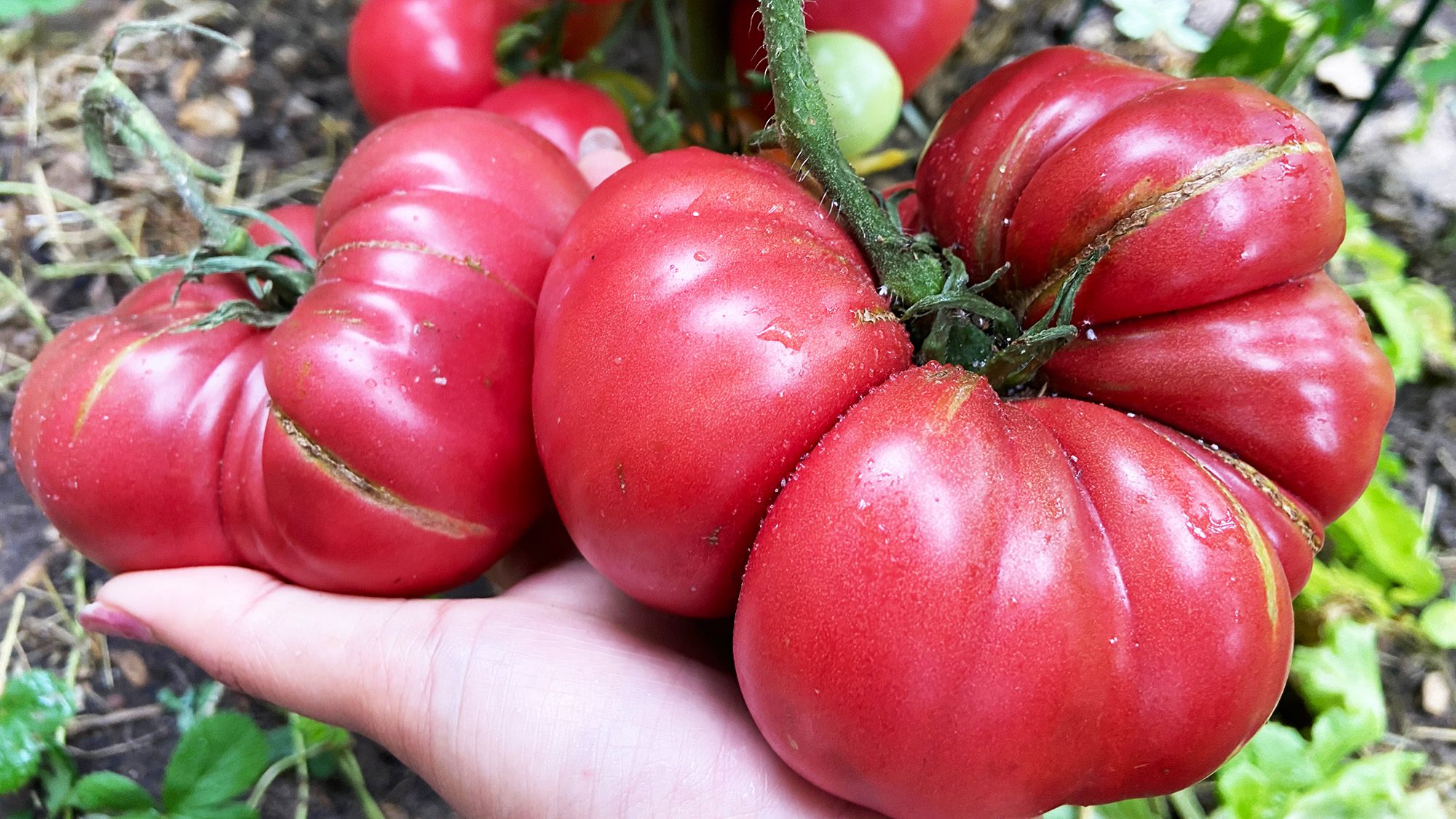
(Image credit: Shutterstock)Catfaced tomatoes won’t win you any prizes at your local country fair for their appearance, but they are still edible. You might not want to include them in a tomato and mozzarella salad, but once the scar tissue is cut away, they are perfect for chopping or adding to sauces.What does ‘catfacing’ look like?
(Image credit: Shutterstock)Thankfully, catfacing is not caused by pests or diseases. According to Linda Ly at Garden Betty, it’s a “physiological disorder that causes a tomato to develop severe physical abnormalities on the blossom end of the fruit.”And she describes the affected tomatoes as having “irregular lobes, crevices, or indentations in the fruit, with cracking and cork-like brown scars that look like rings or zippers.”Ly also mentions that the damage may extend into the flesh, causing a misshapen tomato, or it may form on the surface, with the only sign of catfacing being a scar on the bottom of the fruit.Get instant access to breaking news, the hottest reviews, great deals and helpful tips.What causes catfacing in tomatoes?