Salvador Cortés Rubio was relieving himself on the side of Highway 77 in Ardmore, Oklahoma, on June 7, 1931, when a car pulled up behind his Ford coupe. Two white men got out of the car and asked Cortés what he was doing. Although Cortés lived in Kansas, he knew enough about the South to button his pants and run back toward the car, where his 18-year-old brother and another friend were waiting. Just as Cortés Rubio got back to the Ford, he heard two shots and then the words, “Put your hands up.” Cortés Rubio slowly lifted his arms, looking in horror at the two lifeless bodies inside the car.
Cortés Rubio’s brother, Emilio, and their friend Manuel Gomez were killed by two off-duty police officers, Deputy Sheriffs William Guess and Cecil Crosby. Their murders were among thousands at the hands of police, tasked with enforcing even minor transgressions of racial norms in the South. The violence directed against people of color such as Cortés Rubio and Gomez was a violation of the founding principles of the United States, for each victim was denied the “unalienable rights” of “life” and “liberty” promised in the Declaration of Independence.
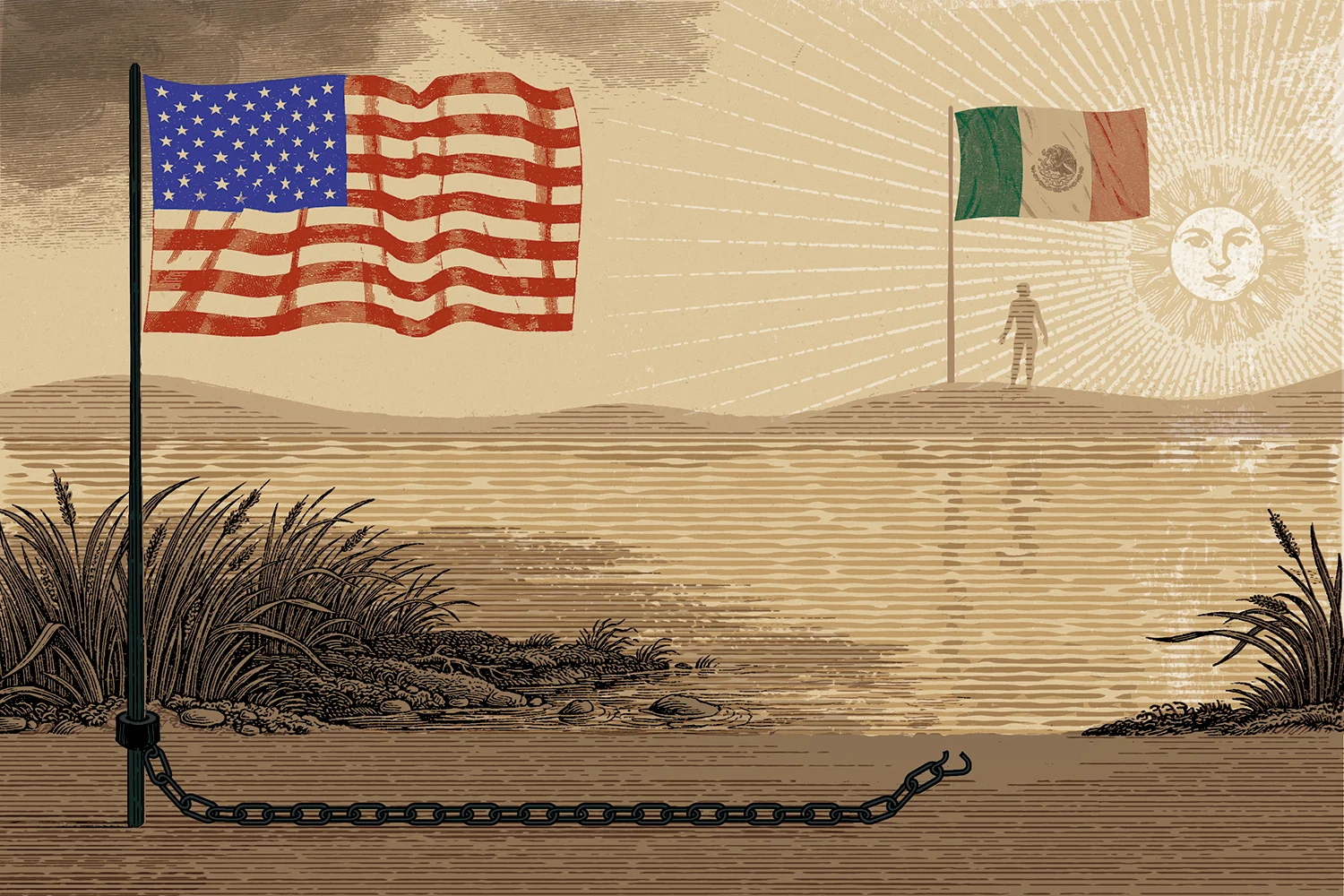
The history of the United States is often told as a centuries-long fight to fulfill those founding principles, with two major turning points: the Civil War, when the abolition of slavery enshrined those “unalienable rights” in law, and the Civil Rights Movement, which helped make those legal guarantees a lived reality.