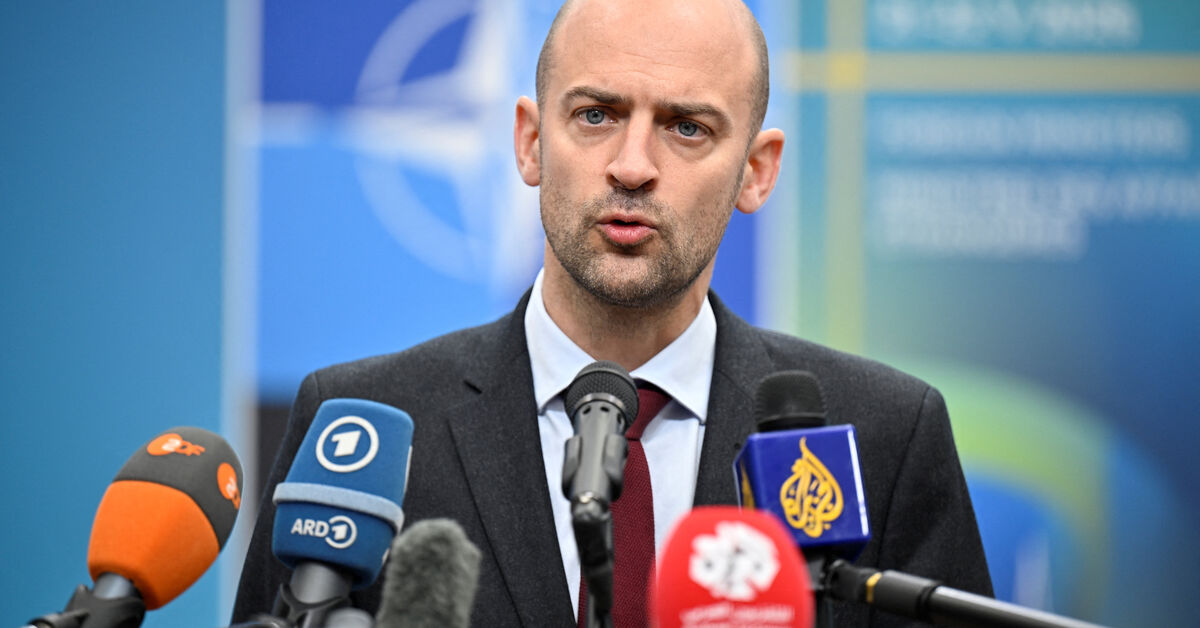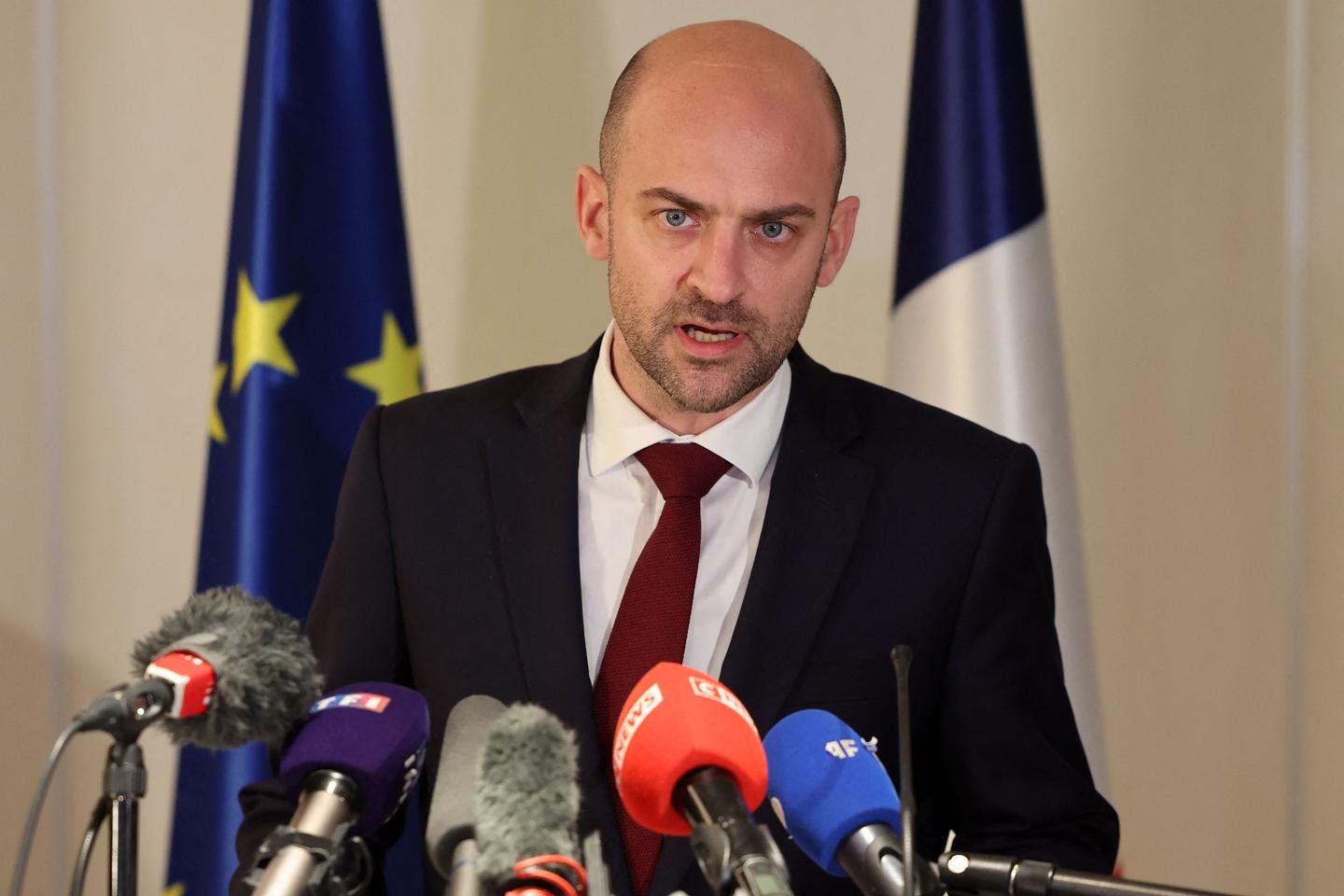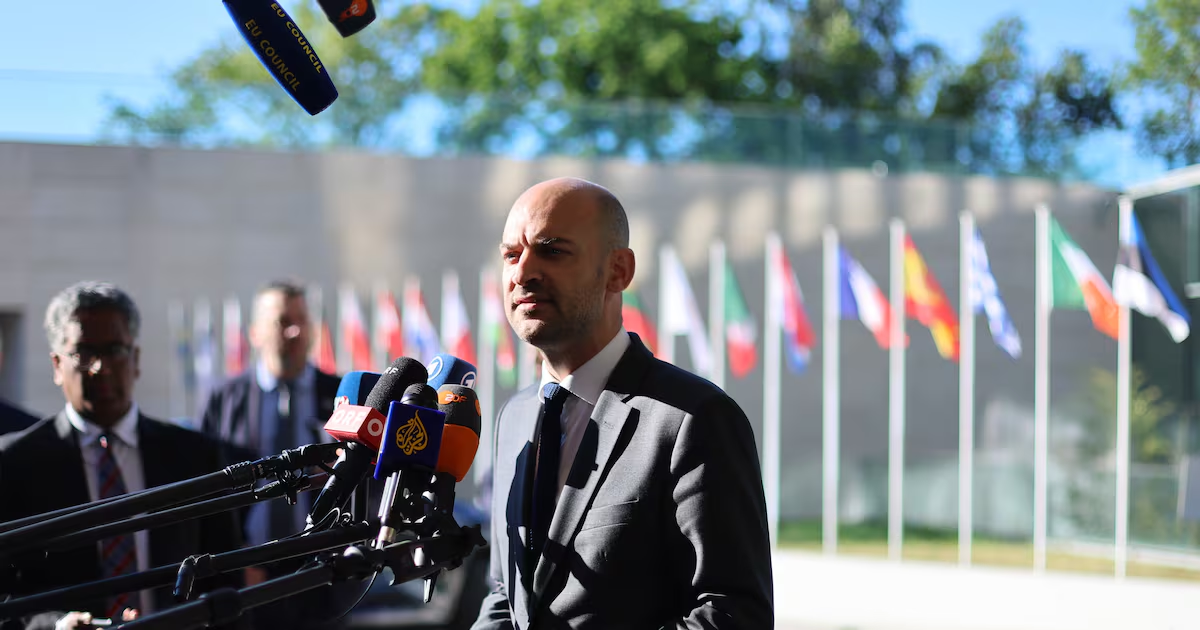
French Foreign Minister Jean-Noël Barrot says France will not agree to lift United Nations Security Council sanctions on Iran unless it is satisfied by the terms of a final accord on Tehran’s nuclear programme.
Issued on: 19/06/2026 - 12:15
2 min Reading time
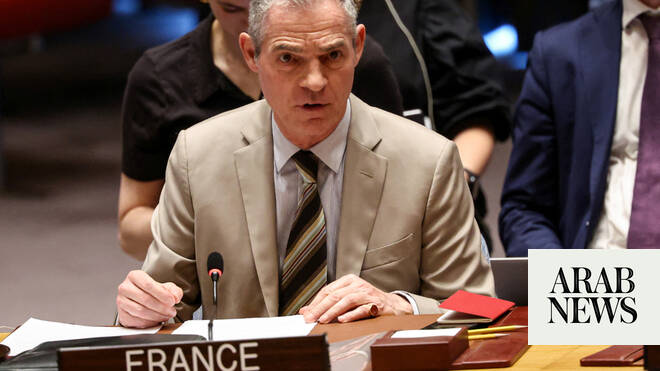
Barrot said that the region will not achieve stability unless US talks with Iran address Tehran's ballistic missile programme and its support for allied groups. "We need a radical change in Iran’s stance," he said in an interview with broadcaster franceinfo. His comments followed a US-Iran pact signed electronically on Tuesday to end four months of hostilities across all fronts, including Lebanon. Under the text, Washington commits to immediately waive oil sanctions that are crippling Iran's economy. "The return for major concessions that will be asked of Iran is the lifting of sanctions, sanctions that were taken at the United Nations," Barrot said, referring to a vote in September last year. As a permanent member of the United Nations Security Council, France holds the power to veto any accords. "So, as was the case 10 years ago, France will have to give its approval for the sanctions to be lifted," Barrot declared, a reference to the landmark nuclear deal that suspended international sanctions on Iran in January 2016. IAEA ready to help define 'concrete steps' to implement US-Iran deal France seeks greater role The agreement reached between the United States and Iran this week calls for negotiations over Teheran's nuclear programme to take place over the next 60 days, with a final deal to be endorsed by the Security Council. The agreement, due to be signed on Friday in Switzerland, has been postponed, Swiss authorities announced. It followed the announcement late Thursday from the White House that US Vice President JD Vance's trip was cancelled, with a spokesperson saying the "logistics of these negotiations have never been simple or predictable". European powers fear an inexperienced US negotiating team may fail to secure a robust nuclear agreement or address Iran’s ballistic missile programme in the next phase, risking a prolonged standoff.