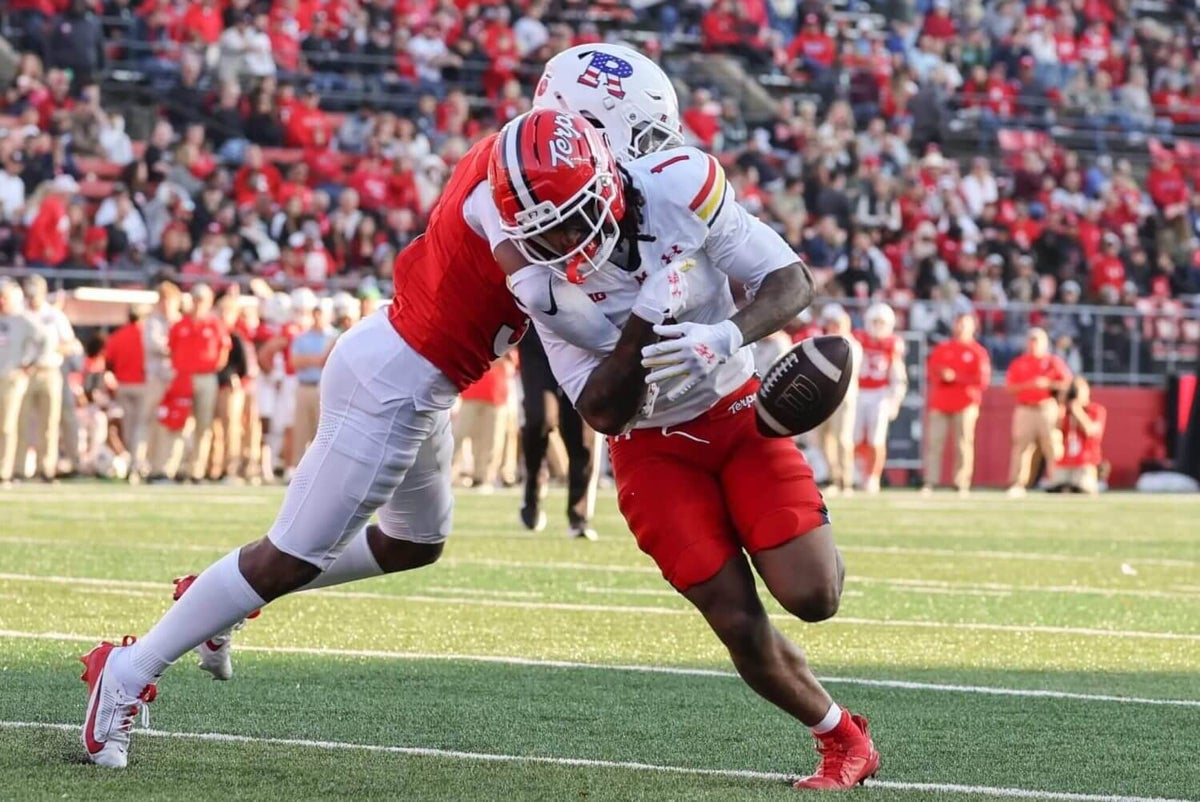
Maryland and Rutgers arrived in the Big Ten on the same day, and in the ensuing 12 years their financial issues and lack of football success have tied their stories together even more tightly.Since joining the Big Ten on July 1, 2014, their football teams have the two worst records in league play: 29-73 for Maryland, 22-84 for Rutgers. They reported the two lowest football ticket sales totals among the Big Ten’s 16 public schools. And those numbers are only part of their overall revenue generation challenge.During fiscal year 2025, Maryland reported $124 million in revenue, which is $22.64 million below the second-lowest Big Ten public school, Rutgers ($146.64 million). Over its first 11 seasons in the Big Ten, Rutgers’ athletic department reported $518.9 million in losses ($190.52 million) or direct government subsidies and student fees ($328.37 million). Rutgers has tried to catch up to its Big Ten colleagues, but its losses are expected to climb even higher this year.Both schools introduced new athletic directors last July who see opportunities for growth, Rutgers hiring LSU administrator Keli Zinn and Maryland bringing in Atlanta Braves executive Jim Smith. They have vastly different backgrounds but are committed to changing the financial outlook for the schools at the bottom of the richest conference in college sports.“Admittedly we already have, and it’s part of the reason you’ll hear me be pretty bullish in this space,” Zinn said.Rutgers digging out of a historic holeWith more than 50,000 undergraduates and proximity to the nation’s largest media market, Rutgers has some built-in advantages. But taking the leap from the American Athletic Conference to the Big Ten has come with significant spending increases that create an uphill battle for Zinn.Rutgers’ financial distress doesn’t reflect apathy, however. Last year, the school reported 93 percent capacity at SHI Stadium for home football games despite a 5-7 record and stagnant growth in ticket sales. Its men’s basketball ticket revenue ranked seventh among Big Ten public schools during the 2025 fiscal year.“I’ve found a sincere passion for the state of New Jersey, and a number of people in positions that can help change the trajectory of our department in a way where they recognize the value of what it means to a state when you have a really well-performing athletics program,” Zinn said.Zinn spent four years as LSU’s executive deputy athletic director and chief operating officer with direct oversight of football and gymnastics, revenue generation, capital projects and strategic initiatives. At Rutgers, she walked into a department that had reported a $47 million shortfall during fiscal year 2025, and even with a $17 million rise in the Big Ten media rights distributions coming its way, her department pushed forward significant changes to limit inefficiencies and overhead while boosting revenue-generating opportunities.At the top of the list was restructuring and merging three ticket operations into a single entity. Rutgers had a traditional box office that reported to the business office. Its premium ticketing was funneled through its philanthropic “R Fund.” Third-party ticket sales went through Scarlet Assets Management Company (SAMCO), a subsidiary formed in 2024 to unify multimedia and naming rights, merchandise and ticket sales.“Not great, right?” Zinn said.With SAMCO facing new tax exposure after recommendations from the New Jersey attorney general’s office, Zinn created Scarlet Knight Enterprises, which merges the athletic department’s business operations under a seven-member advisory board that includes longtime college sports executive Oliver Luck, who serves as chairman, plus YES Network co-founder Finn Wentworth, Nike Basketball vice president Michael Flaherty and NBC Sports broadcaster and former Rutgers athlete Kathryn Tappen.
Rutgers, Maryland and new outlooks on life at the bottom of college football’s richest conference
The Terrapins and Scarlet Knights introduced new athletic directors last July who see opportunities for growth.
1,710 words~8 min read