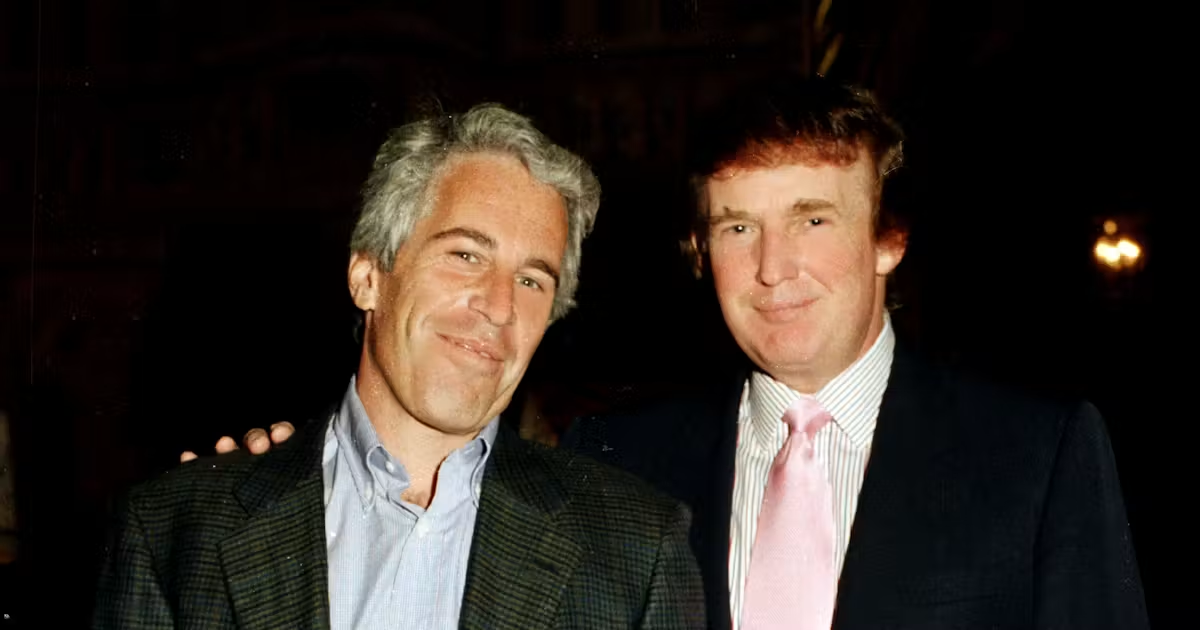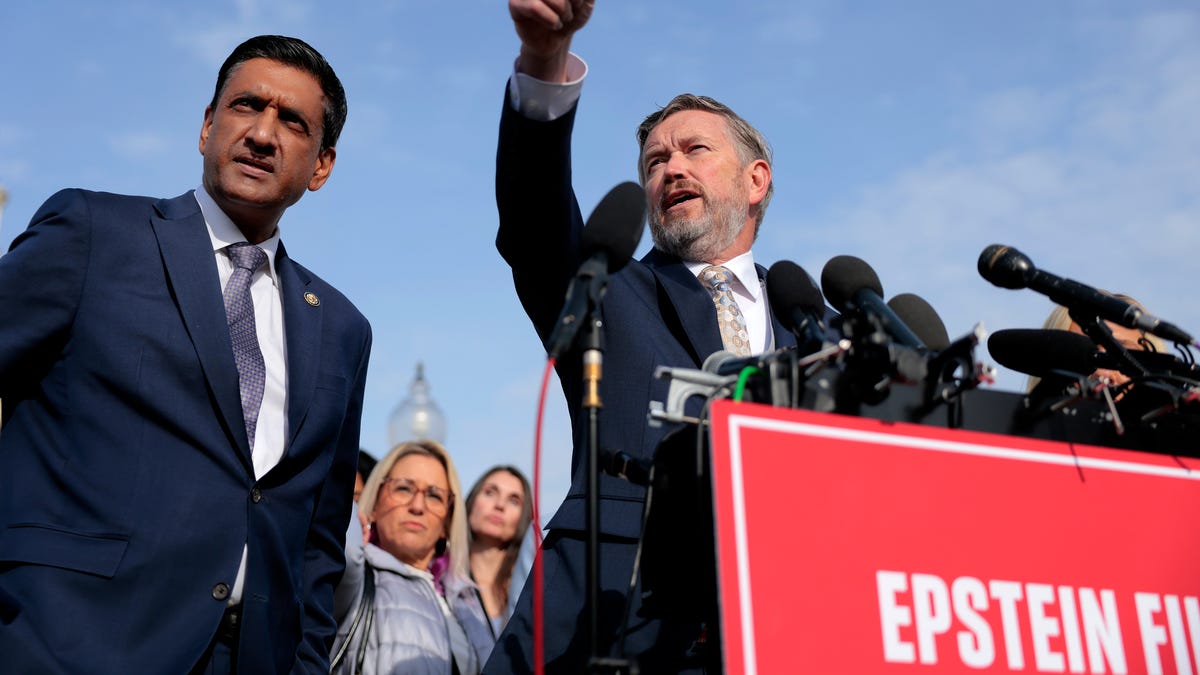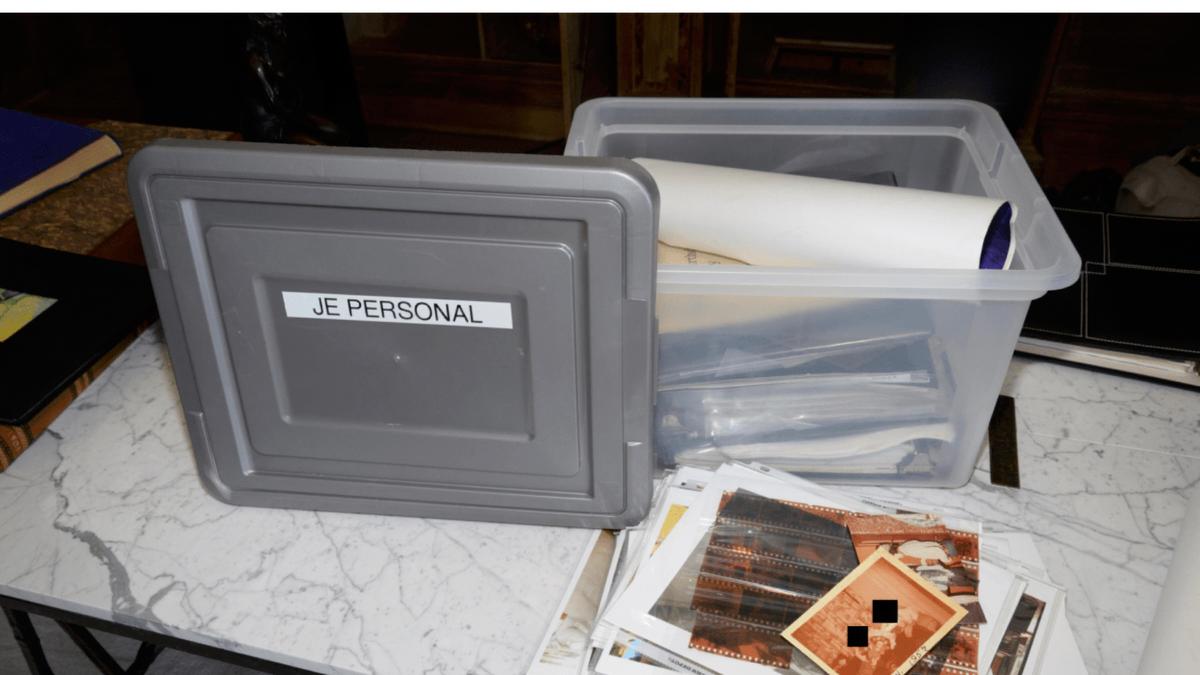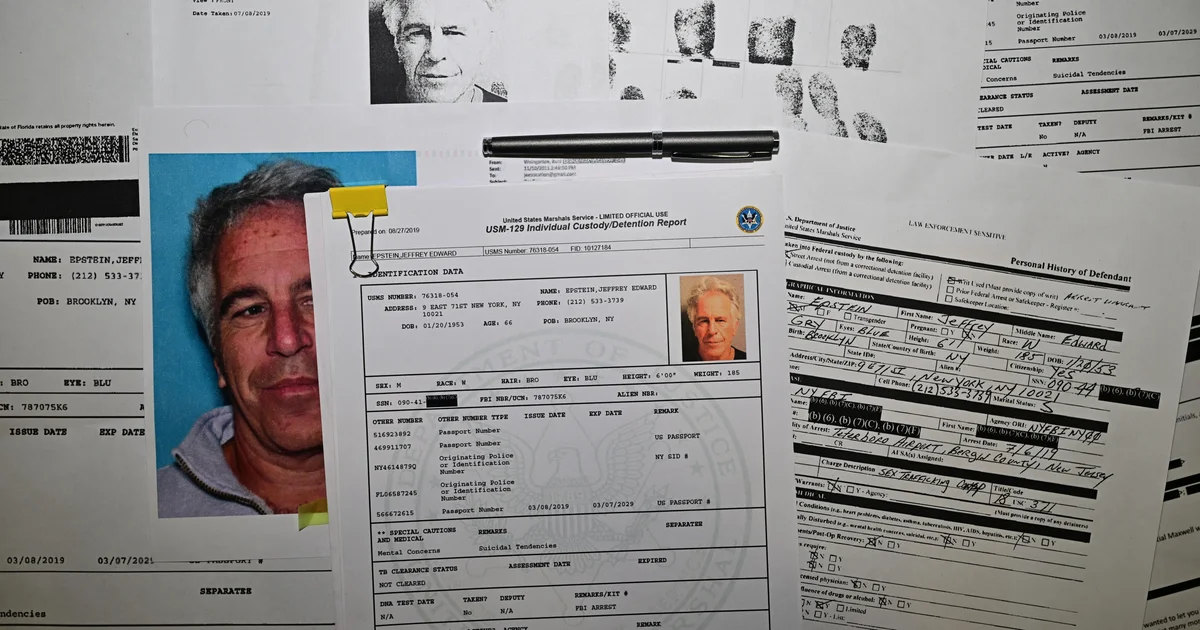
When the Department of Justice released more than 3 million pages of documents under the Epstein Files Transparency Act, survivors, advocates and lawmakers quickly raised questions about an apparent discrepancy: the DOJ had said it collected more than 6 million pages of material during its investigation but was only releasing half that number.The Justice Department tells CBS News it "has released every document required by the Epstein Files Transparency Act," and maintains that those unreleased 3 million documents were either duplicative, unrelated to Epstein or protected by legal privilege.But concerns persist about evidence that important documents are still being withheld. At the same time, the Government Accountability Office recently announced it was launching an investigation into the way documents that were released had information blacked out. That move comes at the request of several members of Congress. Rep. Robert Garcia, the top Democrat on the House Oversight Committee, says that if there are duplicates, "OK, that's fine, let's see them." He adds, "I think what people need to understand is … we're not sure what's in the 3 million." CBS News has analyzed the archive not only for what has been disclosed, but also for documents that appear to be absent. Despite the unprecedented volume of material now available, it's apparent that many gaps remain in the public record surrounding Epstein's activities, his communication, the federal investigations into him and the circumstances surrounding his death behind bars. Our review identified several areas where important questions remain unanswered or documents appear to remain unreleased.Redaction issuesThe Epstein Files Transparency Act provides only limited grounds for withholding information or redacting names. Its primary purpose is to protect victims. The bill specifically excluded "reputational harm, or political sensitivity" as a reason for redacting. Yet in many instances prominent individuals' names were redacted while victims' names were not.
What's missing from the Epstein files? Questions persist about unexplained redactions, missing documents, email gaps
The Justice Department says it's released "every document required by the Epstein Files Transparency Act," but CBS News has identified numerous gaps.
2,251 words~10 min read