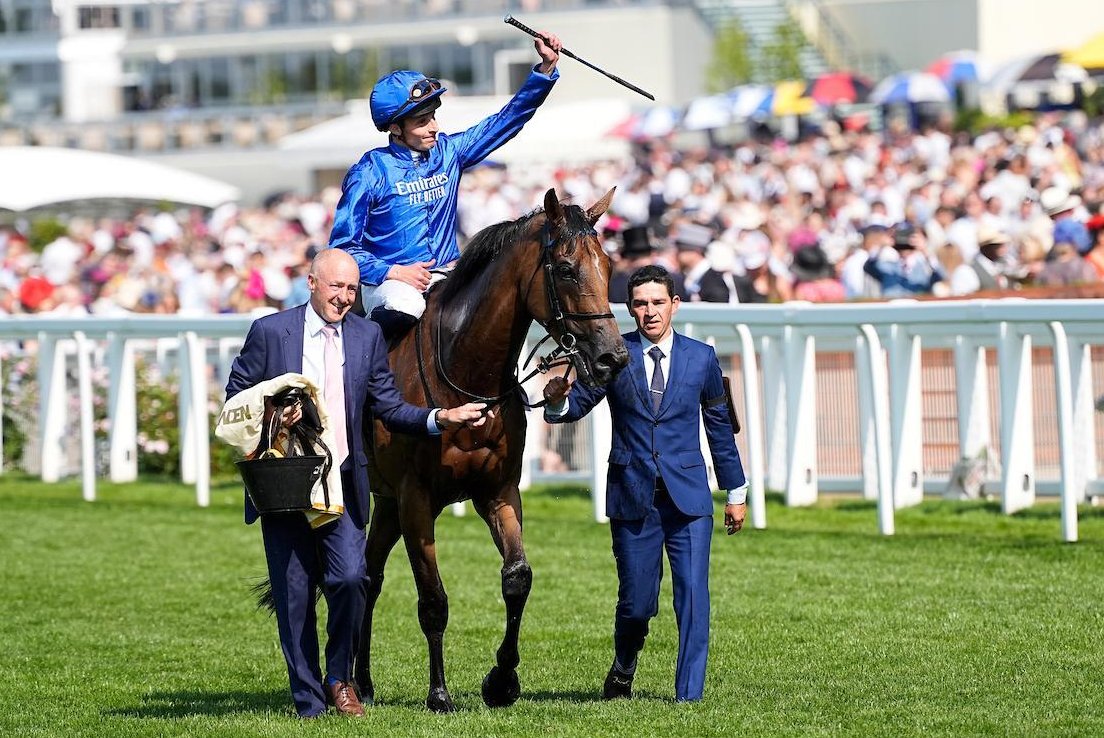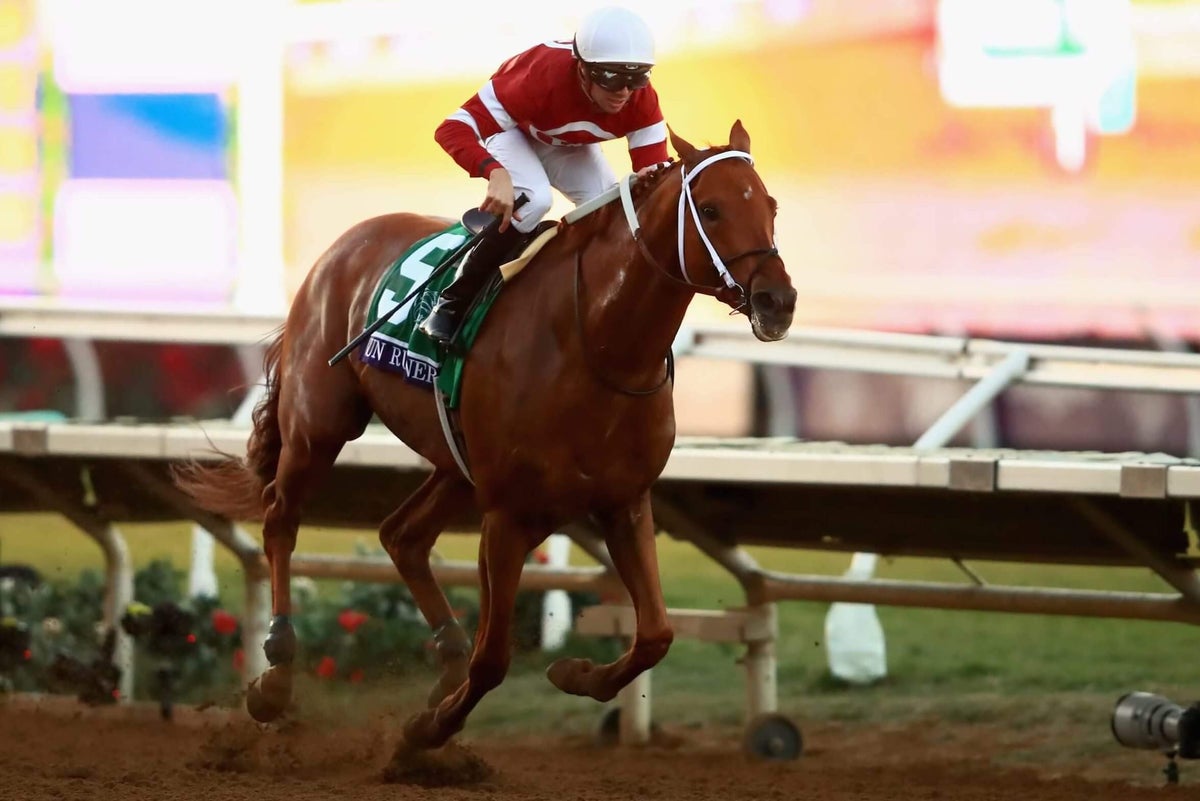
Two of the world’s greatest dads are unlikely to receive many monogrammed mugs or touching cards from their kids on Father’s Day. This is mainly because they’ve never actually met their kids, but also because they’re horses.In the picturesque horse farms outside Lexington, Kentucky, two of the greatest stallions of our time, maybe of all time, have retired from racing, but they’re still hard at work. Into Mischief and Gun Runner are likely to spend their Father’s Days in the breeding shed, trying to become dads yet again.In the world of thoroughbred racing, stallions reign supreme, as owners and leading farms try to create champion sire lines that can sustain a breeding enterprise for decades. If you look at the Daily Racing Form on any given day at any of the country’s top race tracks, you’ll probably see their names a few times. If you look at the program or your preferred betting app on the biggest racing days — Kentucky Derby, Belmont Stakes, Breeders’ Cup — you’ll definitely see them.In a sport that is all about parents and their progeny, that’s a big deal. Hardly a major stakes race takes place without one of their kids — or even their grandkids — in the starting gate. Three of the past six Breeders’ Cup Classic winners are theirs. This year’s Kentucky Oaks winner, Always a Runner, is a daughter of Gun Runner. Last year’s Kentucky Derby winner, Sovereignty, is a son of Into Mischief.Sovereignty crosses the finish line to win the 151st running of the Kentucky Derby at Churchill Downs. (Michael Reaves / Getty Images)This is obvious to devotees of the sport, but for newcomers, watching horse racing from the perspective of a dad (or mom, of course) changes everything. Suddenly, you’re not just watching a race; you’re watching cascading generations of horses to see how they act or look like their folks. It’s oddly warm and familial.But plenty of champion horses do not produce champion kids, and plenty of lesser racehorses turn out to be outstanding sires. Coolmore Stud famously bought Kentucky Derby champ Fusaichi Pegasus for a figure between $60 and $70 million after his Derby win, but he produced only a few successful descendants and was widely regarded as a huge bust as a stallion. Success in racing is about much more than just speed and power, and so it’s hard to determine which colts will produce great kids.Into Mischief is a prime example. A quality racehorse, he ran only six times but won three races. He retired to Spendthrift Farm in Lexington, Kentucky, and started to breed as a relatively unheralded stallion.“He did it the hard way,” explained Dean Roethemeier, Director of Sales Operations at Keeneland.Into Mischief produced his first crop of foals for a relatively modest $12,500 stud fee. But those first few crops of kids exceeded expectations in their 2-year-old seasons, and so owners started bringing him higher-class mares. Into Mischief’s stud fee is now 20 times that amount, and he has been the leading sire in North America for the past seven years. Only two other horses have ever held the top spot for seven consecutive years: one was in the 1960s (Bold Ruler), the other was in the nineteenth century (Lexington).“He’s not too much to look at, just 16 hands, a pony-looking horse, but he is pure presence,” said Wayne Howard, stallion manager at Spendthrift Farm, where Into Mischief stands to stud, now at the age of 21.Into Mischief takes a stroll at Spendthrift Farm. (Graham Cornwell)Among Spendthrift’s many quality stallions, Into Mischief exercises a kind of casual dominance around the barn. Spendthrift folks often refer to him by the respectful diminutive “Chief,” and other horses seem to recognize that he’s the boss. He spends his days flitting among barn, grassy field and breeding shed, where the best mares in the world arrive a few times a day between February and the end of June. His spring calendar is a busy one.
Meet two of the world’s greatest sports dads. They’re horses
Their racing days behind them, Into Mischief and Gun Runner have one job — and they do it very, very well.
1,753 words~8 min read