June 19, 2026
7 min read
Add topic to email alerts
Receive an email when new articles are posted on
Please provide your email address to receive an email when new articles are posted on .
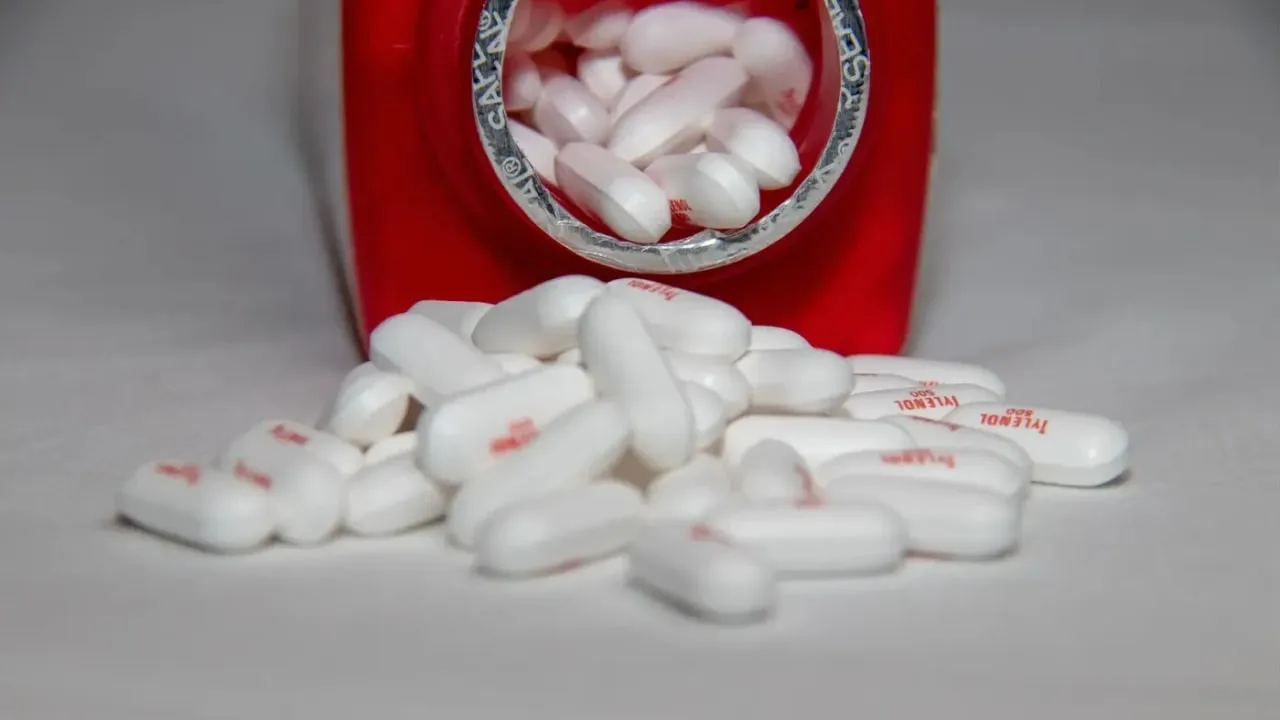
Compounded medications currently represent an estimated 1% to 3% of all prescriptions written in the United States, according to a recent 2025-2026 report issued by the Alliance for Pharmacy Compounding.“There’s a good chance you know someone who has benefited — or whose pet has benefited — from a compounded drug,” read the report, which was released in March.
Compounded drugs (1-3% prescriptions) bypass FDA oversight to address gaps but require physician due diligence on pharmacy vetting and safety. Health-tech signal: demand for verified-pharmacy APIs and compliance platforms in the unregulated compounding sector.
June 19, 2026
7 min read
Add topic to email alerts
Receive an email when new articles are posted on
Please provide your email address to receive an email when new articles are posted on .

Study Finds Some Medical Spas Still Selling Compounded Weight-Loss Drugs From Pharmacies With Regulatory Concerns

Americans for Safe and Effective Medicines Launches to Protect Patients from Illegal Mass Compounding, Counterfeit Drugs, and…

NABP to Develop National Adverse Event Reporting Clearinghouse for Compounded Medications

FDA advisory panel voted to allow compounding pharmacies to make 6 of 7 peptides, despite safety/efficacy concerns, with…
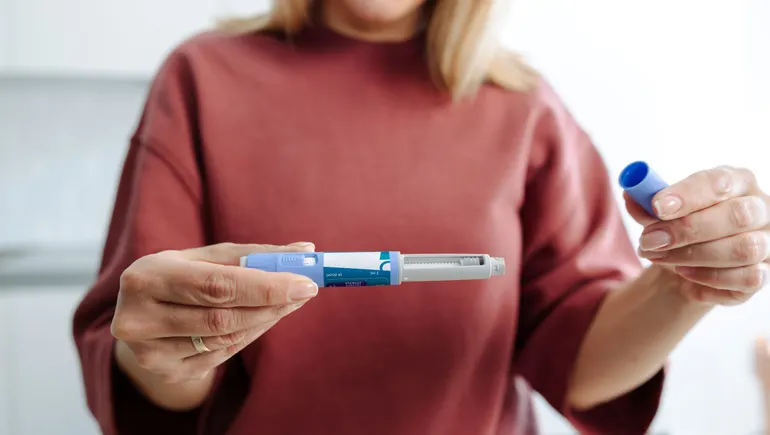
Despite an FDA crackdown, numerous pharma lawsuits and possible safety risks, nearly 1 in 5 patients taking are still taking…
An FDA advisory committee has recommended that three peptide drugs that were previously restricted because of potential safety…