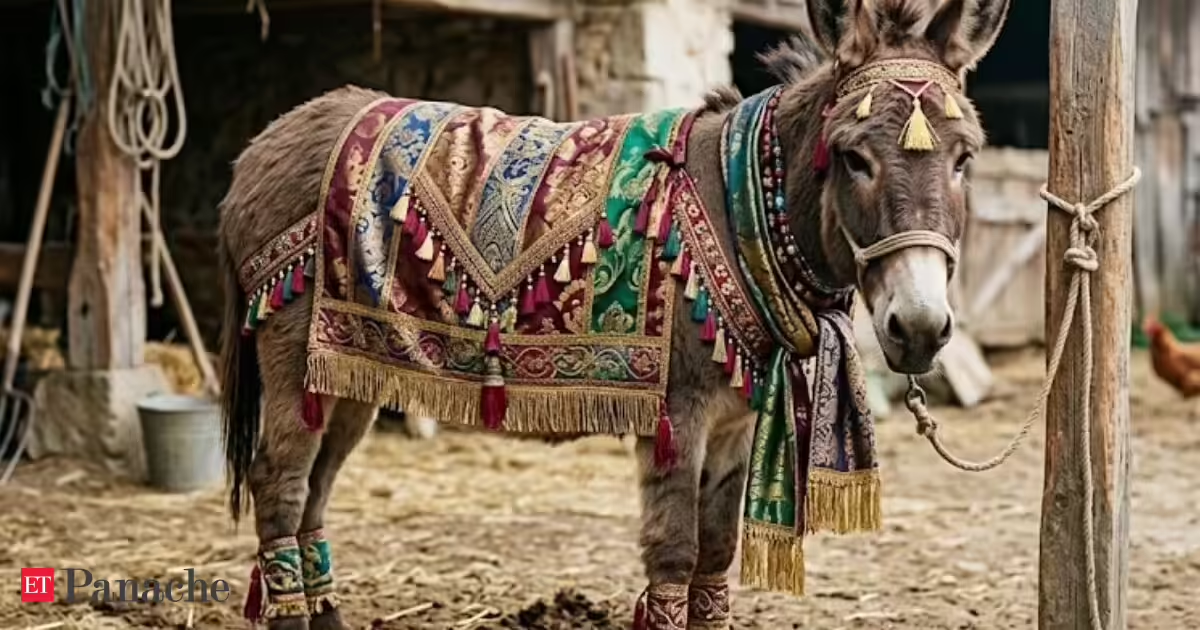
Proverb of the day: ‘When a clown moves into a palace, he does not become a king; the palace becomes a circus’, a lesson on why titles do not define peopleSynopsisA popular saying highlights how placing the wrong person in charge can transform an institution into chaos. It emphasizes that titles do not guarantee competence. True leadership stems from character and responsibility, not just a position. This timeless wisdom warns against judging individuals by their status alone. Actions and integrity are what truly matter for an organization's success.Listen to this article in summarized formatThe proverb of the day is about leadership and how it's not the title that defines a person, but their work and competence. (Ai-generated image: Gemini)The internet is filled with profound proverbs that you will instantly be able to relate to. After all, proverbs have survived many generations and cultures, but the crux of it always remains the same, which is showing the truth in simple words. One such proverb, which may sound humorous at first, holds a deeper meaning when you decode it. The proverb is about leadership, competence and how it's not the title that defines a person, but their work.The proverb, “When a clown moves into a palace, he does not become a king; the palace becomes a circus,” remains popular because it speaks to leadership, competence, and the influence one person can have on an entire institution.Understanding the proverbAt first glance, the proverb paints a vivid image. A clown entering a palace might appear to have gained status, but the saying argues that a prestigious setting cannot automatically transform someone's character, abilities, or judgment.Instead, the proverb suggests that if an unqualified or irresponsible person is placed in an important role, it is often the institution that changes for the worse. The “clown” does not become kingly. Rather, the palace begins to resemble a “circus.”A lesson about leadershipThe deeper meaning goes far beyond royalty or palaces. It is a lesson about leadership in every sphere of life.You Might Also Like:Whether it is a company, government office, school, community group, or even a family business, the quality of leadership shapes the culture around it. Competent leaders tend to encourage discipline, accountability, and respect. Poor leaders often create confusion, disorder, and instability.The proverb reminds us that titles alone do not create wisdom. A corner office, a throne, or a position of authority cannot magically provide qualities that were never developed.Why the saying remains relevantThe reason this proverb continues to resonate is that people frequently observe situations where prestige is mistaken for capability. Many assume that once someone receives a powerful title, they automatically deserve respect. The proverb challenges that assumption. It argues that genuine leadership comes from character, judgment, and responsibility rather than status symbols. A palace may look impressive from the outside, but its success depends on the people running it.You Might Also Like:Looking beyond appearancesAnother important lesson is the danger of focusing only on appearances. Institutions often spend years building credibility, trust, and reputation. Yet all of that can be weakened when leadership fails. The proverb serves as a reminder to evaluate people by their actions rather than their position. A title may open a door, but competence, integrity, and wisdom determine what happens after someone walks through it.You Might Also Like:( Originally published on Jun 19, 2026 )Read More News on...morelessRead More News on...moreless
Proverb of the day: ‘When a clown moves into a palace, he does not become a king; the palace becomes a circus’, a lesson on why titles do not define people
A popular saying highlights how placing the wrong person in charge can transform an institution into chaos. It emphasizes that titles do not guarantee competence. True leadership stems from character and responsibility, not just a position. This timeless wisdom warns against judging individuals by their status alone. Actions and integrity are what truly matter for an organization's success.
561 words~3 min read