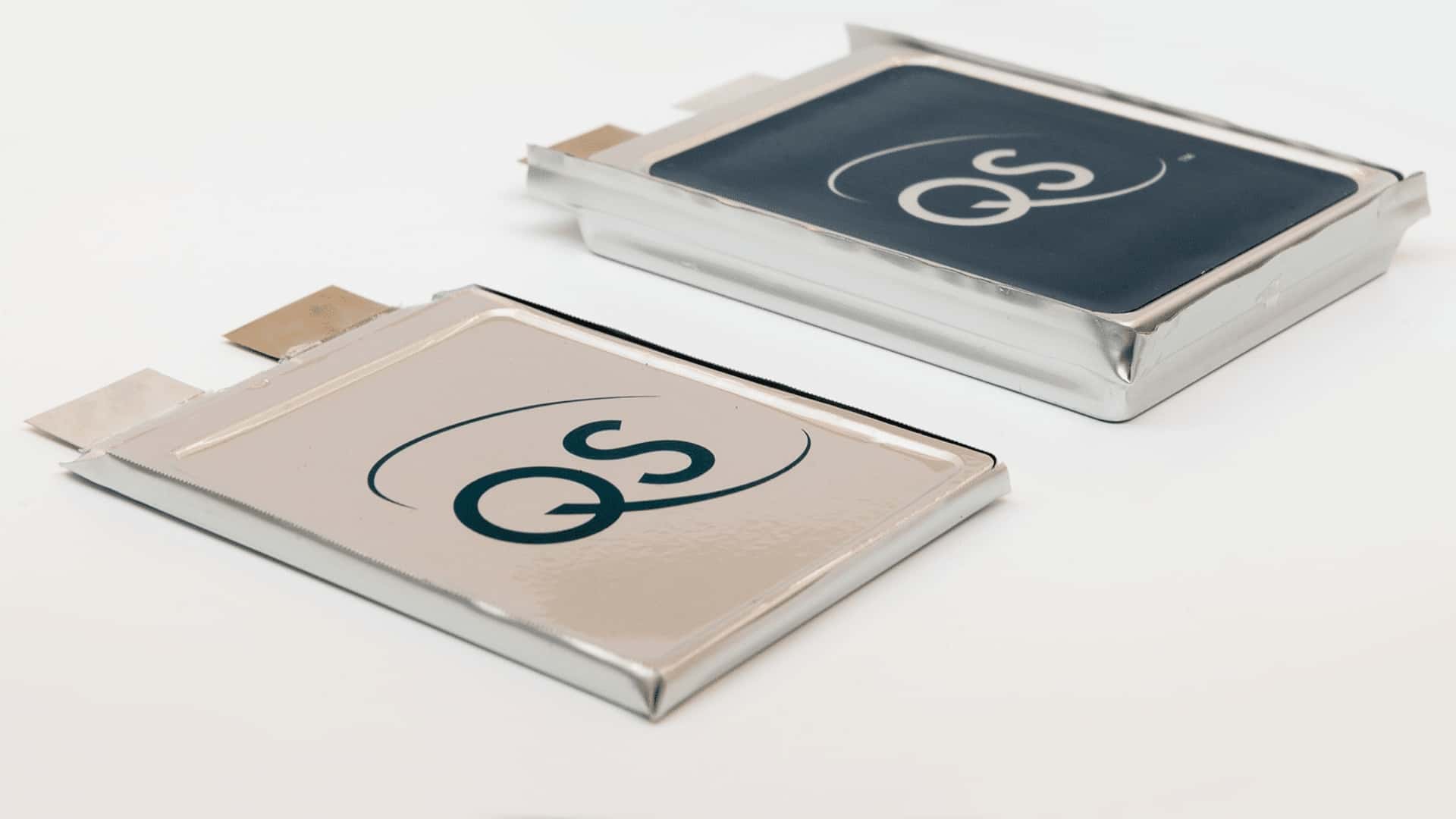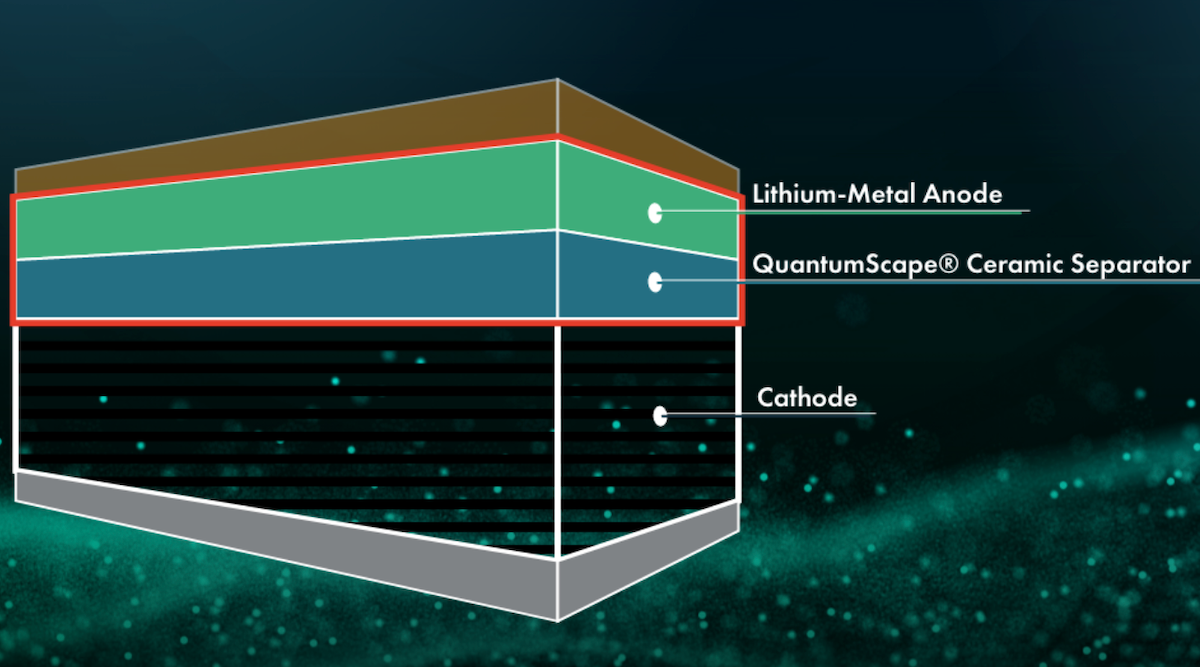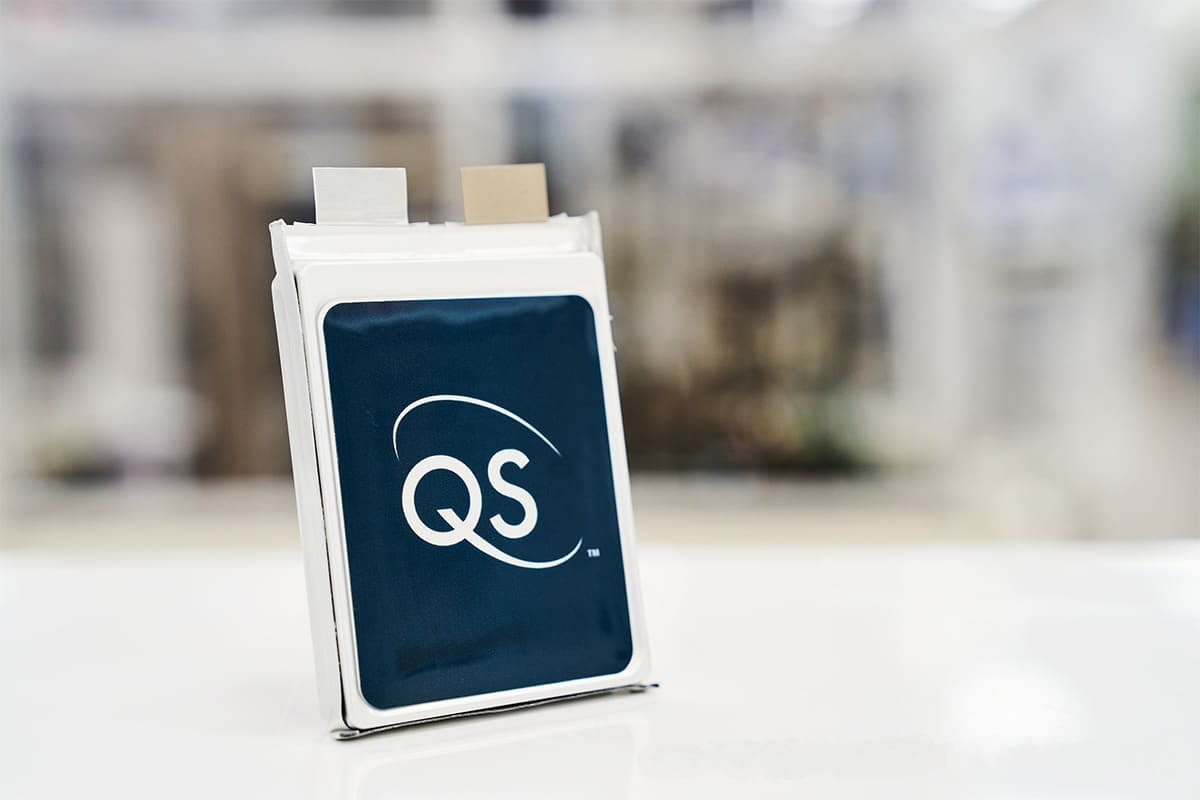
QuantumScape has entered a research cooperation with Japanese automaker Honda. Both parties aim to advance the development of solid-state batteries. The collaboration is designed to span several years. Solid-state battery specialist QuantumScape is primarily known to us for its partnership with VW.Image: QuantumScapeThe partners intend to further develop QuantumScape’s QS battery platform, the company’s solid-state battery architecture. The agreement has been signed with Honda R&D, the development arm of Honda Motor, which will serve as QuantumScape’s contractual partner. The collaboration is structured as a multi-year research programme aimed at advancing solid-state battery technology and the associated manufacturing processes.According to QuantumScape, the current agreement follows a ‘technology evaluation agreement with QS, which included an in-depth, hands-on technical study of QS’s solid-state technology platform as well as competitive benchmarking across a range of standard technical tests.’ After successfully completing this assessment, the joint development work is now set to begin.“QS technology demonstrated compelling and unique advantages during our evaluation,” said Atsushi Ogawa, Chief Operating Officer, Research Center of Excellence, Honda R&D Co., Ltd. “We see potential for QS technology to add value across a range of applications, including automotive, and we are excited to move forward into the next phase of our partnership.”“Honda is a leading global automaker renowned for its engineering excellence and product quality across automotive and other applications worldwide, and its evaluation represents one of the most rigorous assessments of our technology to date,” said Dr. Siva Sivaram, CEO and President of QS. “This agreement reflects the growing confidence in QS solid-state lithium-metal batteries to enable safer, higher-density energy storage.”For context: QuantumScape is one of the most promising solid-state battery developers in the USA and is primarily backed by Volkswagen. At the end of 2025, the company announced that it had completed the installation of key equipment for the pilot production of its so-called QSE-5 solid-state cells in San Jose, California, followed by the inauguration of the pilot line in February.This so-called Eagle Line is an automated production line for manufacturing QuantumScape’s battery cells and is intended to serve as the foundation for future series production. However, QuantumScape does not plan to engage in large-scale production itself; instead, it aims to realise gigawatt-hour-scale projects through licensing agreements with partners.In October, QuantumScape announced that it had started shipping B1 samples of its QSE-5 cell. The company did not disclose which customers received the samples. However, Volkswagen is likely to be among them, given its long-standing relationship with QuantumScape, which was further expanded in summer 2025.A key element of the partnership is the Ducati V21L electric motorcycle, which serves as a test platform for solid-state battery technology. As Honda is not only a car manufacturer but also one of the world’s largest motorcycle producers, the new research collaboration could potentially place particular emphasis on two-wheeler applications. However, neither company has confirmed such a focus.What is clear: The QSE-5 cell is set to become QuantumScape’s first commercial product—with a capacity of 5 Ah, an energy density of over 844 Wh/l, and a charging time of 12.2 minutes from 10% to 80% state of charge (SoC). In October 2024, the manufacturer began small-scale production and delivery of B-samples for testing by automotive customers, according to its own statements. The QSE-5 is specifically described by the company as a solid-state battery cell measuring 84.5 mm × 65.6 mm × 4.6 mm. The cell is also designed to function at low temperatures down to -30 °C. The QSE-5 was preceded by two cell prototypes at QuantumScape: The ‘A0’ cell samples were delivered to automotive manufacturers for testing just before Christmas 2022. In March 2024, the so-called ‘Alpha-2’ cells followed. ir.quantumscape.com
QuantumScape signs Honda as solid-state battery partner - electrive.com
QuantumScape has entered a research cooperation with Japanese automaker Honda. Both parties aim to advance the development of solid-state batteries. The
TL;DRAI
Honda partners with QuantumScape on solid-state batteries post-evaluation; QSE-5 delivers 844 Wh/l and 12-minute charge. Honda's backing validates licensing model and accelerates OEM solid-state roadmap beyond VW.
605 words~3 min read