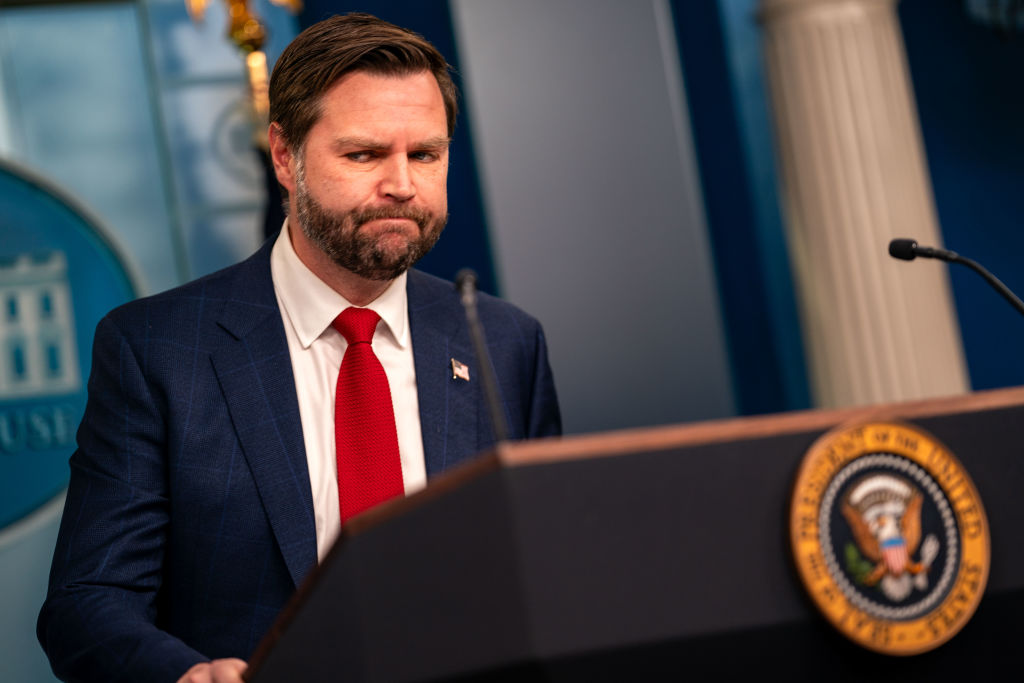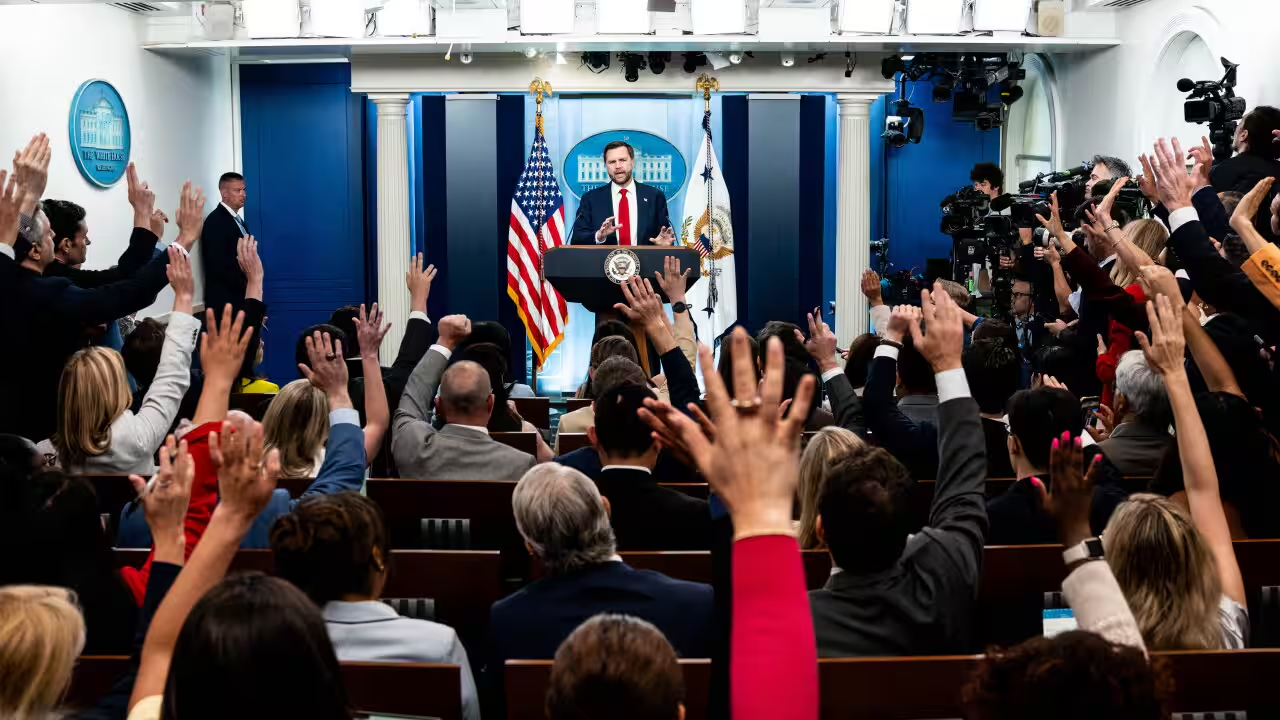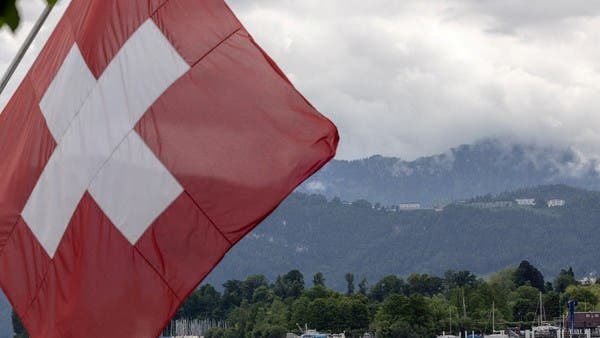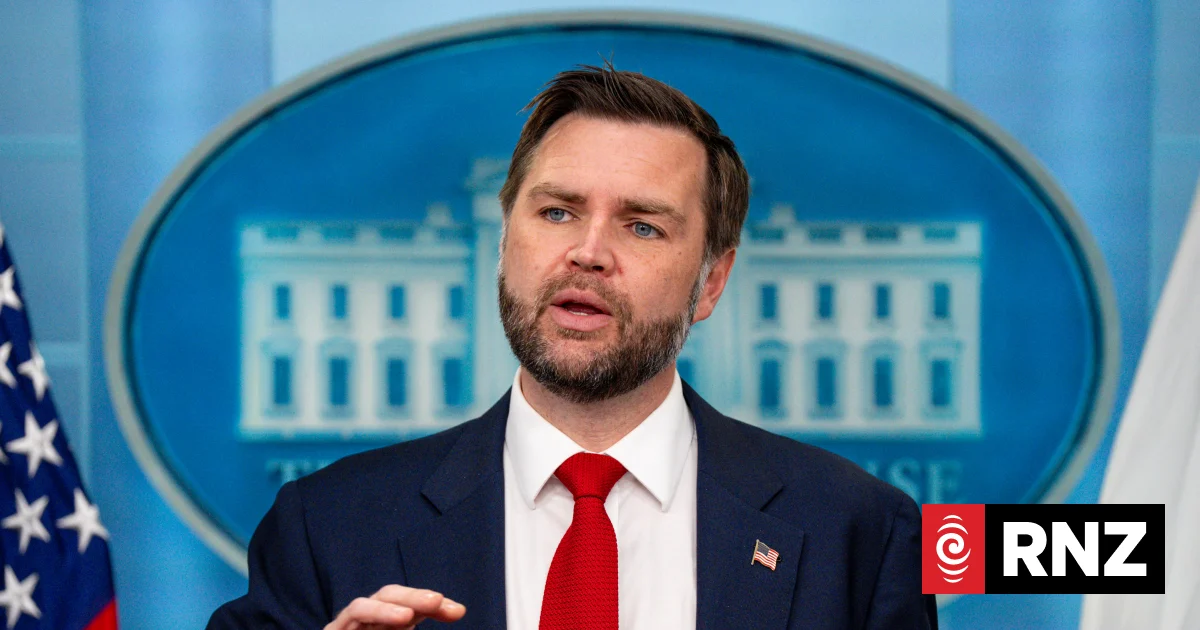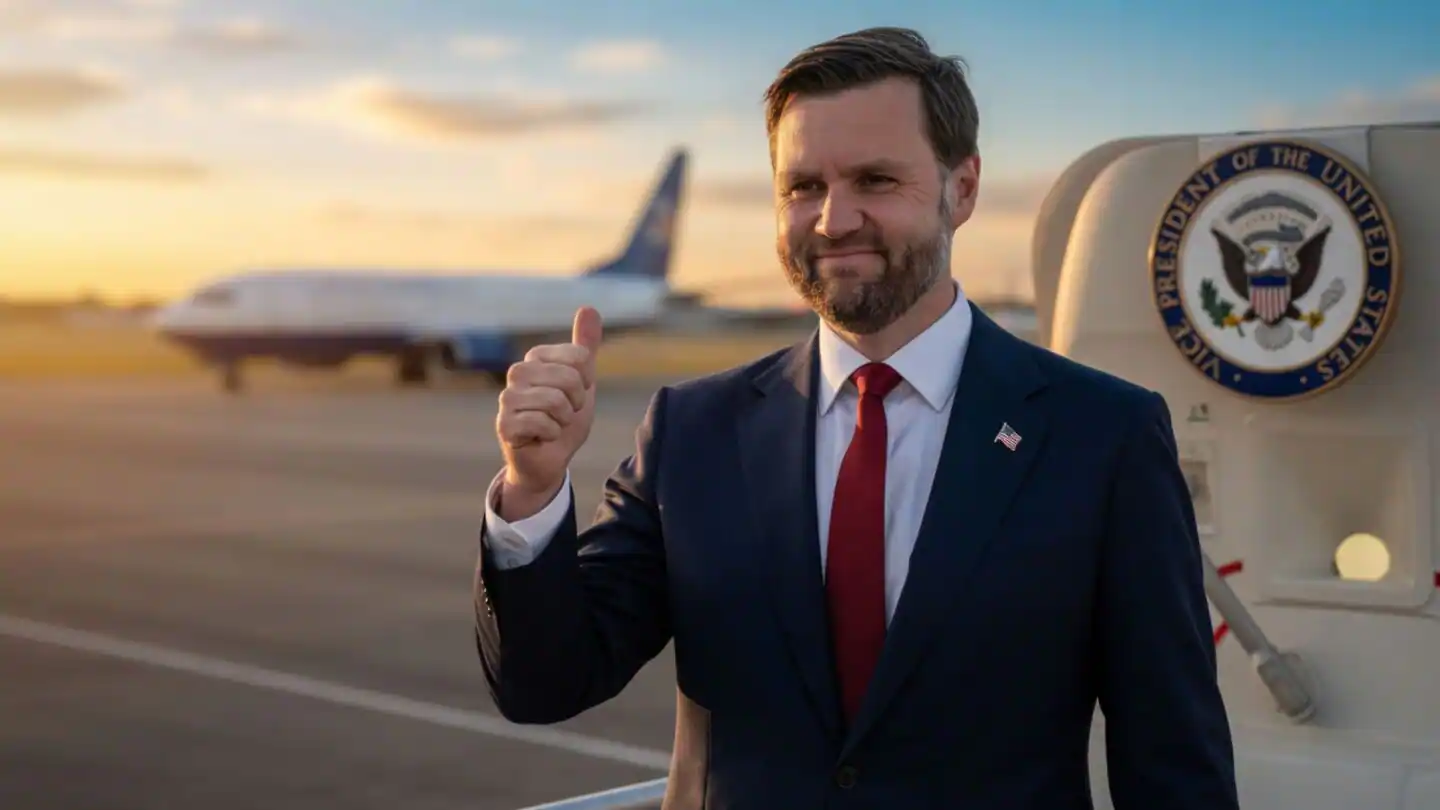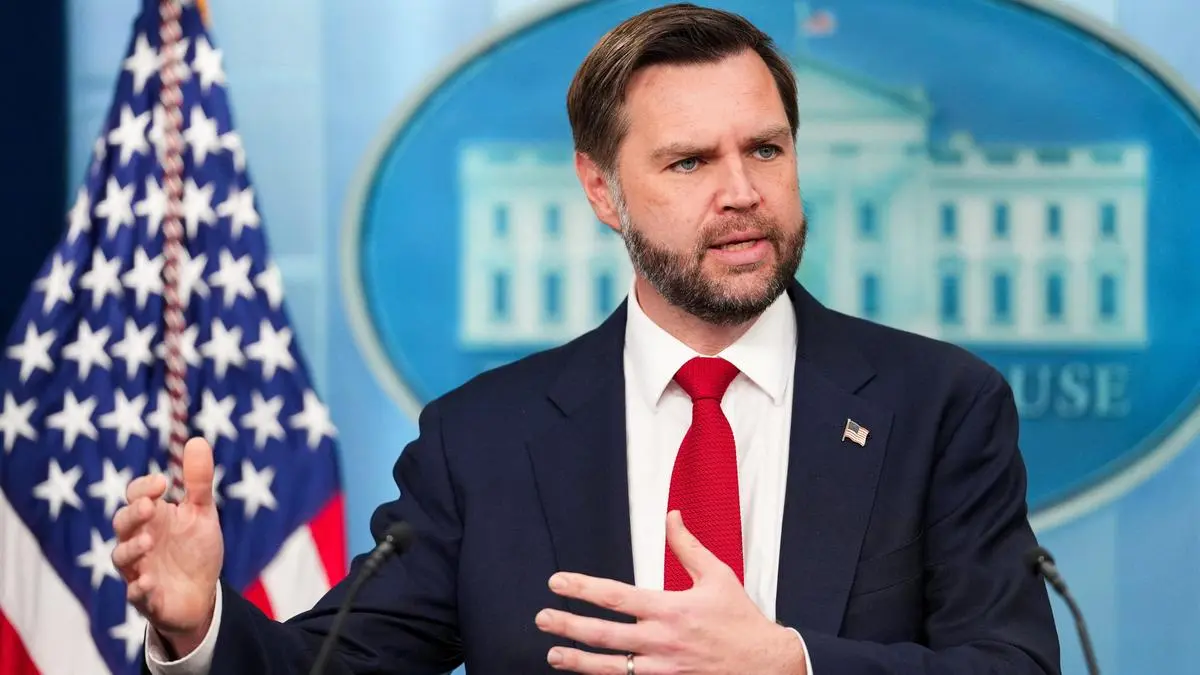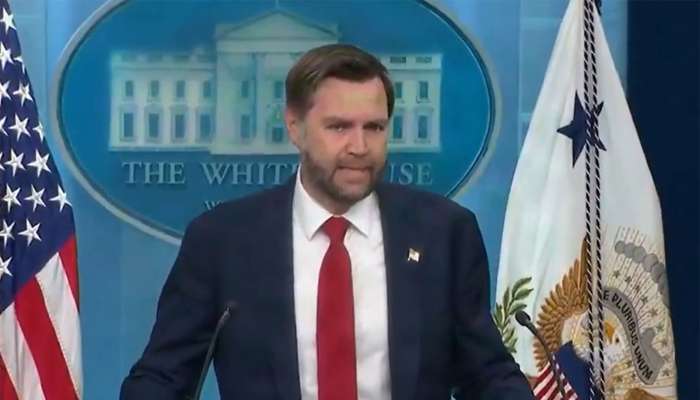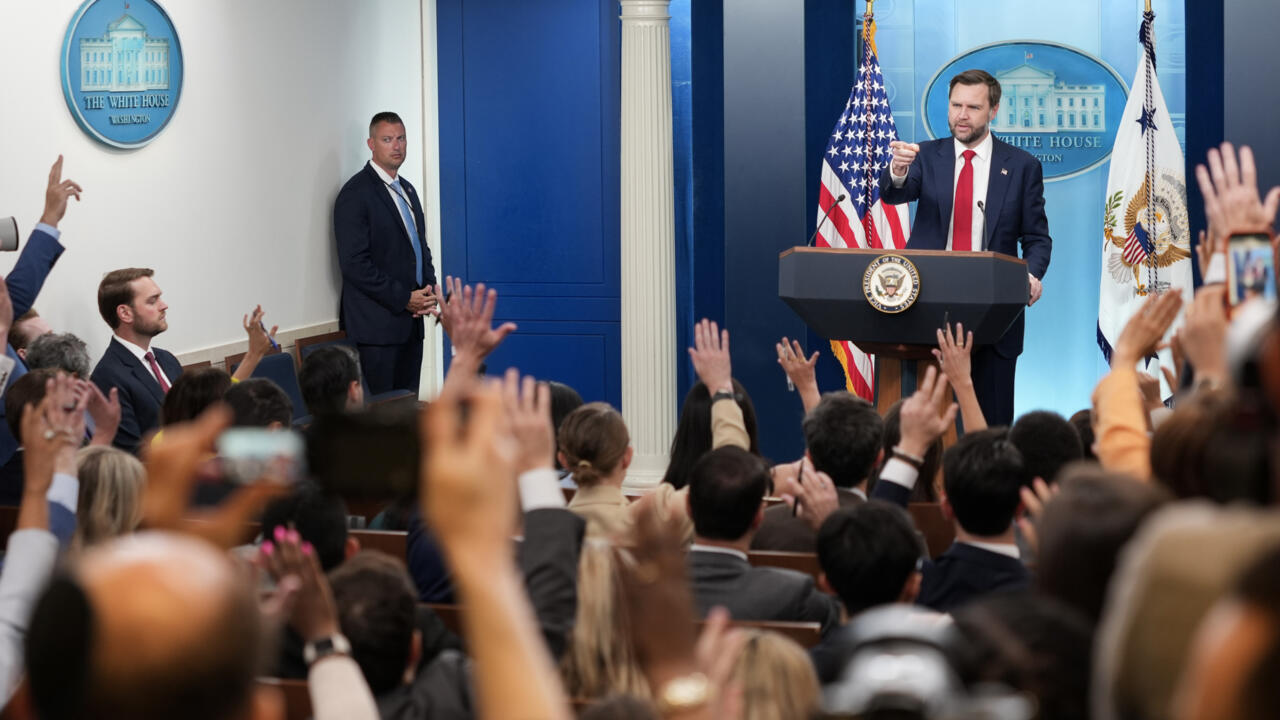
Geneva (AFP) – Switzerland announced Friday that planned talks following up on the deal to end the Middle East war had been postponed, hours after US Vice President JD Vance's departure for the Alpine country was cancelled.
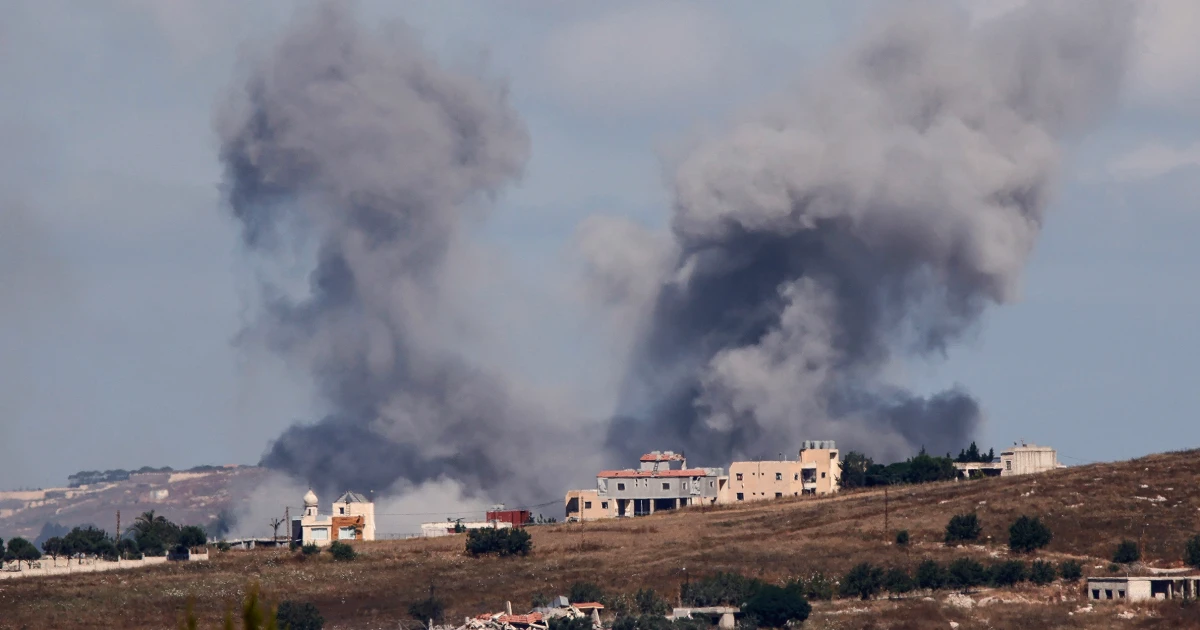
The signing of the accord this week was intended to end the conflict in Iran, reopen the Strait of Hormuz and begin a 60-day period for talks on wider issues, including Tehran's nuclear programme. At the same time, the deal was to halt the fighting in Lebanon, but Israel's military announced on Friday new strikes against Hezbollah targets in the nation's south. "The planned talks between the US, Iran, Qatar and Pakistan have been postponed," the Swiss foreign ministry said in a message to the French news agency AFP. "Switzerland remains ready to facilitate these talks. The relevant preparatory work at Burgenstock is continuing," it added, without providing a new date for the talks. It followed the announcement late Thursday from the White House that Vance's trip was cancelled, with a spokesperson saying the "logistics of these negotiations have never been simple or predictable". "We look forward to beginning technical talks as soon as possible." 'Trump is an aberration in US politics', former security adviser tells RFI In Iran, the Tasnim agency had said "nothing has been confirmed" about the Iranian delegation's trip to Switzerland. The agreement has been signed separately by US President Donald Trump and his Iranian counterpart Masoud Pezeshkian. Iran's supreme leader Ayatollah Mojtaba Khamenei said Thursday that he had approved the accord, despite reservations, even as the United States lifted a blockade of Iranian ports. Mojtaba Khamenei, who took over after his father and longstanding ruler Ali Khamenei was killed in an airstrike on the first day of the war on February 28, said in a written statement that he held a "different view" on the deal, without elaborating. "But I issued my permission due to the commitment" made by officials including Pezeshkian to "protect the rights of the Iranian nation". "Face-to-face negotiations" with the United States will be held in the future, but that does not "mean accepting the enemy's point of view", he added. On Friday, Iran's chief negotiator Mohammad Bagher Ghalibaf warned that Tehran would give a "decisive" response if the agreement was breached.