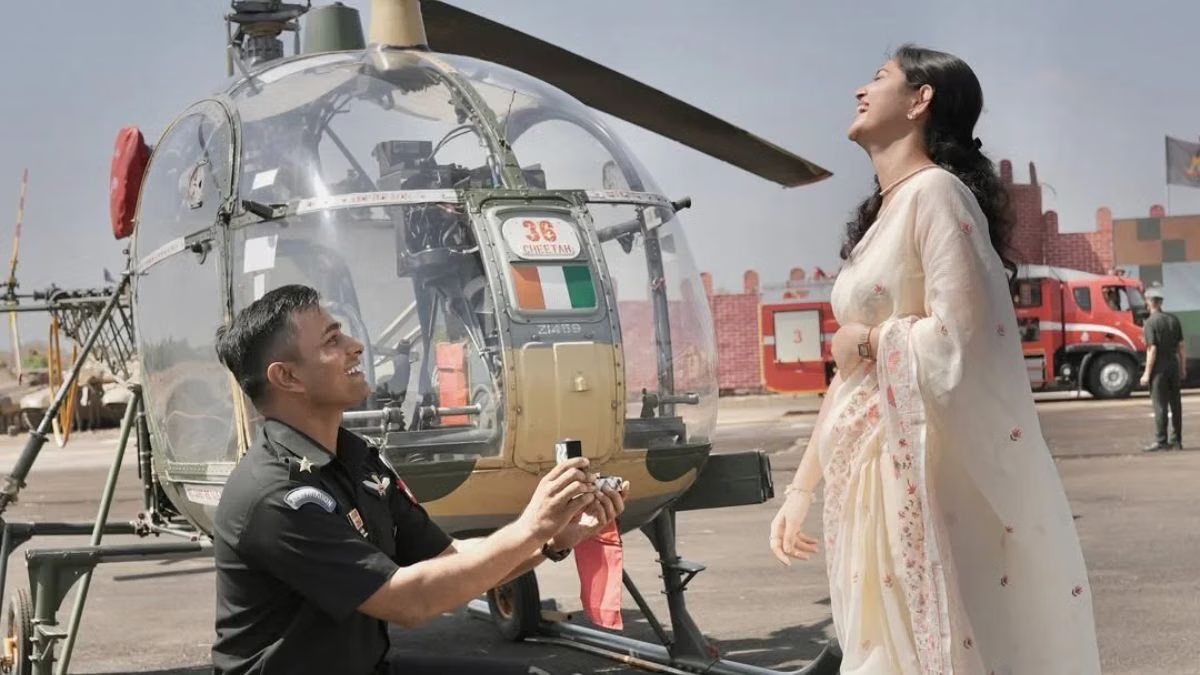
The controversy is not fundamentally about romantic enthusiasm. Nor is it about a young officer’s character or intentions. It is about military ethos in an era when social media increasingly shapes behaviour, identity and public perception.More importantly, it raises uncomfortable questions about whether standards are applied consistently across the military hierarchy and whether senior leaders themselves are setting the example expected of a professional, secular and apolitical military.The incident in perspective
Military traditions, uniforms, regimental flags, parade grounds, ceremonials, Sarva Dharama Sthals and even military weapon systems/equipment have a sanctity. They are tools for building cohesion, which is the most important factor that motivates soldiers to fight. A wings ceremony is not merely a graduation event; it marks the transition of a combined arms officer into a combat pilot flying helicopters worth Rs 125-250 crore. Seen in this context, concerns regarding the use of military symbols for personal purposes and breach of military decorum are understandable.Yet perspective is equally important. The officer did not compromise operational security. He did not violate the chain of command. He did not engage in political activity. Nor was there any evidence of disrespect towards the institution. At worst, it reflected a lapse of judgement arising from youthful exuberance.Professional militaries have traditionally distinguished between misconduct, professional lapses and youthful indiscretions. The Nashik incident clearly belongs in the last category. The question, therefore, is not whether the young officer should be counselled, but why such behaviour occurs despite detailed regulations governing military conduct and social media engagement.The answer lies in understanding the powerful human impulses that social media exploits.