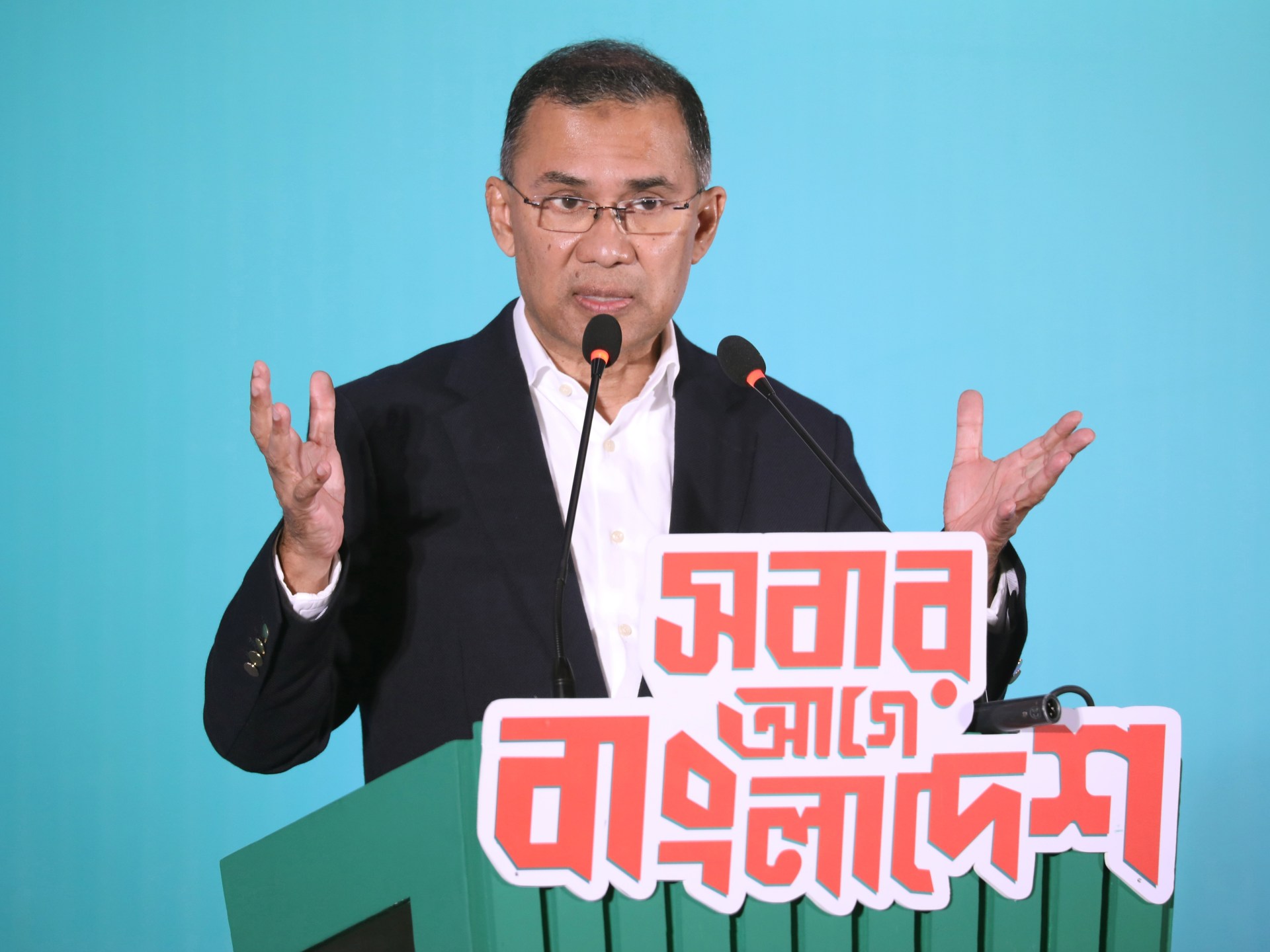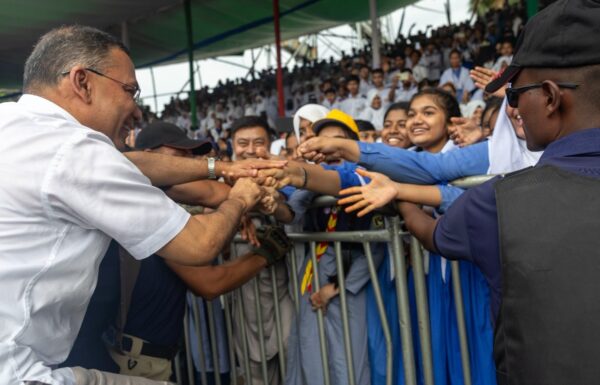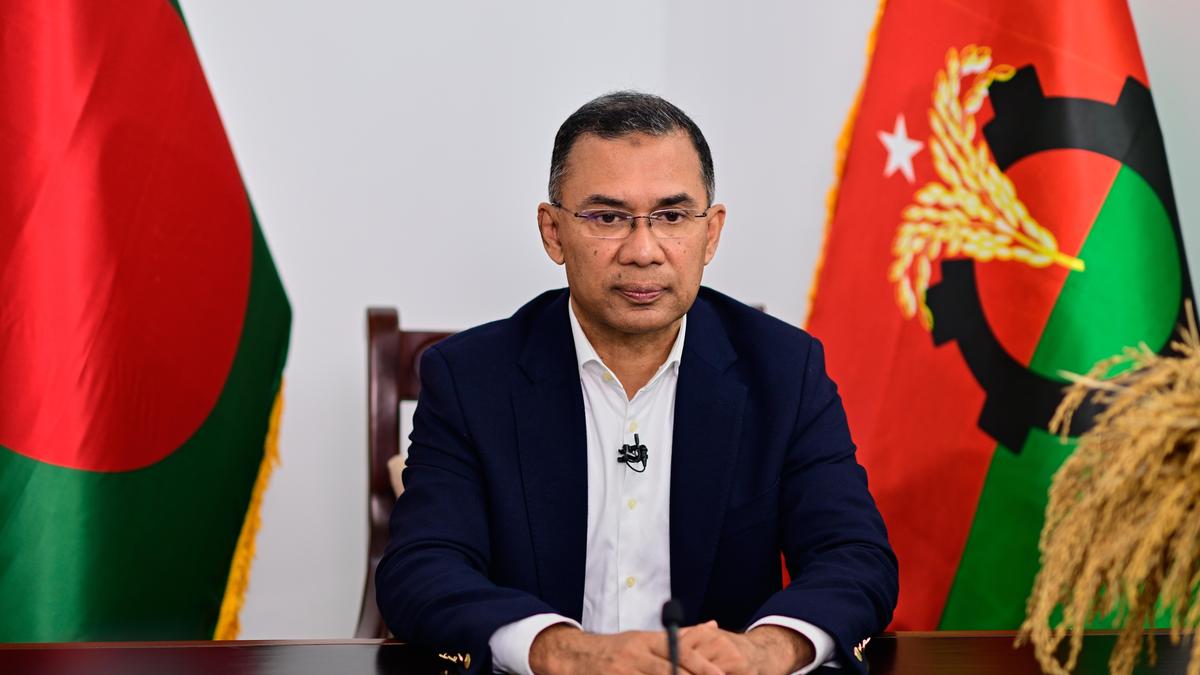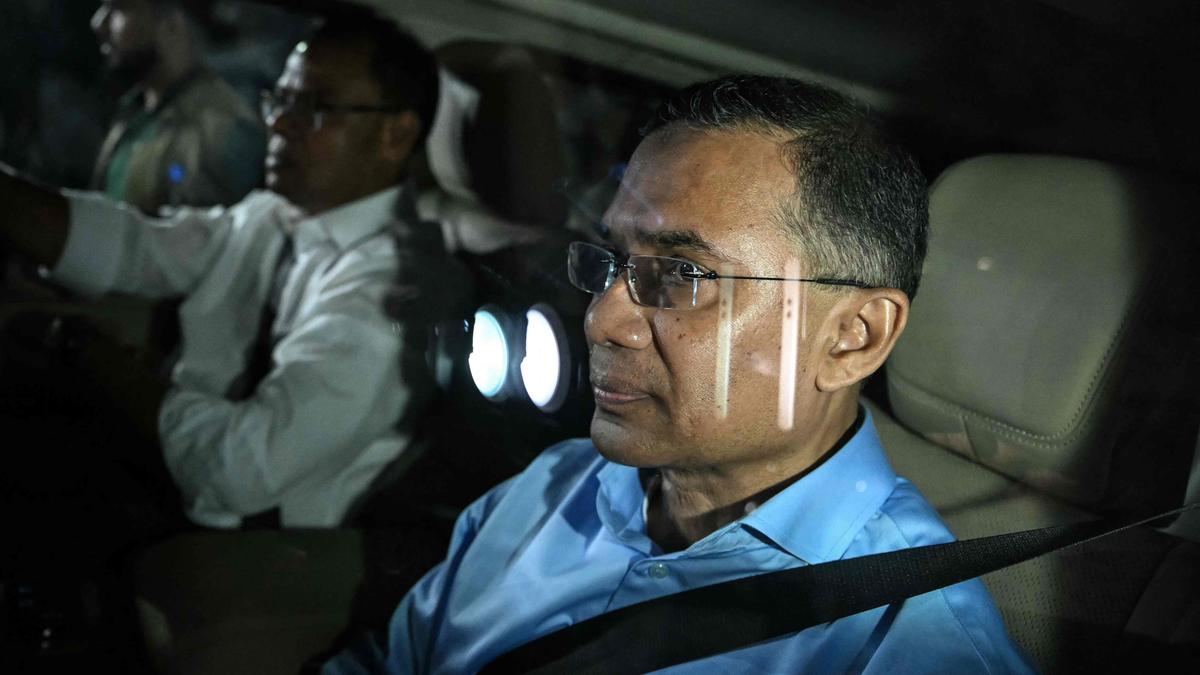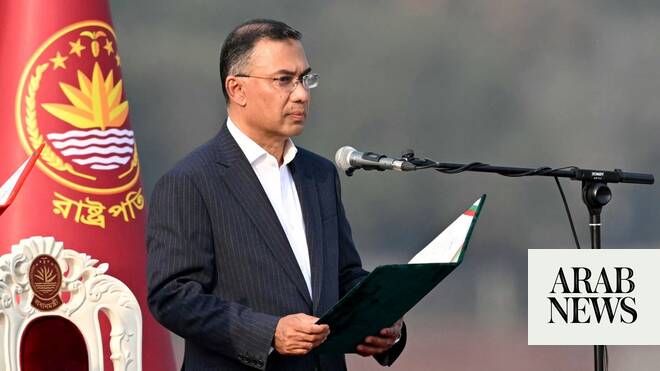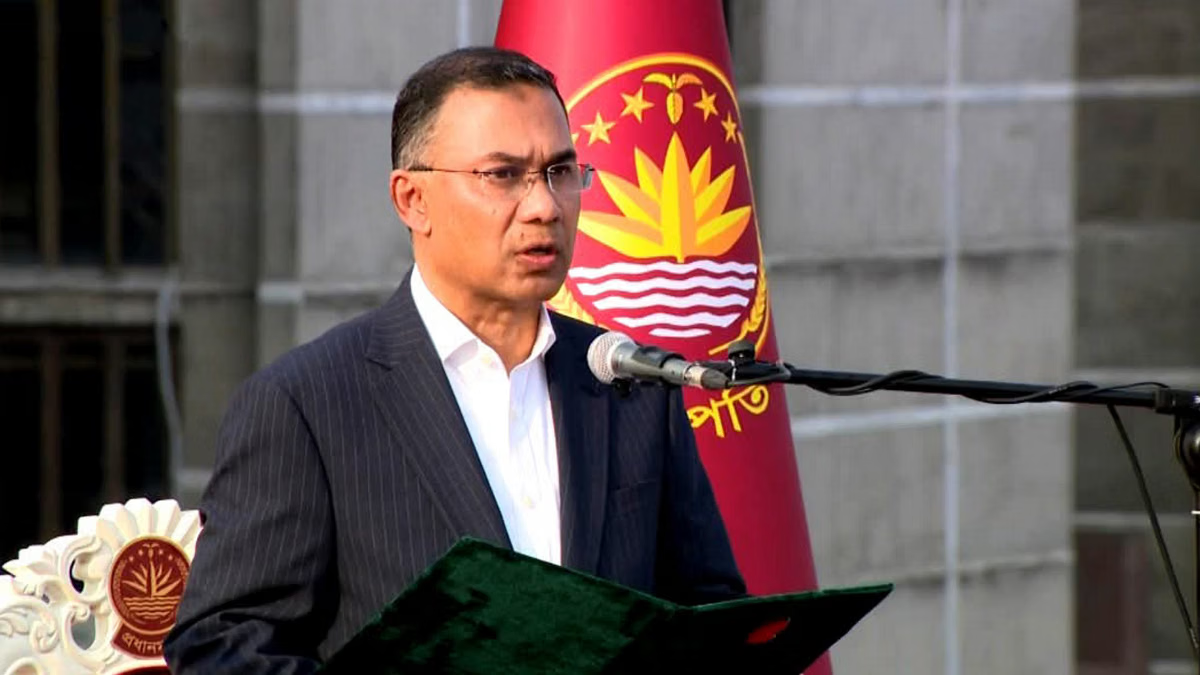
Just 120 days into the formation of a new Tarique Rahman-led government in Bangladesh, its actions and policies have received a mix of praise and criticism. What has been more prominent is the Jamat-e-Islami-led opposition threatening to take to the streets if the ‘July Charter’ is not implemented, especially after 70 per cent of citizens voted in favour of the reform plan in the February referendum.
“If the government fails to fulfil the aspirations of the people, they will give a befitting reply,” warned Shafiqur Rahman, the leader of the opposition and chief of the Jamat-e-Islami, on 14 June. He was speaking at a rally organised by the 11-party alliance led by Jamaat, which contested against arch-rival Bangladesh Nationalist Party (BNP) in the national elections held on 12 February 2026. During the election campaign, many saw new entries such as the National Citizens Party (NCP)—formed by the students who led the anti-Sheikh Hasina movement in July 2024—emerging as the forerunners. But the Jamaat and its key ally NCP ended up performing poorly.
Bangladeshi voters showed faith in the experienced BNP and avoided a populist anti-Awami League, anti-Hasina ideology. Besides public faith in the experienced party, Tarique’s electoral promise of protecting women’s rights and ensuring their representation in society, the workforce, and politics worked in his favour—something that the Jamaat allegedly opposed.Now, the question is whether Tarique will be able to stabilise the country’s political landscape and tackle political polarisation.CRA doesn’t pose a constitutional challenge