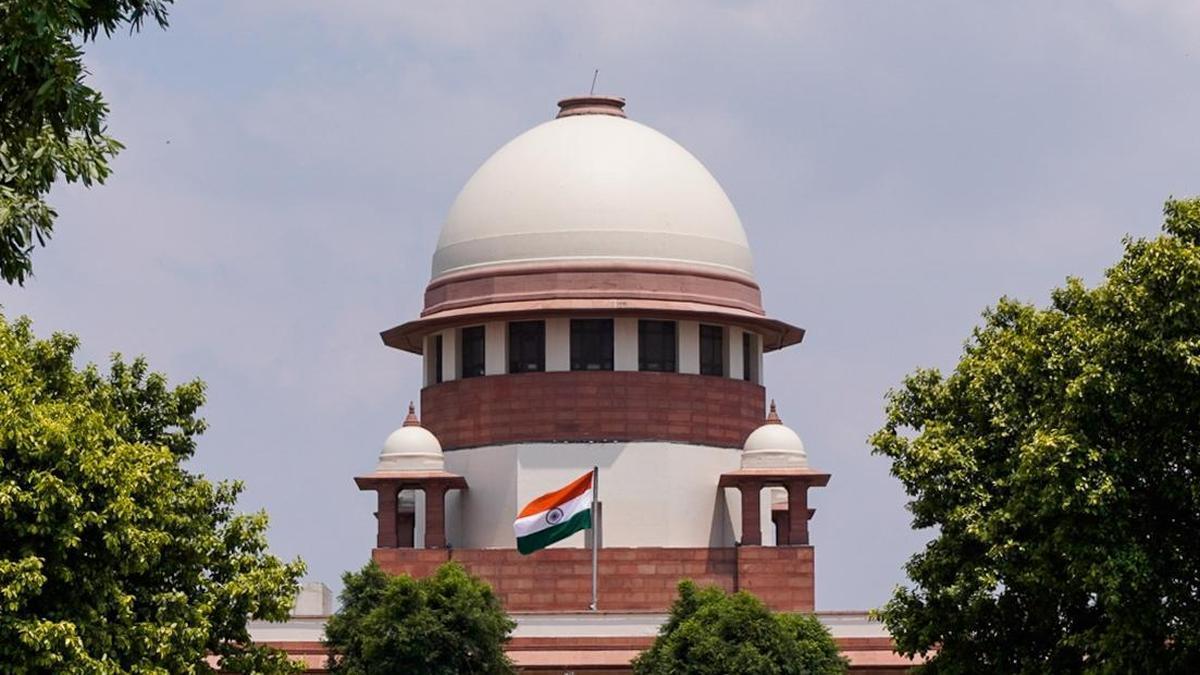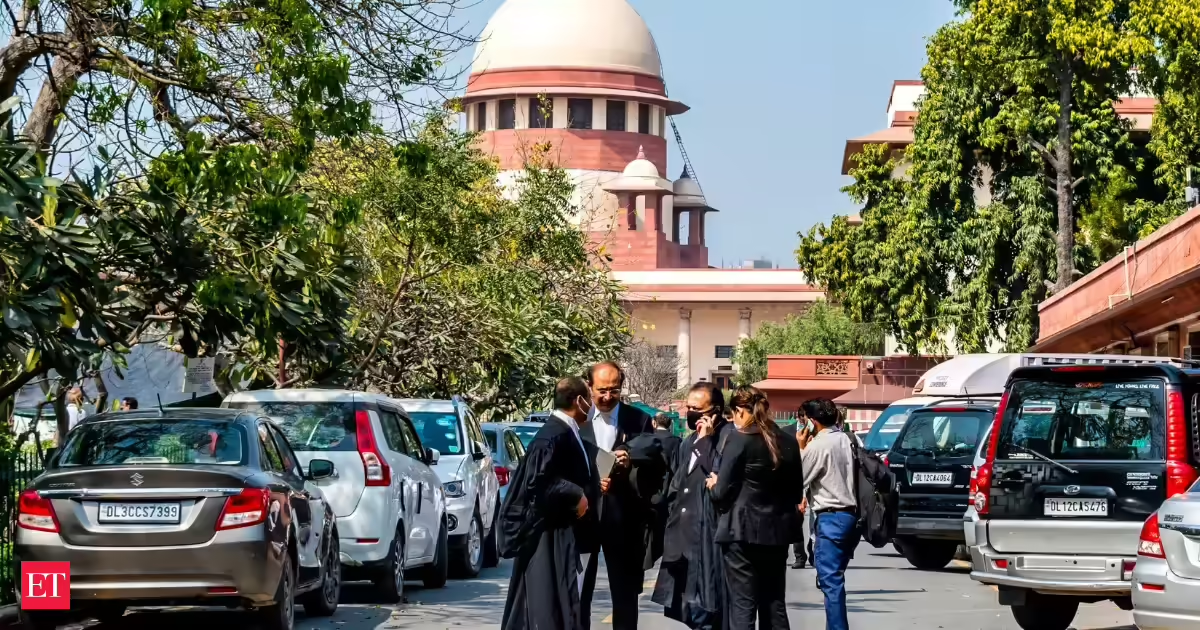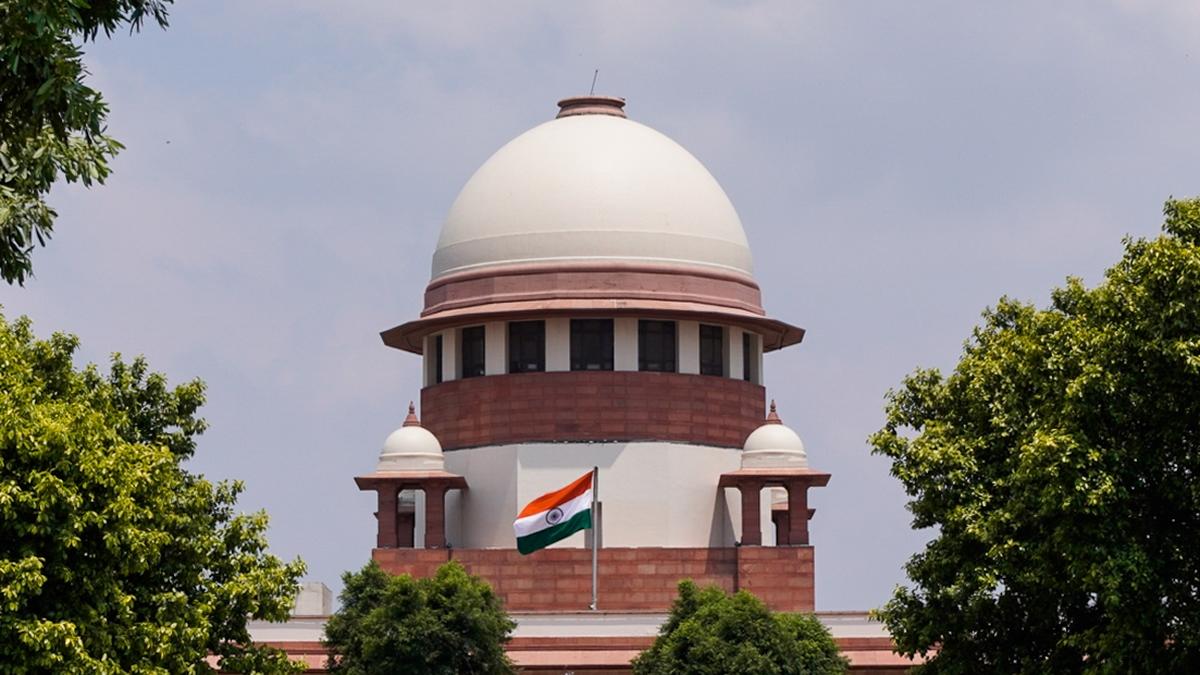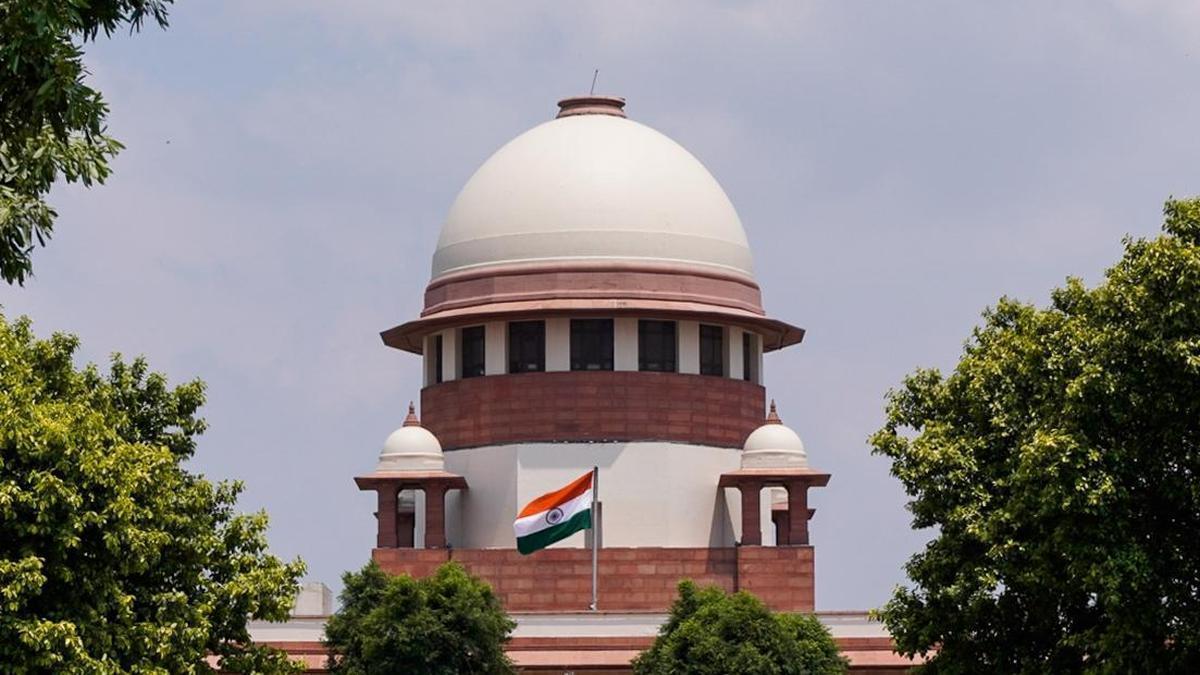
The Supreme Court on Friday directed the creation of a “Young Lawyers’ Professional Assistance Fund” in every state and Union territory (UT), warning that the legal profession risks a brain drain if financially struggling young lawyers are forced to abandon litigation for more secure careers.The Supreme Court proposed the fund under the control of the jurisdictional high courts or an autonomous body.In a significant intervention aimed at addressing the growing economic challenges faced by young advocates, a bench comprising Chief Justice of India Surya Kant and Justice V Mohana pointed out that the initial years of legal practice often impose severe financial hardships, particularly on first-generation lawyers and those from economically disadvantaged backgrounds, resulting in many talented advocates leaving the profession before they can establish themselves.“It is this period of turmoil that often compels capable and promising young lawyers to abandon practice at the Bar altogether. We apprehend that such attrition may produce a form of professional ‘brain drain’, diminishing the ability of the Bar to attract and retain the young and meritorious,” said the bench.The court’s directives came while hearing a petition filed by a group of six women lawyers, argued through senior advocate Monika Gusain, concerning infrastructure and welfare measures for members of the Bar across the country.Taking note of broader systemic issues affecting the legal profession, the bench expanded its focus beyond physical facilities to include the economic vulnerability of junior advocates.Underscoring that litigation presents a uniquely difficult professional journey, the court noted that a young lawyer entering the profession does not immediately inherit an office, clientele, library, or a predictable source of income.“The initial years are devoted largely to observing court proceedings, assisting seniors, studying case files, understanding procedural intricacies, and gradually acquiring the skills of advocacy and courtroom craft,” said the bench, adding that many junior advocates survive on modest stipends that are often insufficient even for basic living expenses.The court said that the problem is especially acute for first-generation lawyers and those from socially and economically disadvantaged backgrounds, many of whom face pressure to become the primary earners in their families immediately after completing their education.“Faced with these pressures, many are constrained to pursue alternative careers offering greater financial stability from the get-go, notwithstanding their genuine interest and potential in the field of litigation,” noted the bench.To address the problem, the Supreme Court proposed the fund under the control of the jurisdictional high courts or an autonomous body constituted by the Union and state governments.“It therefore seems to us that a Young Lawyers’ Professional Assistance Fund must be created and should be established under the exclusive control of the jurisdictional High Courts or an autonomous body constituted by the Union of India and the State Governments,” said the court.The bench also outlined a broad framework for financing the proposed fund. It suggested that Parliament and state legislatures may consider a statutory scheme enabling structured donations from successful senior lawyers and other members of the legal fraternity.Additionally, the court proposed that a portion of court fees collected by the judiciary and a substantial share of costs imposed by courts in judicial proceedings could be channelled into the fund. To encourage contributions, the bench suggested incentives such as tax exemptions, national awards, and other forms of recognition for donors.Under the proposed framework, eligible young advocates would receive a reasonable monthly stipend during the formative years of their practice while being attached to experienced members of the Bar and rendering professional services as associates. The court suggested that such support should ordinarily continue for the first three years of practice and then be gradually reduced, eventually ending after six to seven years when the advocate is expected to attain professional self-sufficiency.The bench also mooted a self-sustaining model under which lawyers who benefited from the fund during their early years could later contribute back to it through phased repayments once they become financially established.The petition filed by advocates Sarika Tyagi, Seema Vashisth, Asha Jyoti Arya, Bhanu Priya Sharma, Veena Nisar Khan, and Snigdha also drew the court’s attention to the need for better infrastructure for women advocates across the country.Responding to the plea, the bench emphasised that adequately equipped Ladies’ Bar Rooms and other essential facilities remain unavailable in a majority of high courts, district courts, tehsil courts, tribunals, and commissions.The issue, it said, was not merely one of administrative convenience but directly implicated the constitutional values of dignity, safety, and equal participation in public life. “The issue transcends the realm of administrative convenience and touches upon values that lie at the heart of the constitutional guarantee of dignity and equal participation in public life,” it added.Recognising the wider ramifications of the issues raised, the court issued notice to all states and UTs. The court requested Attorney General R Venkataramani, the advocate generals of all states and standing counsel for UTs to assist the court in evolving a comprehensive framework.
SC warns of brain drain, directs creation of fund for struggling young lawyers
The Supreme Court pointed out that the initial years of legal practice often impose severe financial hardships, particularly on first-generation lawyers | India News
812 words~4 min read