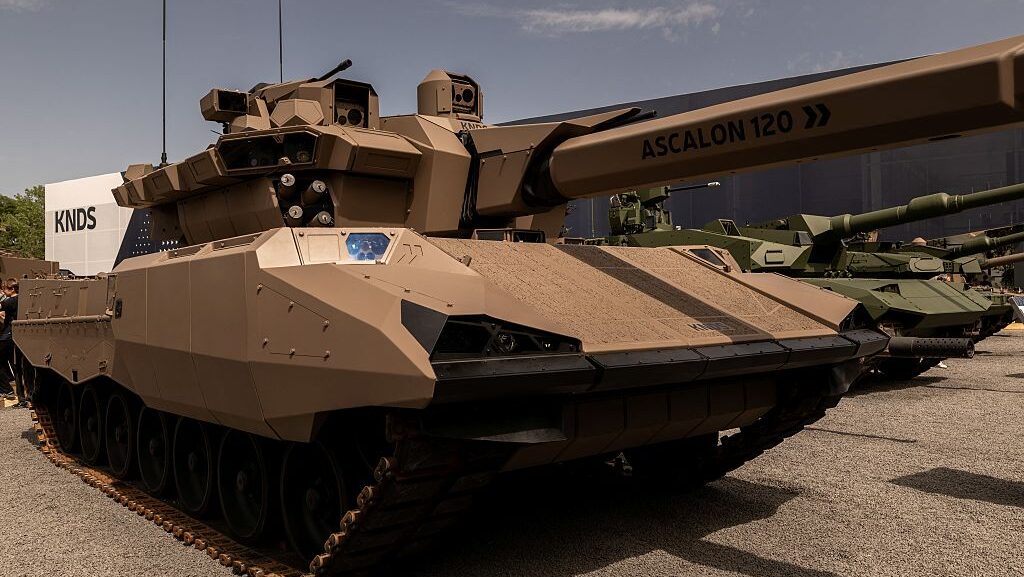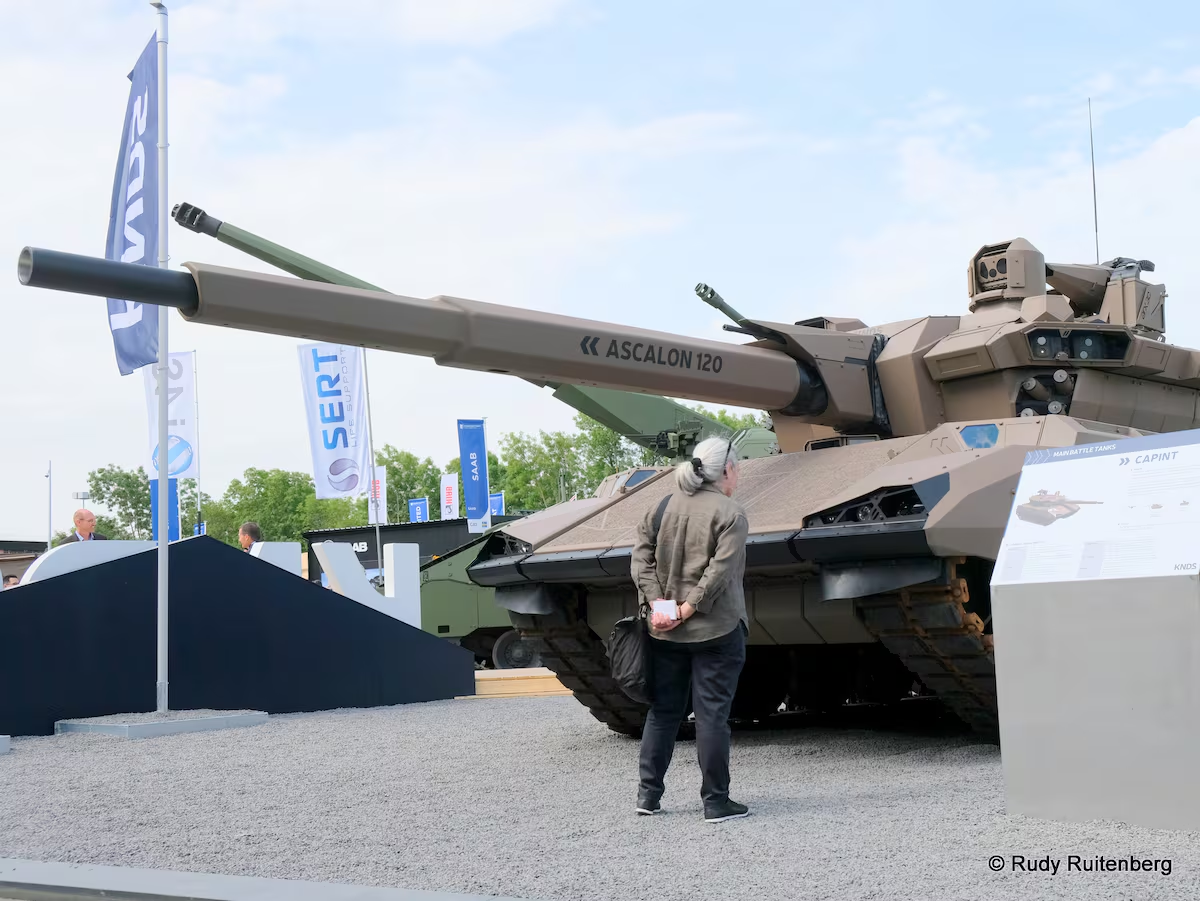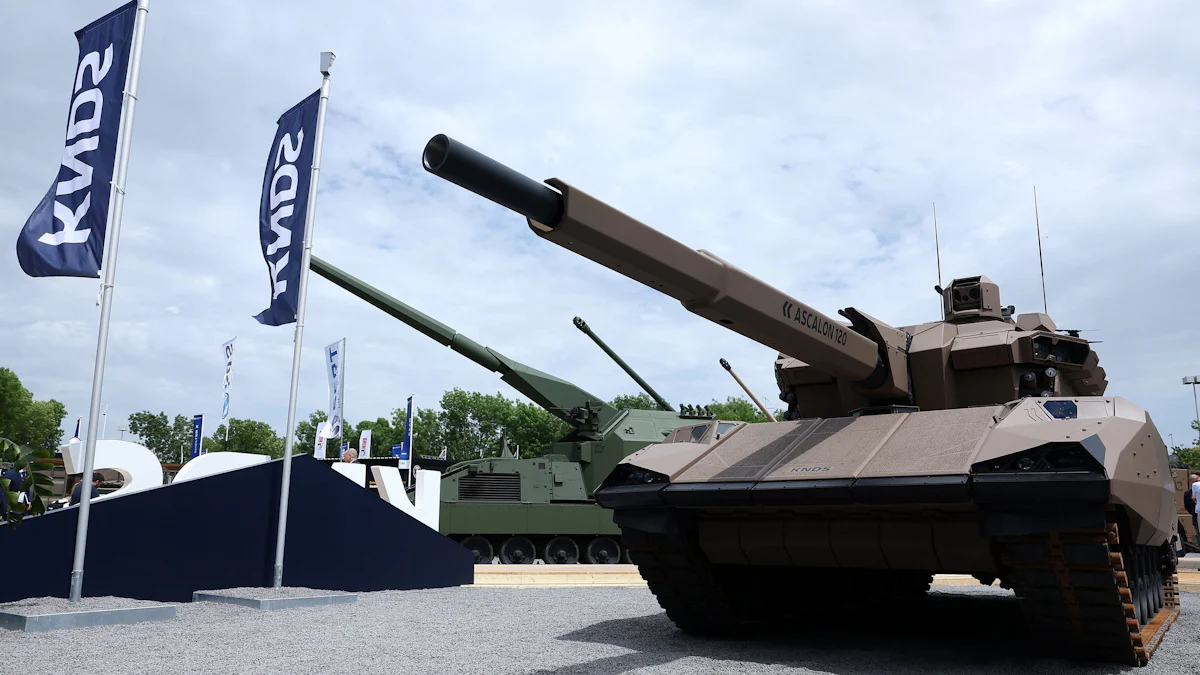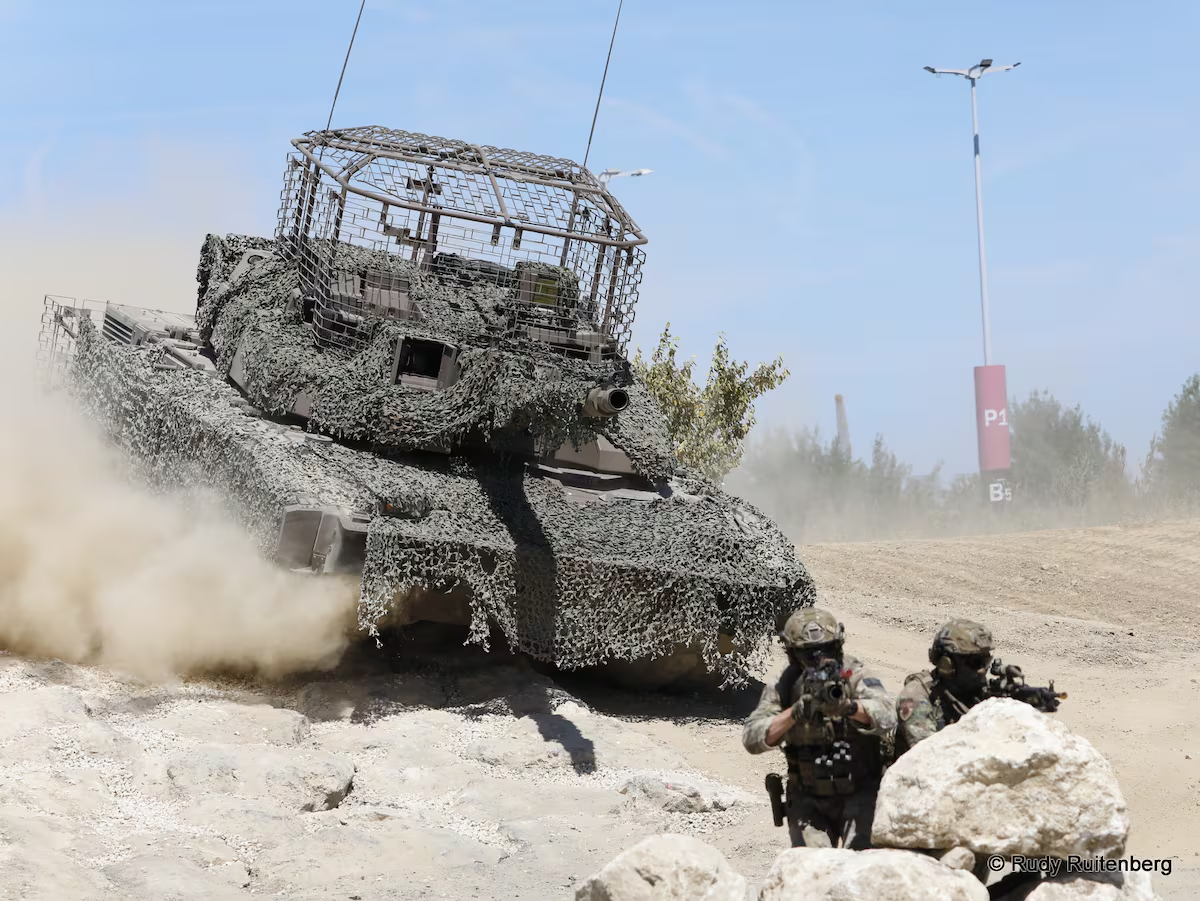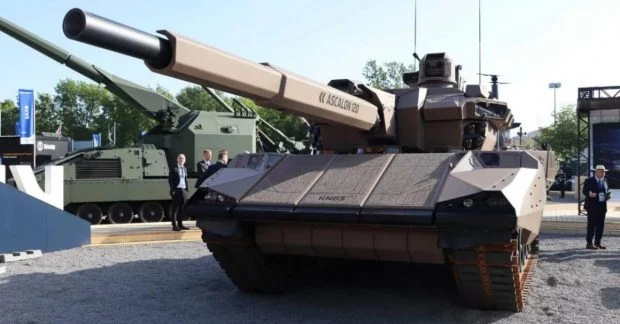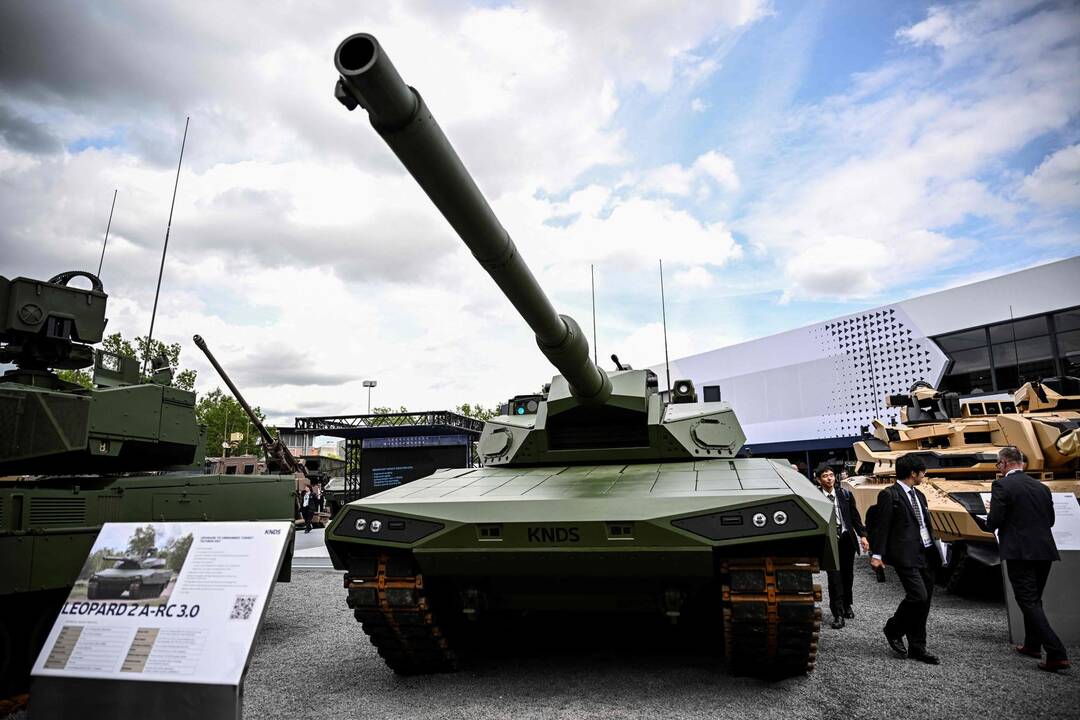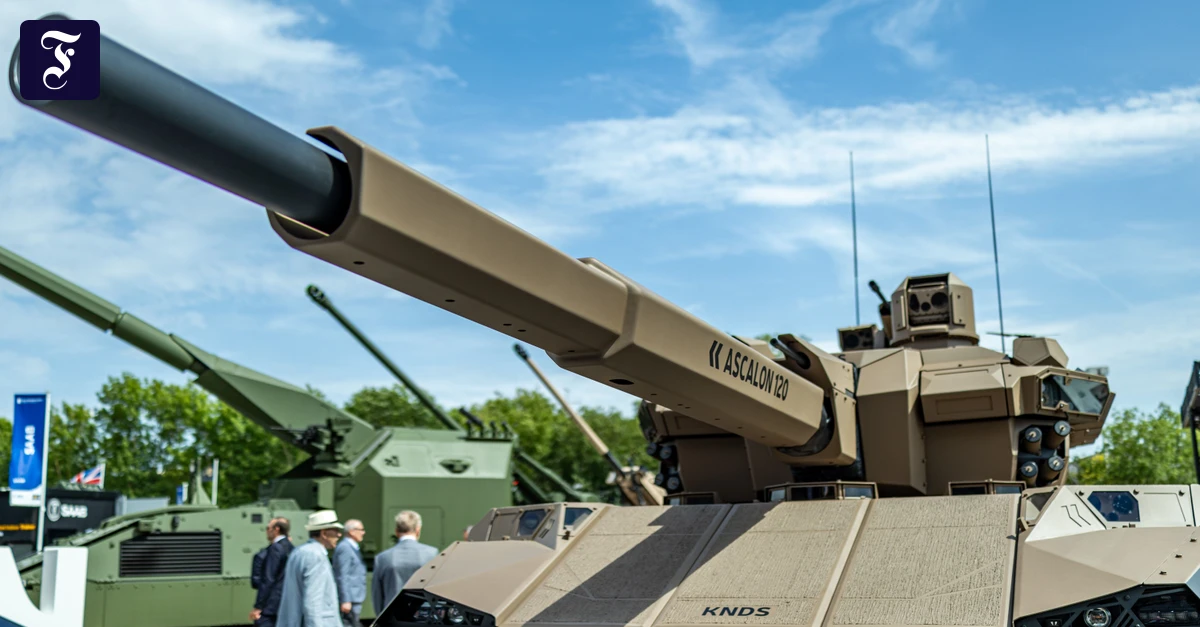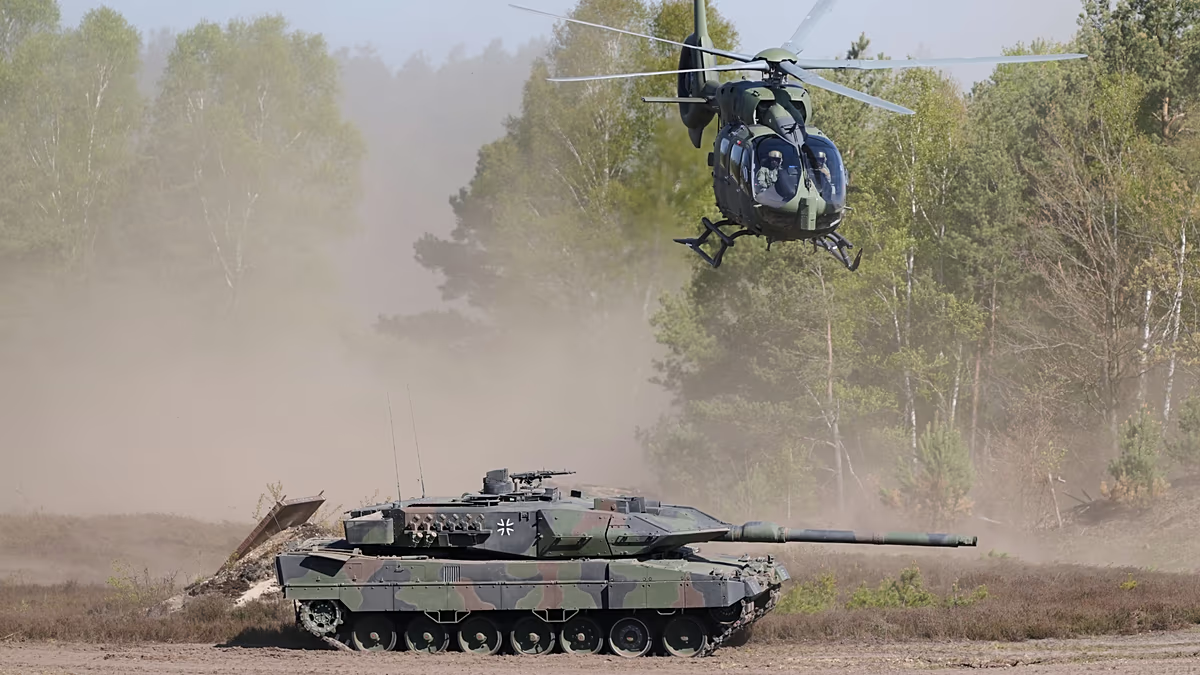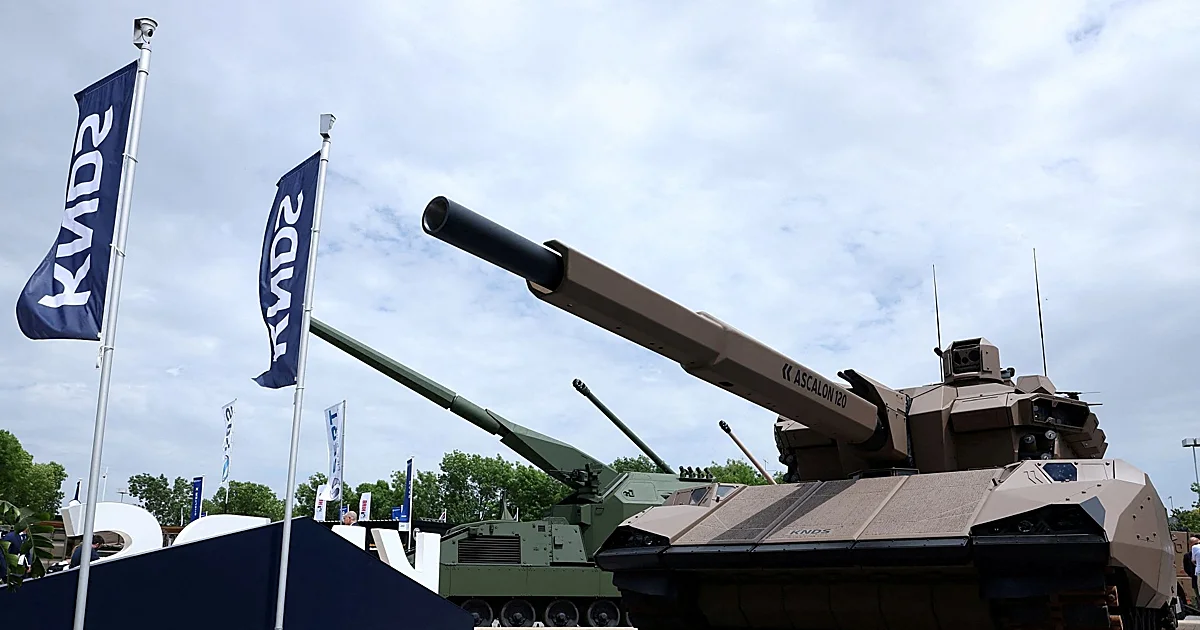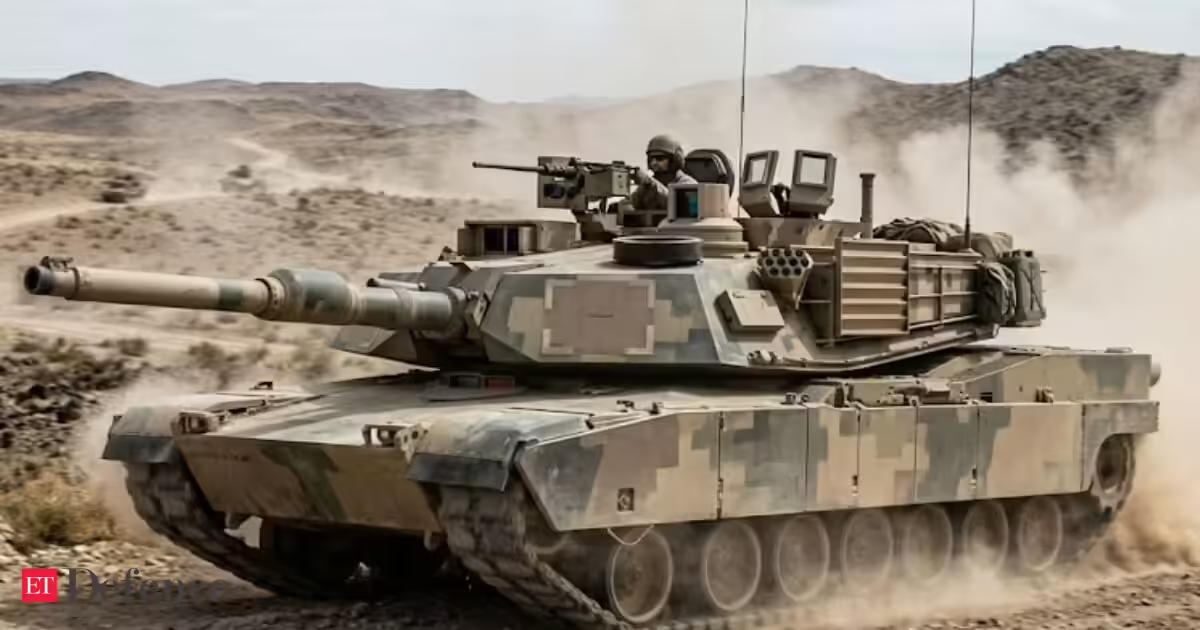
A new main battle tank named Capint was unveiled by KNDS at the Eurosatory 2026, marking Europe's latest effort to modernise heavy armour amid evolving battlefield threats.The vehicle combines a German Leopard 2 hull with a French-developed unmanned turret armed with a 120mm smoothbore gun that can be upgraded to a 140mm weapon. The Amsterdam-based defence company has positioned the platform as a successor to France's ageing Leclerc tanks during the 2030s while serving as a bridge until the delayed Franco-German Main Ground Combat System (MGCS) enters service in the mid-2040s.Designed as a next-generation combat platformKNDS said the Capint is intended to be more than an interim replacement. The company described it as the basis for a future combat system integrating artificial intelligence, advanced protection systems, counter-drone technologies and beyond-line-of-sight engagement capabilities.The unveiling reflects wider European efforts to ensure heavy armoured vehicles remain effective against modern threats, particularly as military planners reassess battlefield requirements in response to developments in Eastern Europe.India advances Future Ready Combat Vehicle programmeIndia is also pursuing a modernisation effort through its Future Ready Combat Vehicle (FRCV) programme, which is intended to replace the ageing T-72 fleet.The FRCV concept centres on a highly digitised and network-centric platform capable of human-machine teaming and control of unmanned systems, including unmanned ground vehicles, drones and loitering munitions.The planned vehicle will feature battlefield management systems, friend-or-foe identification capabilities and cyber-hardened communications designed to operate in contested electronic warfare environments.Design proposals include 360-degree situational awareness through panoramic sensors, tethered-drone integration and counter-drone capabilities. Navigation systems are expected to combine compatibility with India's IRNSS satellite network and inertial guidance technologies.By integrating intelligence, surveillance and reconnaissance functions along with loitering-munition strike capabilities, India aims to transform future tanks into connected nodes within a larger combat network.Global tank development shifts toward digital warfareThe Capint programme highlights a broader trend in armoured warfare, with major military powers pursuing greater digitisation, automation and network-centric operations.The United States is developing the M1E3 Abrams, a lighter and digitally connected evolution of the Abrams platform that incorporates hybrid propulsion and AI-assisted targeting technologies.Russia's T-14 Armata features an unmanned turret, active protection systems and drone integration, while China's Type 100 Smart Tank is focused on artificial intelligence, modular armour and hydrogen fuel-cell technology designed for operations alongside robotic units.Europe pursues dual-track modernisation strategyEuropean defence planners are pursuing two parallel approaches to future armoured warfare.The first is the Capint programme, which combines existing Leopard 2 technology with a new French unmanned turret. The second is the longer-term MGCS project, envisioned as a "system of systems" integrating both crewed and uncrewed combat vehicles.Together, the programmes demonstrate Europe's emphasis on modular platforms, AI-enabled operations and cyber-resilient battlefield systems.
Europe unveils a new tank to neutralise drones: Check how US, Russia, China and India are arming heavy armour for future warfare
European defence firm KNDS has unveiled the Capint next-generation tank at Eurosatory 2026, combining a Leopard 2 hull with a French unmanned turret. Designed as a future replacement for France's Leclerc tanks, the platform reflects a broader global shift toward AI-enabled, networked and autonomous armoured warfare. The development comes as the US, Russia, China and India pursue advanced tank modernisation programmes.
444 words~2 min read