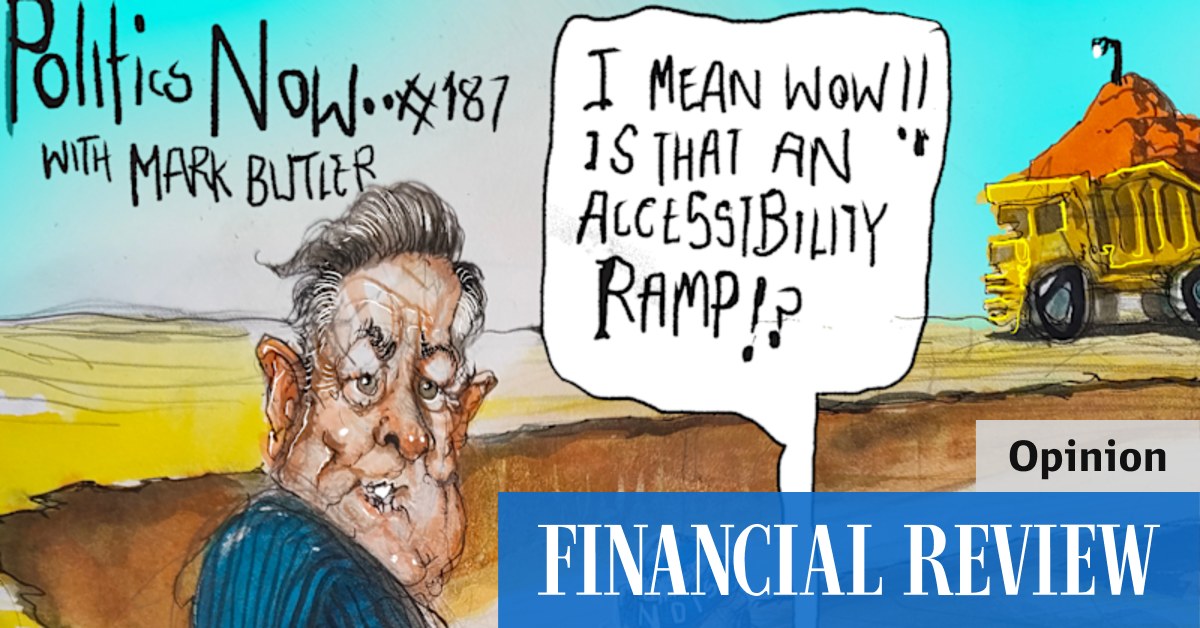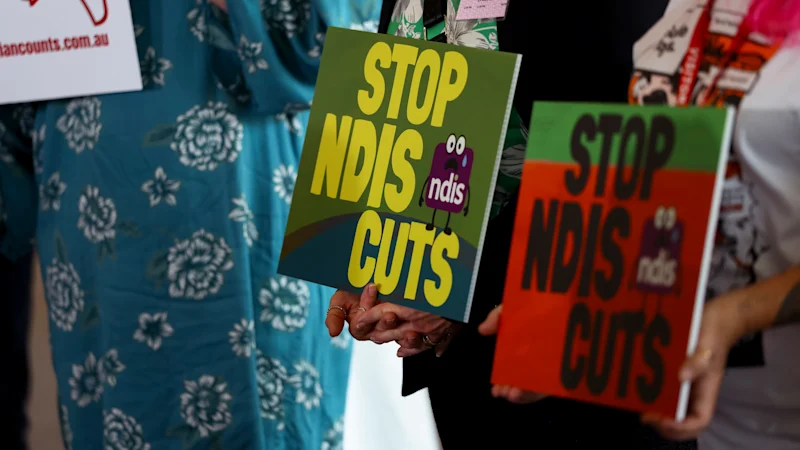
June 19, 2026 — 5:10pmThe federal government’s plans to bank billions of dollars in National Disability Insurance Scheme savings have been thrown into doubt after a second delay to a parliamentary report has exposed growing political resistance to reforms Labor says are essential to rein in soaring costs.A Senate inquiry examining Labor’s proposed overhaul of the $56 billion scheme was delayed for a second time on Friday amid fresh criticisms from the Greens, raising the prospect of further negotiations over legislation the government wants to pass before the winter parliamentary break.Any delay to the reforms could come at a significant cost to the budget, with Treasury estimates showing a one-year pause would wipe out about $17 billion in expected savings over the four-year forward estimates.Mark Butler is still confident the NDIS legislation can pass before the winter break. Alex Ellinghausen/image digitally tintedThe government is relying on the reforms to slow NDIS spending growth, arguing the scheme’s trajectory is unsustainable. The proposed changes are expected to remove at least 240,000 people from the scheme over coming years, shifting many to yet-to-be-established “foundational supports” funded by other services.The delay has intensified scrutiny of the government’s timetable and fuelled concerns among disability advocates, state governments and crossbench senators that the reforms are being rushed.Greens senator Jordon Steele-John criticised the delay to the report’s release after the government had laid out an 11-day time frame for disability organisations to consult through a parliamentary inquiry.“The government demanded that disabled people, their families and advocates rush to prepare submissions and evidence for the inquiry, yet it is now dragging its feet when it comes to publishing the findings,” he said. “Disabled people deserve certainty, transparency and respect.”The Greens are preparing a dissenting position that is likely to call for the legislation to be withdrawn entirely, arguing no participant should be removed from the scheme until replacement supports are fully implemented, independently evaluated and proven effective.The party also wants further Senate scrutiny of the bill and stronger protections against funding caps, automated decision-making and expanded ministerial powers.The intervention creates another obstacle for Labor as it seeks to lock in savings central to its long-term budget strategy. Opposition NDIS spokeswoman Melissa McIntosh is yet to confirm the Coalition’s support, leaving Labor without the numbers to get it through the Senate.Health Minister Mark Butler argued the reforms were necessary to preserve the scheme for future generations and has previously indicated the legislation remains on track to pass parliament by early July.He said on Friday at an Adelaide press conference that discussions with state and territory governments had been constructive, despite concerns raised about the proposed overhaul.“We’re working constructively with states,” Butler said. “That doesn’t mean sometimes that there’s not a bit of friction in the relationship.“I accept that this is a series of very significant reforms and for the disability community. A big change, obviously, is going to be confronting,” he said.Disability groups say evidence presented during the inquiry exposed major flaws in the proposal.People with Disability Australia president Jarrod Sandell-Hay said participants remained deeply concerned about the potential consequences of the changes. He said the organisation was willing to work with the government to make sure it was done properly.McIntosh accused both Labor and the Greens of playing politics over the scheme, and said the Coalition was prepared to support a six-month inquiry to ensure any reforms were well-targeted.“We’ve heard those devastating stories at the inquiry where participants with profound disabilities said they were scared people were going to die, and that’s certainly not a message that I’m closing my ears off to,” she told the ABC.“This particular bill does not do anything to address the fraud and the rorting … it seems to be that the government’s just going after participants first and foremost, but not cleaning up the system.”While the NDIS Senate report was delayed, a Labor-dominated committee holding a rapid-fire inquiry into the government’s tax changes on Friday afternoon recommended that the Senate pass the contentious bill.The report paves the way for the government to try to pass the bills over the next fortnight.“The committee finds that current CGT and NG arrangements disproportionately benefit higher-income Australians, distort investment towards existing housing, and contribute to declining housing affordability and growing intergenerational inequality,” the report says.“The committee finds that the measures contained in the bills represent a balanced package of reforms that improve fairness and sustainability of the tax system while supporting housing supply and reducing tax burdens on working Australians.”Coalition members issued a dissenting report saying the laws were a broken promise and had not been subjected to sufficient scrutiny, but the Greens argued the grandfathering provisions for negative gearing were too generous.Cut through the noise of federal politics with news, views and expert analysis. Subscribers can sign up to our weekly Inside Politics newsletter.Rob Harris is the national correspondent for The Sydney Morning Herald and The Age based in Canberra. He is a former Europe correspondent.Connect via email.Matthew Knott is the foreign affairs and national security correspondent for The Sydney Morning Herald and The Age.Connect via X, Facebook or email.From our partners
Butler’s plans to bank billions in NDIS savings thrown into doubt
Any delay to the reforms could come at a significant cost to the budget, with Treasury estimates showing a one-year pause would wipe out about $17 billion in expected savings.
TL;DRAI
NDIS reform targets 240,000 participant removals from a $56B scheme for $17B savings, but Senate delays expose political resistance. Removing users from systems is harder than adding them. Policy changes need infrastructure ready before rollout—a governance lesson for tech.
847 words~4 min read