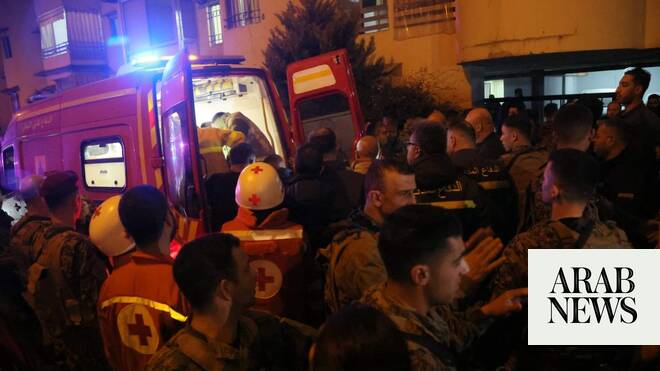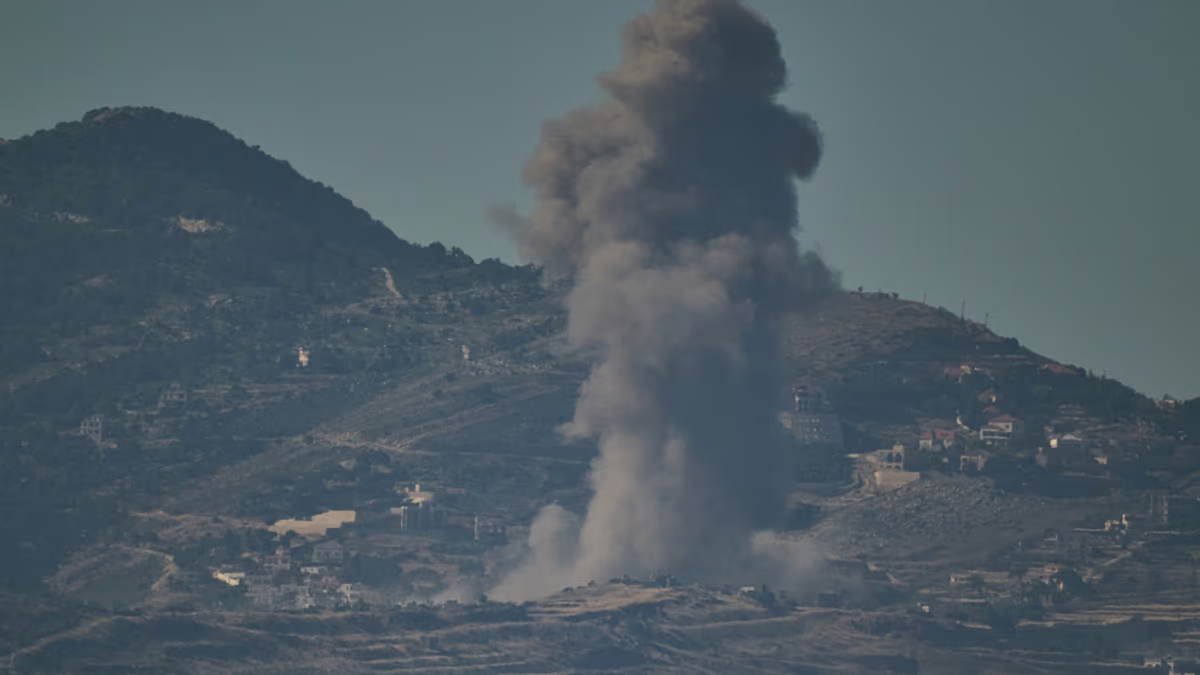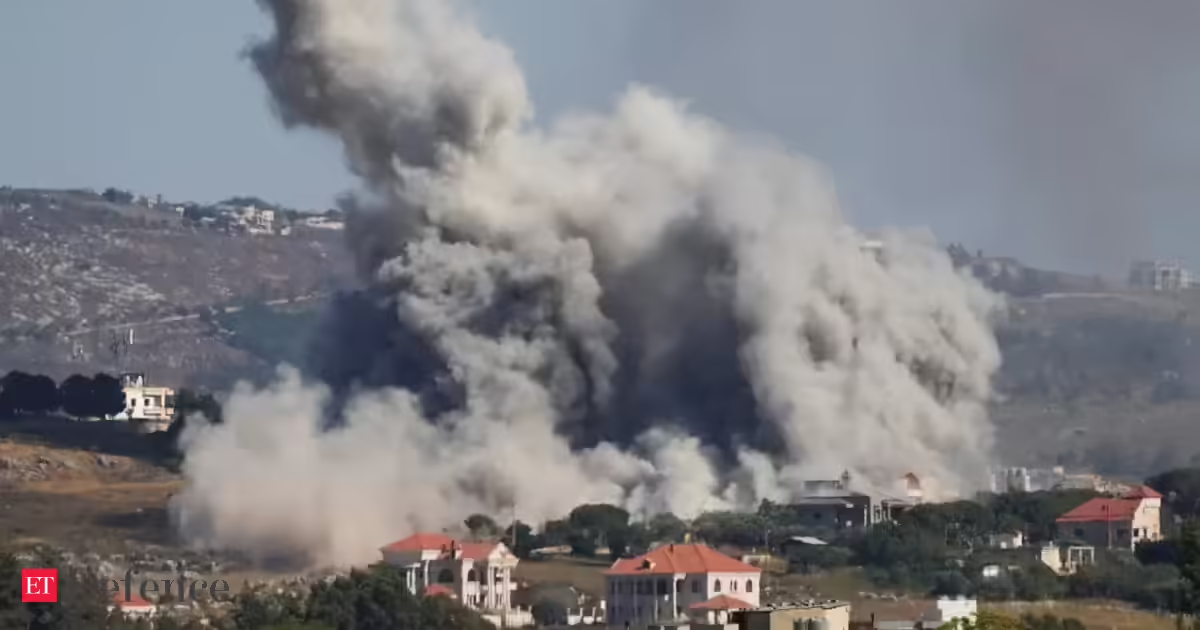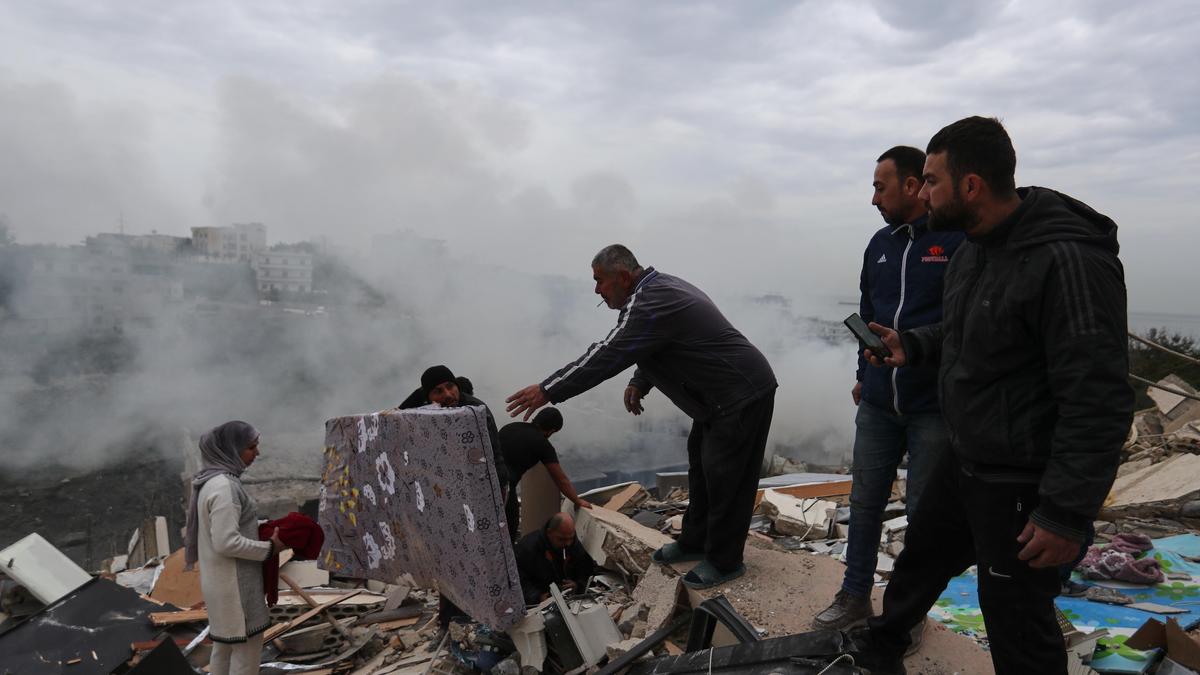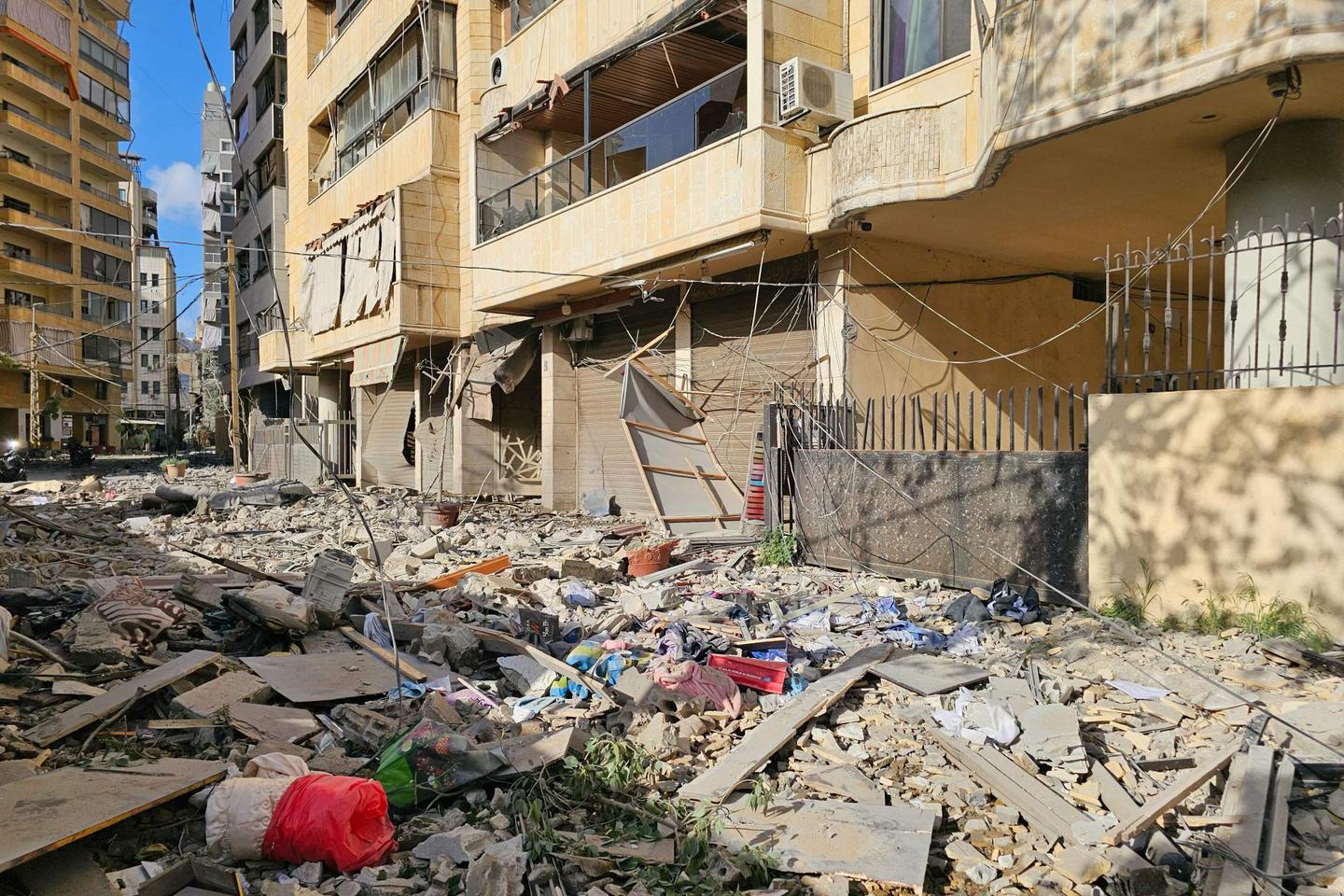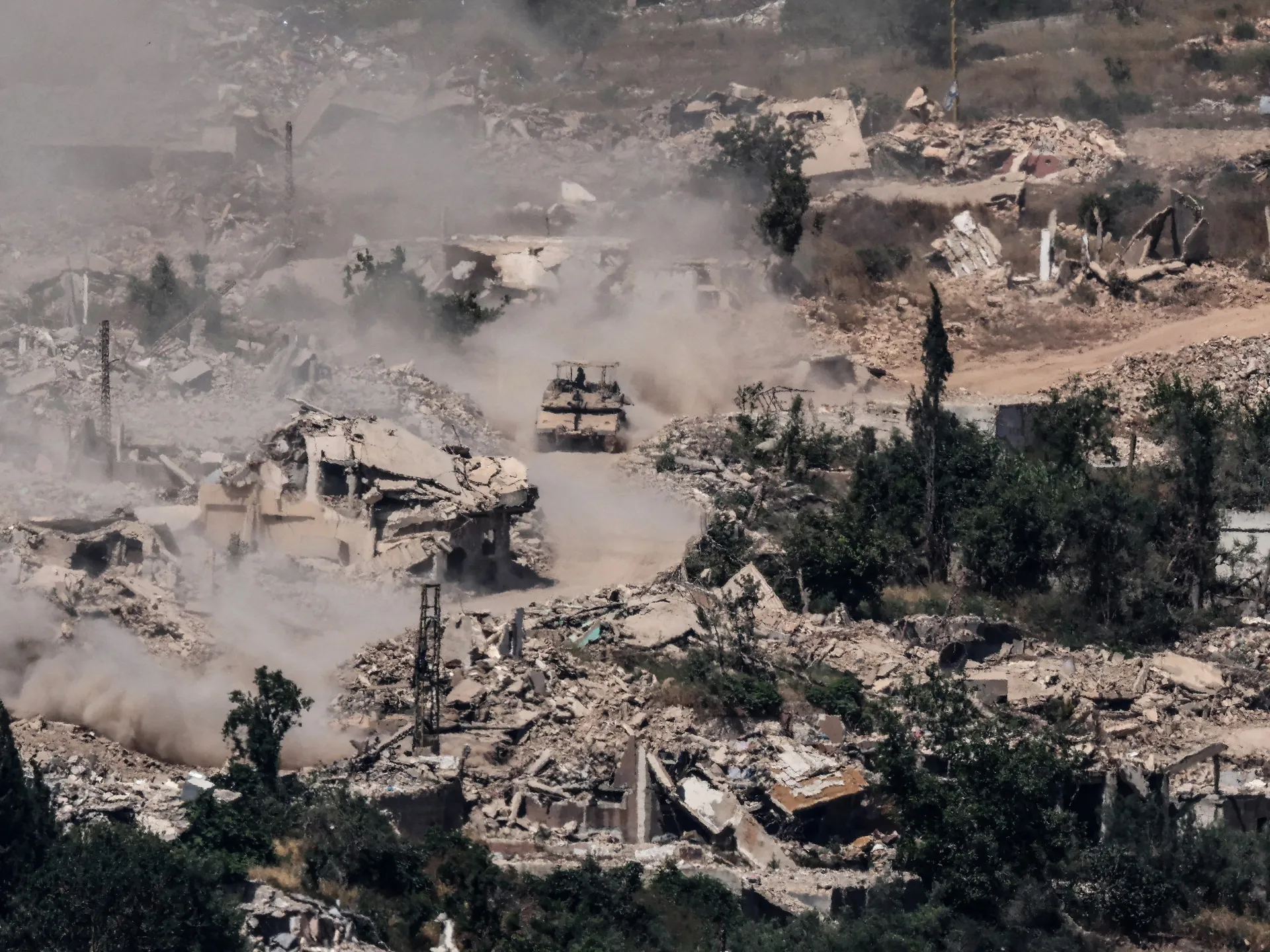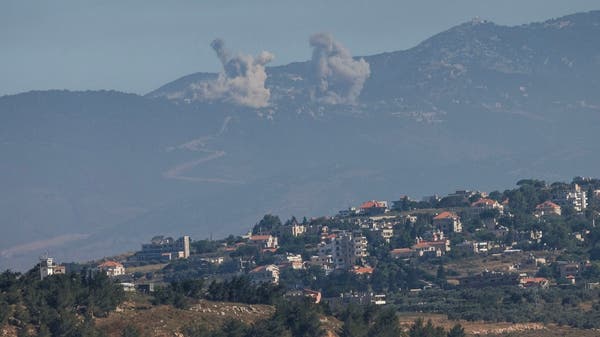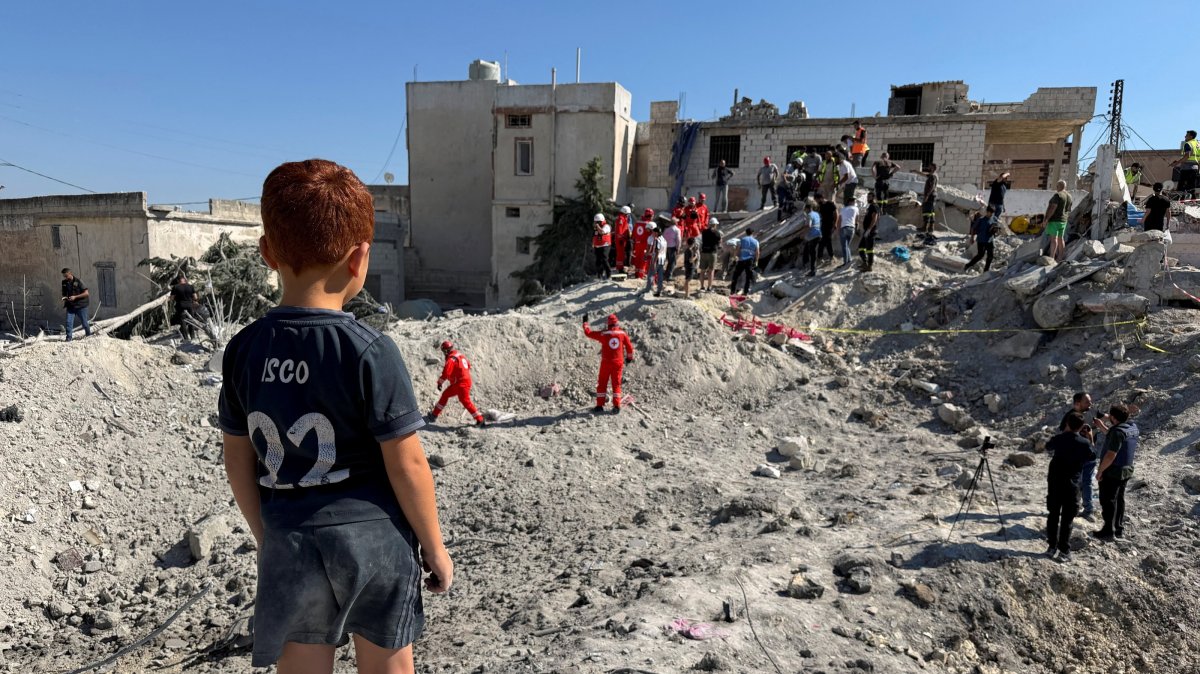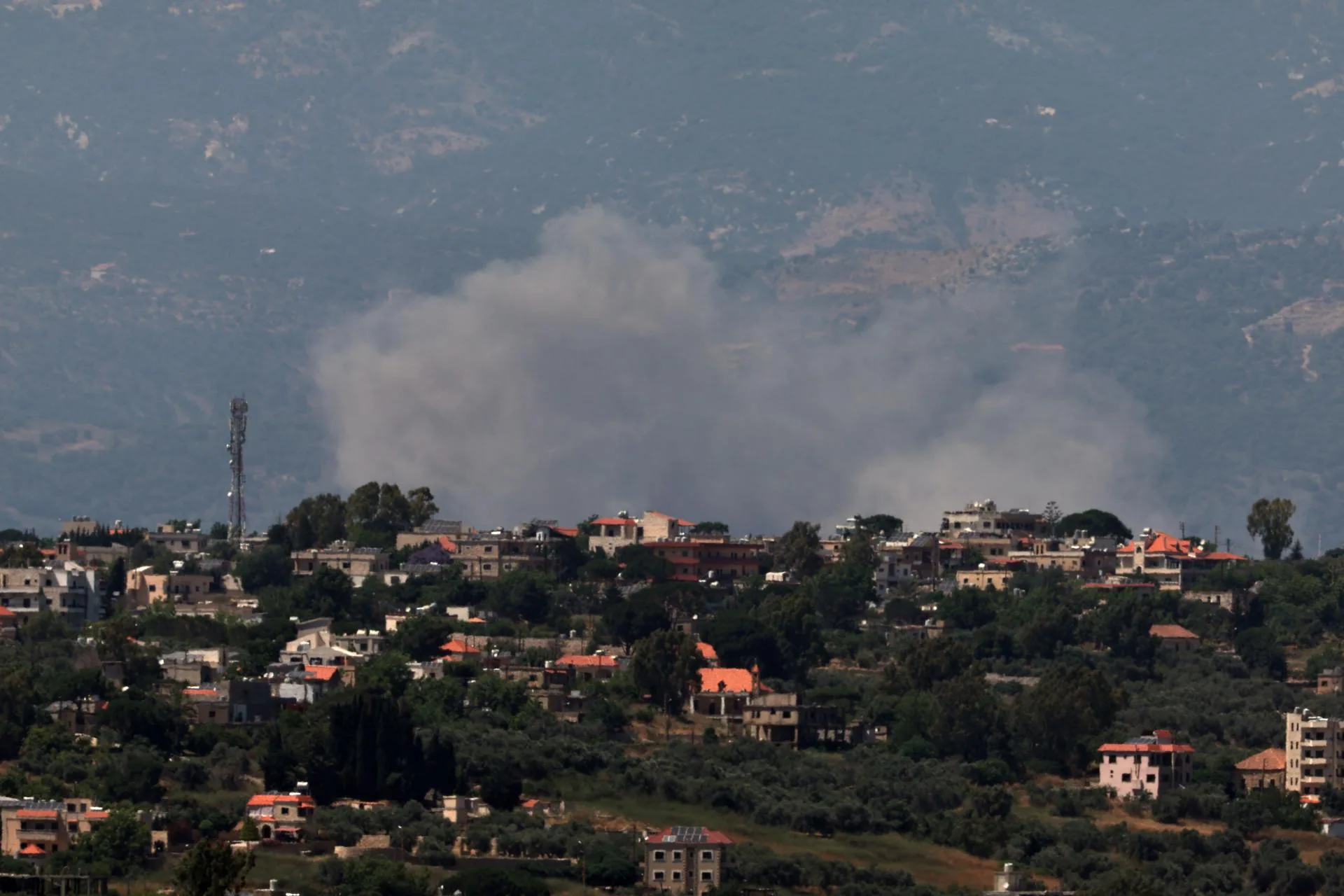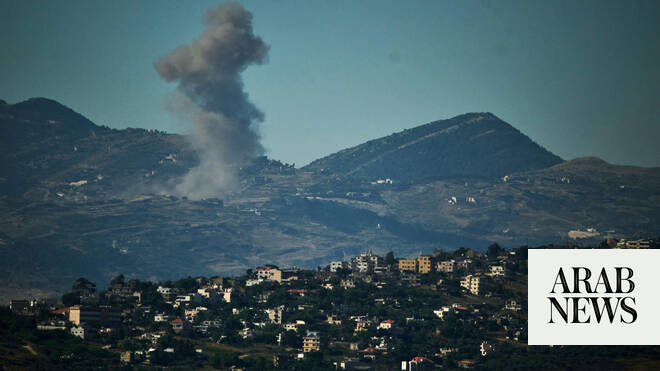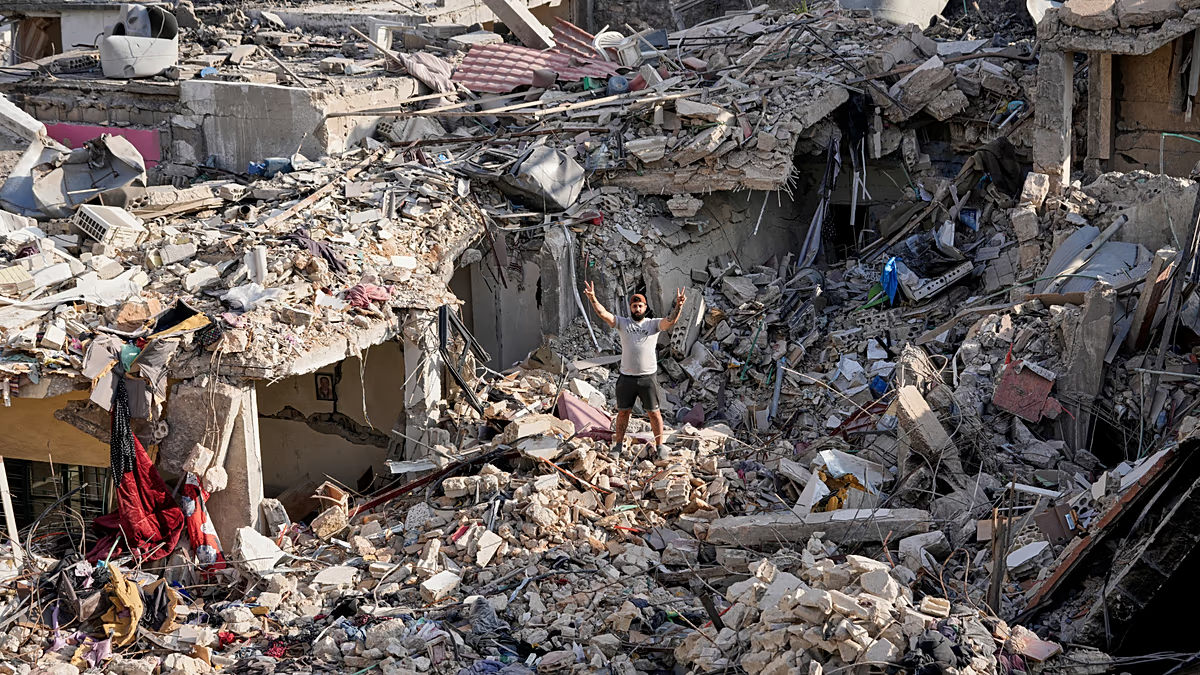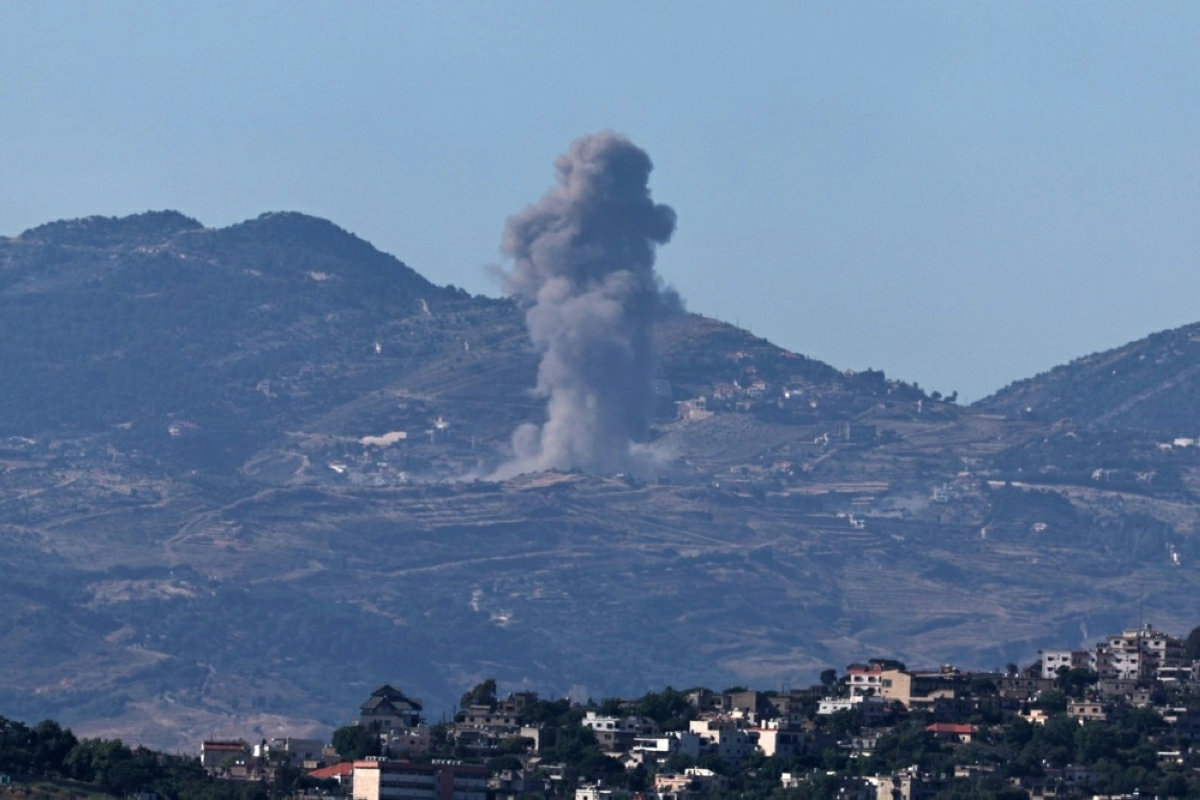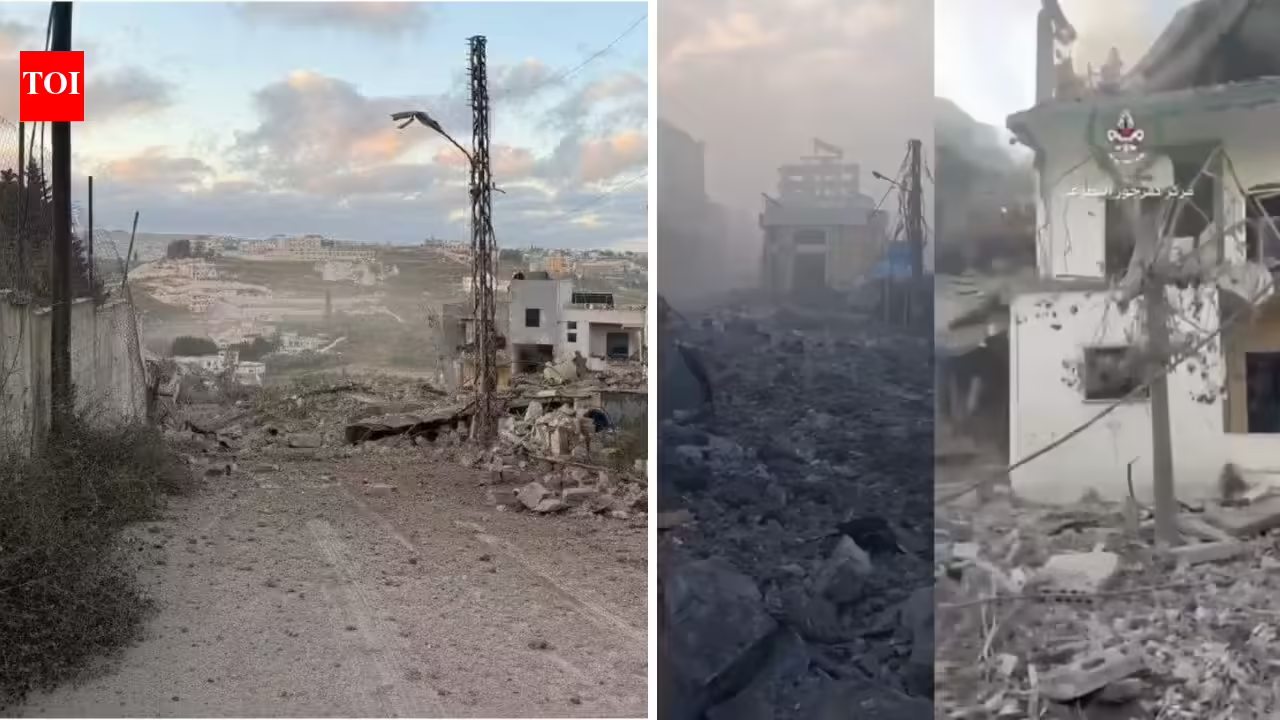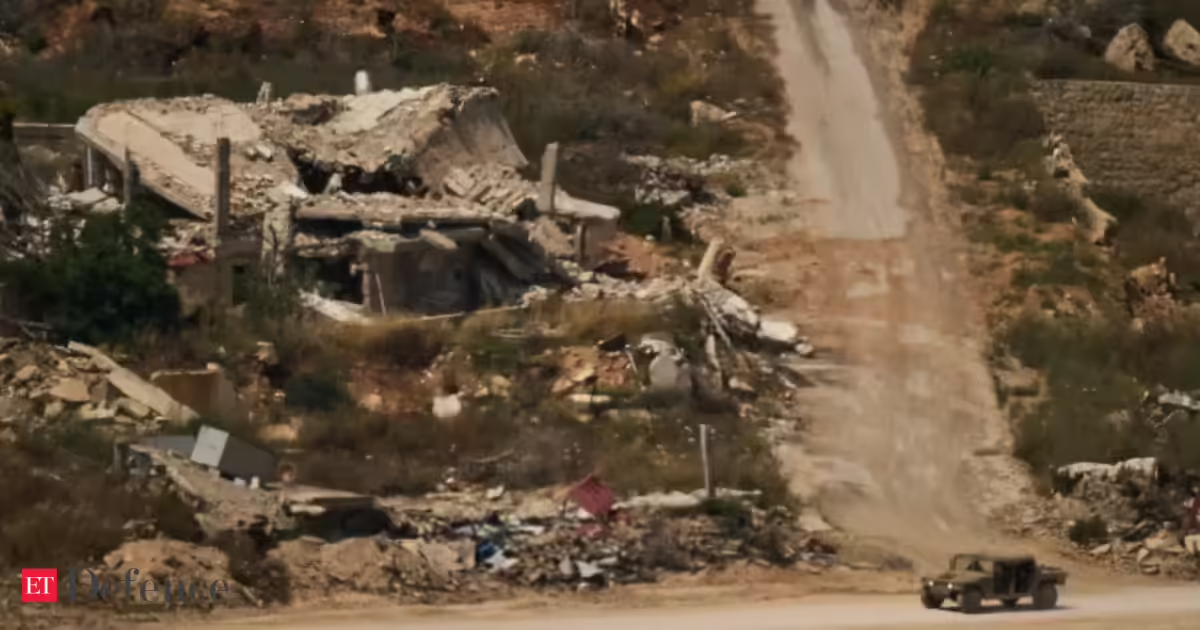
DUBAI, - Israeli strikes on southern Lebanon killed at least 15 people on Friday, state news agency NNA said, while Israel said the attacks launched overnight were aimed at what it described as Hezbollah targets in several areas.Residents and domestic media said Israeli airstrikes and shelling hit several towns in the Nabatieh district overnight and into early Friday, in a bombardment that NNA said was among the heaviest in recent weeks.The Israeli military said it had struck what it described as Hezbollah militants and infrastructure at several southern sites, in response to repeated violations of the ceasefire by the Iran-backed group.The escalation comes a day after Israel published a map showing an expanded military control zone in southern Lebanon beyond which it said it would not rule out attacks, raising questions over Wednesday's U.S. interim peace deal with Iran.The agreement calls for an end to fighting on all fronts, including Lebanon, and for parties to respect Lebanon's territorial integrity and sovereignty.A senior Israeli official said Israel was engaged in "stubborn negotiations" with U.S. President Donald Trump's administration over keeping troops deployed 10 km (6.2 miles) inside southern Lebanon as it pursues Hezbollah.Israel has rejected calls to withdraw its forces from southern Lebanon, where Hezbollah has kept up attacks on Israeli positions, some employing explosive drones that have killed and wounded troops this week.
Israel steps up Lebanon attacks with strikes that kill 15
Israeli airstrikes and shelling in southern Lebanon resulted in at least 15 fatalities on Friday. Israel reported targeting Hezbollah sites, citing repeated ceasefire violations by the Iran-backed group. This escalation follows Israel's announcement of an expanded military control zone in southern Lebanon. Israel is reportedly in negotiations with the U.S. administration regarding troop deployment in the region.
TL;DRAI
Israel killed at least 15 in southern Lebanon airstrikes, claiming control of a 10-km zone while negotiating with Trump's administration over continued troop deployment. The escalation strains the Iran-ceasefire deal, raising geopolitical risk for Middle East cloud infrastructure and tech supply chain stability.
223 words~1 min read