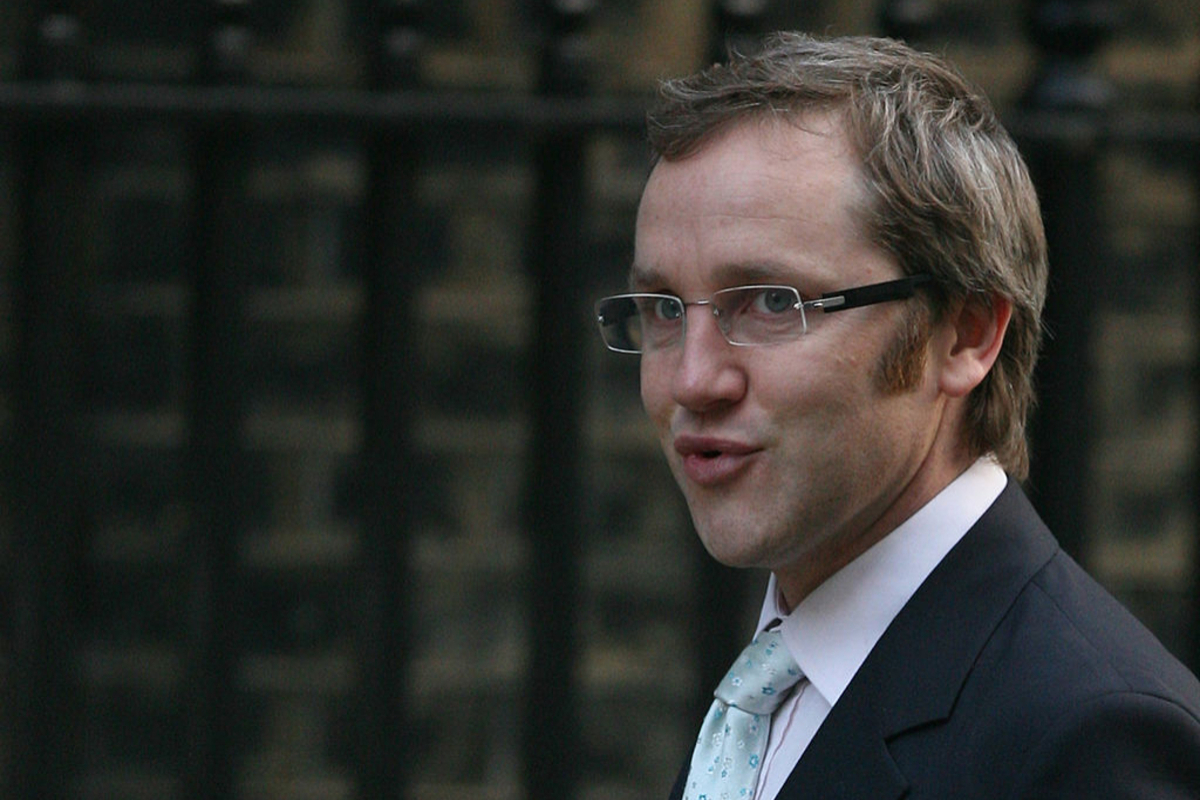
PwC’s UK boss Marco Amitrano has won a larger role inside the Big Four consultancy’s global network, after a clear out of international executives designed to centralise decision-making across the 364,000-person firm.The changes, due to go into effect on July 1st, include axing the global role historically held by the head of PwC’s German member firm and replacing some international executives with partners from the UK and the US businesses.The revamp will give Amitrano greater sway over decision-making in Europe as PwC moves to improve co-operation among its national businesses, centralise back-office functions and roll out services such as AI consulting to international clients.Unlike most multinationals, PwC operates as a network of locally owned member firms, with a global umbrella organisation that co-ordinates work and imposes common standards. Its Big Four accounting and consulting rivals Deloitte, EY and KPMG use a similar model.That can sometimes lead to internal conflicts and less-than-seamless service to multinational clients, as well as costly duplication of back-office functions.PwC’s biggest member firms – the US and the UK – shoulder much of the burden of investment in new technology used by the entire global network and the biggest share of central costs.Unlike his predecessors, the incoming senior partner of PwC Germany, Marc Billeb, will not join the international network leadership team when he takes office on July 1st, according to people familiar with the matter. That team will be shrunk to just three: global chair Mohamed Kande, US senior partner Paul Griggs and Amitrano. China also used to be represented in the group until an audit scandal two years ago.PwC’s Europe, Middle East and Africa businesses need to speak with one voice and co-ordinate their operations more tightly and act as a counterweight to the US in the running of the global network, according to one person familiar with the rationale for removing Germany from the international leadership.Like his predecessors, Billeb will lead an alliance of five member firms that also includes Austria, Belgium, Turkey and Switzerland. He would still “represent PwC Germany’s interests in key EMEA and global leadership bodies and further strengthen cross-border network collaboration”, said PwC Germany.Amitrano is expected to spend more time in continental Europe under the new arrangement, in addition to his role running the UK and Middle East operations.The changes are part of a wider push to co-ordinate the work of the PwC global network, particularly in its consulting business, where rivals EY and Deloitte have tighter integration of their national firms, and competitors include traditional multinationals such as Accenture.“Most of the things that we do today in consulting involve multiple countries,” Kande told the FT. “There is no problem that stays within the boundaries of a country. Whether it’s human capital, supply chain, operations or technology, companies are operating in an environment that requires you to seamlessly work across borders.”PwC is increasingly imposing common working practices across its network and sharing resources between member firms. It would also push to centralise back-office functions such as finance, Kande said.In a further consolidation of power by the two largest member firms, the global leadership reshuffle includes a clear out of PwC International executives appointed by Kande when he took office in 2024. Their roles will instead be covered by partners with executive positions in the US or the UK member firms.Andy Hammond, PwC UK’s head of audit, will add the role of global assurance leader and Carl Sizer will become global clients, markets and industries leader in addition to his job as chief markets officer for PwC UK. The US tax and consulting leaders will also become global heads of those service lines. – Copyright The Financial Times Limited 2026
PwC UK boss Marco Amitrano wins bigger role in international shake-up
British head to speak for Europe and Middle East on global body as new Germany boss misses out
609 words~3 min read