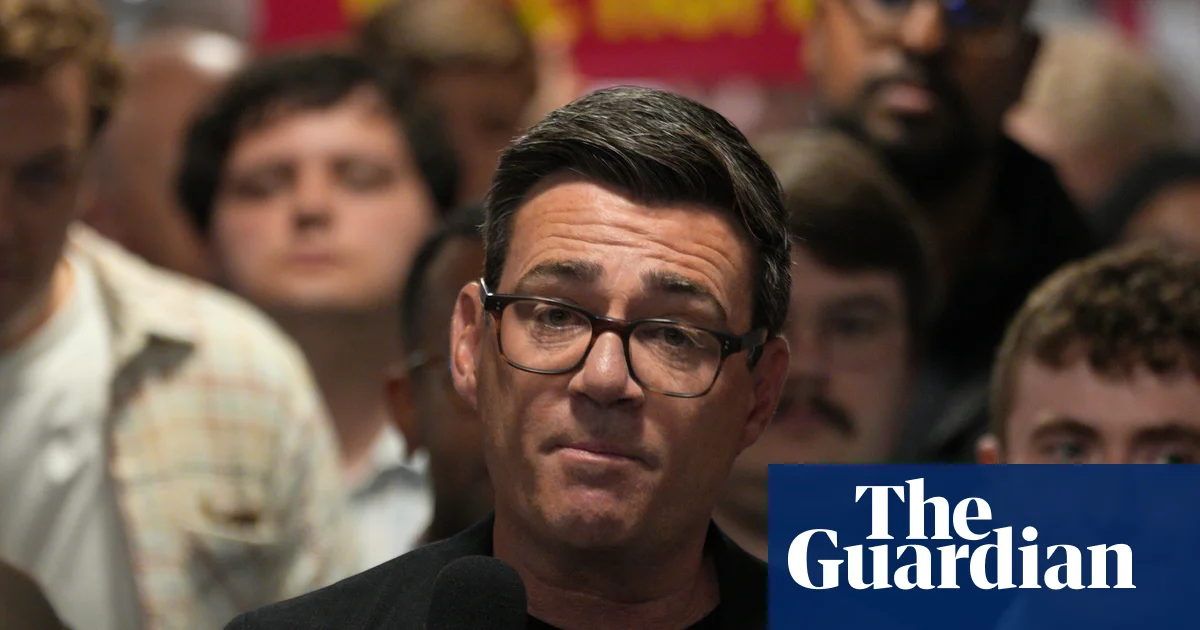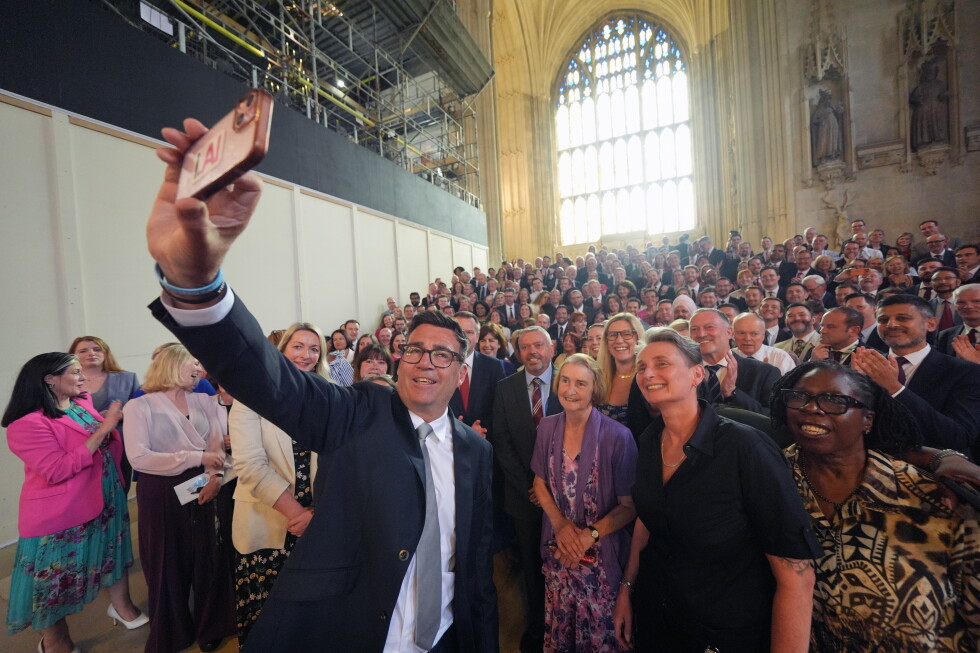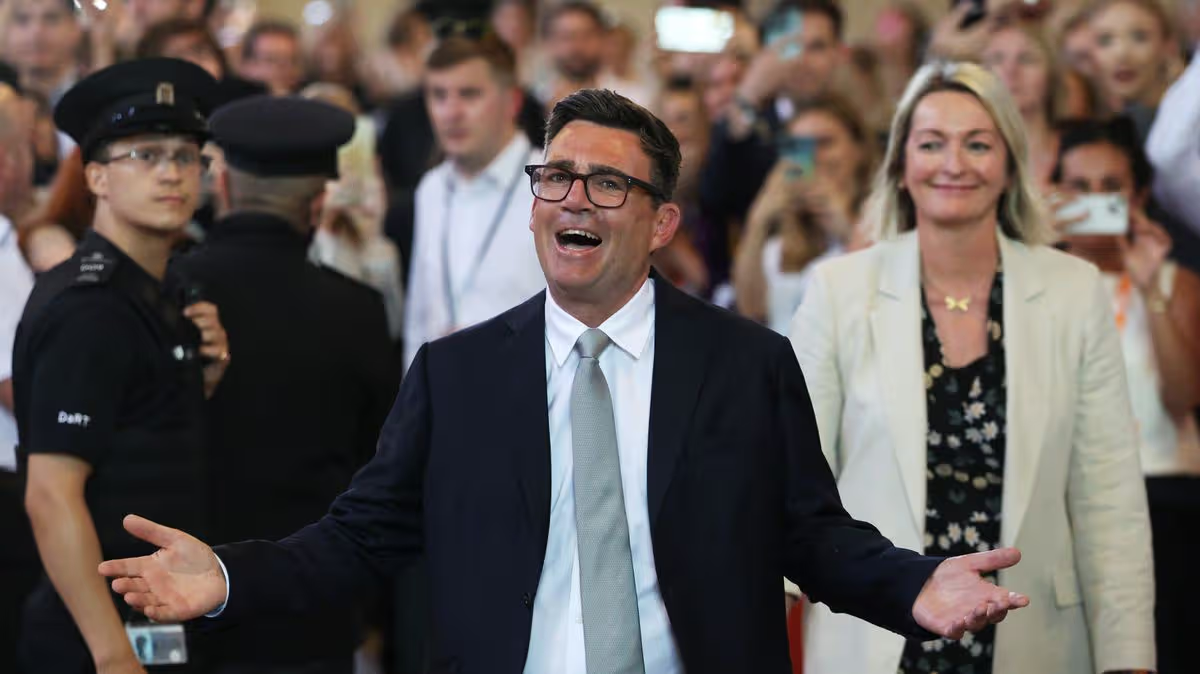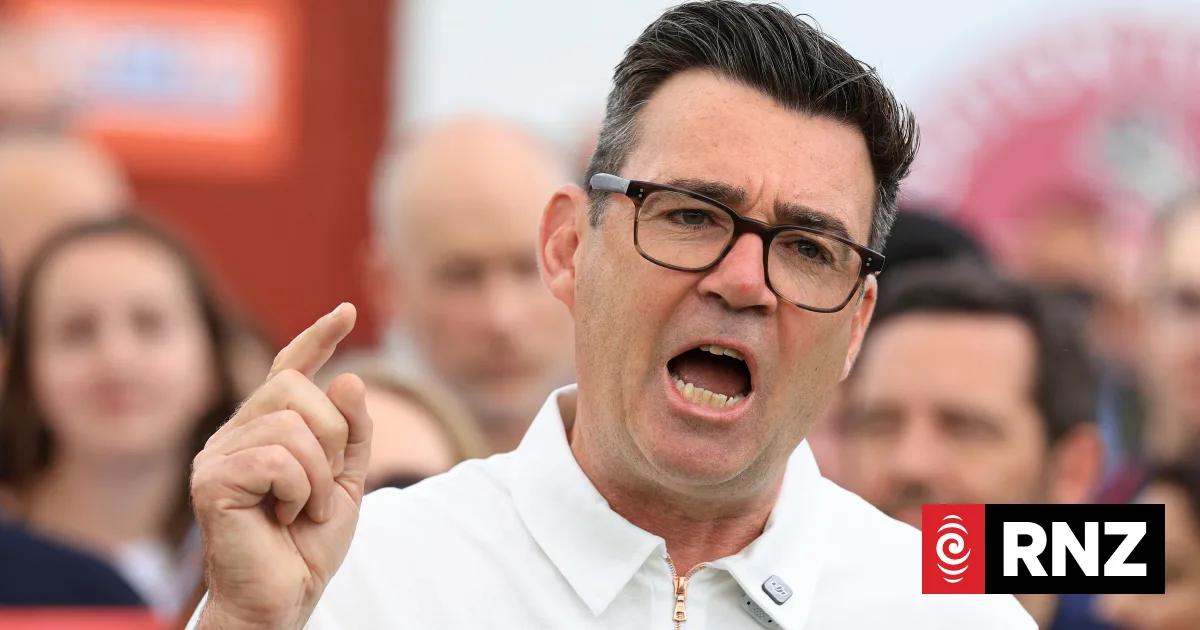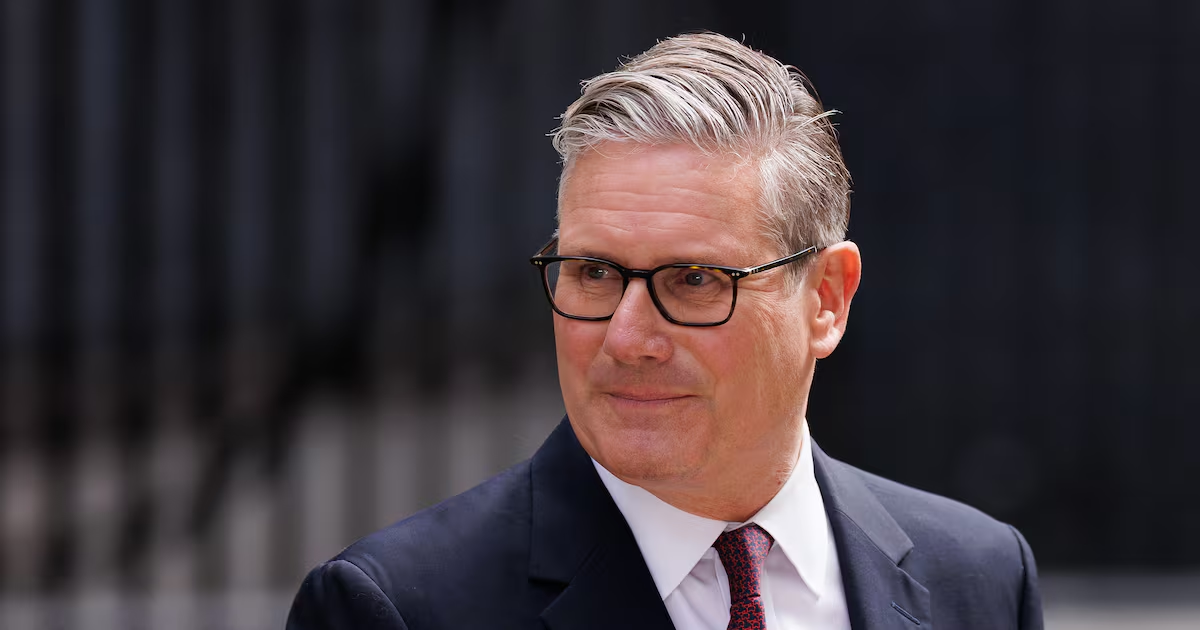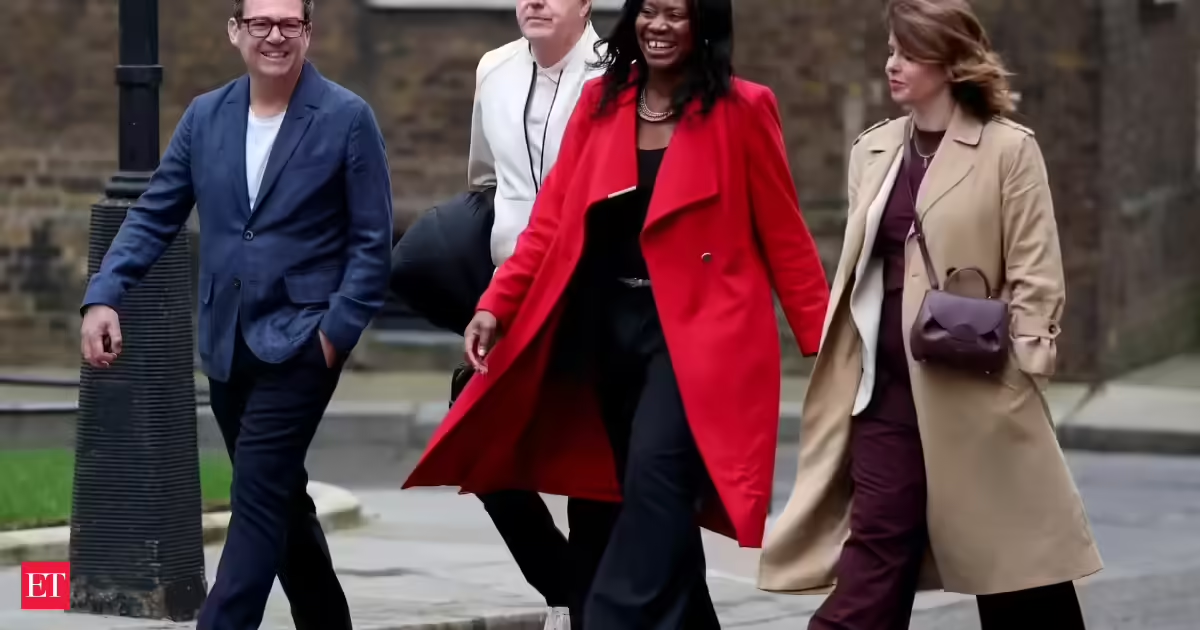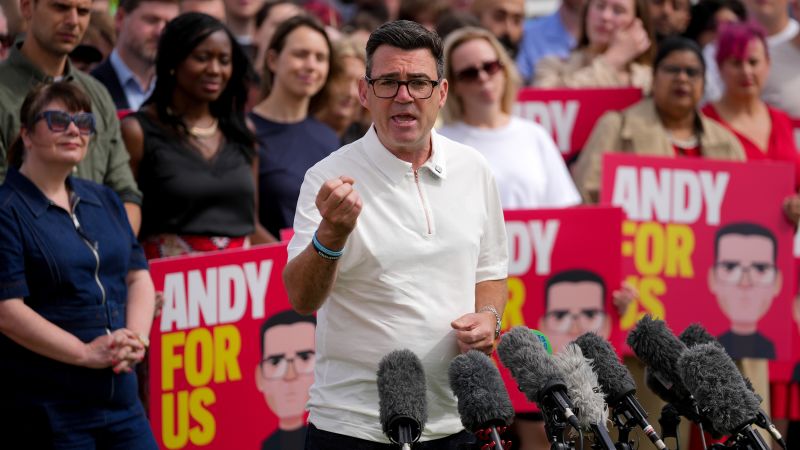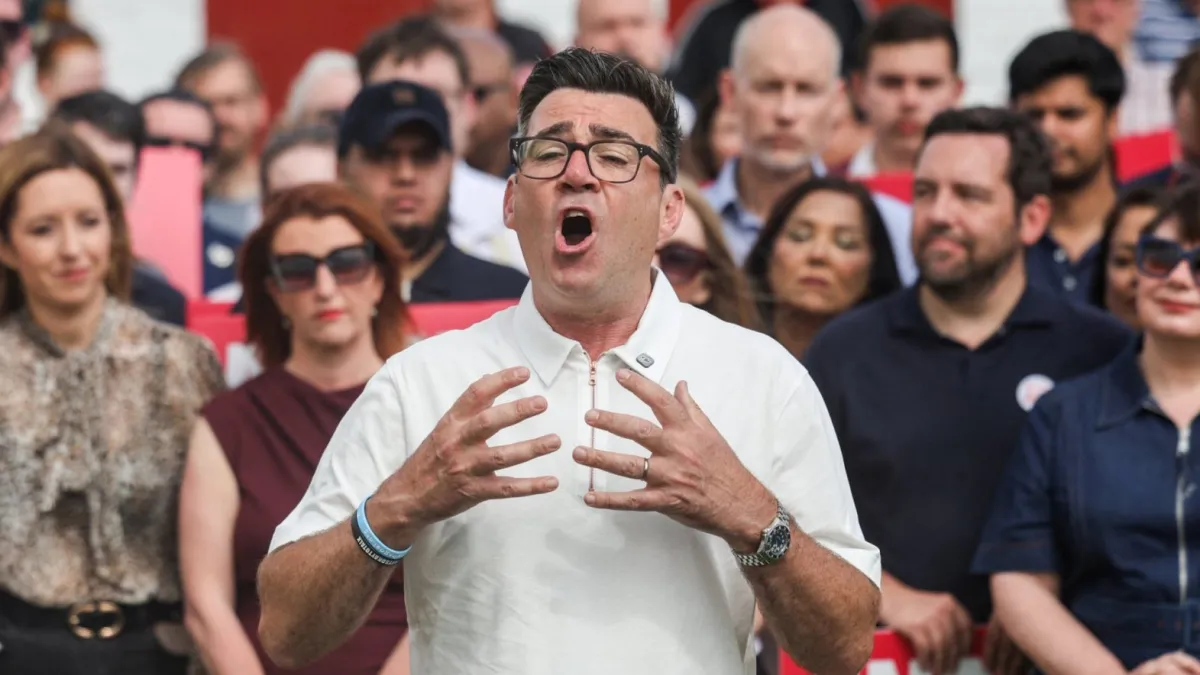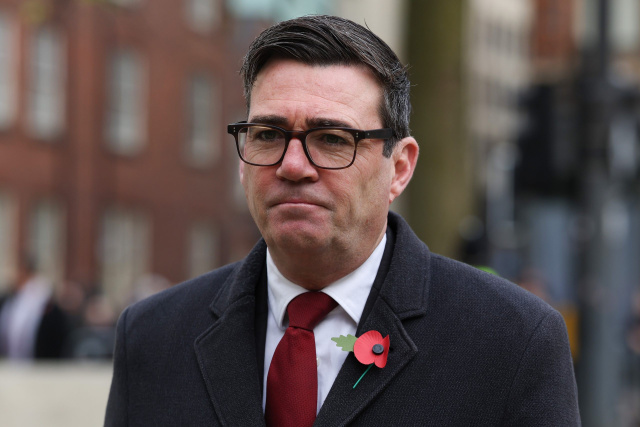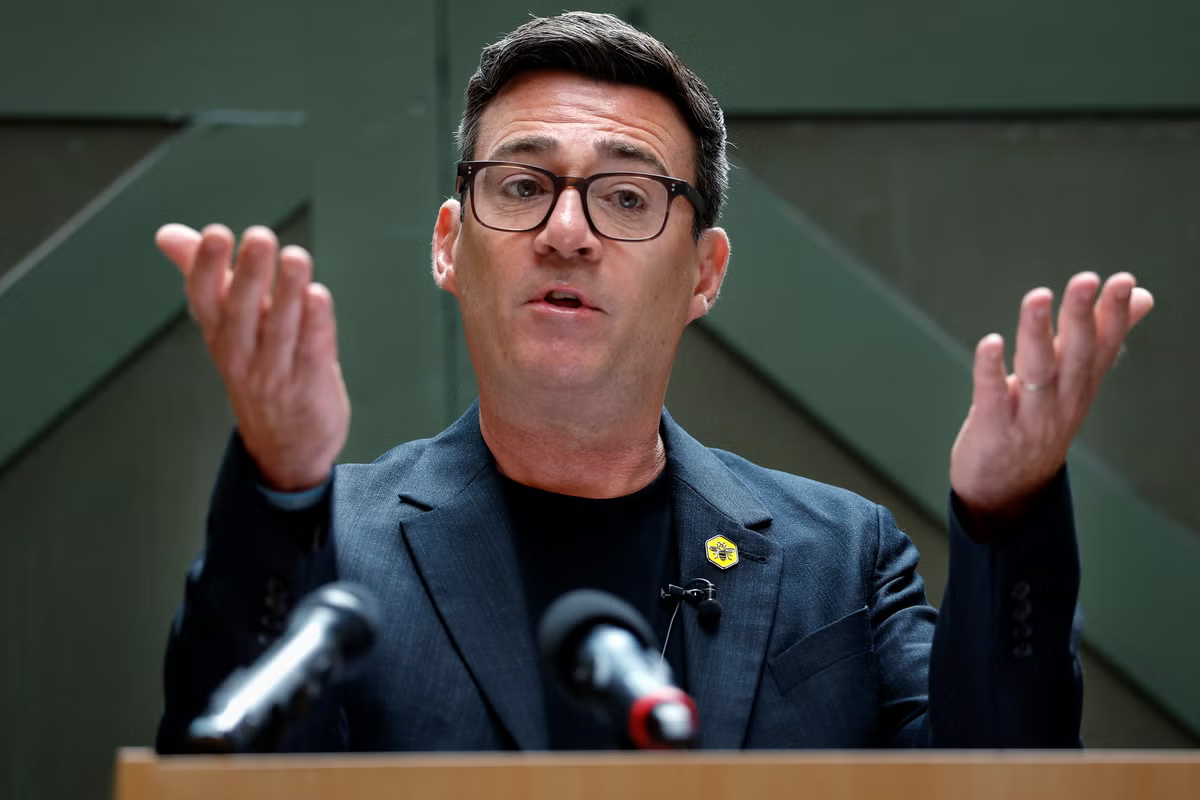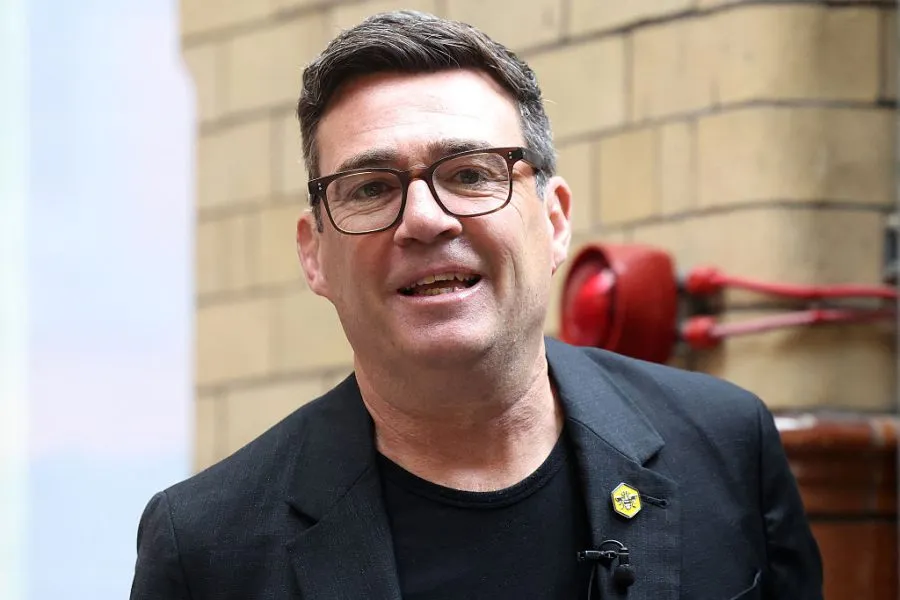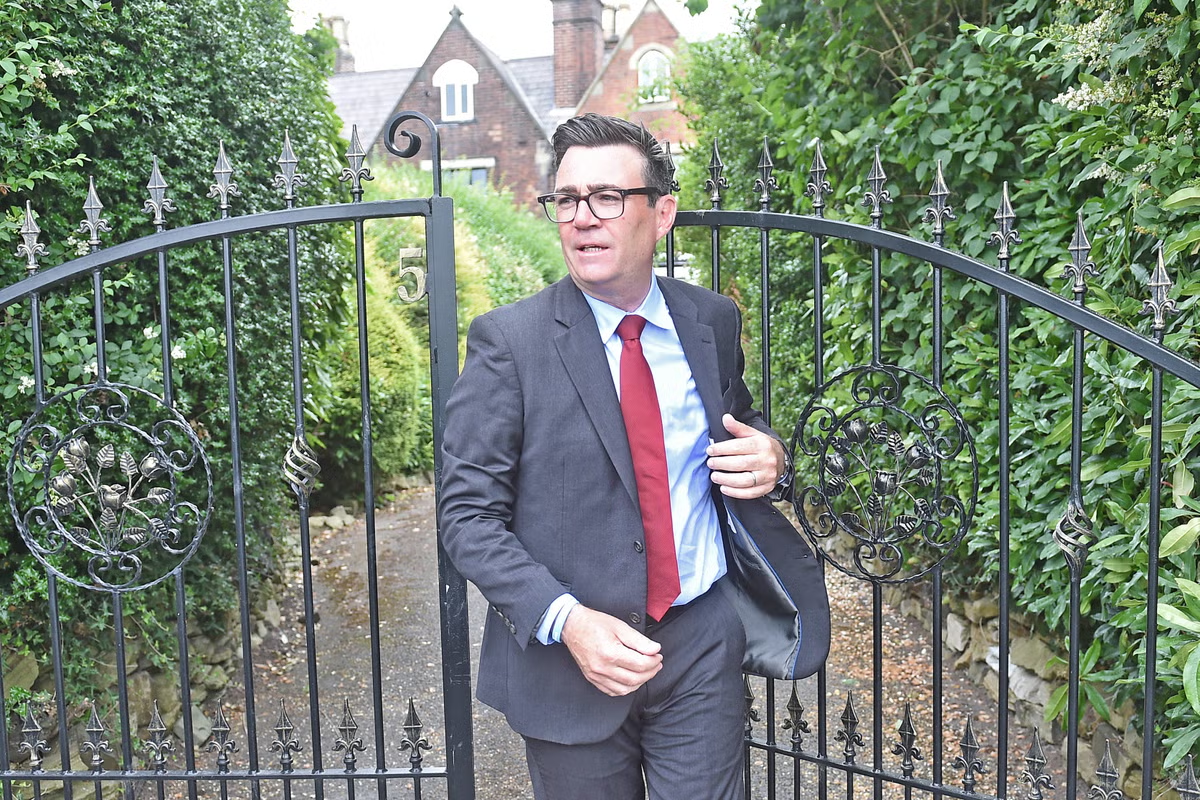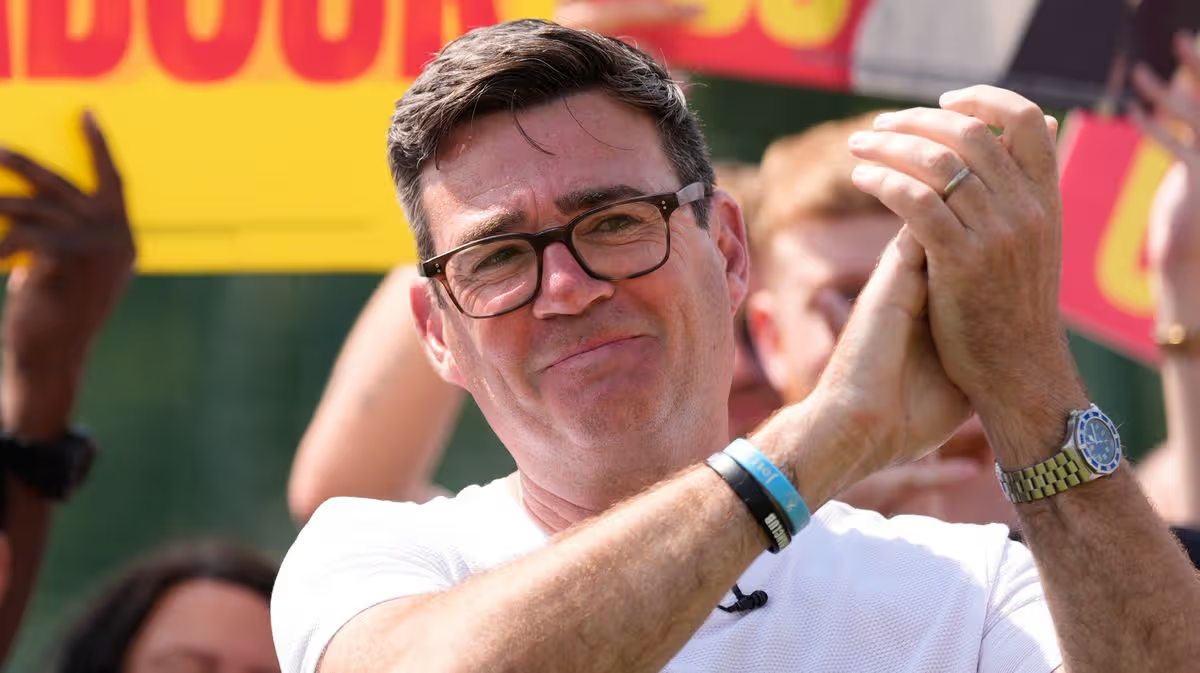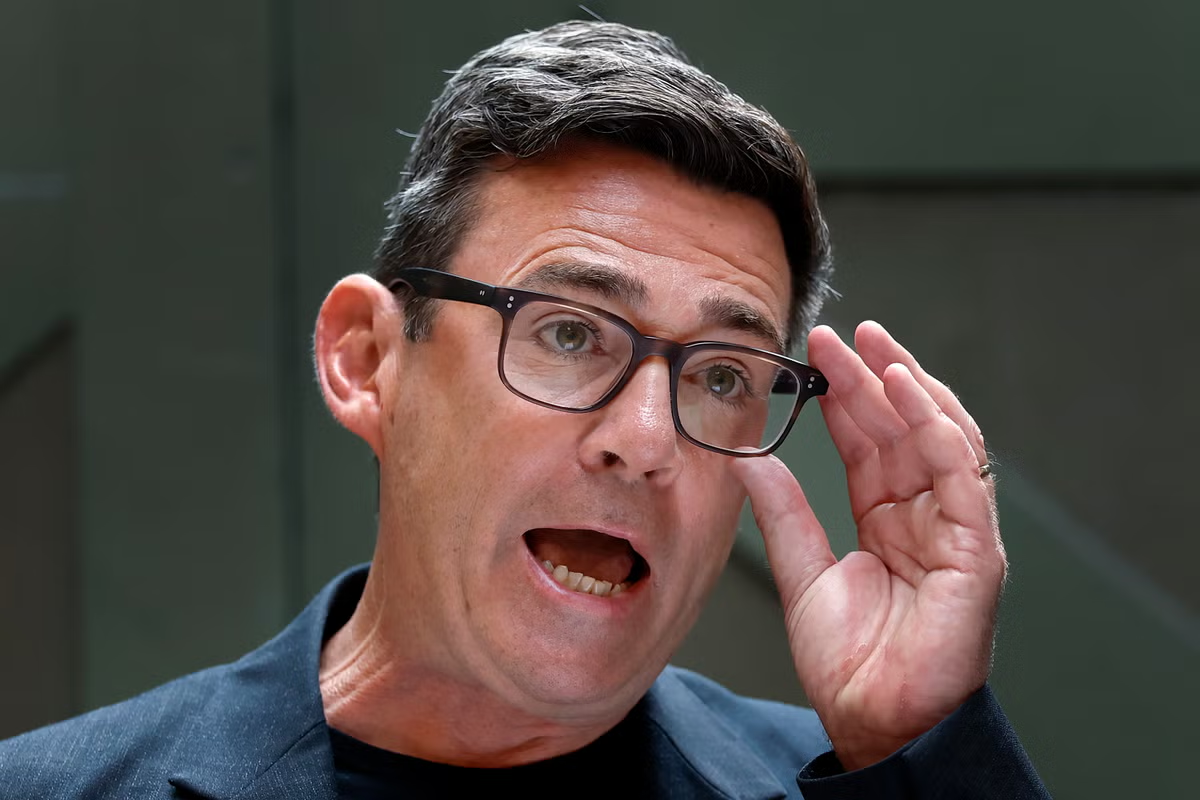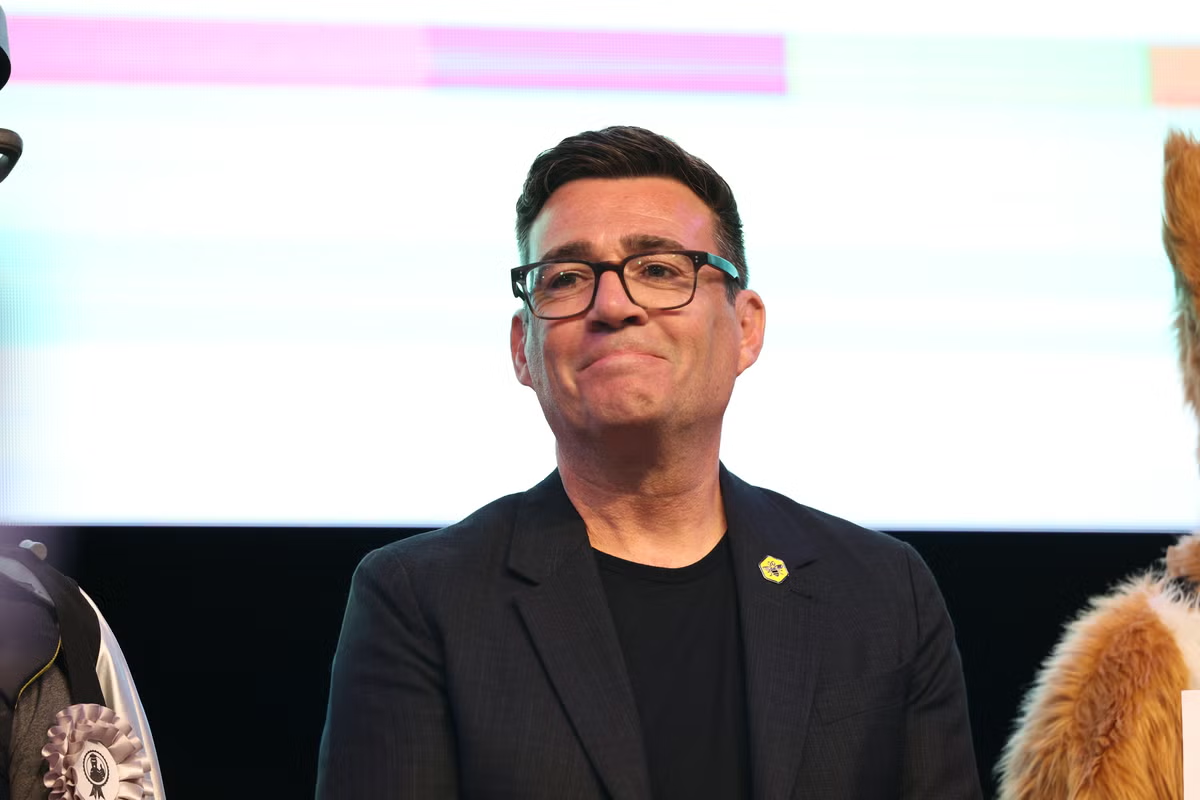
John Rentoul, chief political commentator – “He should get on with it and not let Starmer ‘squat in Downing Street’”Burnham is as ready as he is going to be. I am told that his advisers are divided over whether he should try to become prime minister immediately or take time to prepare for government. My view is that he has confidence in his ability to do the job, and so he should use the leverage granted by the by-election win to launch his leadership bid as soon as he is sworn in as an MP on Monday.There is no point in spending time drafting plans for taking office, because they will all be abandoned the moment that they make contact with the rolling crisis that is modern government. In 2004, Gordon Brown had his team working on plans for when he took over. By the time he actually gained possession of 10 Downing Street, three years later, the cupboard was bare apart from a war powers bill designed to ensure that the Commons voted on military action – which it had anyway. The bill was soon forgotten.Keir Starmer thought that having Sue Gray, a former civil servant, as his chief of staff would be enough to ensure that he would be ready for government, but it wasn’t. Neither Brown nor Starmer had the temperament for government, or the people skills, or the vision. Burnham will do better on those scores, whether he has had time to prepare or not. Where Burnham is likely to be weak is in his policy instincts and his decision-making. That is why I think he should be tested in a leadership election, which is the only form of preparation for government worth doing. But if there are no candidates against him, he should get on with it and not let Starmer “squat in Downing Street” while a shadow government tries to draw up a perfect plan for its first 100 days.Kate Devlin, Whitehall editor – “He isn’t ready – but no PM ever is”Is Andy Burnham ready for No 10? In a word – no. But then, no prime minister ever is.If he enters Downing Street later this summer, Andy Burnham will carry with him more government experience than Keir Starmer, David Cameron and even Tony Blair whenever they crossed that famous threshold.In the last Labour government, he tackled that most poisoned chalice of departments – health, both as a minister and later as the secretary of state. He is also a former culture secretary who once served as the chief secretary to the Treasury.Unlike Keir Starmer, he also cannot be accused of being a technocrat instead of a politician. He campaigned on Hillsborough and the infected blood scandal. And he has successfully reinvented himself as the mayor of Greater Manchester.His experience will help, but the truth is the job of PM is unlike any other. No-one arrives entirely ready for the responsibility, the pressure and, in more modern times, the impact of the 24-hour news cycle. In the book he wrote after leaving office Blair said the role of leader “is a privilege, of course, but a privilege that is painful”. Even Margaret Thatcher, the Iron Lady herself, called being PM a “lonely job”.There are many questions unanswered about Andy Burnham. What is his foreign policy, for example. How would he handle China? Can he do anything to ease the pain Donald Trump’s policies, including tariffs and wars, are imposing on the UK? But no one is ever ready, politicians either succeed or fail in the job. Mr Burnham will be mindful that political teams seem to allow less time for failure to turn into success these days than they used to – and, as an Everton fan, be keenly aware that the lifespan of prime ministers now seems to be rivalling that of premiership football managers.Sean O’Grady, associate editor – “He’s a fiscal fantasist, Labour’s Truss – and that will be just as uncomfortable as it sounds”In one respect, Andy Burnham is well qualified to be PM. He was a minister under Tony Blair, appointed to Cabinet by Gordon Brown and he’s run Greater Manchester. The problem is he’s learned surprisingly little from his quarter-century in public life. Even a spell as chief secretary to the Treasury hasn’t helped him develop the ability to say “no” to demands for more public spending (and he’s had to backtrack on many of them). He is fatally weak on economics, evidenced by a recent refusal to discuss, or even describe, his fiscal approach. Not long ago, he was fed up with the country being “in hock” to bond markets, and he resents the Treasury’s “green book” methods for securing value for money for taxpayers – yet now he accepts Rachel Reeves’ fiscal rules. Or says he does.That prompts other doubts. If he wants to keep Reeves’ plans for the public finances, Shabana Mahmood’s strategy for immigration, Ed Miliband’s drive for Net Zero and, for that matter, Keir Starmer’s defence, foreign and European policies, then what, precisely, is the “change” he promises? Just vibes? More sports casual gear? What’s the point of Burnham? His more radical ideas include proportional representation, a federalised written constitution, reforming council tax, a local income tax, an assets tax and grandiose transport schemes – all time-consuming, futile and electoral poison. None were in the manifesto.Burnham reminds me too much of the SNP. He is campaigning as a Northern English Nationalist, exploiting grievances about London and the South. This is a poor basis for a national appeal. Labour needs the South as much as it needs the North (and the East, West, the Midlands, Scotland and Wales). Wigan cannot be more important to a prime minister than, say, Wolverhampton, Winchester or Walthamstow, where you will also discover people struggling to get by. He’s a fiscal fantasist, Labour’s Truss – and that will be just as uncomfortable as it sounds.
Is Andy Burnham ready to be PM? This is what our writers think – plus, have your say
Our writers weigh in on whether Andy Burnham is ready for the premiership – tell us what your answer would be below
TL;DRAI
Andy Burnham, ex-health secretary and Manchester mayor, enters UK PM leadership race following by-election victory. Political commentators flag concerns over weak fiscal instincts and unclear foreign policy, risking instability in UK tech regulation.
986 words~4 min read