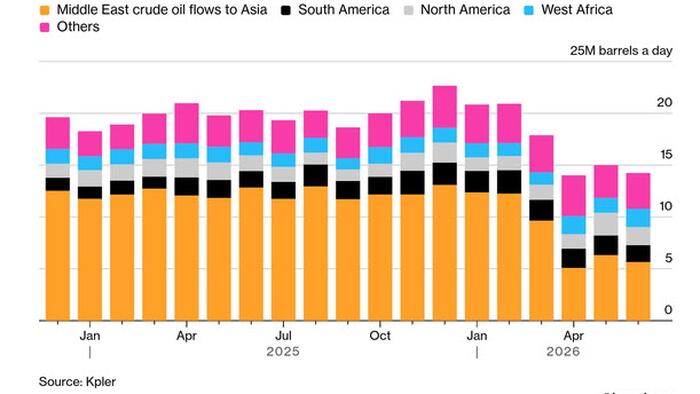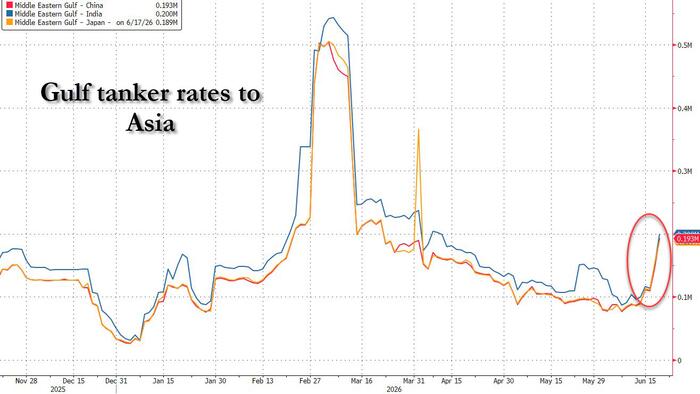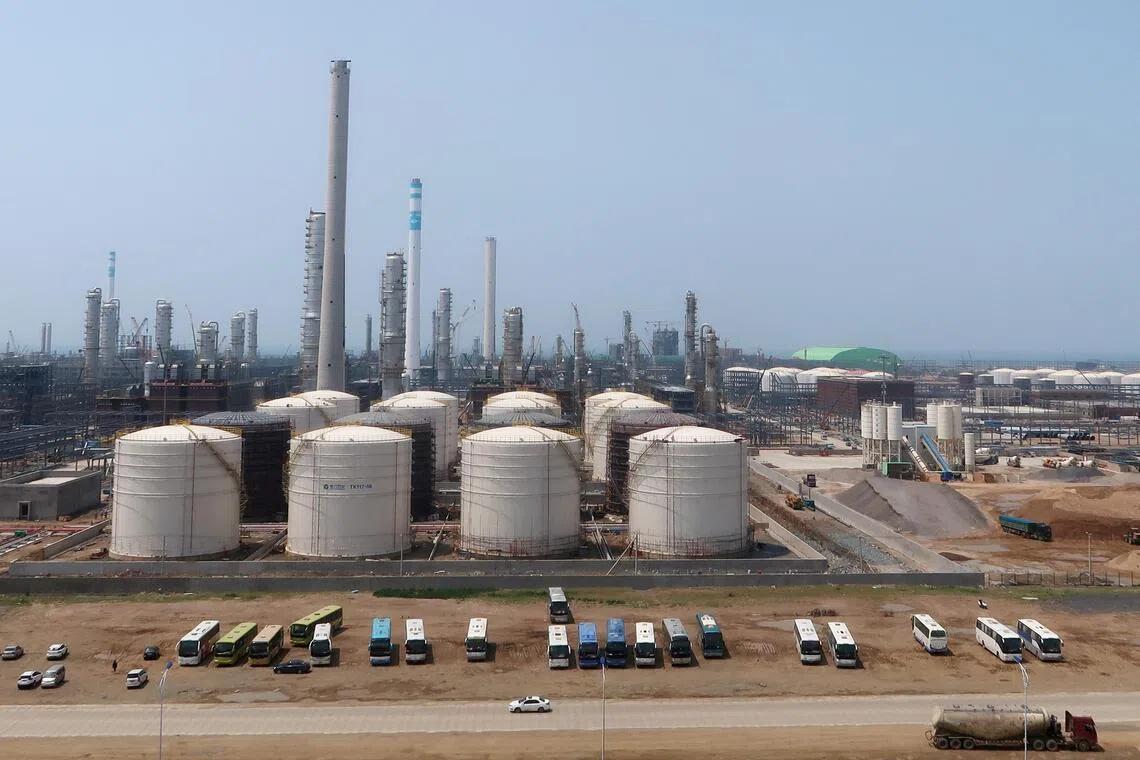
Singapore – Refineries in East Asia are starting to ramp up fuel exports after months of holding back and prioritising local sales, in what appears to be an attempt to front-run the market before flows through the Strait of Hormuz return to normal.There has been an uptick in spot offers of distillate cargoes – which includes diesel and jet fuel – from at least two processors in the recent week, traders said, with South Korean refiners among them. The increase is an extension of a trend seen over the past month, as high stockpiles in some Asian nations prompt a rise in sales. Traders said this may be a move by Asian suppliers to sell more ahead of an impending wave of cargoes to be unleashed from inside the Gulf.The offers, made through private negotiations and tenders, are set to weigh on Asian prices and bring them down from recent highs, even as they remain above pre-war levels, the traders said.Since the Iran war first broke out end-February, Asia’s top exporters including China, Japan and South Korea crimped sales for energy security reasons. For now, with Chinese export curbs still in place, traders said other east Asian refiners may capitalise on this window before the floodgates open. Lately, China – the world’s largest oil refiner – has only permitted limited sales on a bilateral basis.“As confidence grows around a reopening, refiners are becoming more comfortable releasing inventories and increasing exports, particularly as expectations build for additional crude availability and improved feedstock accessibility from the gulf,” said Sumit Ritolia, lead analyst for refining supply and modeling at Kpler. Asian supplies of gasoil, also known as diesel, began trading at discounts as of earlier this week, falling from a premium, signaling a weakening of the market. Mega-refineries in the Persian Gulf are major fuel exporters. The US-Iran war exposed 10 per cent of the global diesel trade and 20 per cent of jet fuel to disruption, Kpler said. BLOOMBERG
East Asian refiners starting to ramp up fuel exports as Hormuz reopens
Traders said the move bring Asian fuel prices down from recent highs, even as they remain above pre-war level. Read more at straitstimes.com. Read more at straitstimes.com.
TL;DRAI
South Korean, Chinese, and Japanese refineries boost exports ahead of Strait of Hormuz reopening, leveraging excess inventories. The move pressures fuel prices and signals energy supply-chain normalization after Iran-war disruptions to 10–20% of global diesel and jet fuel trade.
327 words~1 min read